
What are good things to 3D print at home, for school or for work?
Ideas for what to 3D print, grouped by who they are for: home, desk, gifts, school, hobbies and work, with a real piece we printed and where to find files.
What should you 3D print?
Say who it is for, and you get ideas to start with.
The best things to 3D print fit a gap in your own life: a holder shaped round your tools, a stand for a device, a spare part. The ideas below are grouped by who they are for. Each points to a piece our studio has printed where we have one, and you can print yours at home, on a rented printer, or with us.
3D printing ideas by who they are for
| Who it is for | Ideas to start with | A real piece we printed |
|---|---|---|
| At home | Hooks, cable clips, wall planters, stacking boxes | Wall planters |
| On a desk | Pen holders, device stands, name signs | Pen holders |
| As a gift | Tissue holders, lamps, figurines | Moai tissue holder |
| For school | Models, test rigs, cases for circuit boards | Raspberry Pi case |
| For a hobby | Cosplay props, tabletop miniatures | Cosplay swords |
| For a business | Jigs, spare parts, display and training pieces | Holding jig |
Around the home
Start with what annoys you every day:
- Hooks and clips. Keep cables, bags and towels off the floor.
- Tool holders. A shelf shaped round the tools you own.
- Wall planters. Pots that hang on a plate.
- Stacking storage. Boxes you can rearrange.
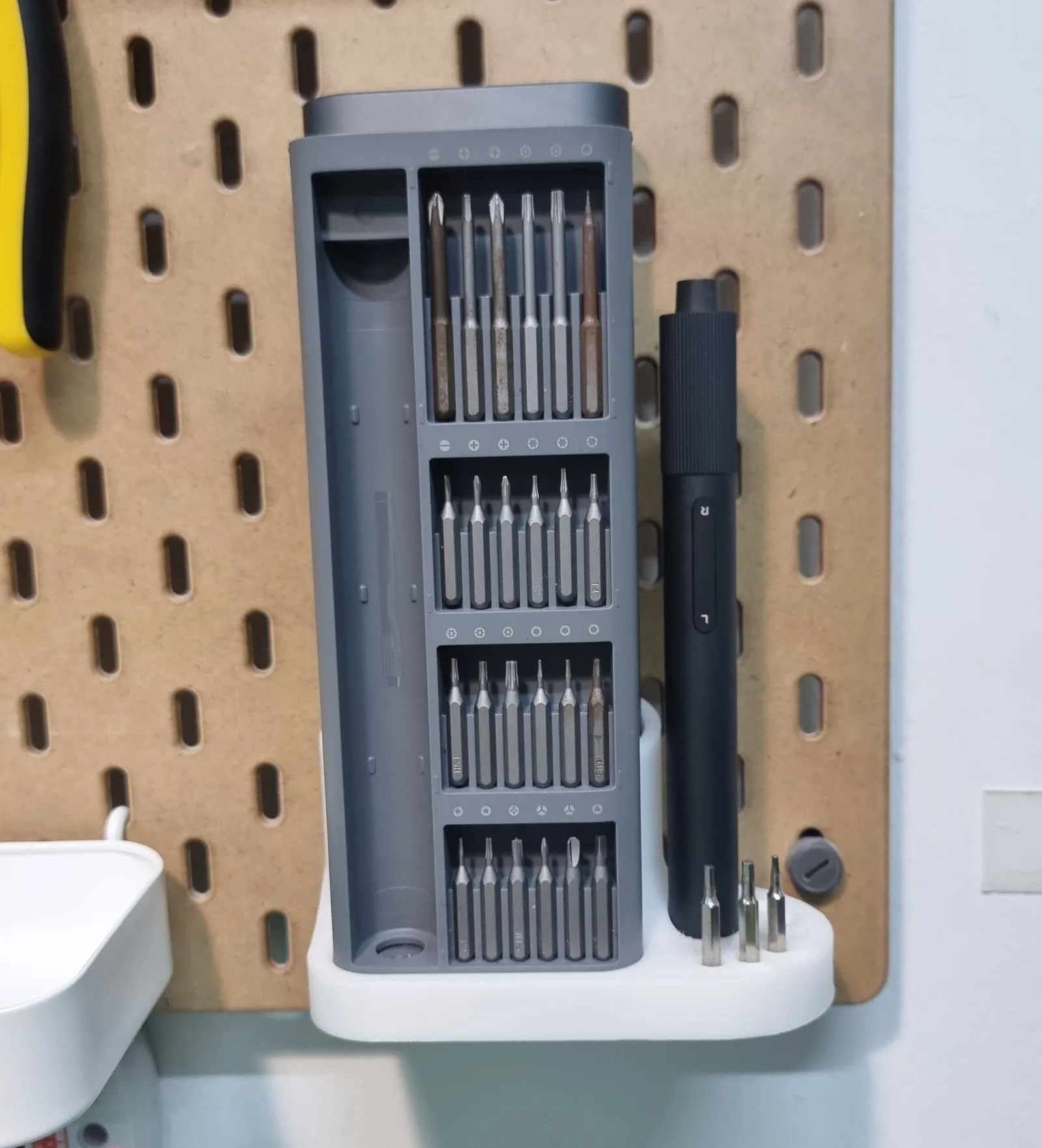
We printed a white shelf for a pegboard that holds a precision screwdriver, its bit case and loose bits together. We also printed white wall planters with a ribbed vase to match, and a set of stacking boxes with swap-in fronts.
Two limits. A part that sits in a hot car or full sun needs a different filament from a shelf indoors: see our heat and sun guide. And do not print anything that will touch food without asking us first.
On your desk
Desk pieces are forgiving, because you can hold the object up and check the size:
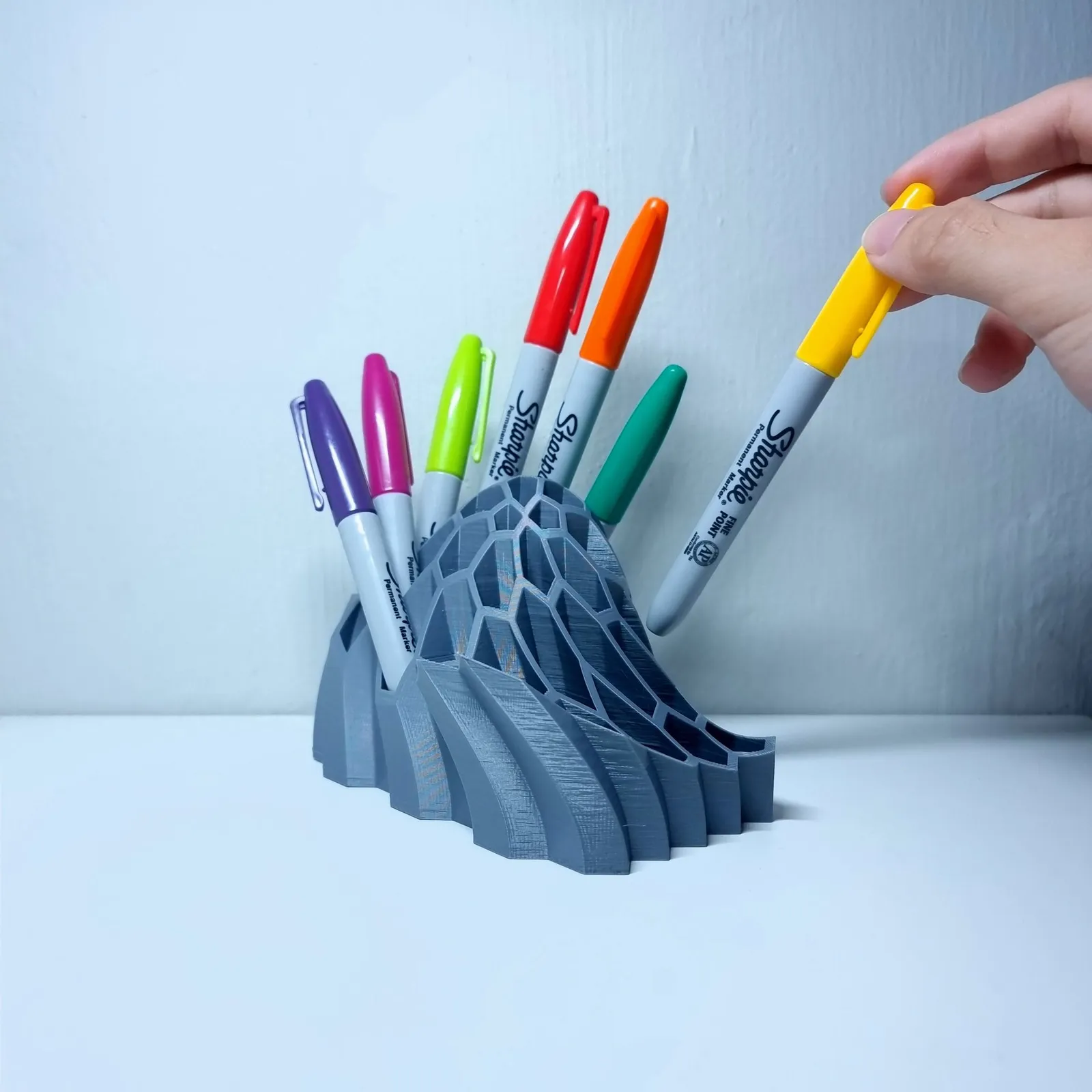
- Pen holders. An open lattice or a faceted cup.
- Device stands. One shaped round your own phone, tablet or speaker.
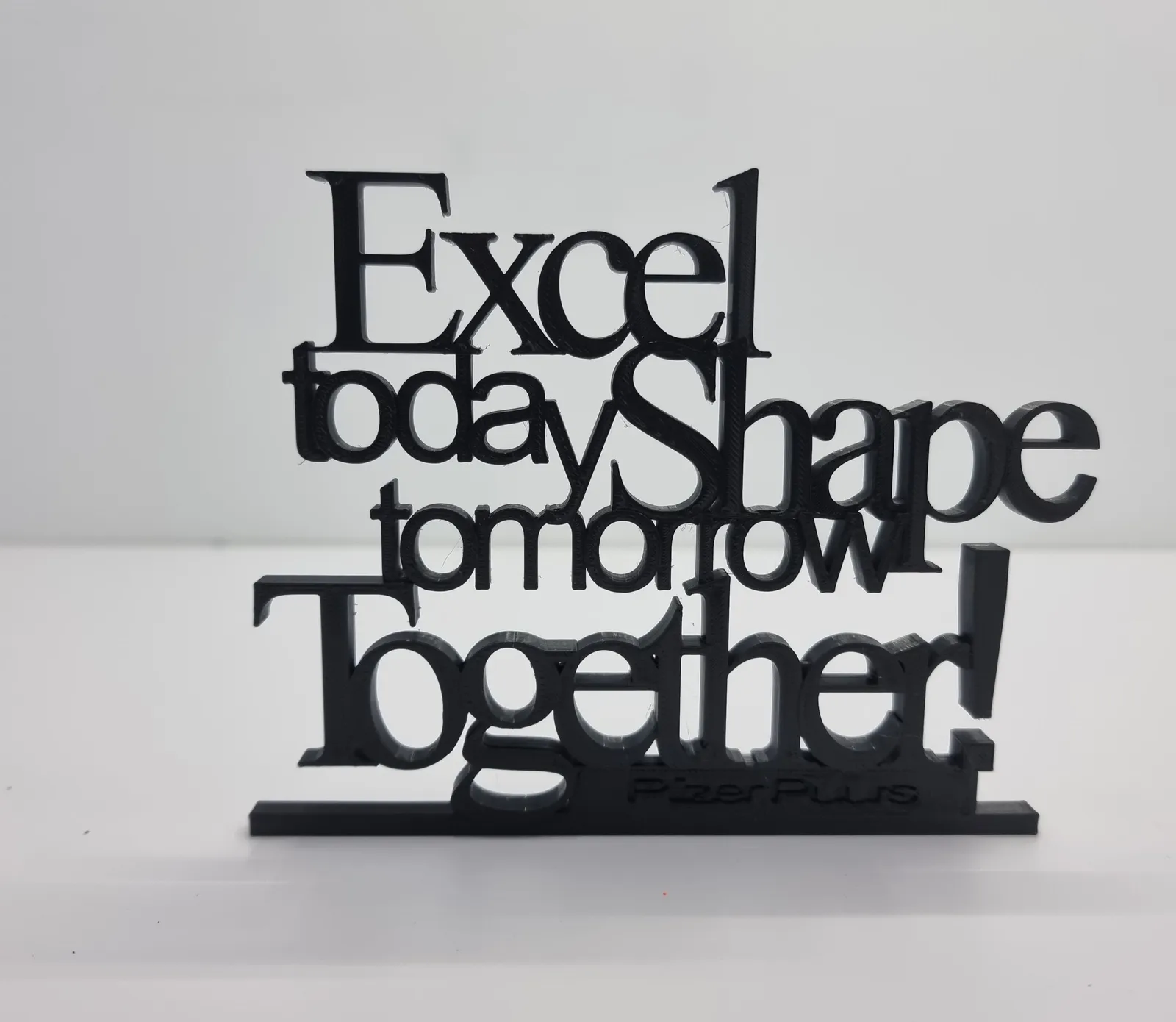
- Name signs and mottos. Letters that stand up on a base.
- Cable tidies. Keep chargers where you leave them.
The limit is fit. A stand has to match your device’s exact shape, so send the model name and, if you can, measurements. Our alarm clock stand turns a smart speaker into a twin-bell clock.
Gifts
A printed gift works when it is about the person: a lamp for a Christmas shelf, a tissue holder shaped like a Moai head, a figurine of their pet.
- Lamps. A thin white shade glows from inside, like our Christmas village lamp.
- Funny household pieces. A tissue holder with a bronze finish.
- Photos that glow. A lithophane shows a picture when lit from behind.
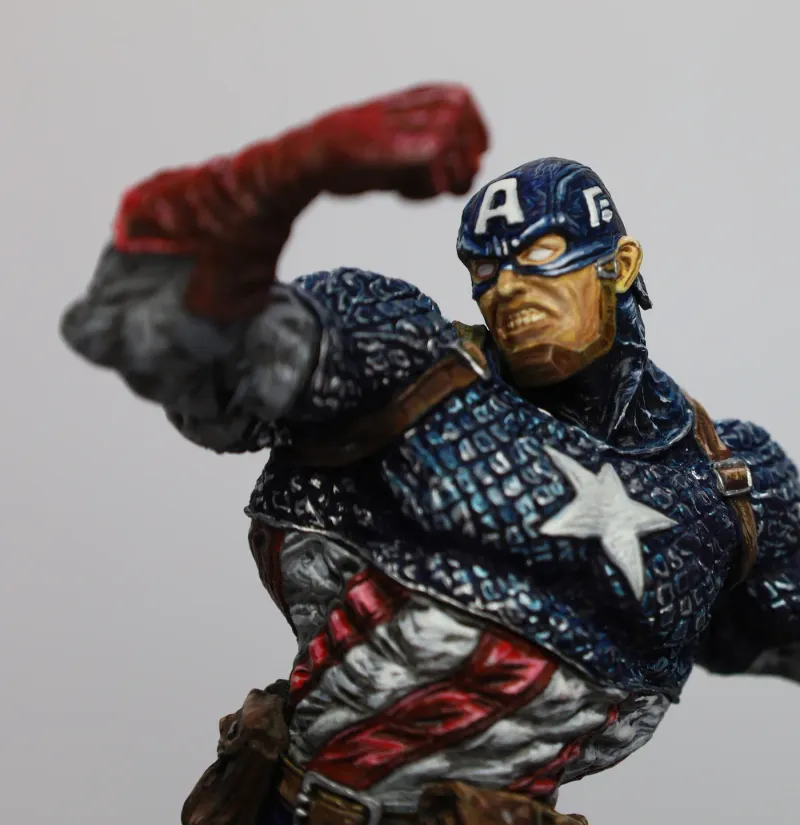
- Figurines. Of a person or a pet: see our custom figurines.
The limit is the finish. A filament print comes off the machine with visible layer lines, and sanding and painting is what hides them: see our finishing options.
School projects
A school project needs a thing that works by a date:
- Models. A building, a bridge or a vehicle.
- Test rigs. A holder or a frame for an experiment.
- Cases. A box for a small circuit board, like our Raspberry Pi case.
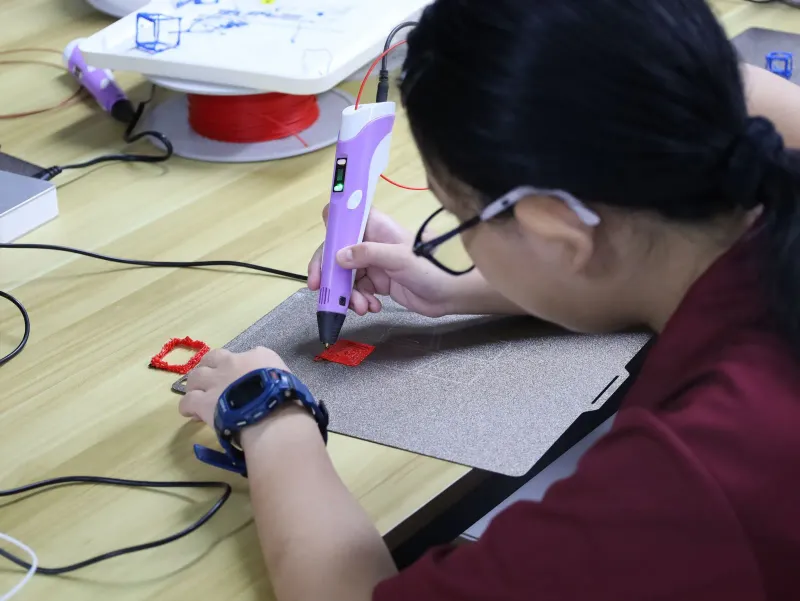
We printed a wind tunnel in bolted black sections for a golf ball test. For a class that wants to try before printing, a 3D pen lets students feel how layers build up, and our learning journey includes one.
Printing takes days, not hours, so start early. If you need weeks of printing, renting a printer can make more sense than paying per part.
Hobbies and cosplay
- Cosplay props. Swords and bullet props, printed in colour or in sections and painted.
- Tabletop miniatures. Resin holds fine detail, down to the size of a coin.
- Display stands. A base for a model or a logo.
Our cosplay page shows a curved sword in plain white, a full-length sword painted silver, gold and red, and bullet props printed in colour.
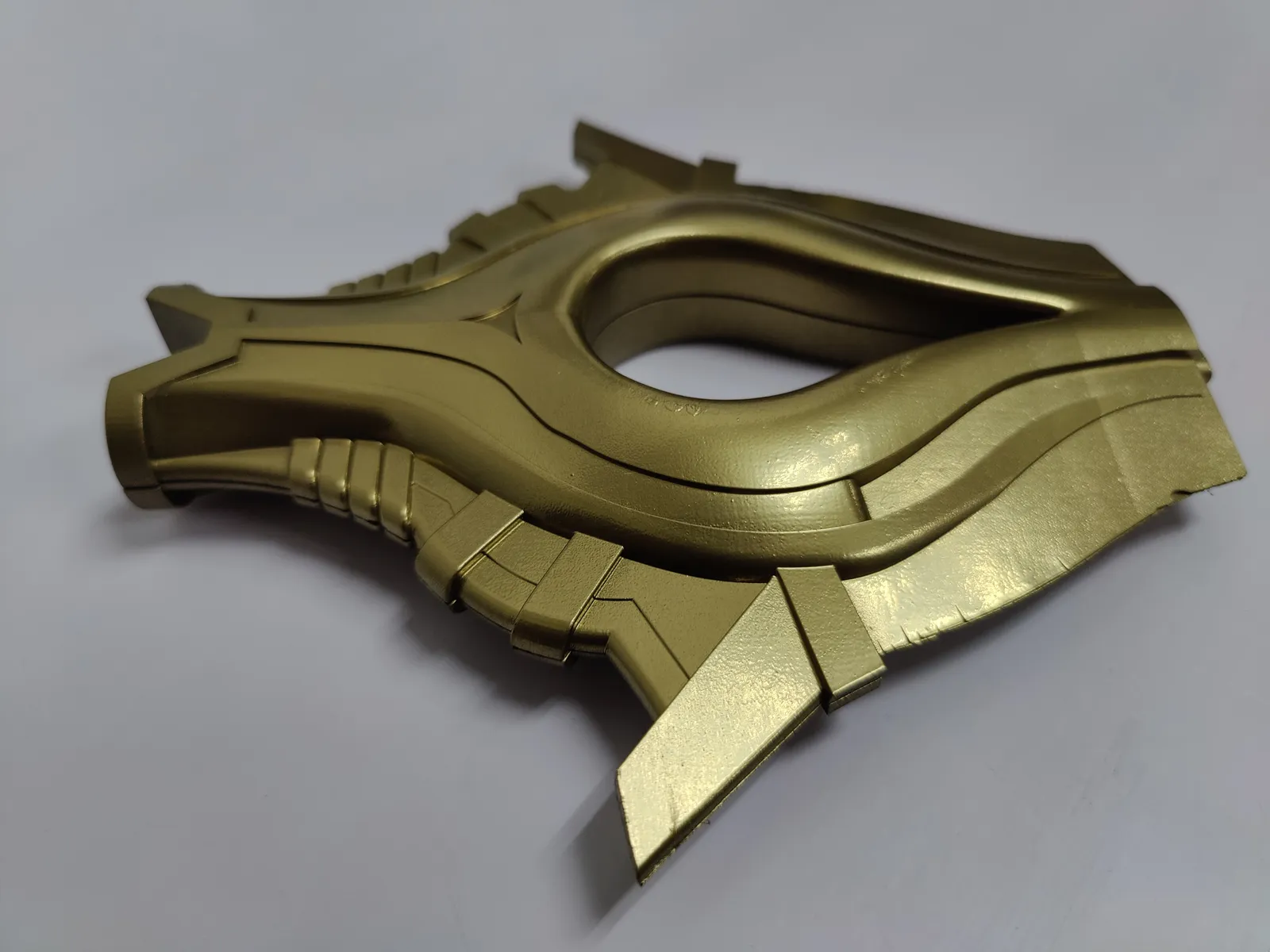
The limits: a long prop is printed in sections that join, so plan the joins, and a prop you wear needs a finish worth looking at. For painted figures, see our tabletop miniatures.
For a business
- Jigs and fixtures. Hold a part in the same place every time.
- Spare parts. A small batch of matching parts when the original is gone.
- Display and training pieces. A mannequin face for optician training, for example.
- Cases and covers. A fitted box for your own electronics.
We printed holding jigs that seat each electronic part the same way every time, and a batch of small bowling machine spares in matt black so every piece matches the next.
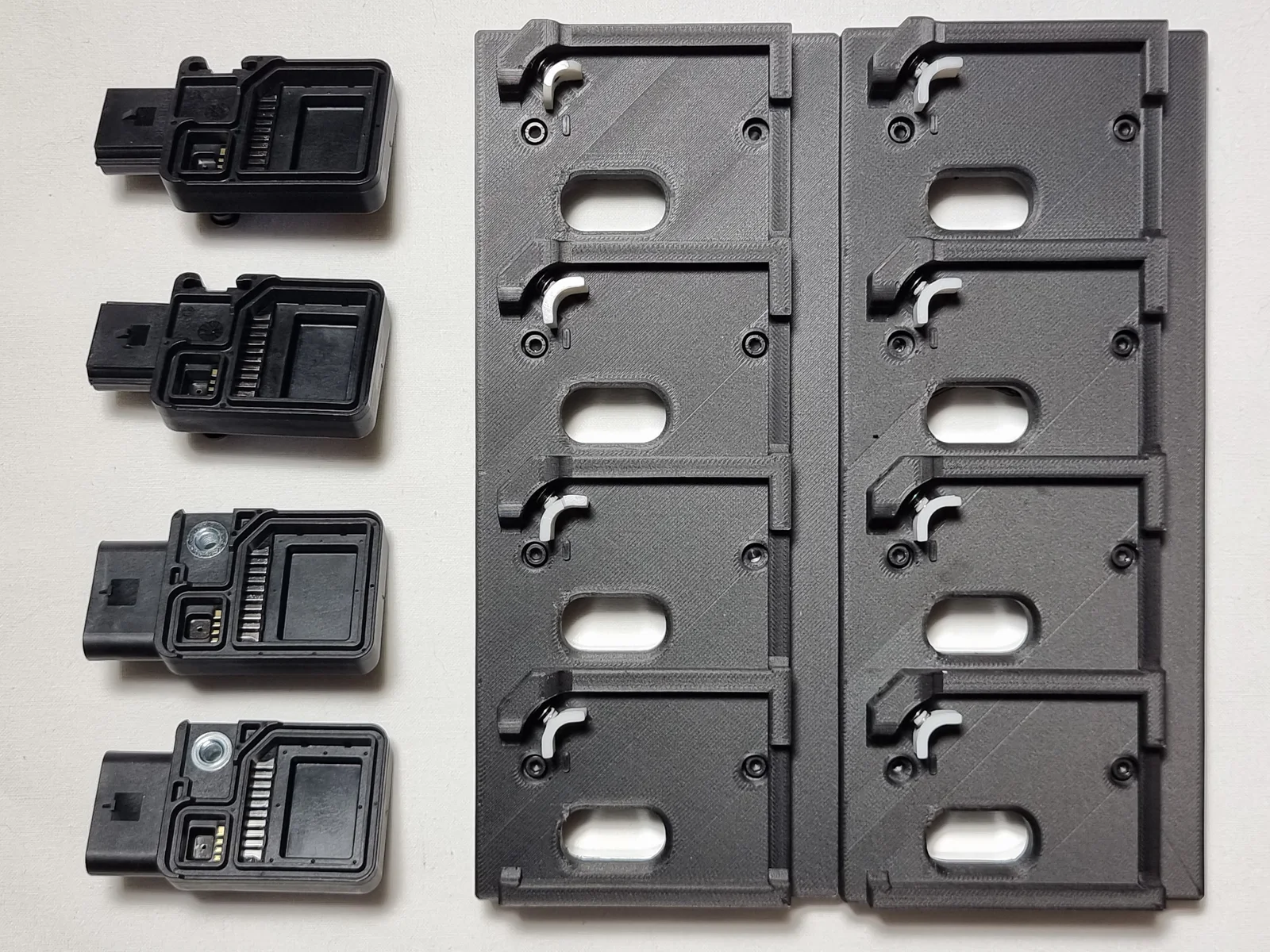
The limit is accuracy. When a dimension has to hold to ±0.05 mm, CNC machining is the better route, and we say so.
Where to find free files
You do not need to design everything. Free libraries hold ready-made models, and our guide to free 3D files explains where to look, how to check one will print, and what a licence lets you do. Look at other people’s prints of a file first.
Printing it: three ways
- At home. Buy a printer from our printer store or read which printer to buy. You need a table, time to learn it and patience for the first failed prints.
- Rented. Book a printer for 5 days or more and collect it from our studio: see renting a printer.
- By us. Upload the file for a price. It is priced by size and quantity, and the price list is public.
Where these facts come from
The ideas and the examples come from our own project pages, which describe what we printed. Nothing here is a price or a lead time.
- Our projects: pegboard holder, wall planters, modular storage, pen holders, alarm clock stand, Moai tissue holder, Christmas village lamp, Raspberry Pi case, wind tunnel, cosplay swords, tabletop miniatures, holding jig, bowling spares and mannequin face.
- Our guides on finishing, heat and sun, free files, renting a printer and where to print.
- Our 3D printing service page for the machining limit.
Frequently asked
What is the easiest thing to 3D print first?
Something small, flat and plain, like a hook, a clip or a desk organiser. It prints quickly, needs no supports and shows quickly whether the size is right. Print one before you print a set.
What useful things can you 3D print?
Holders, hooks and clips for tools and cables, stands for devices, spare knobs and covers, and cases for circuit boards. Most are small parts sized to something you already own, so measure that thing first.
Can I sell what I 3D print?
If you drew the file yourself, yes. If you downloaded it, only if its licence allows it: a licence with NC (non-commercial) in its name rules selling out. Our free files guide explains the common licences.
How long does a 3D print take?
It depends on the size and the detail of the part. For our own turnaround, see our guide on how long an order takes.
Can I 3D print something for food?
Not by default. Our standard prints are not made for food contact. If a part will touch food, tell us before it is printed and we will say what can be done.
Will a 3D printed part survive a hot car?
It depends on the filament, and the common beginner filament can sag in heat. Tell us where the part will live and we will say which filament to use.
Do I need a 3D printer to try these ideas?
No. You can rent a printer for 5 days or more, or upload a file and we print it. A printer at home is worth it only when you will use it often.
What if I have no 3D file?
Search a free library for a ready-made one, or send us a sketch, a photo or the broken part. If you want the first, read our free files guide; if the second, ask us.
Related
-
 GuideWhere can you get free 3D files to print?
-
 GuideShould you rent a 3D printer in Singapore, and how does it work?
-
 GuideWhat is a 3D pen, and is it the same as a 3D printer?
-
 ServiceIndustrial 3D Printing
-
 ServiceCustom 3D Figurines
-
 Service3D Modelling, CAD and 3D Scanning
-
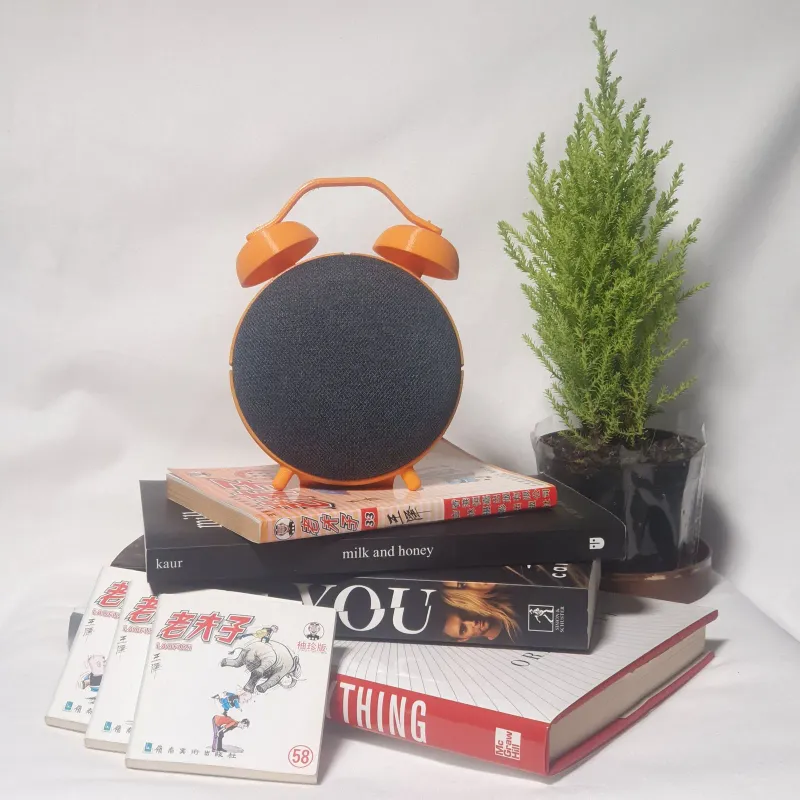 Project3D printed alarm clock stand for the Google Nest Mini
-
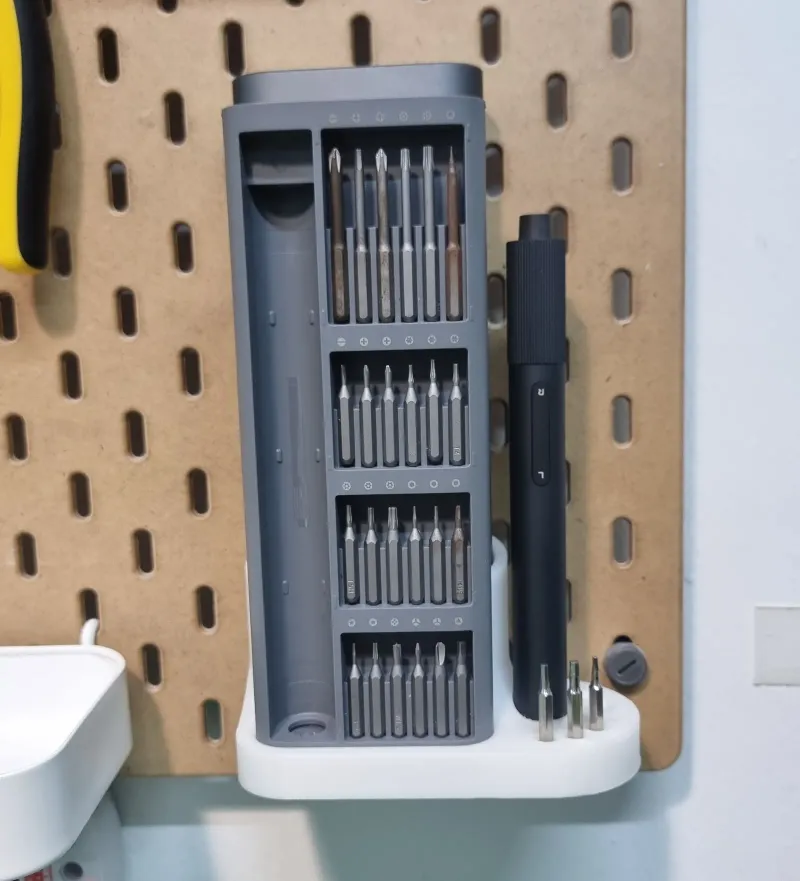 ProjectPegboard holder for a precision screwdriver set
-
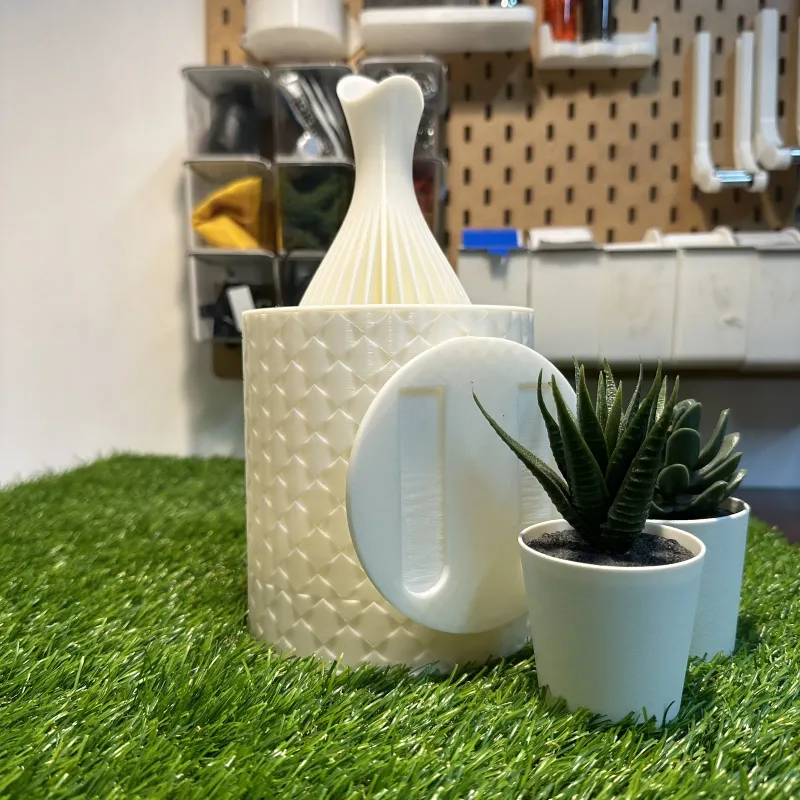 Project3D printed wall planters