

CNC Machining
When the part needs to be solid metal, plastic or hardwood, whether aluminium, steel, titanium, brass or walnut, CNC delivers tolerances and surface finish that 3D printing can't.
- PriceSee pricing guide
- Lead time5 to 7 working days
- QuoteSame business day
Same-day reply. No obligation.
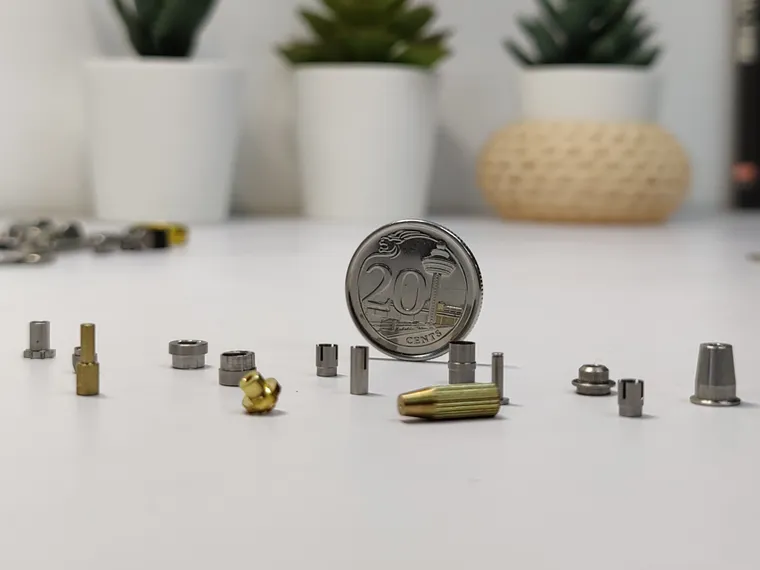


What we make
- 01
Aluminium parts
Structural brackets, fixtures, prototype enclosures in 6061/7075
- 02
Steel parts
Stainless 304 and 316, mild steel and tool steel for parts that take wear
- 03
Brass hardware
Premium hardware, decorative trim and signage badges
- 04
Engineering plastics
POM, nylon, PTFE, PC, ABS, acrylic and PP
- 05
Hardwood casings
Teak, walnut, oak for premium product casings, fixtures
Selected work
Read first
-
 What is CNC machining, and when should you use it?
-
 Which CNC machining material should your part be made in?
-
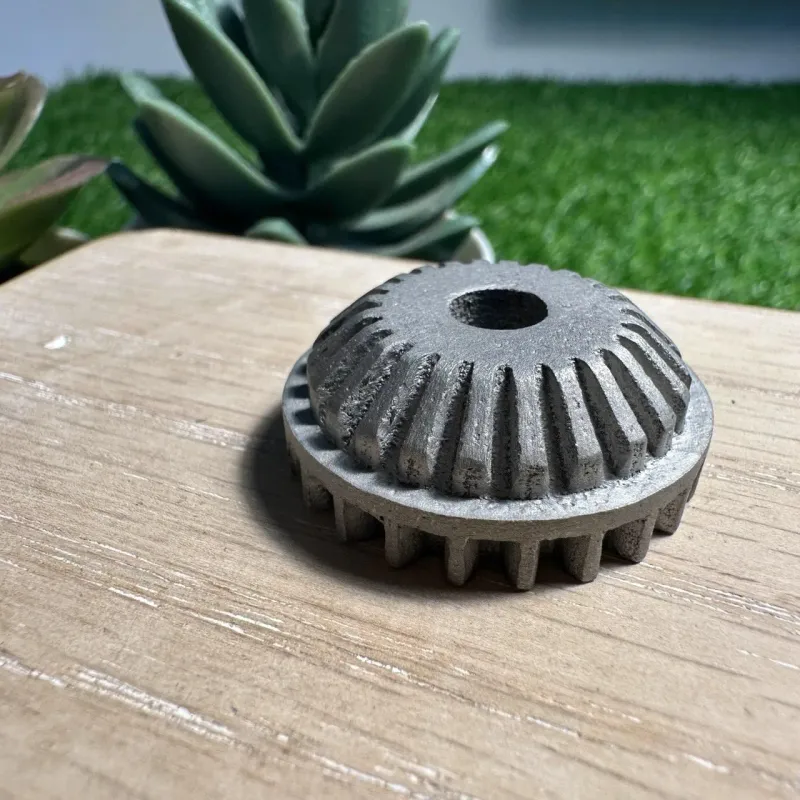 Metal 3D printing or CNC machining: which does your part need?
-
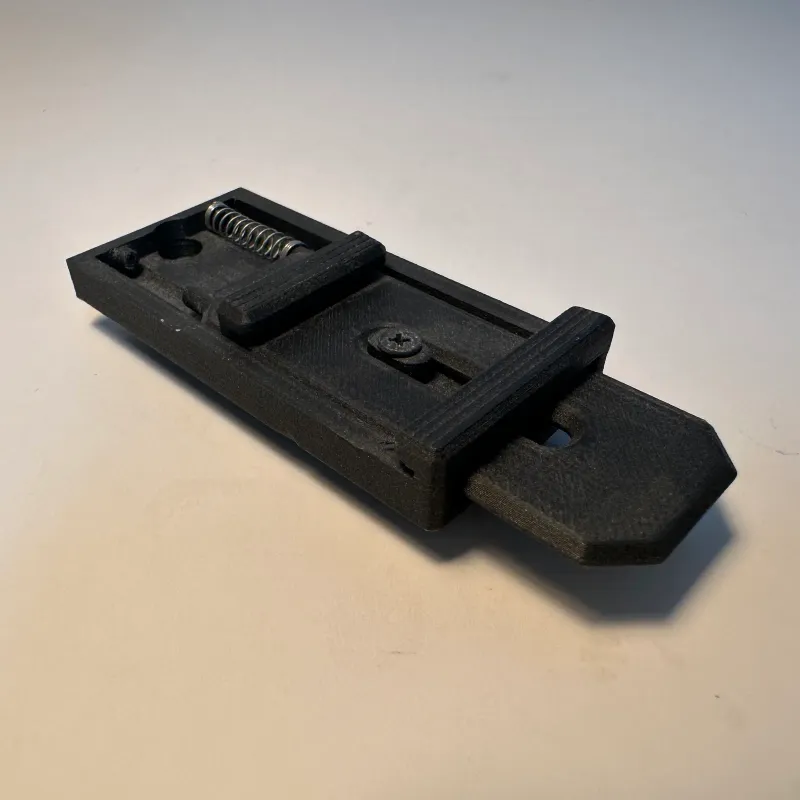 How much clearance do 3D printed parts need to fit together?
-
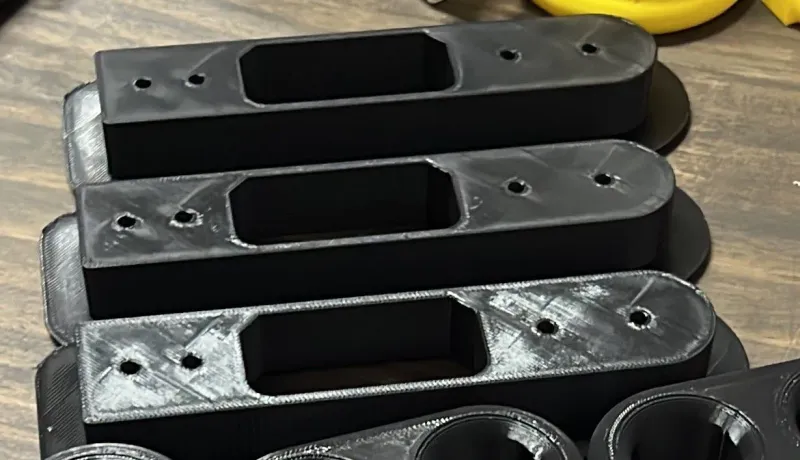 How do you put metal threads or magnets in a 3D print?
-
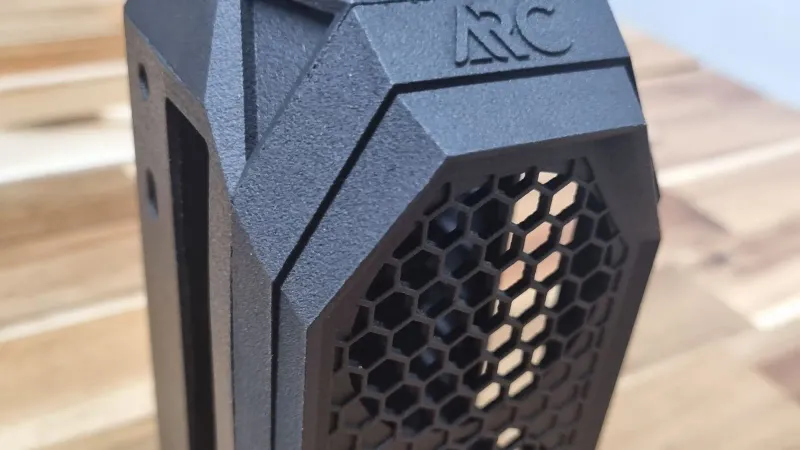 FDM, SLA, SLS, MJF or metal: which 3D printing process suits your part?
-
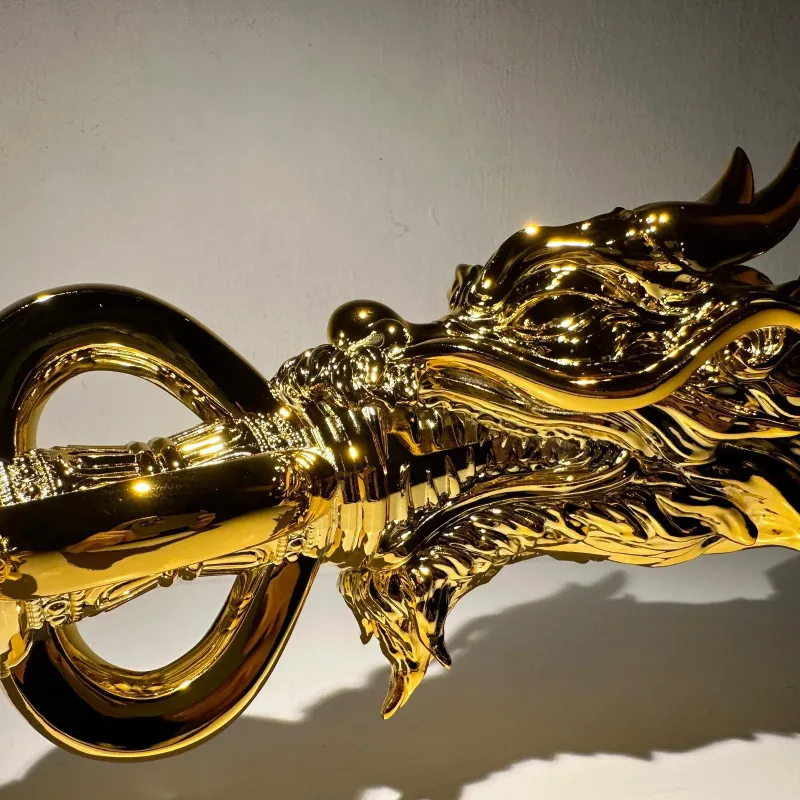 Electroplating colours and finishes
3D printing is brilliant for shape and complexity. CNC wins on material and tolerance. When you need a part to be actual metal with precise dimensions, fused deposition modeling (FDM) and stereolithography (SLA) can’t compete.
What we machine
- Aluminium (6061, 7075) for structural brackets, fixtures, enclosures and prototype housings
- Steels (S45C medium carbon, Q235 mild, D2 tool steel) for shafts, pins, base plates and wear parts
- Stainless steel (304, 316) for housings and parts that live somewhere wet
- Brass for premium hardware, decorative trim and signage badges
- Titanium and magnesium alloys for parts that must be light and strong
- Engineering plastics (Delrin/POM, nylon PA6, ABS, acrylic, PC, PP, PTFE, Bakelite) for low-friction wear parts, clear covers, insulators and jigs
- Hardwoods (teak, walnut, oak) for premium product casings and fixtures
We’re built for prototype and small-batch work of 1 to 50 units, not mass production. CNC parts fold into the same job as your 3D printing, finishing and assembly, quoted and delivered by one team. When a run genuinely needs high-volume precision-engineering tooling, we’ll tell you and point you to the right shop.
When CNC beats 3D printing
- The part is load-bearing and metal is the right answer
- You need ±0.05mm tolerance on mating surfaces
- The volume is up to 50 units and each one matters
- Surface finish from machining is part of the design intent (polished aluminium, brushed brass)
When 3D printing wins instead
- Complex internal geometry that’s machine-impossible
- Quick prototype iteration where a CNC lead time of about a week is too slow
- Single-unit demonstration parts where appearance matters more than mechanical strength
How to spec a CNC job
Send a STEP file with tolerances called out where they matter. We’ll respond with a quote and any DFM (design-for-manufacturability) flags within the same business day. Need the part designed first? See product development.
What's included
- 3-axis milling
- Turning for round parts, on request
- Aluminium 6061, 7075
- Steels: S45C medium carbon, Q235 mild, D2 tool steel
- Stainless steel 304, 316
- Brass
- Titanium alloy, magnesium alloy
- Hardwoods (teak, walnut, oak)
- Engineering plastics (Delrin/POM, nylon PA6, ABS, acrylic, PC, PP, PTFE, Bakelite)
- Tolerances to ±0.05mm
How we make it
-
CAD & DFM review
Send a STEP file with critical tolerances called out. We flag deep pockets, sharp inside corners, undercuts and any geometry that costs more than it should.
-
Material selection
Aluminium 6061/7075, steel, stainless 304/316, brass, titanium, magnesium, engineering plastics or hardwoods. We pick stock that matches the application's mechanical and aesthetic spec.
-
Toolpath programming
CAM programming with the right tooling, feeds, and speeds for the material and surface finish you need.
-
CNC machining
3-axis milling with tolerances down to ±0.05mm. Cutting fluid, climb cuts, and finish passes for a clean surface straight off the machine.
-
Inspection & finishing
First-article inspection with digital calipers and pin gauges. Optional bead blast or anodising (black is the usual colour) before delivery; ask us for any other finish.
Frequently asked
How much does CNC machining cost in Singapore?
CNC parts are priced per part, with the final price set by material, size and complexity. Send a STEP file with your critical tolerances called out and we return a quote plus any design-for-manufacturability flags within the same business day. For a batch, check with us for volume pricing.
What materials can you CNC machine?
We machine aluminium 6061 and 7075; S45C medium carbon steel, Q235 mild steel and D2 tool steel; stainless steel 304 and 316; brass; titanium and magnesium alloys; the plastics Delrin (POM), nylon (PA6), ABS, acrylic, PC, PP, PTFE and Bakelite; and hardwoods such as teak, walnut and oak. Aluminium suits structural brackets and prototype enclosures, steels take wear and load, stainless handles wet places, brass works for premium hardware and signage badges, and the plastics handle low-friction wear parts. We pick stock that matches both the mechanical and the aesthetic spec of your part.
How tight a tolerance can you hold on CNC parts?
We hold tolerances down to plus or minus 0.05mm on 3-axis milling, which is why CNC beats FDM and SLA when mating surfaces have to fit. Metals hold that most easily; plastics and woods move a little with heat and moisture, so we confirm what they can hold. Every job gets first-article inspection with digital calipers and pin gauges before it leaves the studio. Call out the tight dimensions on your STEP file so we tool and program for them specifically.
What file do I send and how long does a CNC job take?
Send a STEP file with the critical tolerances marked, and we reply with a quote and any DFM flags the same business day. As a rough guide, a normal-size part takes about 5 to 7 working days once the design is confirmed; bigger parts, harder metals and anodising add time, so check with us if you have a deadline. For fast prototype iteration, 3D printing is often the better call. Collect from our studio at 994 Bendemeer Road or we courier islandwide.