

Vacuum casting and injection moulding, from master to run.
We 3D print masters, make silicone moulds and cast small parts in Bendemeer, Singapore, and deliver vacuum-cast and injection-moulded runs.
- Start fromA sample, a drawing or CAD
- QuantityA few casts to a moulded run
- QuoteSame business day
Send a photo or a 3D file of the part, with how many you need. Have print-ready CAD? Price the master instantly.
What we cast and mould
Additive Inn is a studio in Bendemeer, Singapore, that 3D prints masters, makes moulds and casts small parts, and delivers larger cast and moulded runs. Past work includes an injection-moulded canard sleeve for ST Engineering, a 3D printed cement planter mould for Vault 7, Jesmonite awards for Workforce Singapore and layered teal peaks for *SCAPE's film award trophies.
- 01
Vacuum casting
Resin and rubber parts cast in silicone moulds from a 3D printed master, for short runs with no steel tooling.
- 02
Injection moulding
Plastic parts moulded in a machined tool, for runs from about 500 identical units.
- 03
Casting and moulds
Jesmonite and resin casts, and printed moulds and formwork for awards, decor and cement.
Our work, by type
Jump to another kind of work
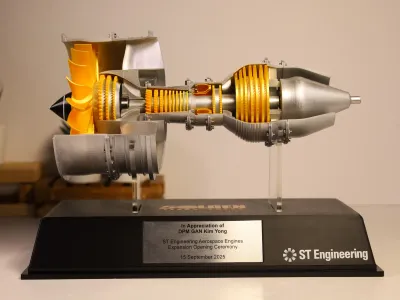 Trophies & gifts
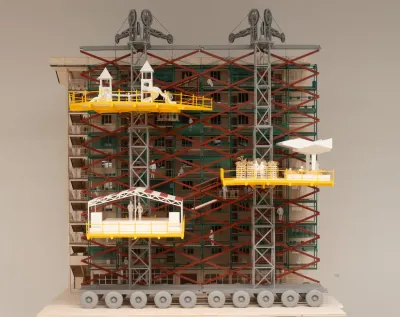 Scale models
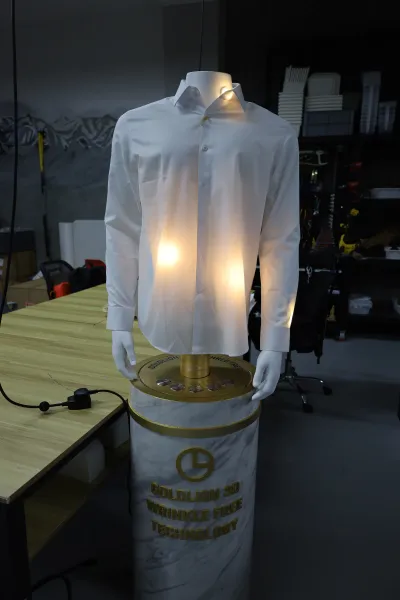 Product development
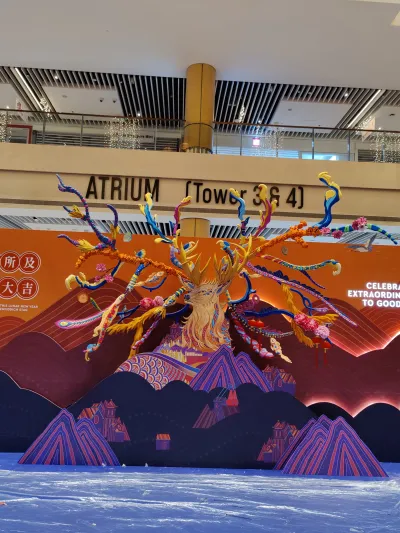 Art installations
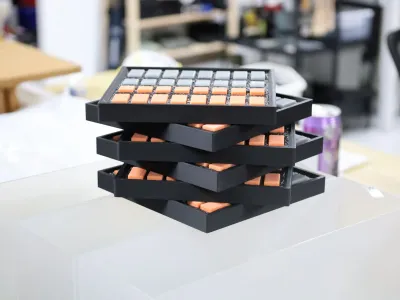 Production runs
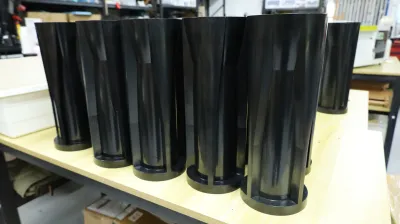 Vacuum casting & injection moulding
Vacuum casting and silicone moulds
Resin and rubber parts cast in silicone moulds, and the moulds themselves.
-
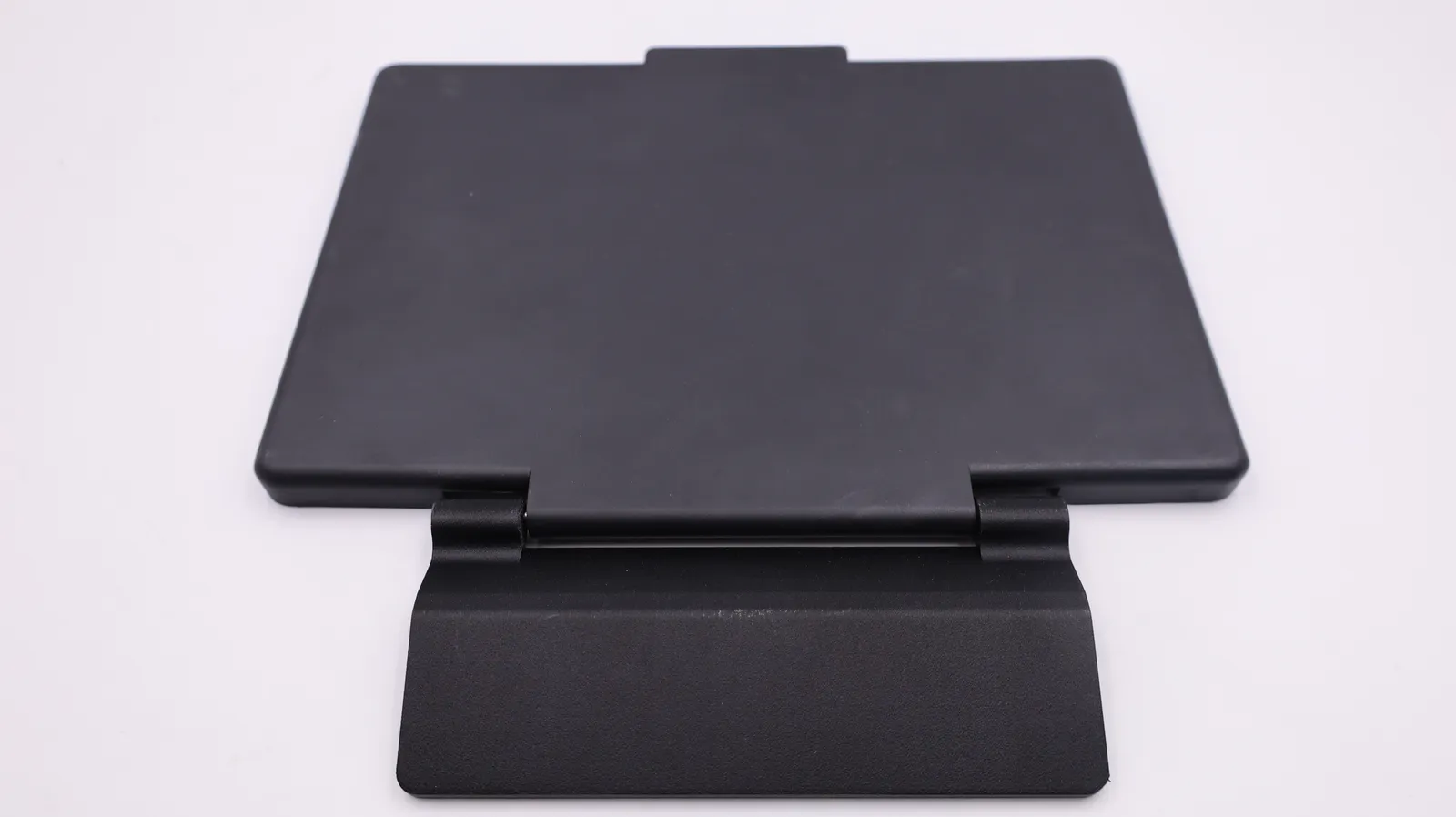 AcmedialVacuum-cast TPU screen protector for AcmedialA flip-up screen cover for a Dualto unit, designed in 3D, proved on a printed prototype and vacuum-cast in soft black TPU.
-
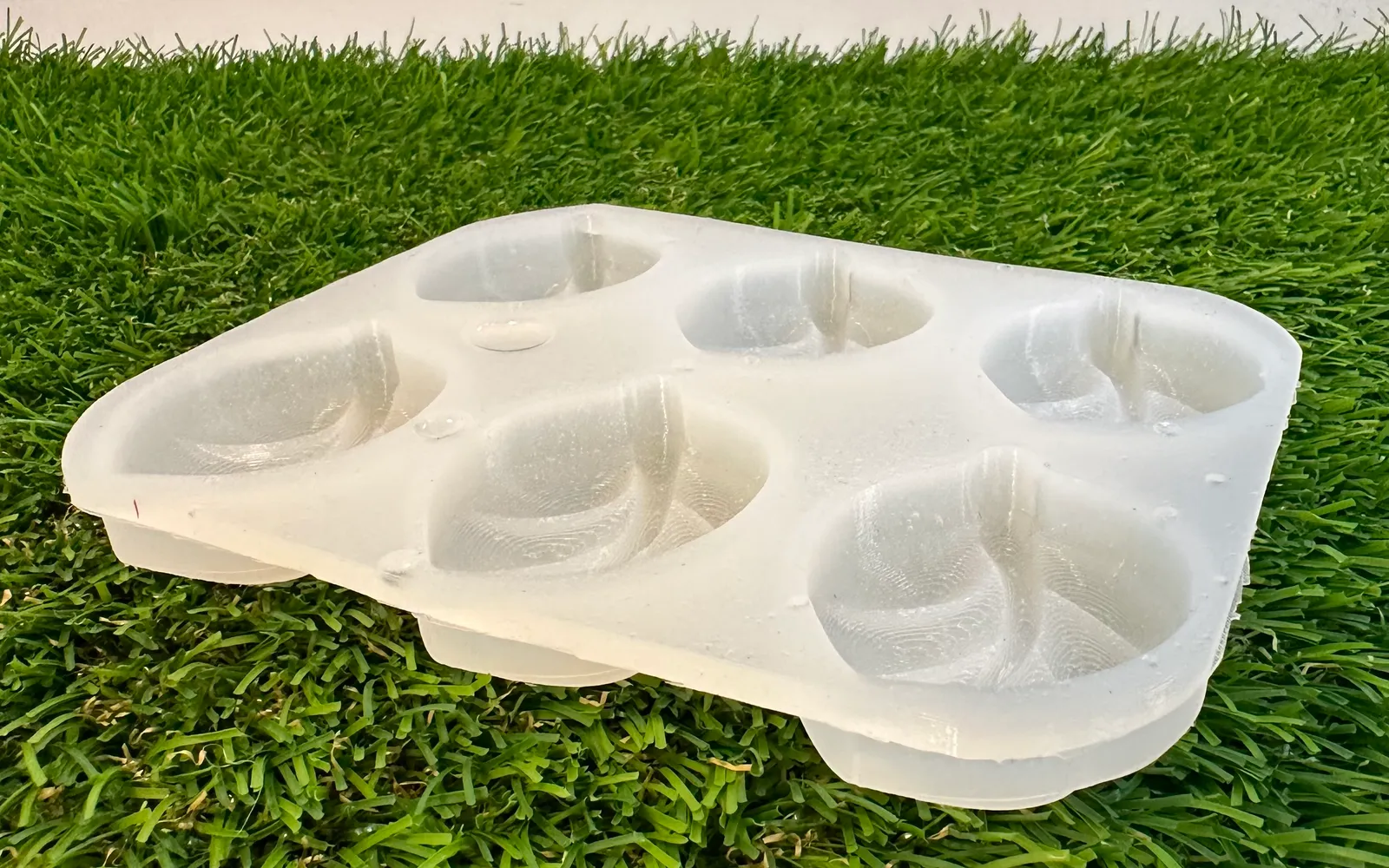 Four One ElevenSix-cavity silicone leaf mould for Four One ElevenA reusable silicone mould with six leaf cavities, so one pour casts six identical leaves, each with its veins and stem.
-
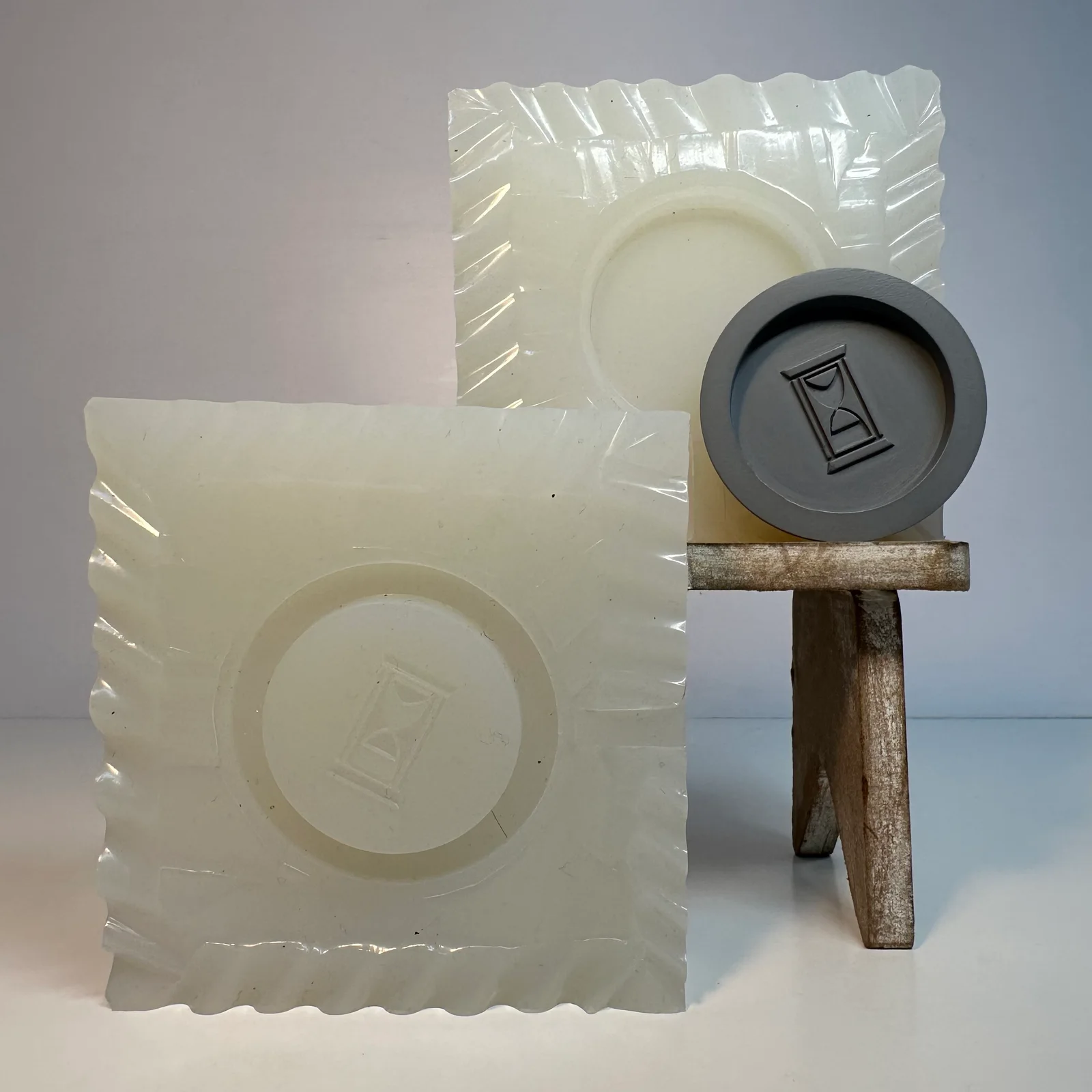 Silicone mould for a round hourglass emblemA translucent silicone mould in two halves, taken from a 3D printed master that carries a round hourglass emblem in fine relief.
-
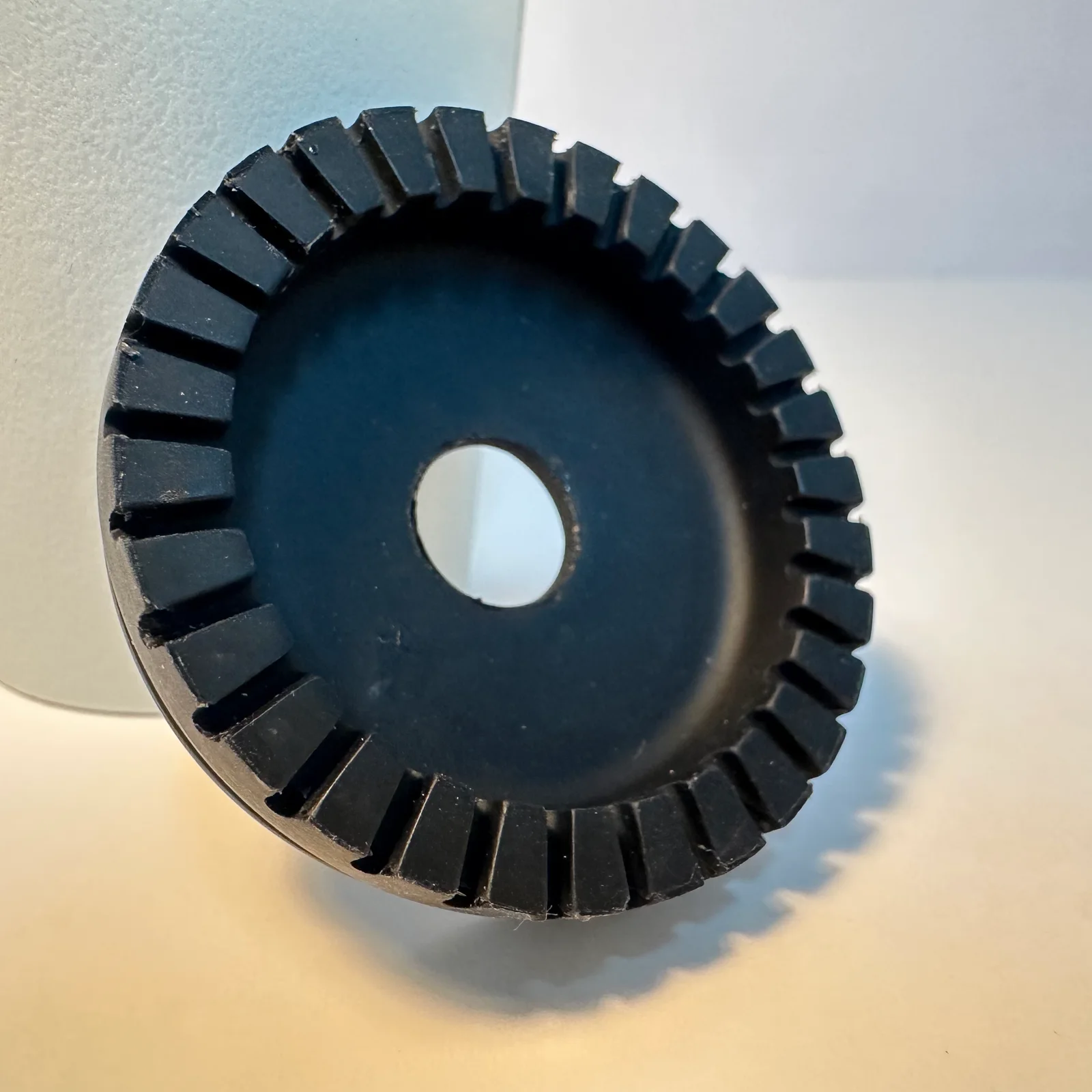
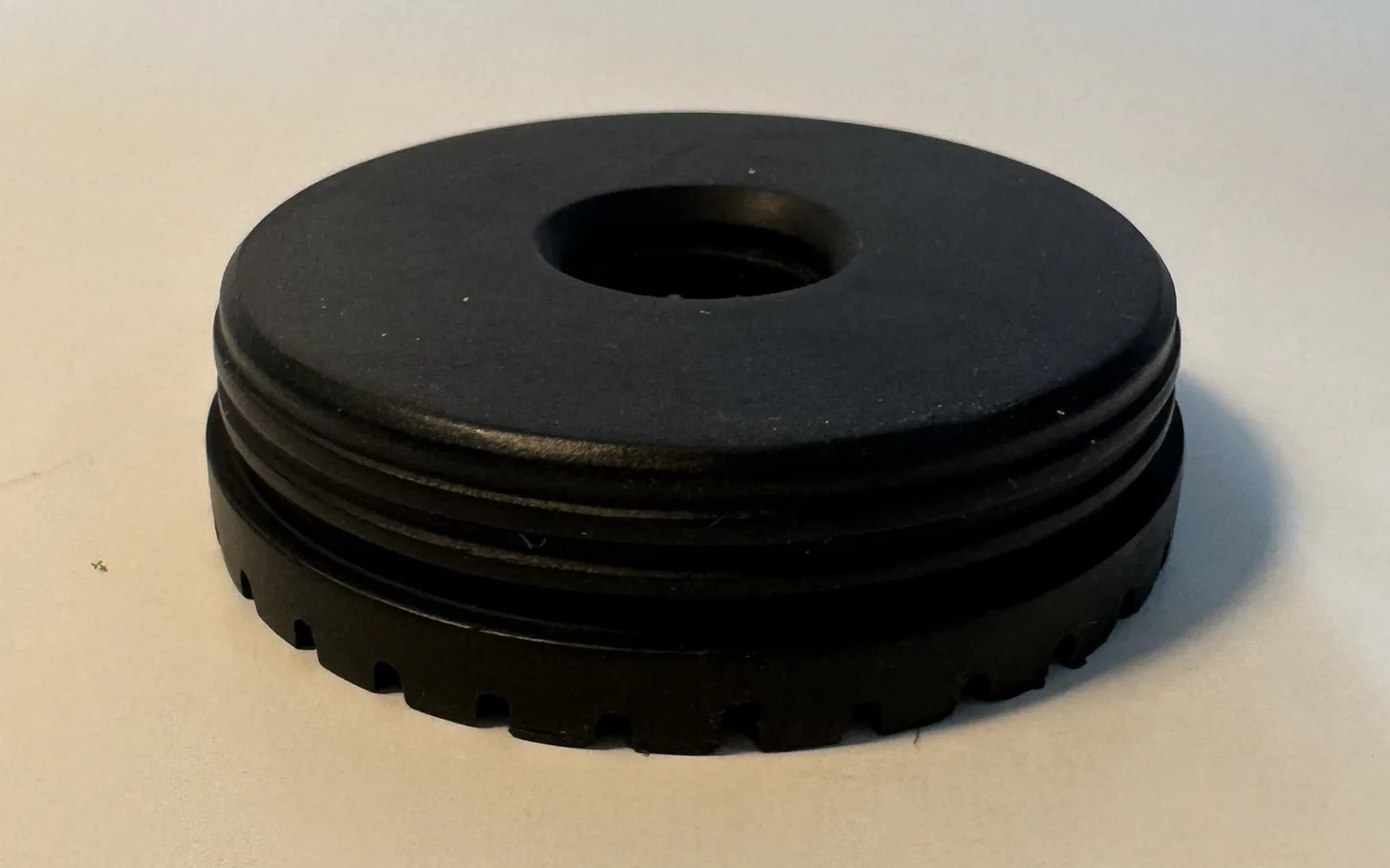 Cast rubber grommetA small rubber grommet cast in polyurethane rubber in a mould, with its ribs, teeth and central bore crisp.
Cast awards and decor
Jesmonite and resin casts for awards, planters and gifts.
-
 Workforce Singapore (WSG)WSG Workforce Resilience Awards trophiesEMERGE awards for Workforce Singapore's Workforce Resilience Awards: marbled Jesmonite letters, two purple peaks for the M and an engraved brass plate.
-
 *SCAPECustom film award trophies for *SCAPETrophies for *SCAPE's 8th National Youth Film Awards in 2022: layered teal peaks on a white tower, a gold disc and each winner's plate.
-
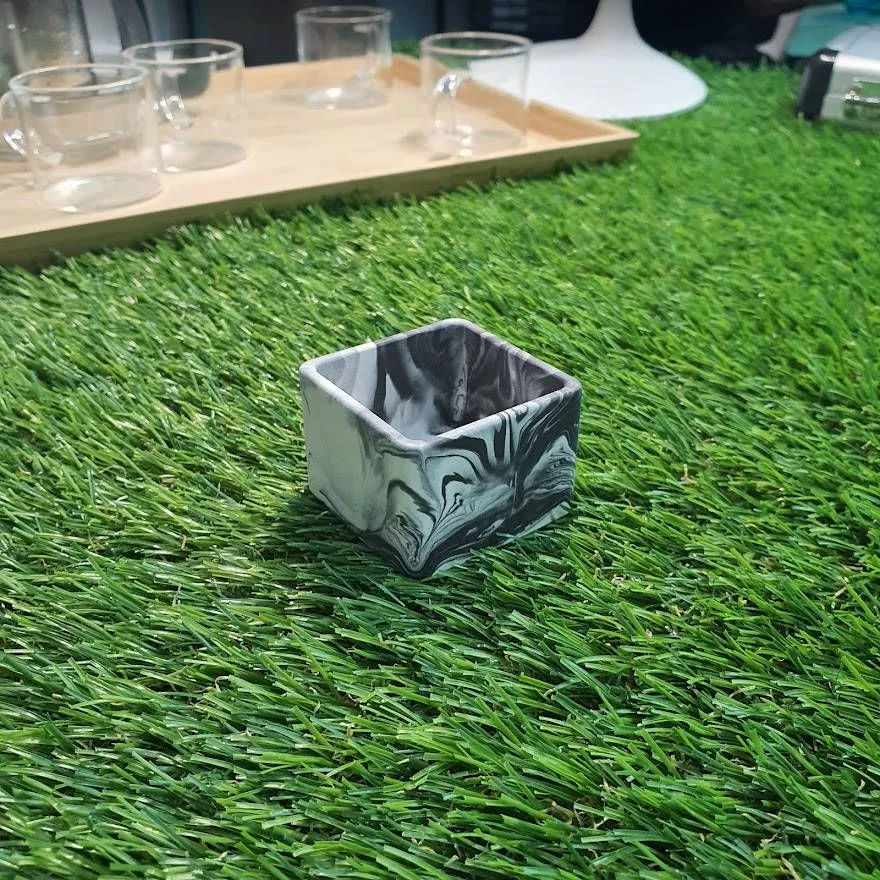 Marbled Jesmonite planters and cupsSmall planters and cups we cast in Jesmonite as our own samples, each with a marble swirl of its own.
Injection moulding and printed moulds
Machined tools for moulded runs, and 3D printed moulds for casting cement.
-
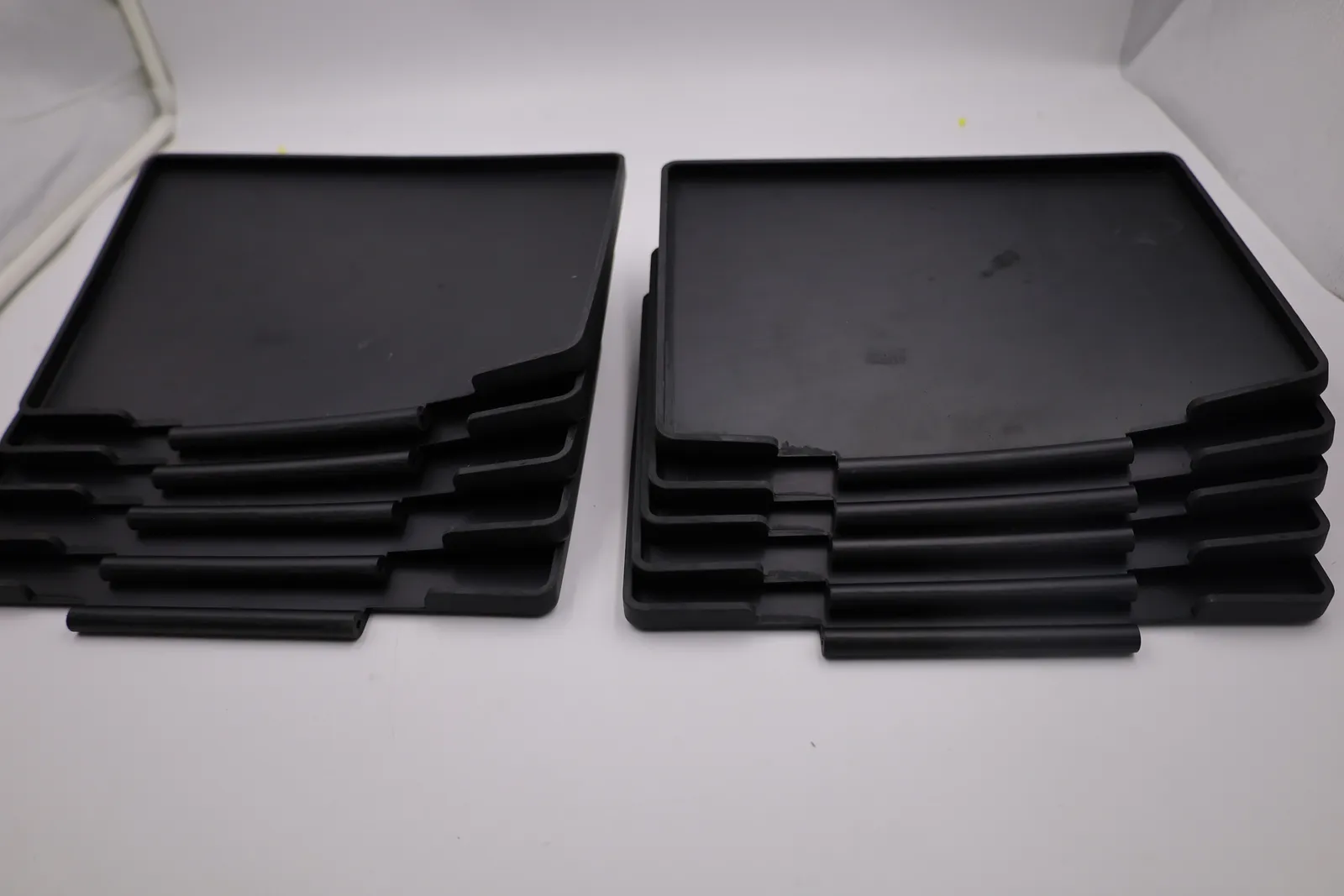
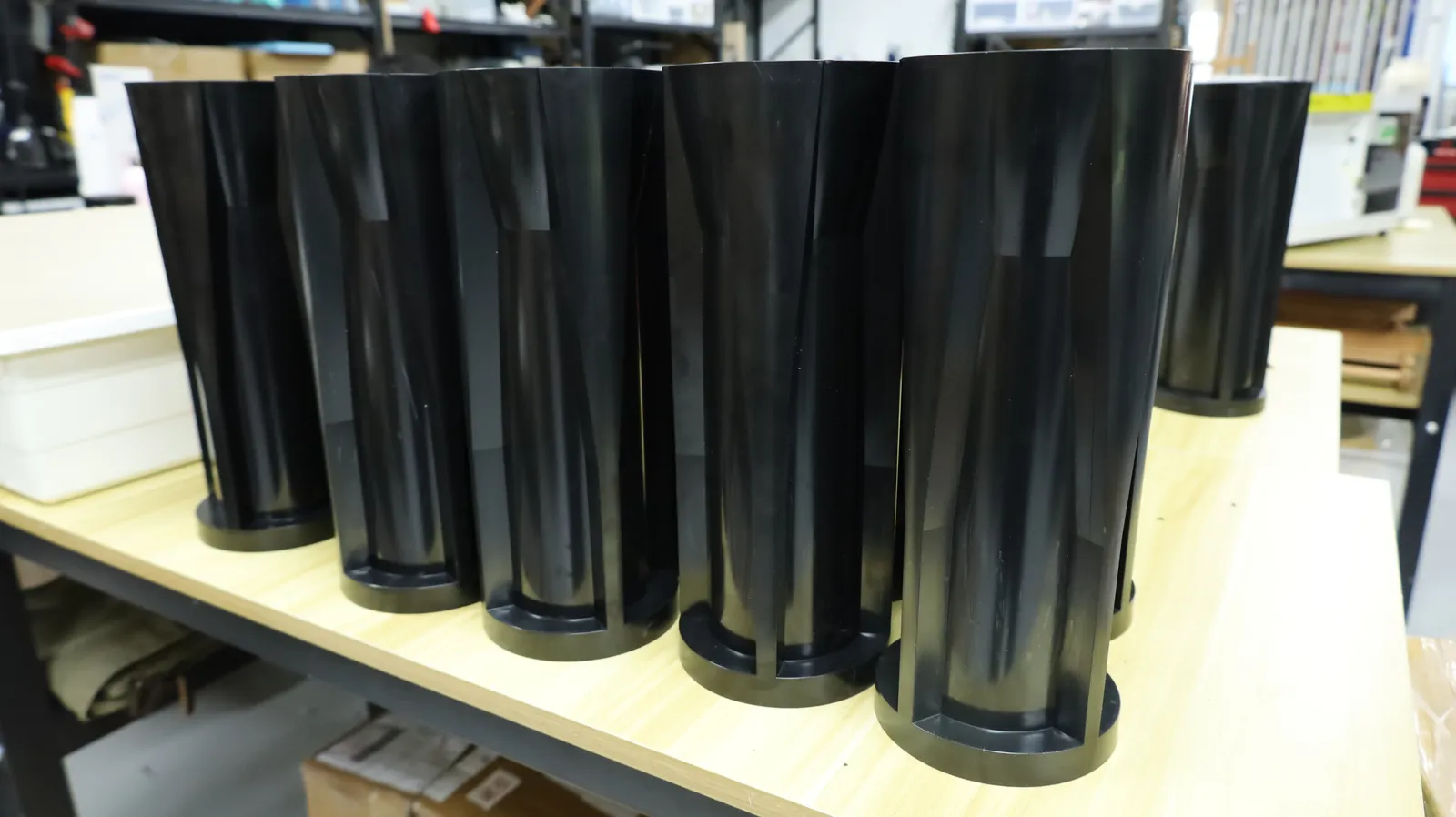 ST EngineeringInjection-moulded canard sleeve for ST EngineeringA black injection-moulded sleeve for ST Engineering's storage canister: designed for moulding, mould made and samples measured, ahead of production.
-
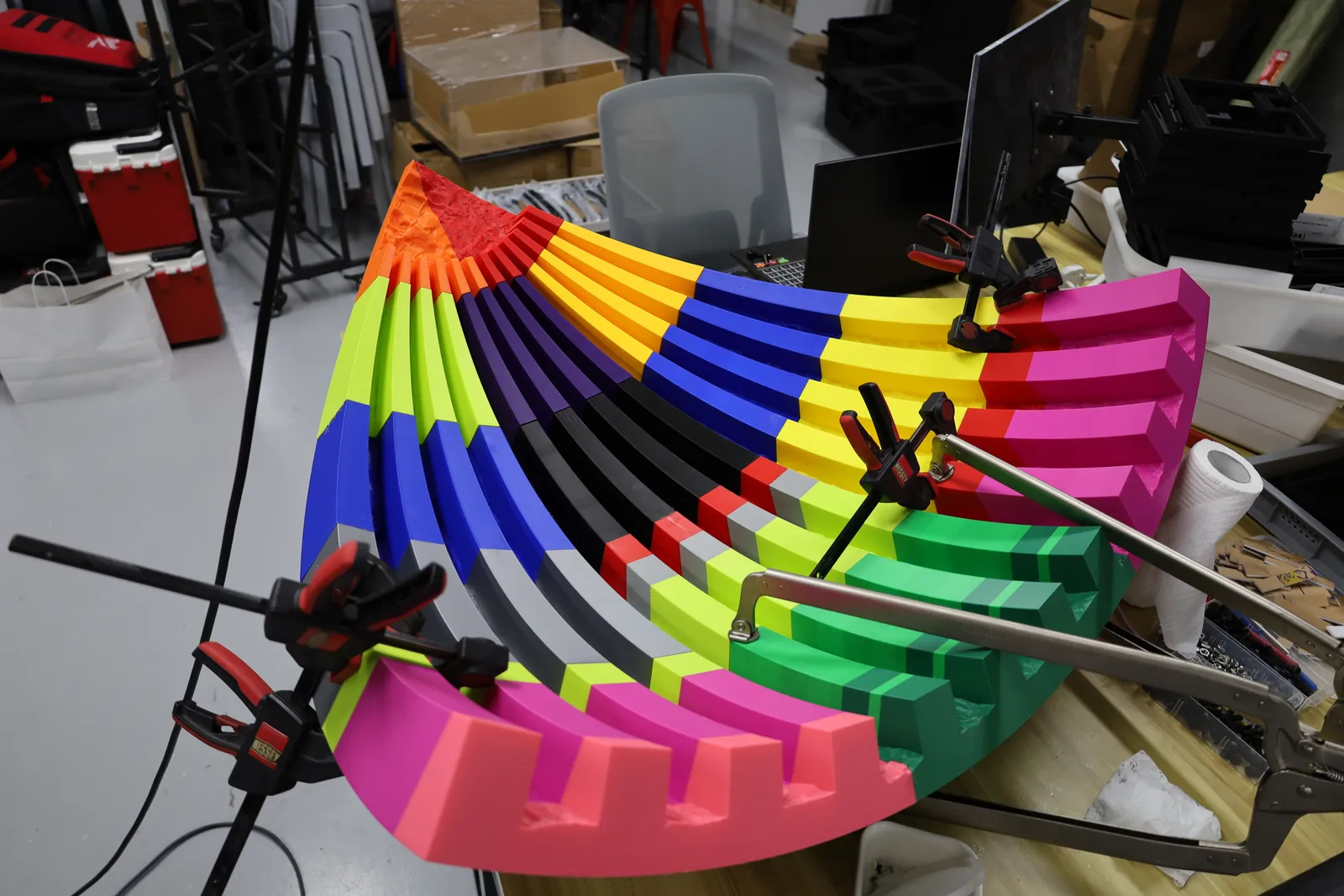 Vault 73D printed cement planter mould for Vault 7A ribbed, rock-textured corner mould and matching texture strips, 3D printed for Vault 7 to cast a curved cement planter box.
How a cast or moulded part is made
- 01
Part and quantity
Send a sample, a drawing or a CAD file, with how many you need and the material.
- 02
Master and design
We model the part for moulding and 3D print and finish the master.
- 03
The mould
A silicone mould for vacuum casting, or a machined tool for injection moulding.
- 04
First samples
First casts or moulded parts you check and approve before the run.
- 05
Run and checks
The run is cast or moulded to the approved sample, then trimmed, checked and delivered.

Have a part to cast or mould?
Send a photo or a 3D file of the part with the quantity and material, and we'll tell you the best way to make it.
Use the bar below to WhatsApp us or send a brief. We reply the same business day.
Frequently asked questions
What is the difference between vacuum casting and injection moulding?
Vacuum casting pours resin or rubber into a silicone mould made from a 3D printed master, so it suits short runs with no steel tooling. Injection moulding shoots plastic into a machined steel or aluminium mould, which costs more to make but brings the price per part right down for large runs.
How many parts make sense for each process?
Vacuum casting suits a handful of parts up to a few hundred from one master. Injection moulding takes over from about 500 identical units, when the cost of the tool is spread across the run.
Can you make the master and the mould for me?
Yes. We model the part, 3D print and finish the master and make the silicone mould. We cast small parts ourselves and deliver larger vacuum-cast runs. For injection moulding we prepare the design for moulding and deliver the tool, the first samples for your approval and then the run.
Which materials can be cast or moulded?
Rigid, rubber-like and clear polyurethane resins, silicone and Jesmonite for vacuum casting and casting, and plastics such as ABS, PP, PC-ABS and HDPE for injection moulding. Every part is checked before delivery.
How much does a moulded part cost?
It depends on the part, the material and the quantity, and the price per piece falls as the run grows. Our pricing guide has the current rates.
Can you sign an NDA?
Yes. We keep your parts and files private and can sign a non-disclosure agreement before you send drawings or samples.