

Which 3D printer should you buy in Singapore?
On this page
- Which 3D printer to buy: every model at a glance
- The best 3D printer for beginners: A1 mini or A1
- Big prints without an enclosure: the A2L
- ABS and ASA: you need an enclosed P1S or P2S
- Nylon, two materials or big parts: the X2D or the H2 series
- Multi-colour printing: add an AMS now or later
- Price and space: plan for both before you choose
- Printing less than once a week: rent a printer or order the prints
- Frequently asked
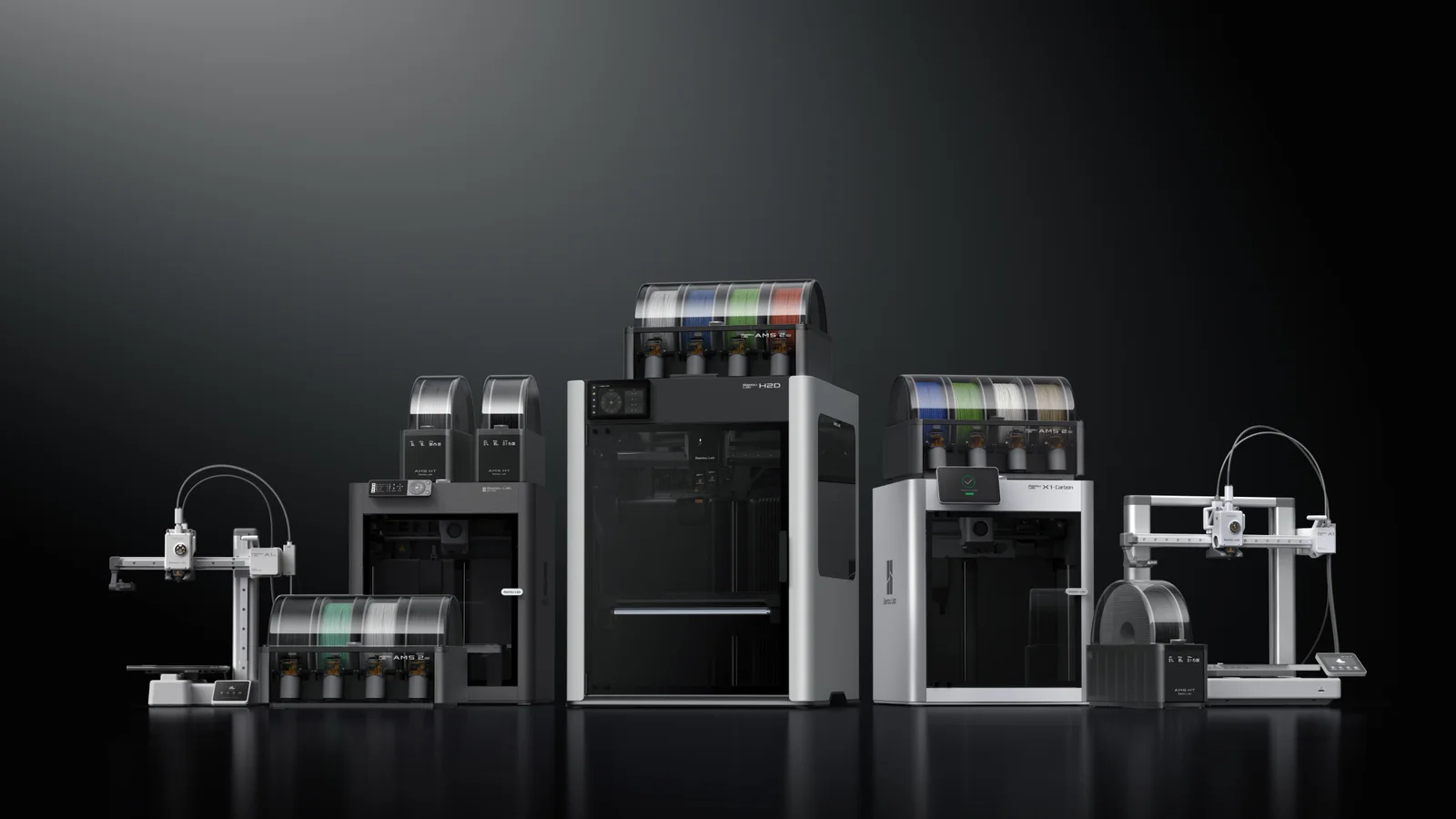
The best 3D printer for beginners in Singapore is a Bambu Lab A1 mini if your prints fit in 18 cm, or an A1 if they don’t. Step up to an enclosed P1S or P2S only for ABS or ASA, and to the H2 series only for big parts or production runs.
If you’ll print less than once a week, rent one first or have the parts printed for you.
Which 3D printer to buy: every model at a glance
| Printer | Largest print | Best for |
|---|---|---|
| A1 mini, open | 18 cm cube | First printer, small parts |
| A1, open | 25.6 cm cube | First printer, bigger parts |
| A2L, open | 33 × 32 × 32.5 cm | Big props, no ABS |
| P1S, enclosed | 25.6 cm cube | Cheapest for ABS and ASA |
| P2S, enclosed | 25.6 cm cube | PC, nylon, carbon fibre |
| X2D, heated, two nozzles | 25.6 × 25.6 × 26 cm | Supports that dissolve |
| H2S, heated | 34 × 32 × 34 cm | Largest one-material parts |
| H2D, heated, two nozzles | 35 × 32 × 32 cm | Big parts, two materials |
| H2C, heated, seven hotends | 33 × 32 × 32 cm | Up to seven materials |
Why ABS and ASA need more: they shrink as they cool, so in open air they lift off the plate and split between layers; an enclosure keeps warm air around the part. “Heated” means the chamber warms itself, to 65°C on the X2D and H2 series.
Sizes: width × depth × height, from Bambu’s spec sheets; “cube” means all three are the same. A part bigger than the bed is printed in pieces.
The best 3D printer for beginners: A1 mini or A1
Every printer here is a fused deposition modeling (FDM) printer: it melts a plastic thread called filament and lays it down layer by layer. The A1 mini and A1 calibrate themselves, so there’s no bed levelling to get wrong on day one.
- Size. A figure or phone stand fits the A1 mini; a helmet piece needs the A1 and its 256 mm bed.
- Materials. Bambu rates PLA, PETG, TPU and PVA (a support that dissolves in water) as ideal. ABS, ASA and nylon are not recommended: the printer will feed them, but they tend to lift off the plate and split between layers without warm air around the part.
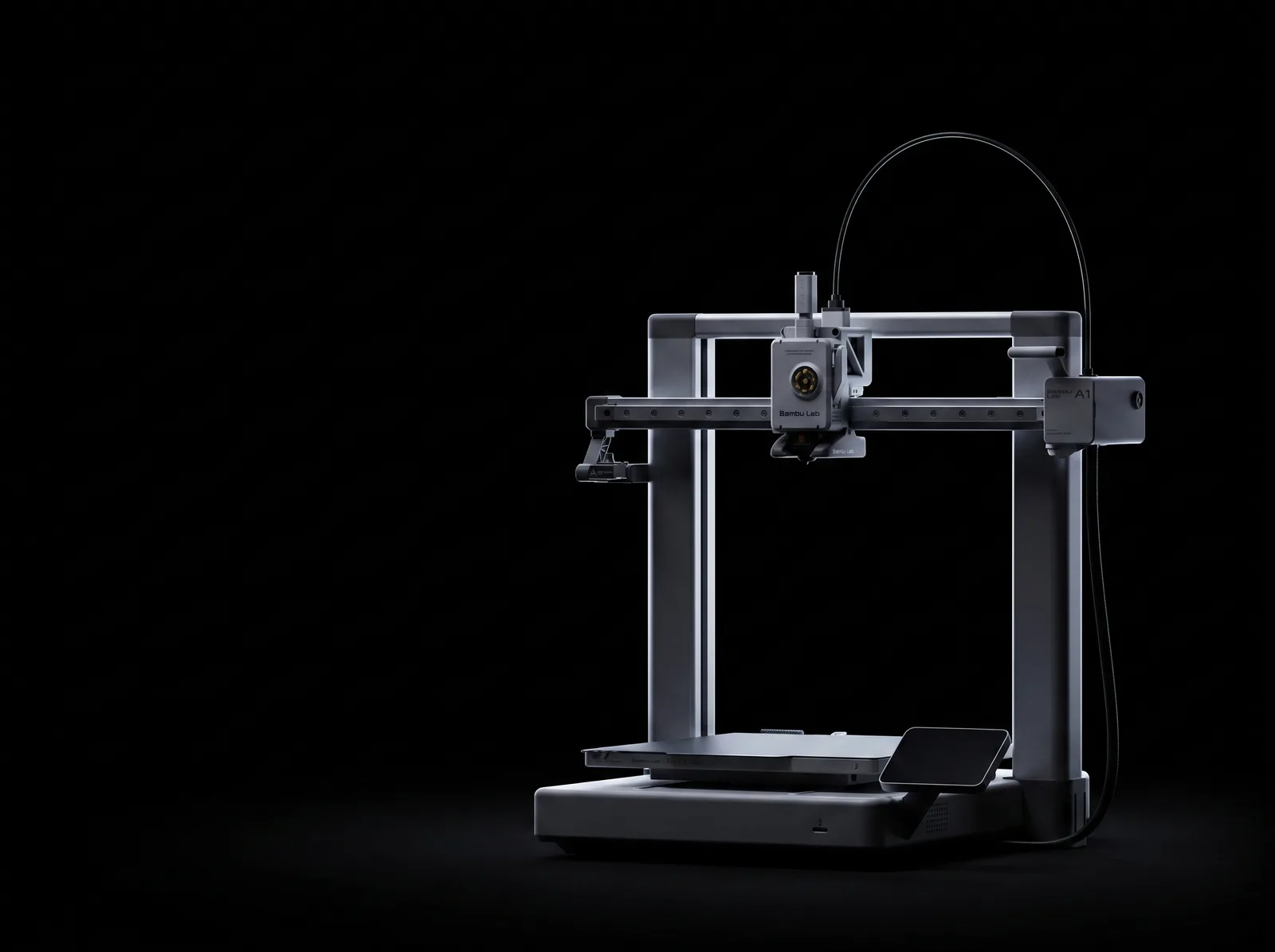
Their honest limits: they have no enclosure or air filter, and neither has a camera that spots a failed print, so check long prints yourself.
Big prints without an enclosure: the A2L
The A2L is the open-frame machine for big pieces: props, planters, cosplay armour. It takes parts up to 330 × 320 × 325 mm with the same hands-off calibration as the A1.
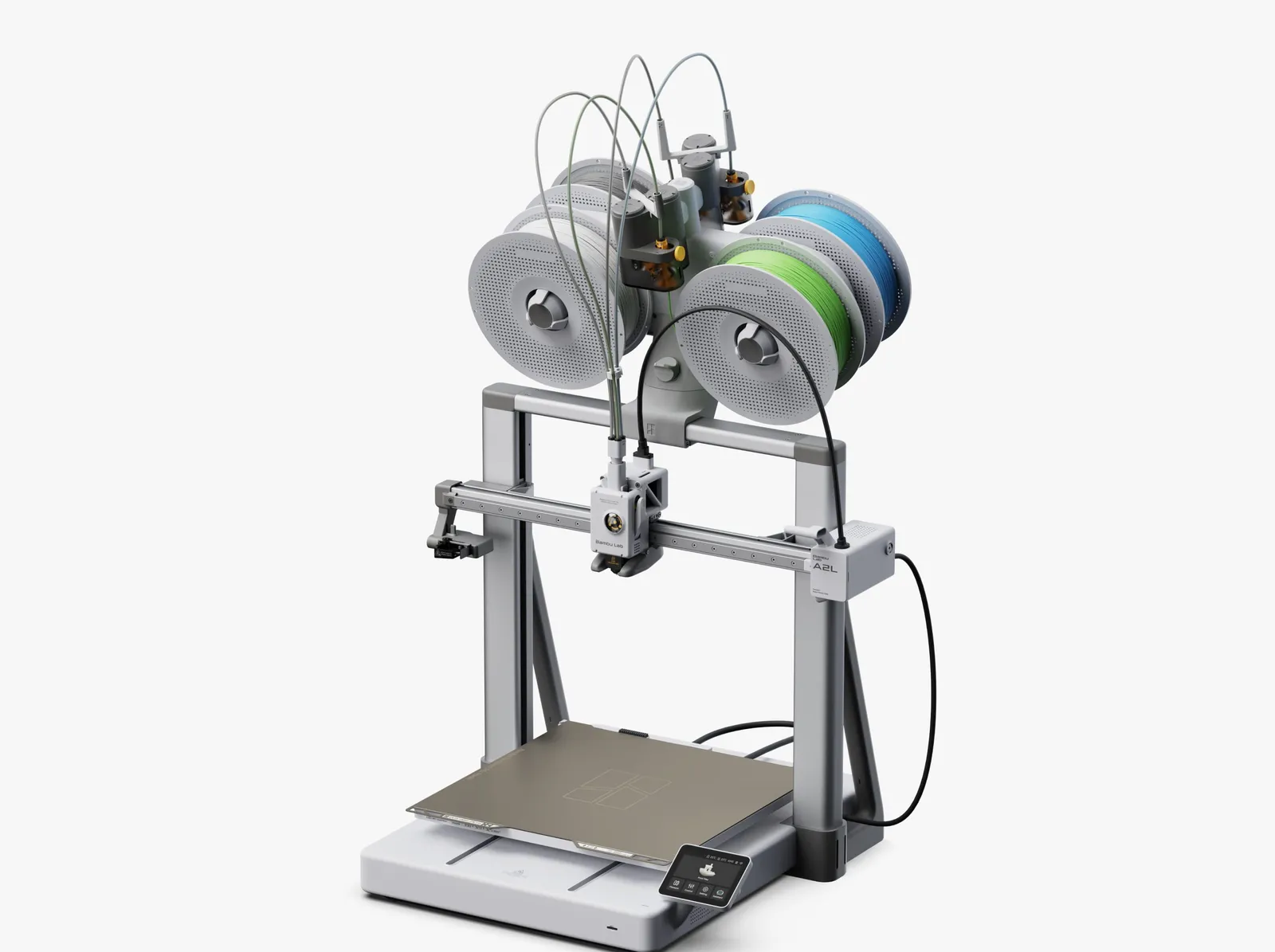
Its honest limits: Bambu’s spec sheet lists only PLA, PETG, TPU and PVA, plus carbon-fibre PLA and PETG with a hardened nozzle, so don’t buy it for ABS, ASA or nylon. It’s also 544 × 529 × 505 mm and 12.8 kg, so it needs a big desk.
ABS and ASA: you need an enclosed P1S or P2S
ABS and ASA take more heat than PLA, and ASA holds up in the sun. Both print best in a closed box that holds warm air around the part. Ventilate the room too: the US institute NIOSH found that most of what 3D printers give off is nanoparticles, far too small to see.
- P1S. Bambu’s enclosed printer for ABS, with a carbon filter to cut the smell. It prints PLA, PETG, TPU, PVA, ABS and ASA well; PC and nylon print, but not well.
- P2S. The same 256 mm build size, with a 110°C bed, camera-based failure detection and a hardened steel nozzle, so PC, nylon and carbon-fibre filaments print from day one.
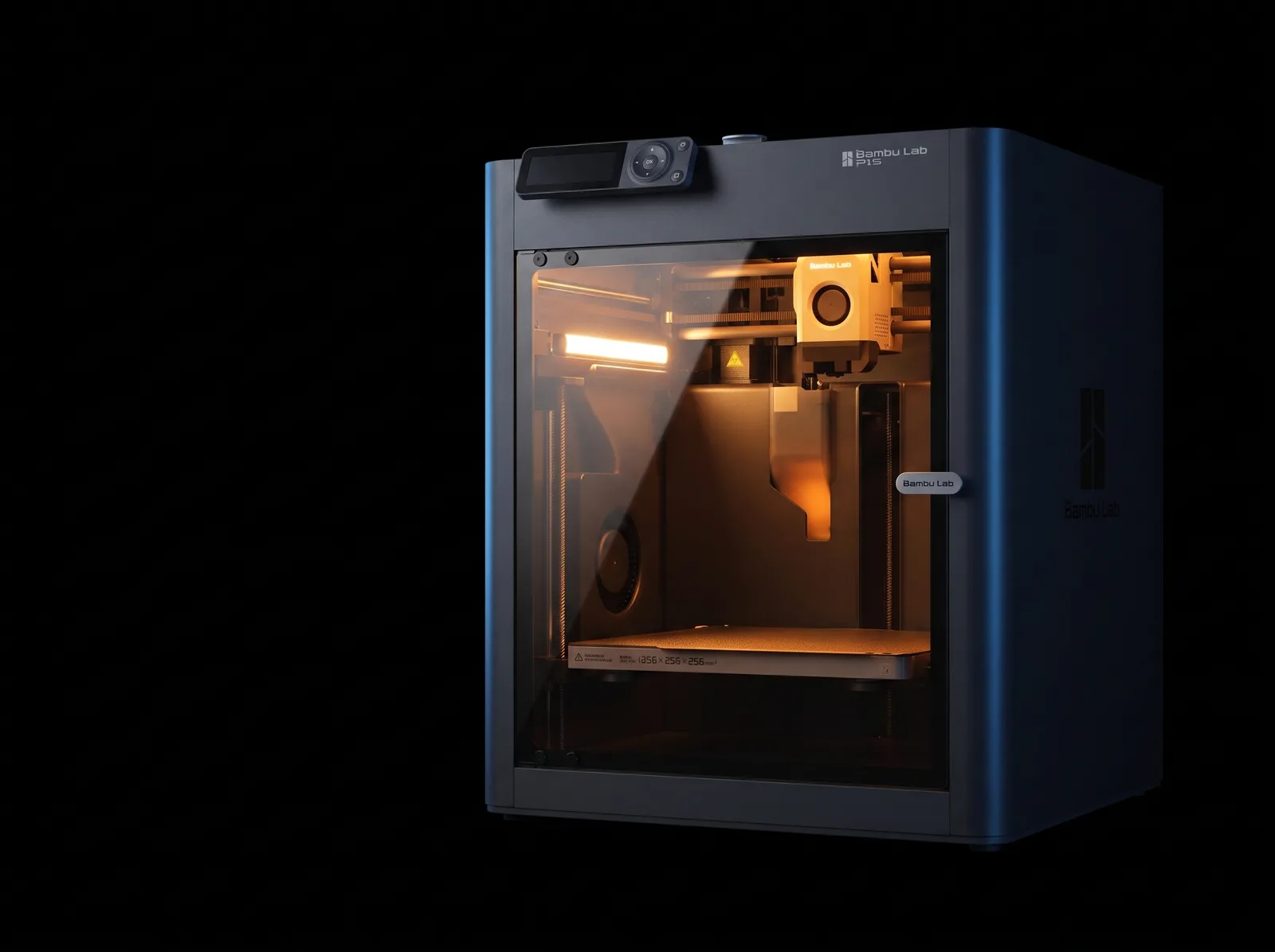
Their honest limits: neither heats its chamber (the X2D and H2 series do, to 65°C). The P1S also has no camera to spot failed prints, and it needs a hardened nozzle and extruder before it can print carbon-fibre filament.
Nylon, two materials or big parts: the X2D or the H2 series
A heated chamber suits nylon, polycarbonate and carbon-fibre filaments; a second nozzle lets one print use two materials, usually PVA support that washes away in water.
- X2D. Two nozzles in the compact enclosed body of the P2S, with a HEPA and carbon filter.
- H2D. Our flagship, and the machine that does most of the work in our own shop. Its two nozzles together cover 350 × 320 × 320 mm.
- H2S. The largest single-nozzle build we sell, 340 × 320 × 340 mm, and it adds carbon-fibre PPS to what the P2S prints.
- H2C. Swaps hotends by itself mid-print to print up to seven materials in one run.
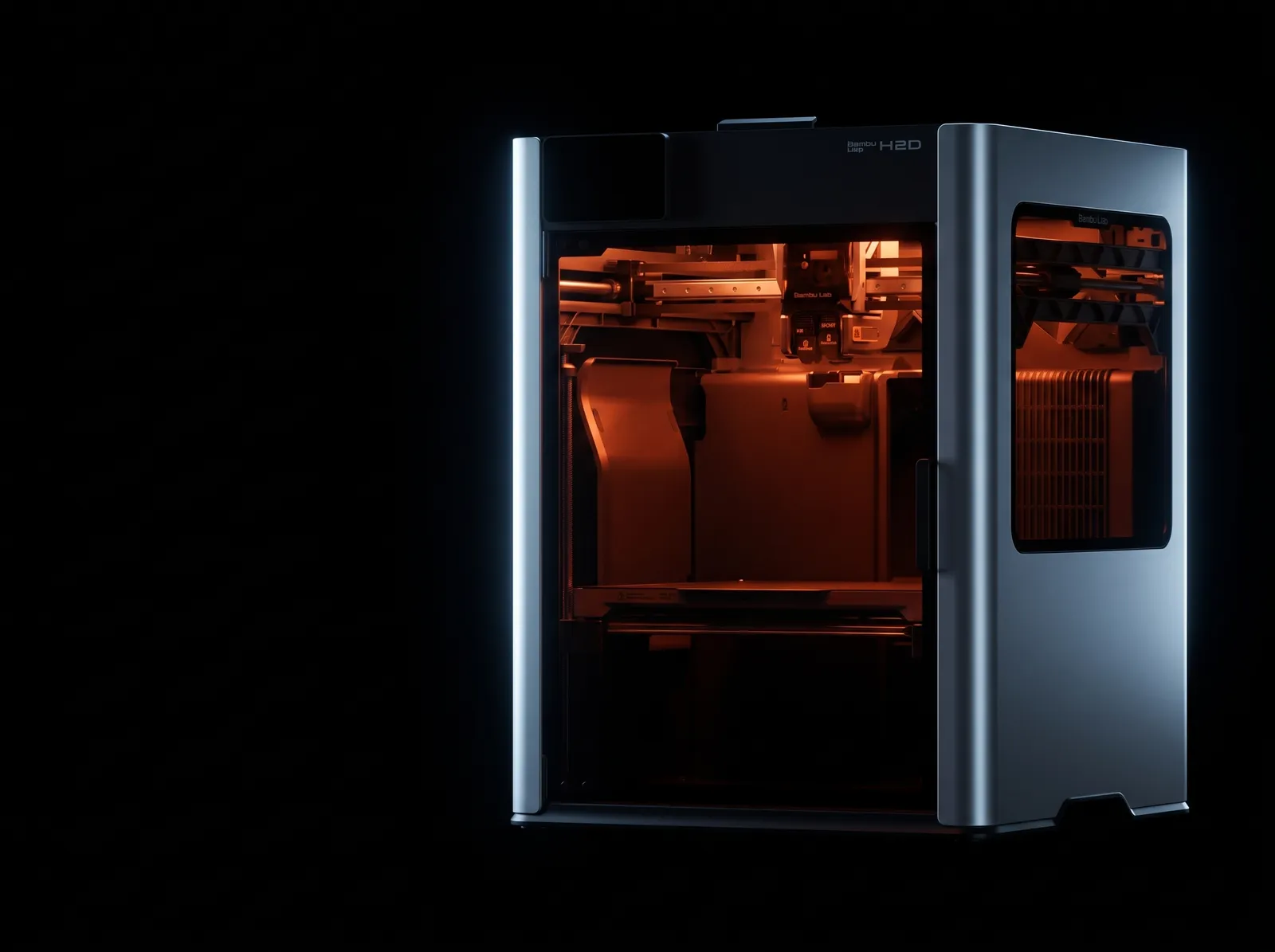
Their honest limits: the H2 series is 492 × 514 × 626 mm and 30 to 32.5 kg, so plan where it lives, and Bambu rates the X2D’s second nozzle slightly below its main one. They’re more machine than most homes need, so rent or order prints first if you’re unsure.
Multi-colour printing: add an AMS now or later
The Automatic Material System (AMS) is a four-spool box that switches filament mid-print, so one part comes out in several colours with no painting. The A1 mini, A1 and A2L take the AMS lite, the P1S takes the AMS, and the P2S, X2D and H2 series take the AMS 2 Pro, which also dries the filament.
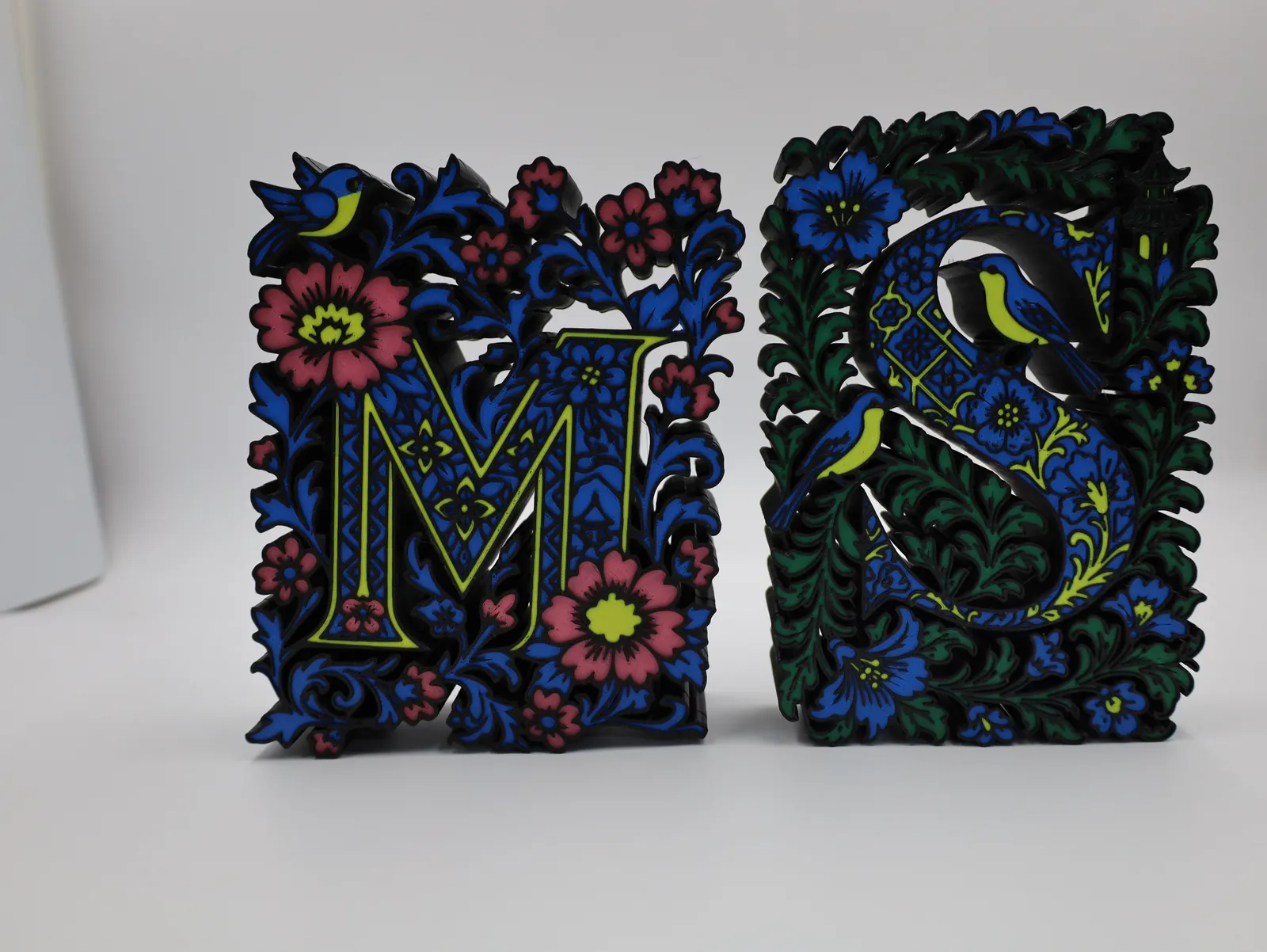
Its honest limits: on a single-nozzle printer every colour change pushes out filament to clear the old colour, so a many-colour print wastes plastic and takes longer; and the AMS lite works only on the A series, so it won’t move with you to a P, X or H series printer.
Price and space: plan for both before you choose
Each step up adds one thing: an enclosure (P1S, P2S), a heated chamber (X2D, H2 series), a second nozzle (X2D, H2D), a hotend changer (H2C). Don’t pay for what your prints don’t need. Prices are on our 3D printers page; budget for filament and a few failed prints too, and our guide to common 3D printing problems shows what goes wrong.
- Room. The A1 mini is the smallest we sell at 347 × 315 × 365 mm and 5.5 kg; the P2S and X2D are about 392 × 406 × 478 mm and 15 to 16 kg; the H2 series is 492 × 514 × 626 mm.
- Noise. By Bambu’s spec sheets, the A1 mini and A1 run under 48 dB in Silent Mode, and the P2S and X2D under 50 dB. Bambu publishes no figure for the P1S or H2D, so ask us.
Printing less than once a week: rent a printer or order the prints
We rent three printers for 5 days or more: the A1 mini, the P1S and the enclosed X1 Carbon. Longer bookings cost less per day, and the printer rental page shows current rates. You leave a refundable deposit when you collect from our Bendemeer studio. Filament isn’t included, but you can add it to the same order.
For a handful of parts it’s cheaper to send us the file for our 3D printing service in Singapore, and our guide to choosing a 3D printing process explains the options. As a rough guide, a filament or resin part up to about 10 to 15 cm across takes 4 to 7 working days, and a nylon powder part 8 to 15; larger parts take longer, so check with us.
Frequently asked
What is the best 3D printer for beginners?
The Bambu Lab A1 mini is the best first printer if your parts fit in 180 mm, and the A1 if they don't. If you're unsure about colour, buy the printer on its own first: you can add the AMS lite, which holds four colours, to either one later.
Do I need an enclosed 3D printer?
An enclosure is needed only for ABS, ASA, nylon, polycarbonate and the other high-temperature filaments. For PLA, PETG and TPU an open frame prints just as well and is easier to see into and work on. Whichever you buy, run it in a room with fresh air, because a desktop printer gives off fine particles while it prints.
How much does a 3D printer cost in Singapore?
The price of a 3D printer in Singapore depends on the model, and each Bambu Lab printer we sell shows its price on its store page, before GST, which is added at checkout. Four things push the price up: an enclosure, a heated chamber, a second nozzle and a multi-colour unit. Budget for filament too, and for a few failed prints while you learn.
Is it cheaper to buy a 3D printer or pay for prints?
Paying for prints is cheaper if you need a handful of parts a year; a printer pays off when you print every week. To check, upload the parts you have in mind to our instant quote and compare a year of them with the printer's price. Ordering also skips the learning time and the failed prints.
Can I add multi-colour printing later?
Yes, multi-colour printing can be added later to every printer we sell except the H2C, which is only sold with a four-spool unit already. The A1 mini, A1 and A2L take the AMS lite, the P1S takes the AMS, and the P2S, X2D and H2 series take the AMS 2 Pro. An A1 can also run an AMS 2 Pro, which dries the filament, through the A1-series AMS Hub.
Is a 3D printer too noisy for a flat?
The A1 mini and A1 run under 48 dB in Silent Mode, by Bambu's figures, which is quiet enough for a desk at home. The P2S and X2D are under 50 dB in Silent Mode. Bambu publishes no noise figure for the P1S, so if noise matters, ask us before you choose it.
Can I try a 3D printer before I buy one?
Yes, you can try a 3D printer before buying by renting one from us: we rent the A1 mini, the P1S and the X1 Carbon for 5 days or more, collected from our Bendemeer studio. A refundable deposit is taken when you collect and returned once the printer is back and checked. Longer bookings cost less per day, and our printer rental page shows current rates.
How long does it take to get a printer from Additive Inn?
A printer from Additive Inn takes about 10 days for most models when we don't have it in stock, and each model's store page says whether we do. Collect it free from our Bendemeer studio, or choose delivery at checkout and we'll arrange it and quote you after you order.
Related
-
 GuideFDM, SLA, SLS, MJF or metal: which 3D printing process suits your part?
-
 GuideWhat is FDM 3D printing, and when is it the right choice?
-
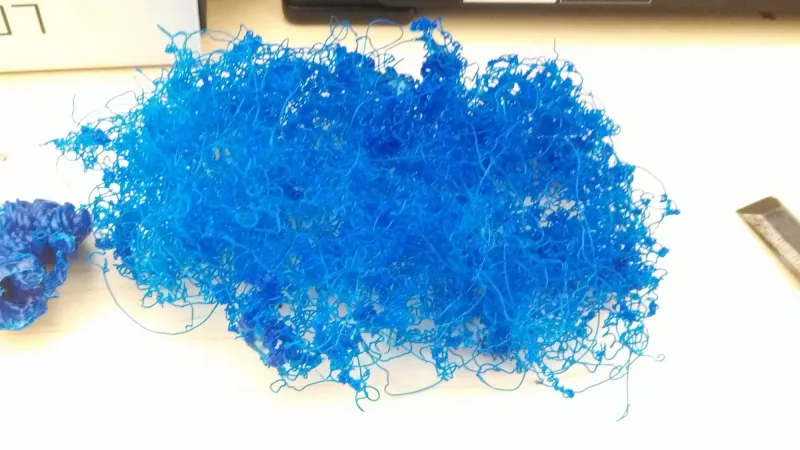 GuideWhat are the most common problems with 3D printed models?
-
 ServiceIndustrial 3D Printing
-
 ServiceSLA 3D Printing
-
 ServiceConcept to Fabrication
-
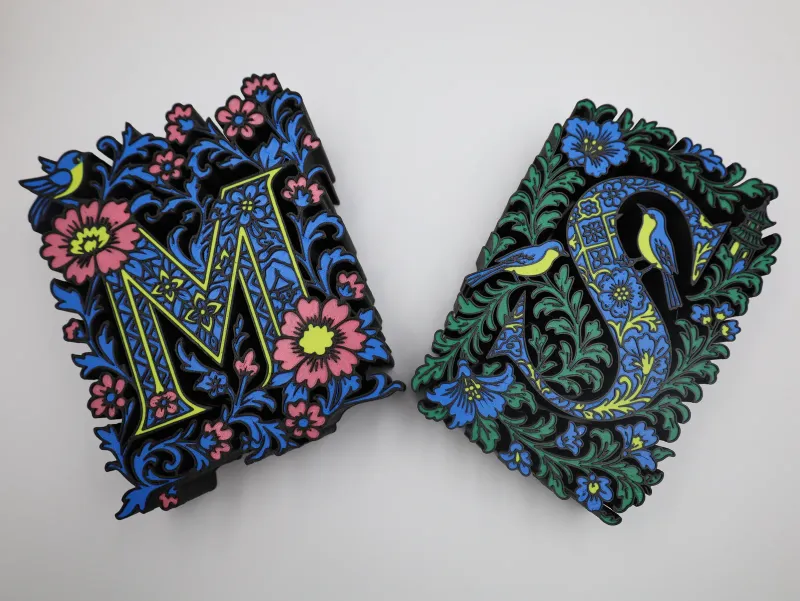 ProjectMulticolour 3D printed letters
-
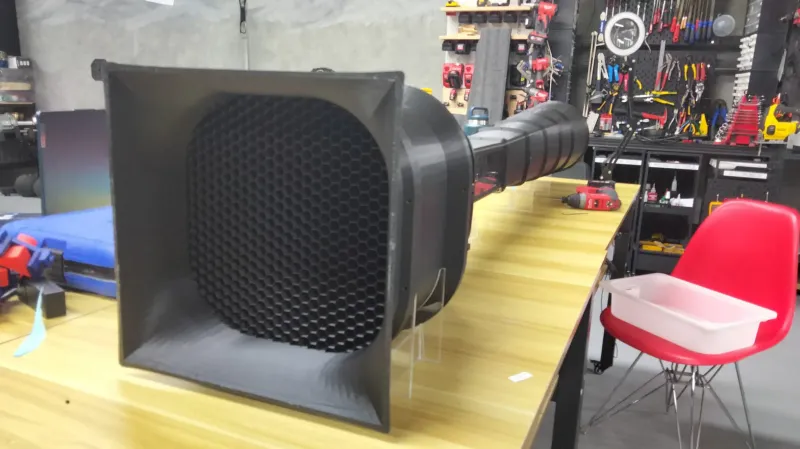 Project3D printed golf ball wind tunnel
-
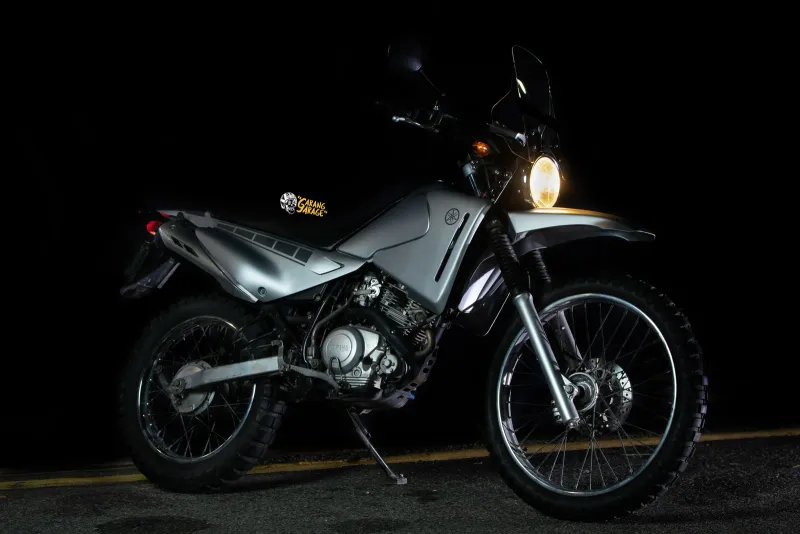 ProjectYamaha bike body panels