

Will a 3D printed part survive Singapore heat, sun and rain?
On this page
- Heat and sun limits at a glance: every material
- How hot does Singapore get for a 3D print?
- In a parked car: ASA, ABS or PC
- Outdoors in sun and rain: ASA first
- In humid air: watch carbon-fibre nylon
- Near motors and lamps: ABS, PC or carbon-fibre nylon
- Resin in the sun: indoors only
- Nylon powder outdoors: ask us
- Metal outdoors: nothing softens
- Finishes for outdoors: 2k paint over a primer
- Frequently asked
Most 3D printed parts survive Singapore’s air, but PLA softens from about 55°C and a sunny dashboard reached about 69°C in a published study. Which material survives a car or full sun comes down to heat, sun and damp, and below is what to choose for each.
Heat and sun limits at a glance: every material
| Material | Softens from (under load) | On a sunny dashboard (about 69°C) | In full sun all day |
|---|---|---|---|
| PLA Basic | about 55°C | Softens | Indoors only |
| PLA Tough+ | about 58°C | Softens | Indoors only |
| PETG | about 68°C | Borderline: avoid | Shade, or one season outside |
| PETG-CF | about 68°C | Borderline: avoid | Shade, or one season outside |
| ABS | about 85°C | Stays firm | Rated UV resistant; ASA is safer for years |
| ABS-GF | about 88°C | Stays firm | No sun data published: ask us |
| ASA | about 90°C | Stays firm | Yes: made for sun and weather |
| PC | about 110°C | Stays firm | No sun data published: ask us |
| PA6-CF | about 160°C | Stays firm | Only if sealed: soaks up water |
| PAHT-CF | about 170°C | Stays firm | No sun data published: ask us |
| PPA-CF | about 195°C | Stays firm | No sun data published: ask us |
| Standard resin (SLA) | No figure published: ask us | Avoid: sun makes resin brittle | Indoors only |
| High-temp resin (SLA) | No figure published: ask us | Avoid: sun makes resin brittle | Indoors only |
| PA12 nylon (SLS) | about 55 to 65°C | Softens under load | No sun data published: ask us |
| PA12 nylon (MJF) | about 95°C | Stays firm | No sun data published: ask us |
| Metal (SLM) | Does not soften at these temperatures | Stays firm | Yes: aluminium needs a finish to stay bright |
Softens from: the heat at which a plastic starts to bend under a real load, like a clip doing its job (ISO 75 at 1.8 MPa, on a solid test bar), so an everyday print with a lighter fill softens a little sooner.
Parked car: cabin air reached about 47°C in a published study, below every figure in the table.
Source: filaments from the makers’ technical data sheets, nylon from published PA12 powder data sheets; our resin data sheets give no heat figure.
The table covers filament printing (fused deposition modeling, FDM), resin printing (stereolithography, SLA), nylon powder printing (selective laser sintering, SLS, and Multi Jet Fusion, MJF) and metal printing (selective laser melting, SLM). The full comparison of the four everyday filaments is in PLA, PETG, ABS or ASA, and the carbon-fibre grades in carbon fibre and engineering filaments.
How hot does Singapore get for a 3D print?
The weather itself is gentle on plastic. The heat that matters is what the sun adds once the part sits in it, or sits behind glass.
- Air. The average daytime high runs from 30.5°C in December to 32.4°C in April, and the average night low from 24.3 to 25.7°C, by the Meteorological Service Singapore’s (MSS) 1991 to 2020 records at Changi. The hottest day ever recorded here was 37.0°C.
- Humidity. About 82% on average, over 90% before sunrise and about 60% on a dry afternoon (MSS).
- Rain. 2,113 mm a year, on 171 rain days (MSS).
- Sun. The UV index commonly reaches Very High to Extreme between 11am and 3pm on clear days, says the National Environment Agency (NEA).
- A parked car. We know of no published measurement for a Singapore car, so we use a study by Arizona State University, published in the journal Temperature in 2018. After one hour parked in the sun on a day of about 38°C, the cabin air reached about 47°C and the dashboard about 69°C. Arizona is hotter than Singapore, so treat these as a guide, not a promise.
A part in the shade lives in the 30s. A part on a dashboard, or one in full sun on a dark surface, lives far hotter.

In a parked car: ASA, ABS or PC
A sunny dashboard at about 69°C is past PLA (about 55°C) and PLA Tough+ (about 58°C) and level with PETG (about 68°C). A PLA phone mount on the dashboard sags; a PETG one sits right at its limit. That is why “will PLA melt in a car?” is such a common question: it does not melt, but it softens and bends.
- On the dashboard or the rear shelf: ASA (about 90°C), ABS (about 85°C) or PC (about 110°C). ASA is the first pick because it also takes the sun through the windscreen.
- Lower in the cabin, out of direct sun: cabin air reached about 47°C in the study, under every filament’s softening point. PETG is fine there. Even so, a PLA part that holds weight in a closed car for months will slowly bend, so it is the wrong pick for anything with a job.
- A clip or a mount that takes force: heat and load together are the hardest case. PC, or carbon-fibre nylon kept away from damp, gives the most margin.
Outdoors in sun and rain: ASA first
Sun does more than heat a part. Its UV light breaks down the surface of some plastics, which then turn brittle or lose colour. In short weathering tests published in the journal Materials in 2023, PLA did worst, PETG held up well and ASA changed least. They were short tests in a European winter, not years in Singapore, so read them as a ranking, not a lifetime.
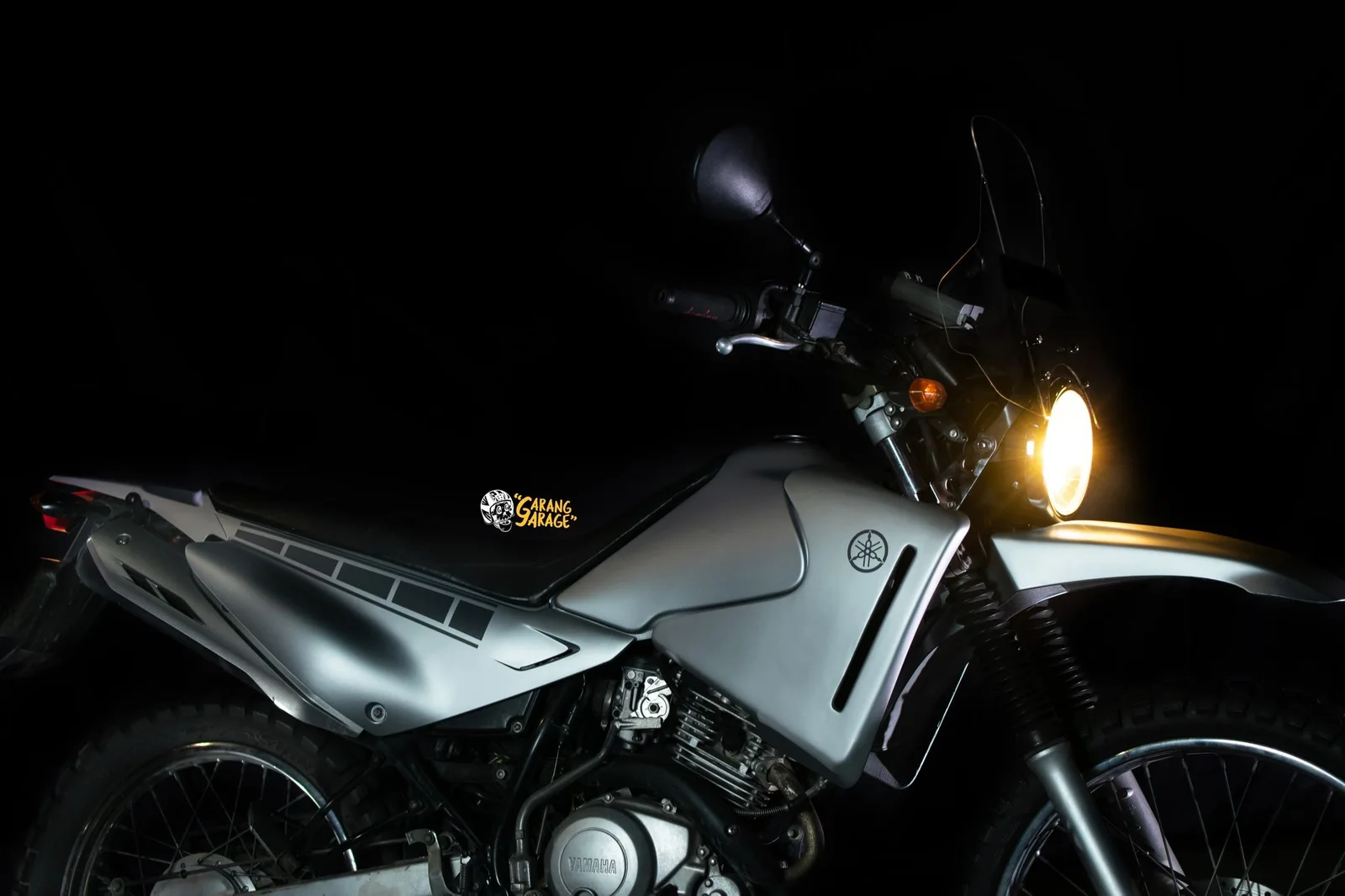
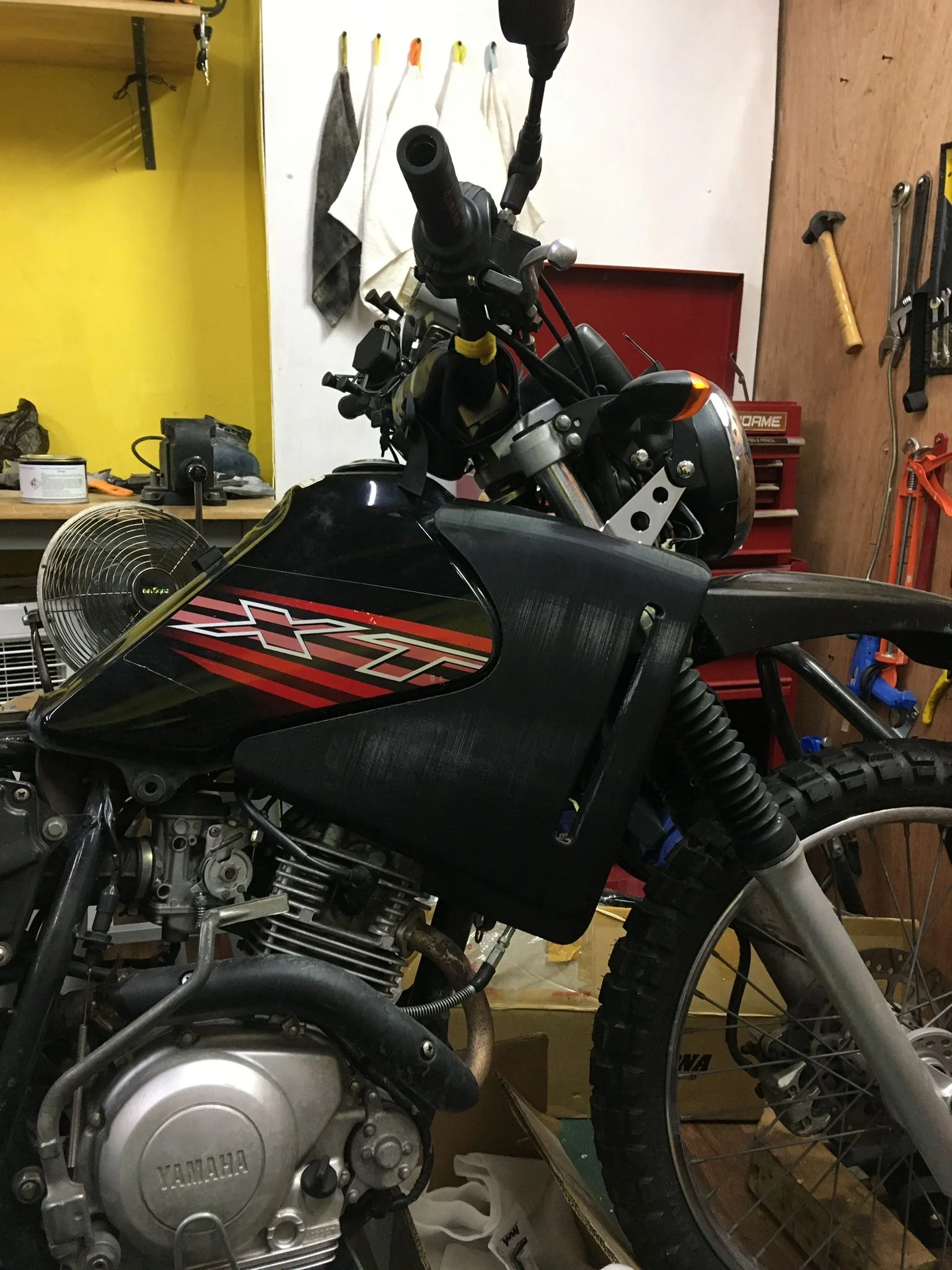
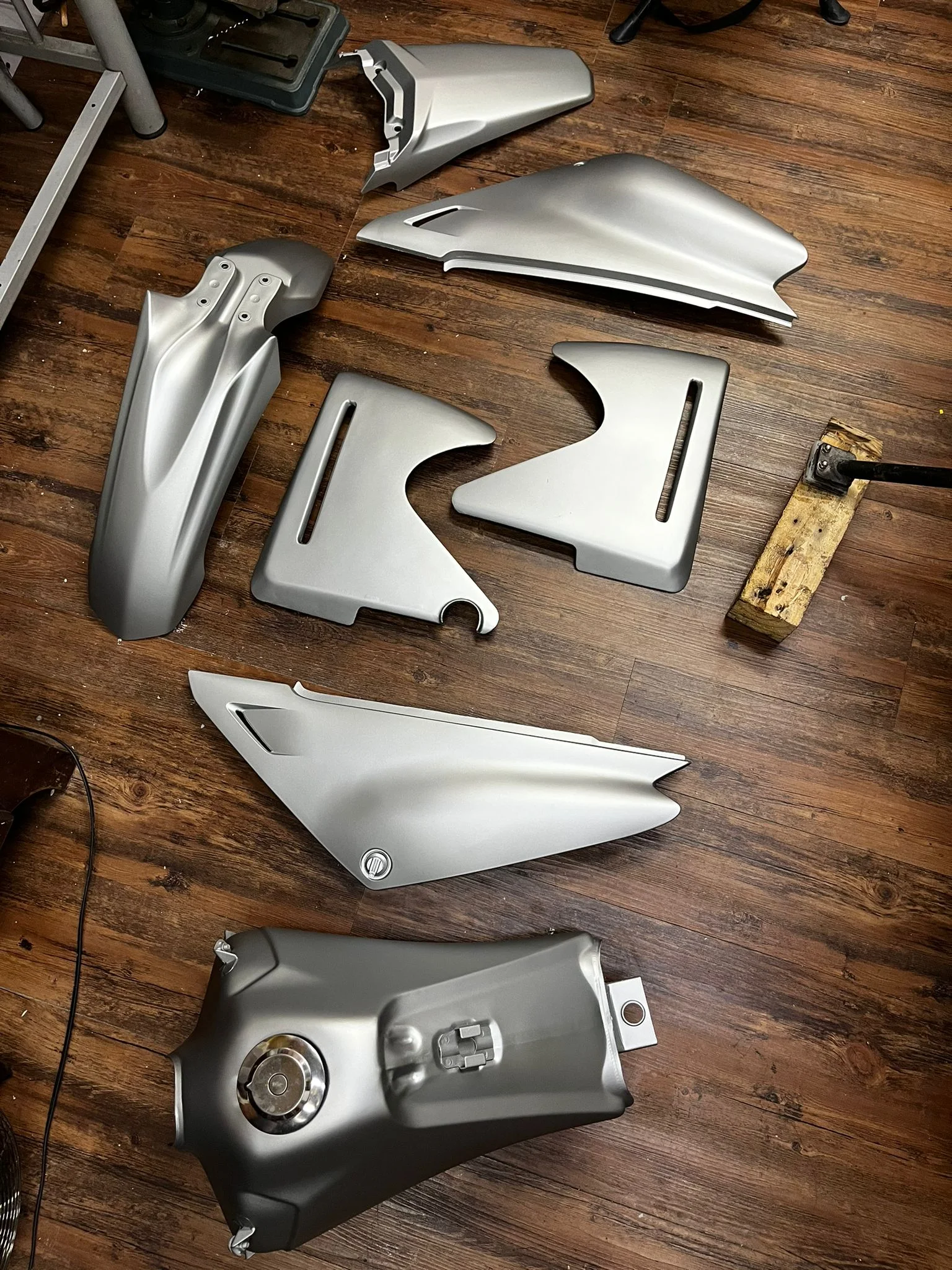
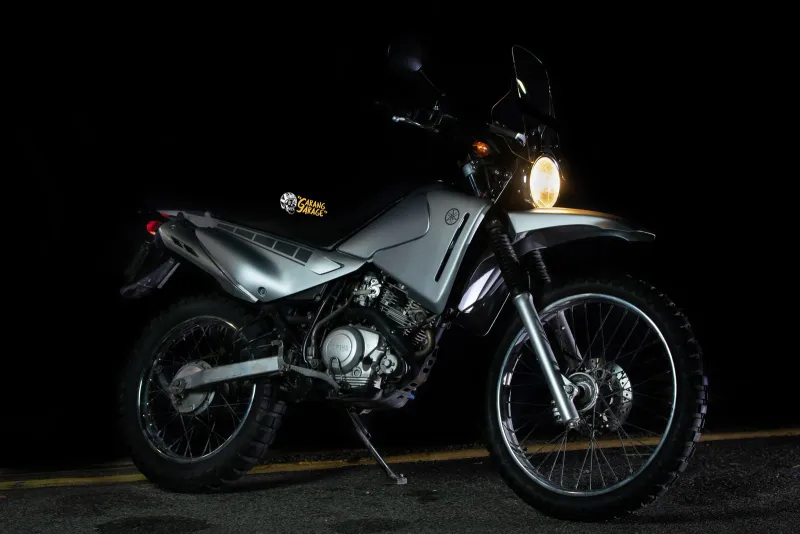
- ASA is the outdoor filament. Its maker rates it for exceptional UV and weather resistance, and it softens from about 90°C, so it also survives a dark surface in full sun. We printed a full set of motorbike body panels in it.
- ABS softens from about 85°C, and its data sheet lists UV resistance among its strengths. For a part in full sun for years, ASA, made for the outdoors, is still the safer pick.
- PETG carries its maker’s “enhanced resistance to water, UV and temperature” rating and is sold for outdoor accessories. It suits parts in shade, or out in the sun for a season.
- PLA belongs indoors. It goes brittle in the sun and breaks down faster in heat and humidity together.
One thing to know about ASA: its layers bond less strongly than ABS or PETG, so a part that takes force should be printed with the load running along its layers, not across them. Tell us in the quote notes how the part is loaded and we advise on the orientation.
Outdoor signs follow the same rule: 3D printed signage letters for outside are printed in ASA, and our signage service finishes them.
In humid air: watch carbon-fibre nylon
Singapore air averages about 82% humidity, and an outdoor box, a storeroom or a cupboard without air-conditioning stays damp for months. Most filament prints barely notice: when fully soaked, PETG and ASA take on about 0.45% water, ABS 0.65% and PC 0.25%, by the maker’s figures.
Carbon-fibre nylon is the exception:
- PA6-CF is one of the stiffest, strongest filaments we print, but it takes on 2.35% water, and the maker publishes a 37% loss of bending strength when it is wet. It is the one to keep out of damp places unsealed.
- PAHT-CF is the same idea built to hold its strength when damp: it takes on 0.88% and softens from about 170°C. Choose it over PA6-CF for a part that will be hot, damp or both.
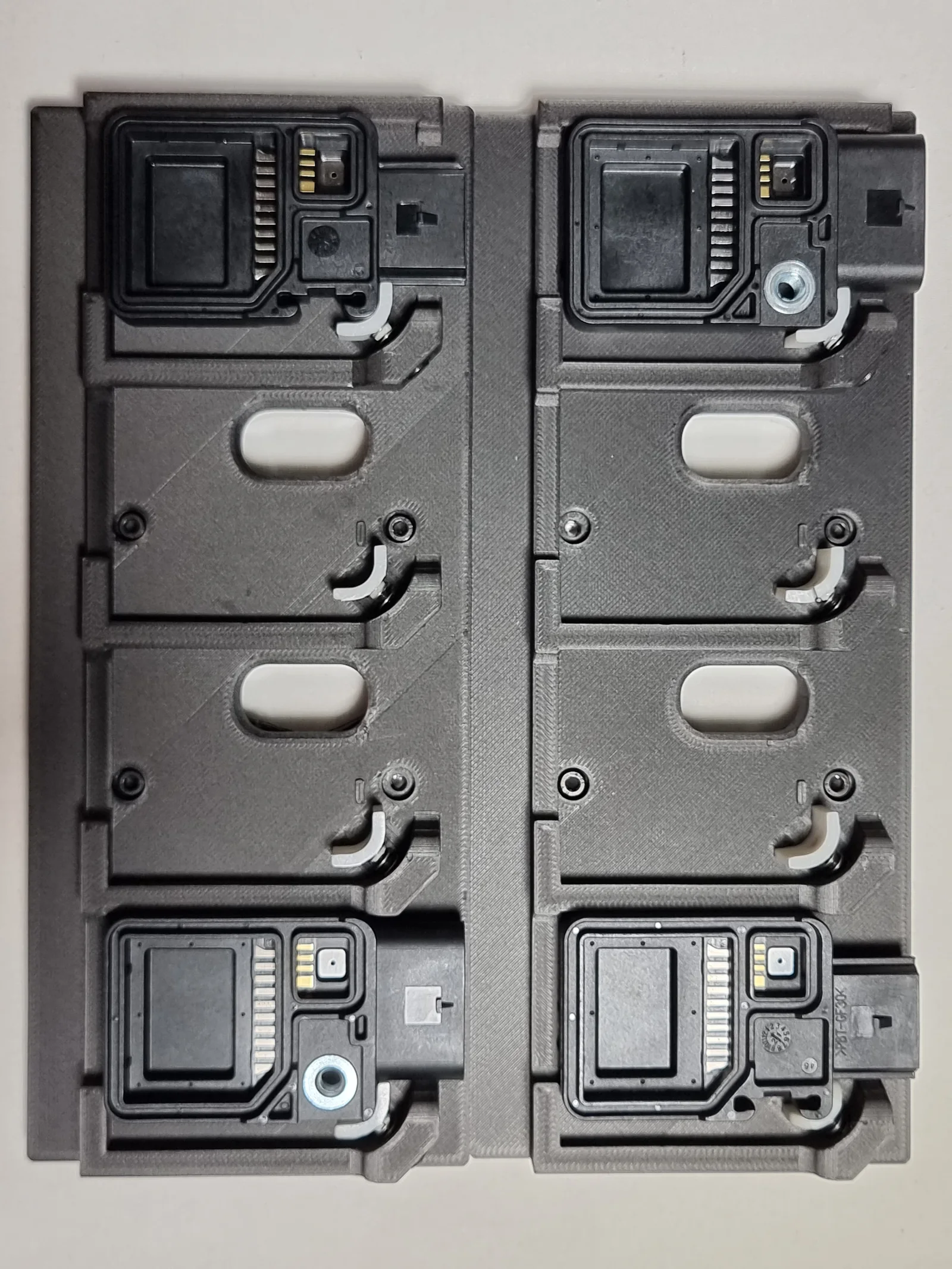
- PETG-CF takes on only 0.30%, which is why it suits jigs and fixtures that sit in a factory all day.
PLA in damp heat is the other one to avoid: it breaks down faster when heat and humidity come together. How the carbon-fibre grades compare on strength is in carbon fibre and engineering filaments.
Near motors and lamps: ABS, PC or carbon-fibre nylon
A part beside a motor, a lamp, a hot pipe or an air vent can run far hotter than the room around it. Measure it if you can, or tell us what it sits next to.
- Up to about 85 to 90°C: ABS, glass-fibre ABS (ABS-GF, about 88°C) or ASA.
- Up to about 110°C: PC, which is also self-extinguishing (it stops burning when the flame is taken away), by its data sheet.
- Hotter still: PA6-CF (about 160°C), PAHT-CF (about 170°C) or PPA-CF (about 195°C).
- Beyond plastic: metal, which no Singapore heat comes near softening.
Those are under-load figures. A cover or a light shade that only holds itself up can run a little hotter than a bracket carrying weight, but a figure on paper is a starting point: a prototype in place is the real test. Every filament above is printed in our own studio through our 3D printing service.
Resin in the sun: indoors only
Resin gives the finest detail and the smoothest surface, which is why it is the base for primed, painted and plated pieces. It is an indoor material. Sunlight turns resin parts brittle and changes their colour, and our resin data sheets give no softening figure, so keep resin off a sunny dashboard.
- For heat indoors: a high-temperature resin is made for fixtures that sit near warmth; ask us for its figure.
- For a window, a car or an outdoor display: say so when you send the file. Clear resin also yellows and hazes over time, as transparent 3D printed parts explains.
Which resin suits which job is in the resin types guide.
Nylon powder outdoors: ask us
Nylon powder printing fuses fine PA12 nylon powder layer by layer, either with a laser (SLS) or with a fusing agent and heat (MJF). The parts are tough and close to equally strong in every direction, which filament is not. Heat and damp are where the two differ:
- SLS nylon (PA12) softens from about 55 to 65°C under load, but about 145 to 155°C when barely loaded (holding up only itself), by a published PA12 powder data sheet. So a cover that only holds itself up copes with far more heat than a clip under force.
- MJF nylon (PA12) softens from about 95°C under load, by a published MJF PA12 data sheet.
- Damp: PA12 takes on 0.52% water in ordinary air and 1.33% in very humid air.
- Sun: the published sheets give no sunlight figure, so for a nylon part that lives outside, ask our team, especially one that is dyed or painted. See our SLS nylon printing service.
Metal outdoors: nothing softens
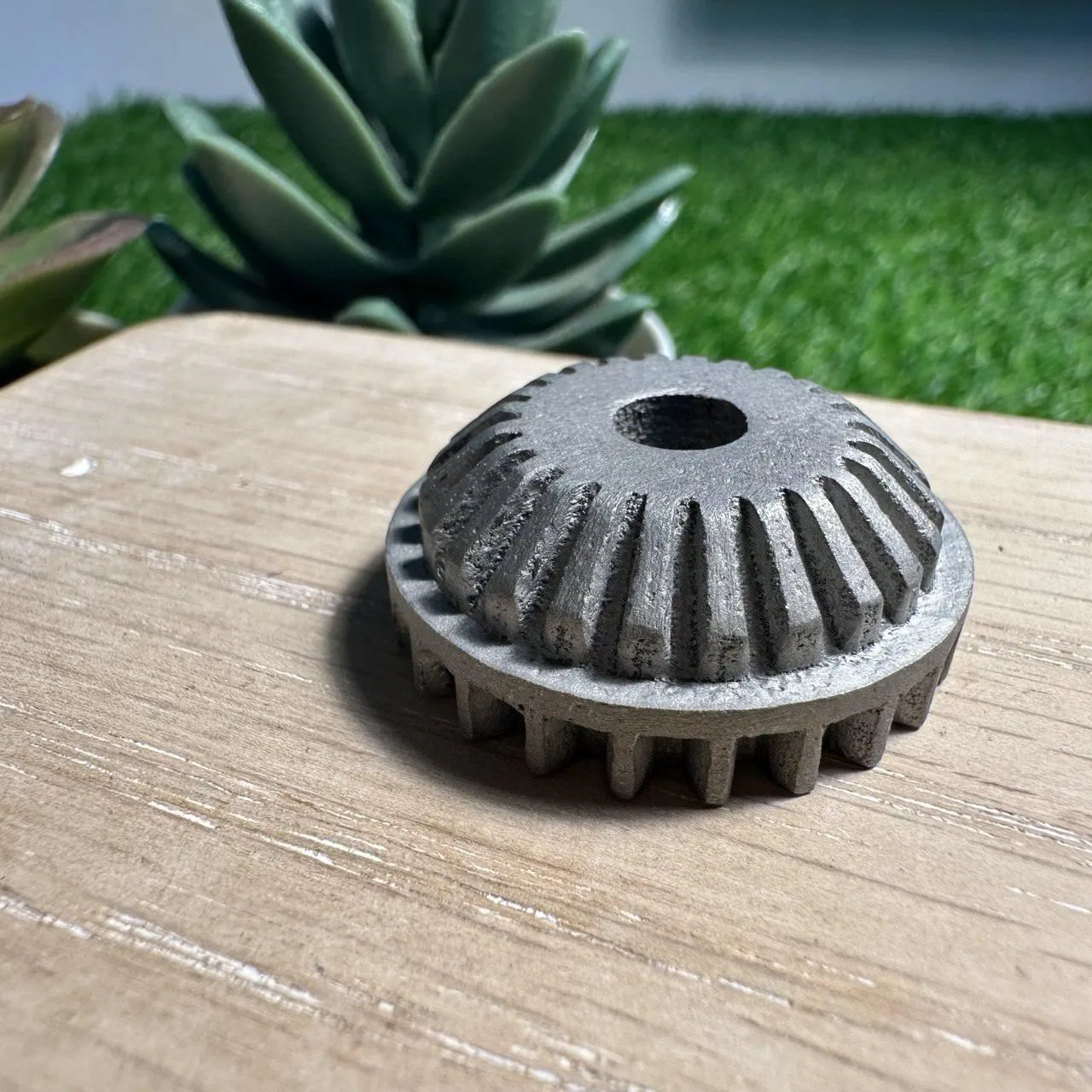
Metal is not a plastic, so it does not soften at any temperature Singapore or a car can reach. Stainless steel and titanium shrug off sun and rain. Aluminium needs a finish to stay bright outdoors. For which metal suits a part, see metal 3D printing or CNC machining and our metal printing service.
Finishes for outdoors: 2k paint over a primer
A finish can protect a part, but it cannot change what the material underneath does in heat.
- 2k paint. A two-part paint, mixed with a hardener before it is sprayed, that cures into a hard shell. It resists scratches, chemicals and UV far better than single-part (1k) paint, which is why parts that live outdoors get it. Our Yamaha panels are ASA, primed and then under 2k paint.
- A UV-blocking clear coat for a resin or PLA part that has to go outside: whether it suits your part depends on the part, so ask our team.
- Paint does not raise the softening point. A painted PLA part on a dashboard still softens at about 55°C. Choose the material for the heat, then the finish for the sun and the look.
The paint options, sheens and clear coats are set out in 3D print finishing options, and the full range of surface treatments in 3D printing painting and surface finishes.
Still choosing between every material, not only for heat and sun? Start with which 3D printing material to choose.
Sources: Singapore climate from the Meteorological Service Singapore (1991 to 2020 normals, Changi) and its Annual Climate Assessment 2023 (the 37.0°C record); UV from the National Environment Agency; the parked-car figures from Arizona State University (Temperature, 2018, measured in Arizona, not Singapore); filament softening points (ISO 75), water uptake and resistance from the makers' technical data sheets; weathering ranking from Sedlak et al., Materials, 2023; nylon from published PA12 powder data sheets (ISO 75 for SLS, ASTM D648 for MJF).
Frequently asked
Will PLA melt in my car?
No, but it softens and sags: PLA softens from about 55°C, and a dashboard in the sun reached about 69°C after an hour in a published parked-car study. Cabin air reached about 47°C in the same study, which PLA survives, but a PLA part holding any load in a closed car for months will slowly bend. For anything that rides in a car, choose ASA, ABS or PC.
Is PLA heat resistant?
Only a little: PLA Basic softens from about 55°C under load, the lowest of the filaments we print, according to its maker's data sheet. That is fine in an air-conditioned room or a Singapore afternoon in the shade, which averages 30.5 to 32.4°C at its daily high, but not on a dashboard, beside a motor or in full sun.
Which filament is best for outdoor use in Singapore?
ASA, which softens from about 90°C. Its maker rates it for exceptional UV and weather resistance, and it changed least of the common filaments in published weathering tests. PETG is fine in shade or for a season in the sun; PLA belongs indoors.
Is PETG UV resistant?
Partly: PETG softens from about 68°C and held up well in short weathering tests. Its maker describes it as having enhanced resistance to water, UV and temperature and sells it for outdoor accessories. It suits parts in shade or out for a season; for years in full Singapore sun, ASA is the safer choice.
What filament should a dashboard part be printed in?
ASA, ABS or PC: they soften from about 90°C, 85°C and 110°C, all above the roughly 69°C a sunny dashboard reached in a published parked-car study. PLA (about 55°C) and PETG (about 68°C) are not hot enough for it. For a dashboard part that also faces the windscreen sun every day, ASA is the first pick.
Does rain or humidity damage 3D prints?
Most filament prints take on very little water: PETG and ASA about 0.45% and PC 0.25% when saturated, by the maker's figures. The exception is carbon-fibre nylon (PA6-CF), which takes on 2.35% and loses about a third of its bending strength when wet. PLA also breaks down faster in heat and humidity together, so it is an indoor material.
Can resin 3D prints go outside?
Not for long: resin parts go brittle and change colour in sunlight, so resin is for indoor parts. A primed and painted resin part can sometimes live outside under the right coat, but that depends on the part, so ask our team before you plan on it.
Is nylon OK outdoors?
Nylon powder (PA12) softens from about 55 to 65°C under load when laser-sintered (SLS) and about 95°C by Multi Jet Fusion (MJF), so it depends on the process, the load and the heat. It takes on 0.52% water in normal air and 1.33% in very humid air. Its makers publish no sunlight figures, so for a nylon part that lives outside, tell us where it goes and we will advise.
Will the colour fade in the sun?
It depends on the material: ASA is made to keep its colour outdoors, PLA goes brittle in the sun, and resin changes colour. A part primed and then painted in 2k paint (a two-part paint that cures hard) resists UV far better than single-part paint, so paint is the way to give an outdoor part a colour that lasts.
Can you print in a filament brand you don't list?
Yes, other brands are on request. We print in our own studio in quality filament from established makers, so the figures on this page are the makers' published data. If you need a different brand or a special grade, ask our team and we will confirm the price and timing.
Related
-
 GuideWhich 3D printing material should you choose?
 -
 GuidePLA, PETG, ABS or ASA: which filament should your part be printed in?
 -
 GuideWhich filament is strong enough for a jig, fixture or end-use part?
 -
 ServiceIndustrial 3D Printing
 -
 ServiceCustom Acrylic Signage
 -
 ServiceColour Application & Finishing
 -
 ProjectYamaha Bike Body Panels
 -
 ProjectElectronic Parts Holding Jig
 -
 ProjectArc CPU Case