

Silicone Molding & Vacuum Casting
Make identical parts from a printed master without the cost of injection-mold tooling. No minimum order, and a larger run costs less per piece. Resin, polyurethane, or food-safe silicone outputs.
- PriceSee pricing guide
- Lead timeAbout 3 to 4 weeks, check with us
- QuoteSame business day
Same-day reply. No obligation.
- Shure
What we make
- 01
Resin casting
Polyurethane parts from a finished printed master
- 02
Food-safe parts
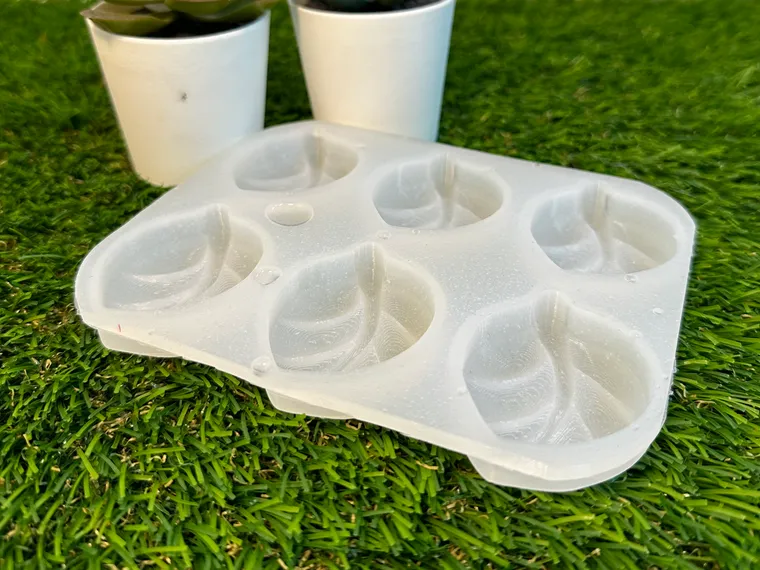
Food-safe silicone for kitchen products
- 03
Soft-touch overmolds
Hard core with a soft-touch skin
- 04
Multi-material
Two-material parts, pigment-matched to spec
- 05
Pilot runs
10 to 500 identical units, short runs
Selected work
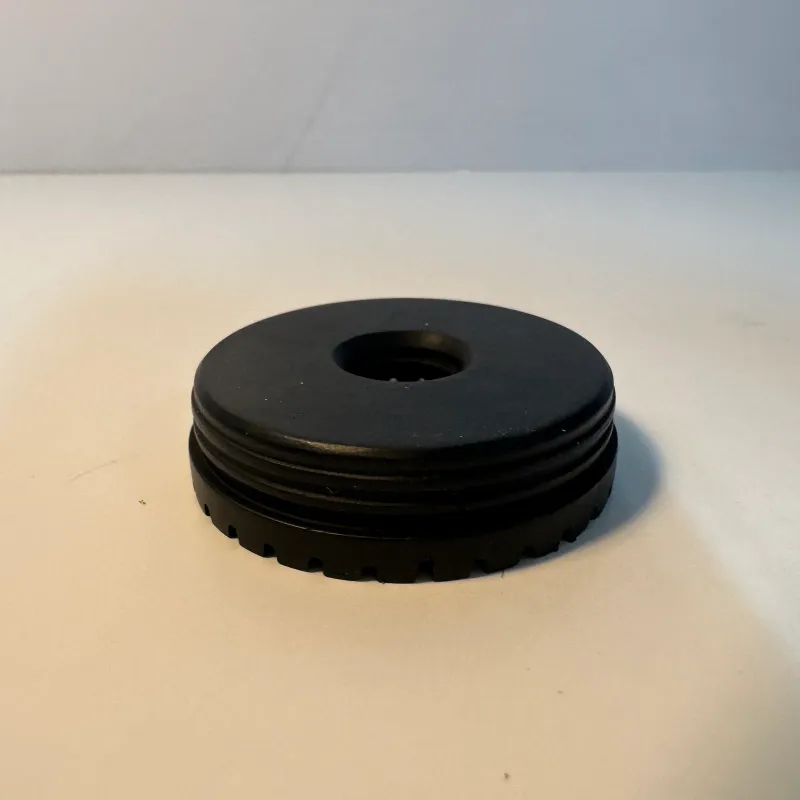
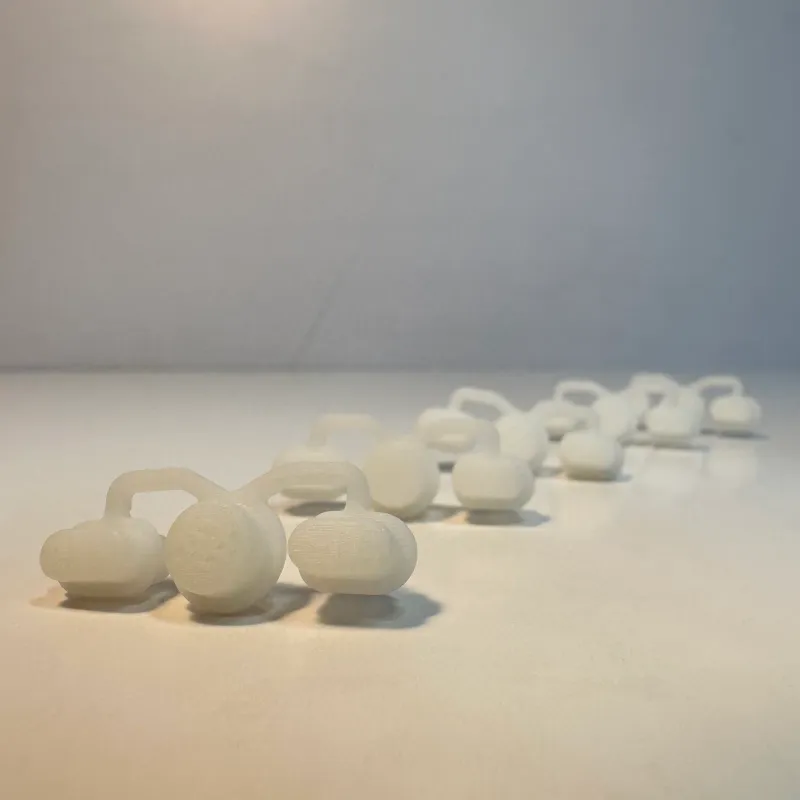
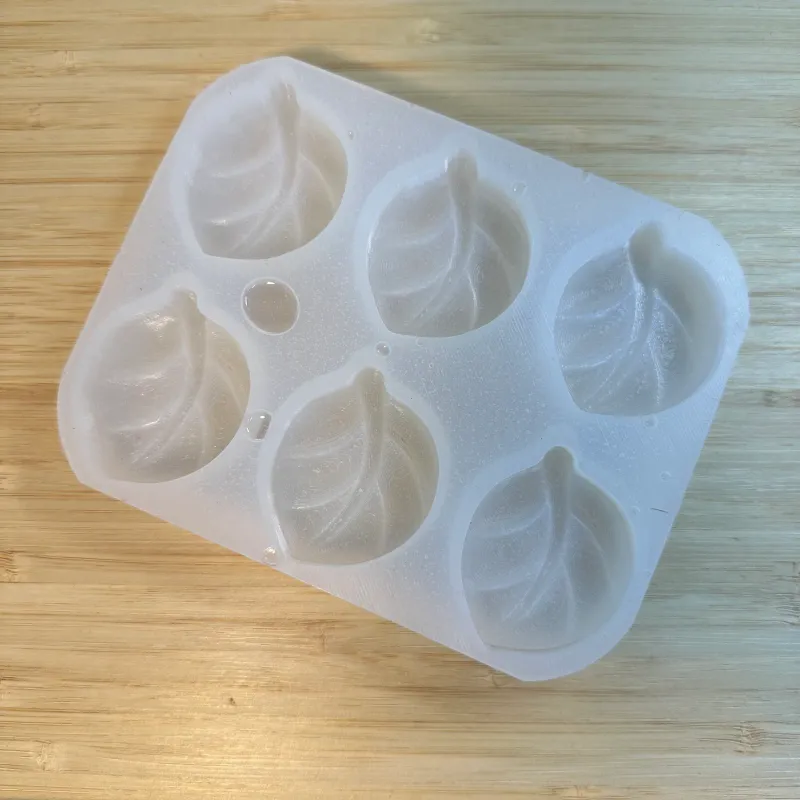
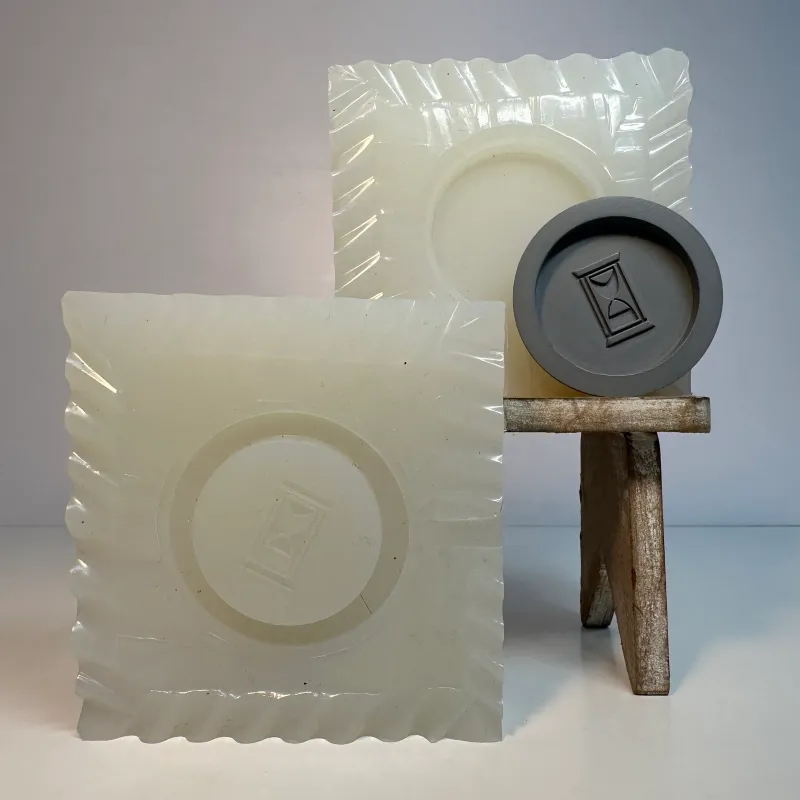
Read first
-
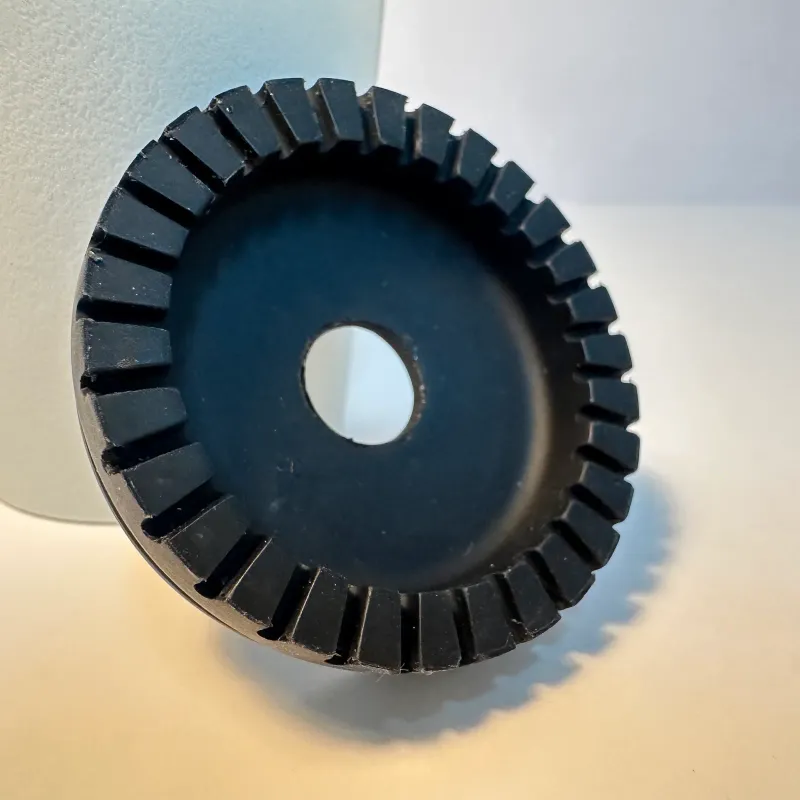 What is vacuum casting, and when should you use it?
 -
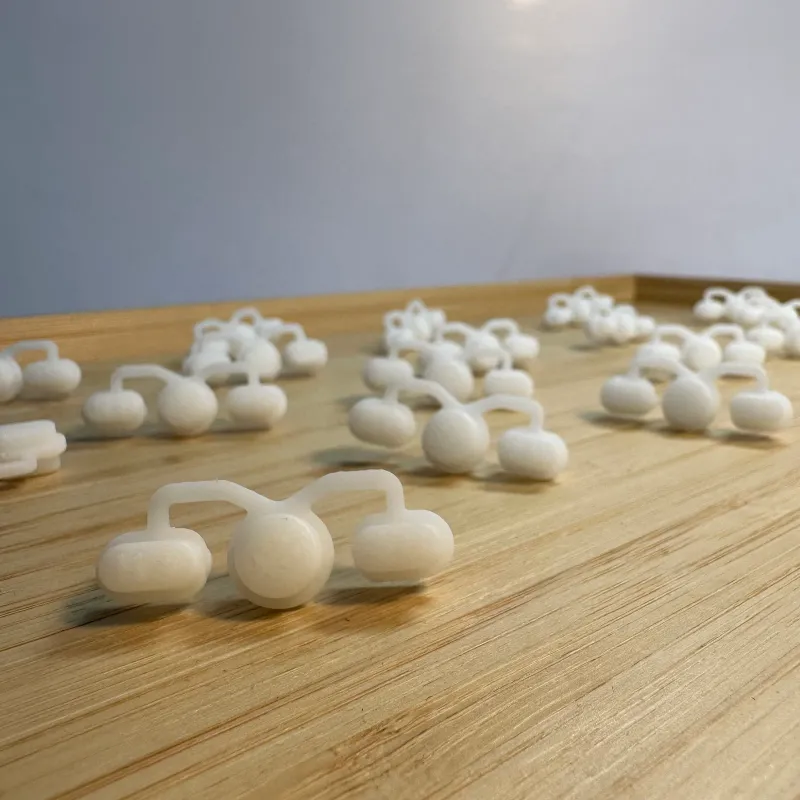 One part, 50 or 5,000: 3D printing, silicone moulding or injection moulding?
 -
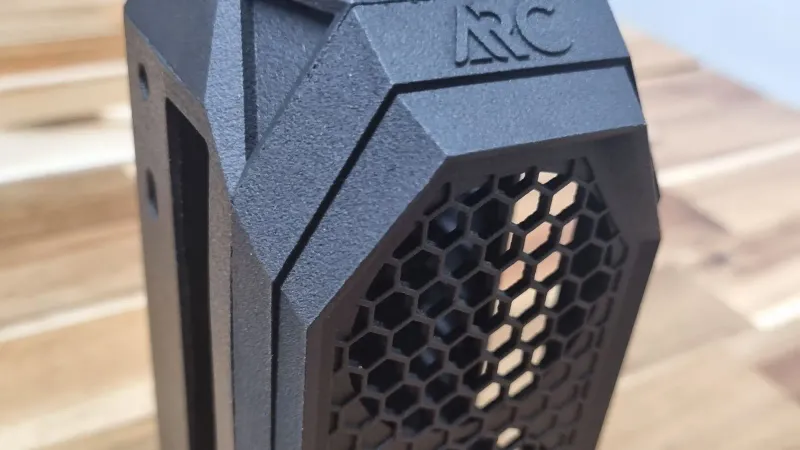 FDM, SLA, SLS, MJF or metal: which 3D printing process suits your part?
 -
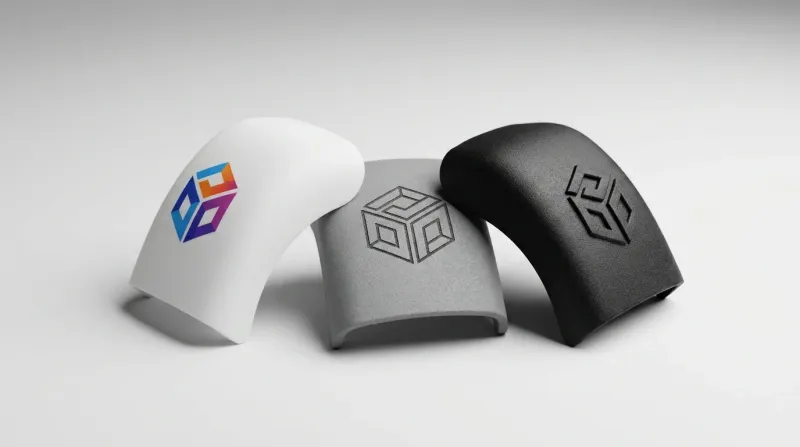 How do you get a logo onto a 3D print?
 -
 Which 3D printing material should you choose?
 -
 How clear can a 3D printed part get?
When you need 50 identical parts, 3D printing each one is slow and inconsistent. When you need 5,000, injection molding wins. Silicone molding is the sweet spot in between: you print one perfect master, we cast everything else. Every mold starts from that 3D-printed master, and you can price the printed part itself instantly with our instant quote tool.
There is no minimum order. A larger run costs less per piece than a single piece, because the mold is made once and every cast after it is cheap. If you only need one piece, reach out and we will advise on the suitable method. See our pricing page for how mold and casting work is priced.
When it isn’t the right call
- 1,000+ units long-term: get injection molding tooling instead. We can build the master and arrange the tool for you.
- Parts with sharp internal corners or zero draft: the silicone tears when demolding. We can advise on small geometry changes.
Send us your part and the quantity you need, and we’ll work out whether silicone molding is the right fit and return a per-mold plus per-cast price.
What's included
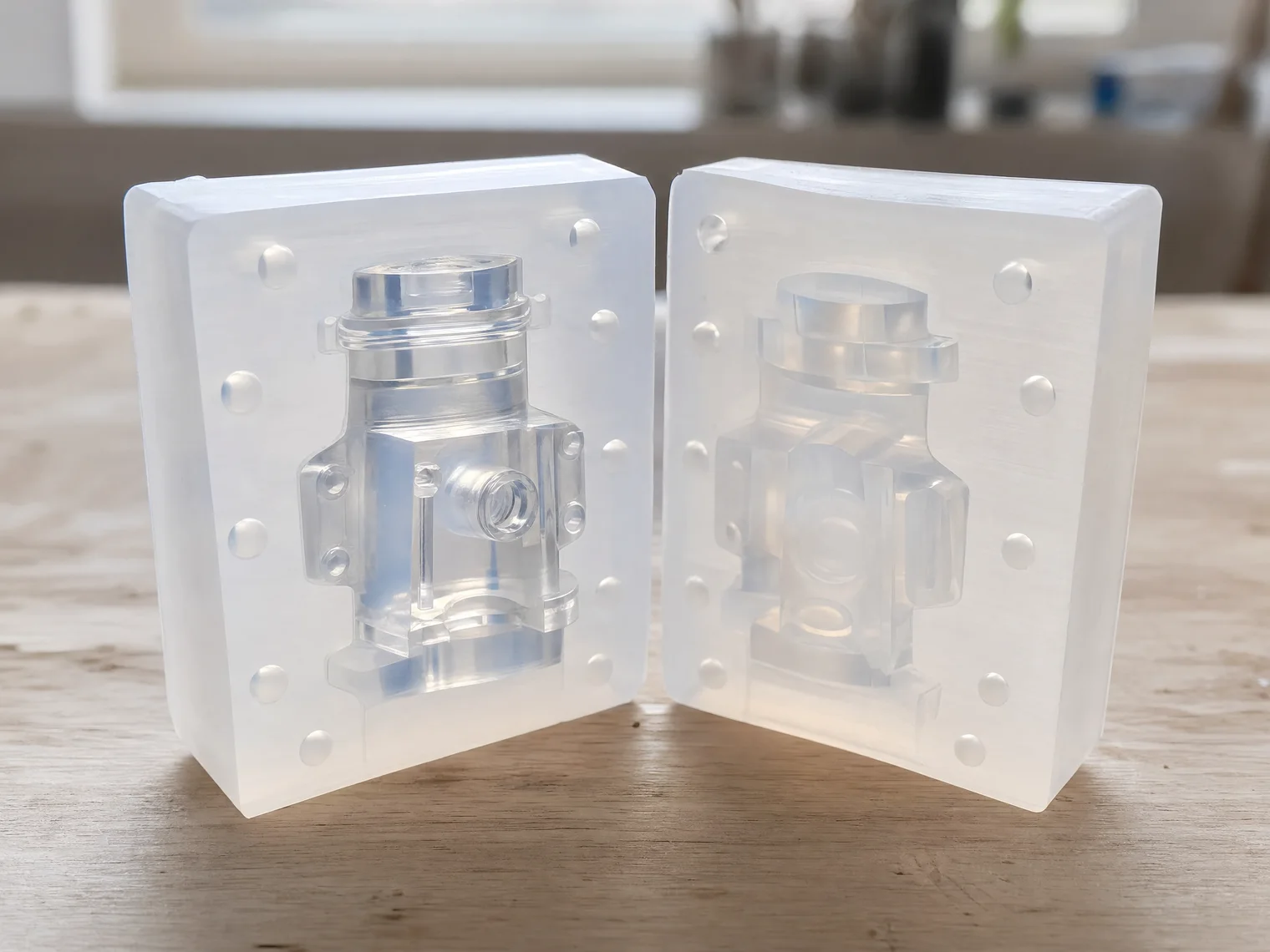
- Two-part RTV silicone mold creation
- Polyurethane resin casting
- Pigment matching to client spec
- Multi-part assembly molds
- Food-safe silicone for kitchen products
- Soft-touch overmolds
How we make it
-
Master pattern
3D-print a hero version of the part, sanded and finished until it's exactly what every cast should look like. The mold remembers everything.
-
Mold building
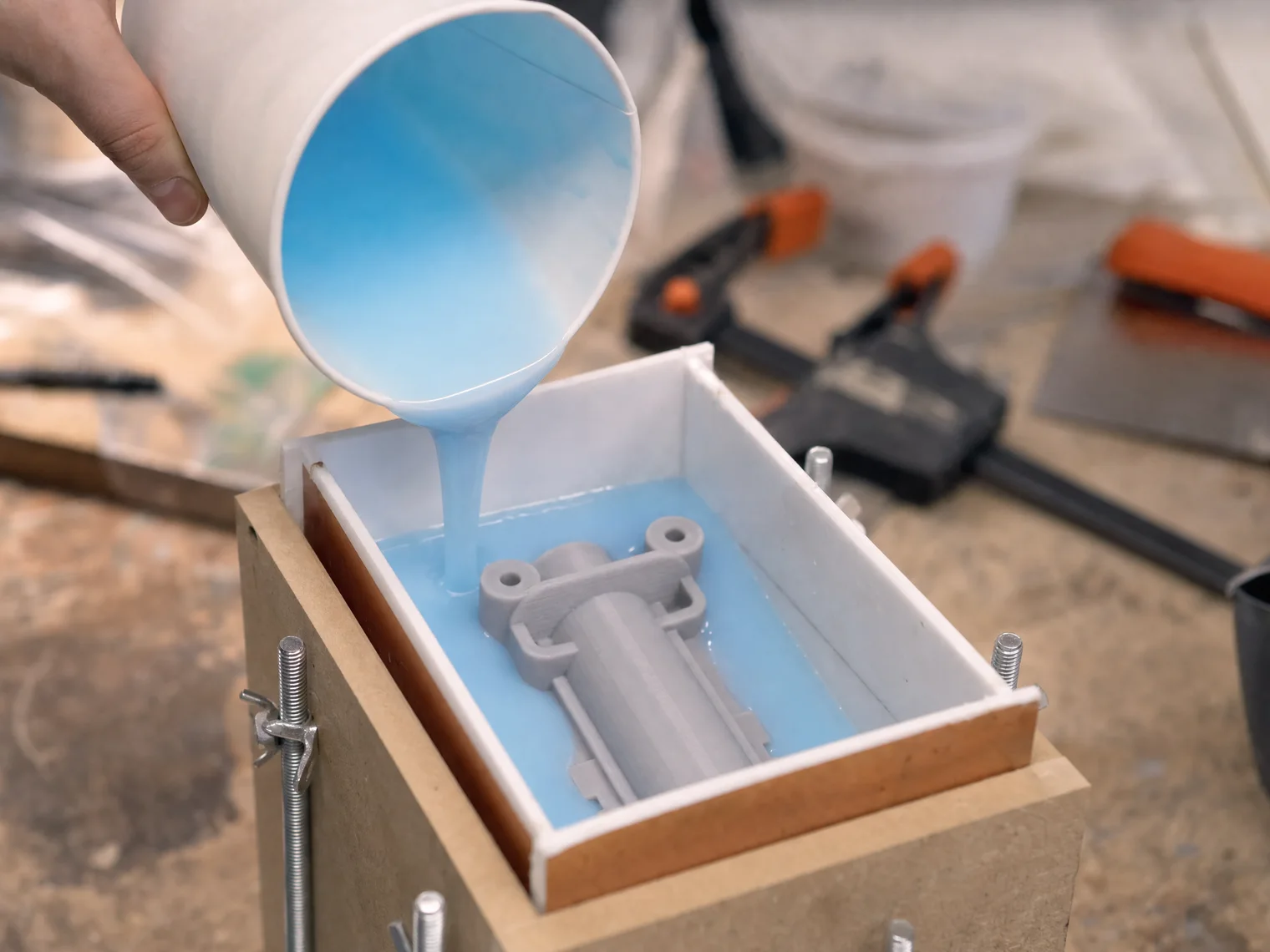
Pour two-part platinum-cure silicone around the master in a 3D-printed mold box. Usually 2 to 3 working days to make, depending on size.
-
Casting
Polyurethane resin (or food-safe silicone, soft-touch elastomer, etc.) fills the mold. Pigment-matched to your spec. Each mold yields 20 to 50 pulls.
-
Demold
Lift the cast part cleanly from the silicone mold. Repeat for the same part, same finish, every time.
-
Finish & QC
Trim flash, sand the parting line, paint or assemble per the spec. Each batch sample-checked against the master before pack.
Frequently asked
When should I use silicone molding instead of just 3D printing every part?
There is no minimum order, but a larger run costs less per piece than a single piece, because the mold is made once and every cast after it is cheap. Silicone molding suits runs from a handful of parts up to a few hundred. For a single piece, reach out and we will advise on the suitable method. Past roughly 1,000 units you start looking at injection tooling. The big advantage is consistency. Every cast pulls the same surface finish off one finished master, which is hard to match printing parts one by one on a filament (fused deposition modeling, FDM) or resin (stereolithography, SLA) printer.
How much does silicone molding cost in Singapore?
Silicone molding is priced by the mold plus a per-cast rate for every part pulled, and the larger the run, the lower the cost per piece. See /pricing for how we price. We build a two-part platinum-cure silicone mold around your finished master, and each mold yields 20 to 50 good pulls before fine detail starts to soften. Send your part and quantity through the free instant-quote tool at /3dprint and we return a per-mold plus per-cast price, usually the same business day.
What materials can you cast and what finish do the parts come out with?
We mainly cast polyurethane resin, plus food-safe silicone for kitchen products and soft-touch elastomers for overmolds. Pigment is matched to your spec, and we can do multi-material parts like a hard core with a soft-touch skin. Each batch is trimmed, the parting line sanded, then painted or assembled and sample-checked against the master before it leaves the studio at 994 Bendemeer Road.
How is this different from injection molding, and what is the lead time?
Injection molding needs expensive steel tooling that only pays off past roughly 1,000 units, whereas a silicone mold is built from a 3D-printed master at a fraction of the cost. That makes silicone the right call for short to medium runs, fine detail, or pilot runs. As a general guide it takes about 1 week to design the master, 2 to 3 working days to make the mould, then 7 to 10 working days of casting. Smaller parts can be faster, and size and design change it, so check with us. If your volume grows long-term, we build the master and arrange the injection moulding tool for you.