

What is FDM 3D printing, and when is it the right choice?
Updated
On this page
- FDM (filament printing) at a glance
- How FDM works: a hot nozzle draws one layer at a time
- Layer lines and strength: weaker across the layers
- Supports: needed under anything leaning past 45 degrees
- Materials: PLA for most parts, carbon fibre for tough ones
- Size: up to 1 m x 1 m x 1.2 m in one piece
- Detail: fine enough for 0.6 mm features and 1.0 mm text
- Colours: up to four in one print
- Lead time: 4 to 7 working days for a normal-size part
- When another process suits better: resin, nylon, CNC or a mould
- Frequently asked
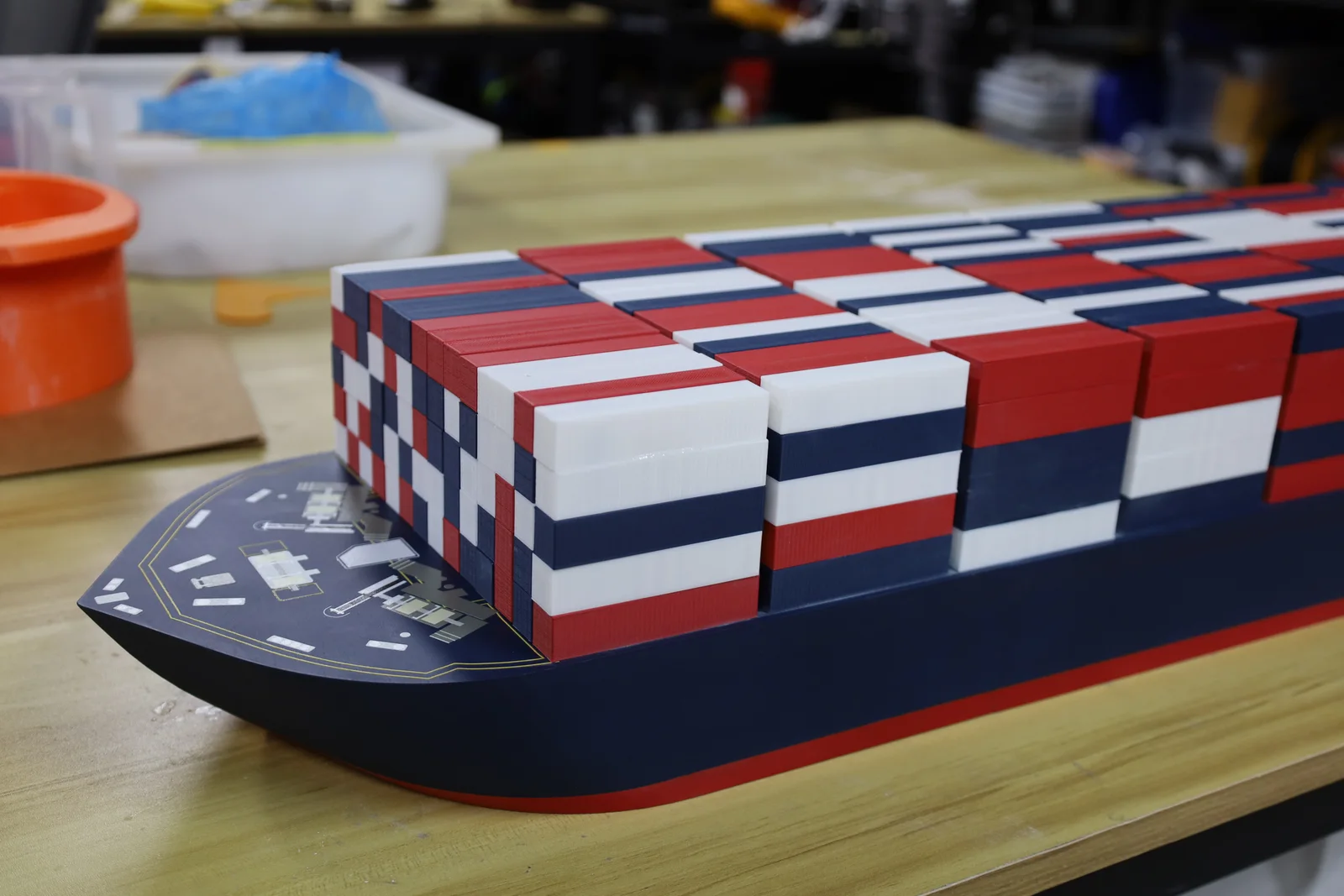
Fused deposition modeling (FDM) is a 3D printing process that melts plastic filament and lays it down one thin layer at a time, and it is the lowest-cost way to make a real plastic part. It is the right choice for prototypes, jigs, enclosures and big models, and the wrong one when you need very fine detail, a smooth surface straight off the printer or equal strength in every direction.
FDM (filament printing) at a glance
| What you want to know | FDM (filament printing) |
|---|---|
| How it makes a part | A hot nozzle melts plastic filament and draws each layer on top of the last |
| Materials | PLA, PETG, ABS, ASA and flexible TPU, plus carbon-fibre and engineering filaments |
| Largest single piece | 1000 x 1000 x 1200 mm; bigger parts are printed in sections and joined |
| Layer height | 0.1 to 0.3 mm |
| Finest detail | 0.6 mm, and 1.0 mm strokes for text you need to read |
| Accuracy as printed | ±0.3 mm up to 100 mm, then ±0.3% |
| Colours | Up to four in one print, or any colour painted over a primer |
| Lead time, normal-size part | 4 to 7 working days |
| Best for | Prototypes, jigs and fixtures, enclosures, large models and display pieces |
| Not the best for | Very fine detail, a smooth surface without finishing, parts loaded hard across their layers |
Normal-size part: about 10 to 15 cm across. Larger prints take longer, so check with us.
Design figures come from our 3D printing design rules, which set filament beside resin, nylon and metal.
How FDM works: a hot nozzle draws one layer at a time
Software called a slicer cuts your 3D model into thin layers, 0.1 to 0.3 mm each. The printer pushes plastic filament through a heated nozzle and traces the first layer on the build plate, then rises one layer and draws the next on top, where it fuses to the one below.
- Inside the part: the walls are solid, and the inside is a lighter grid called infill, so a part uses less plastic than a solid block.
- Other names: fused filament fabrication (FFF) and filament printing are the same process. The standard files it under material extrusion, one of seven families of additive manufacturing.
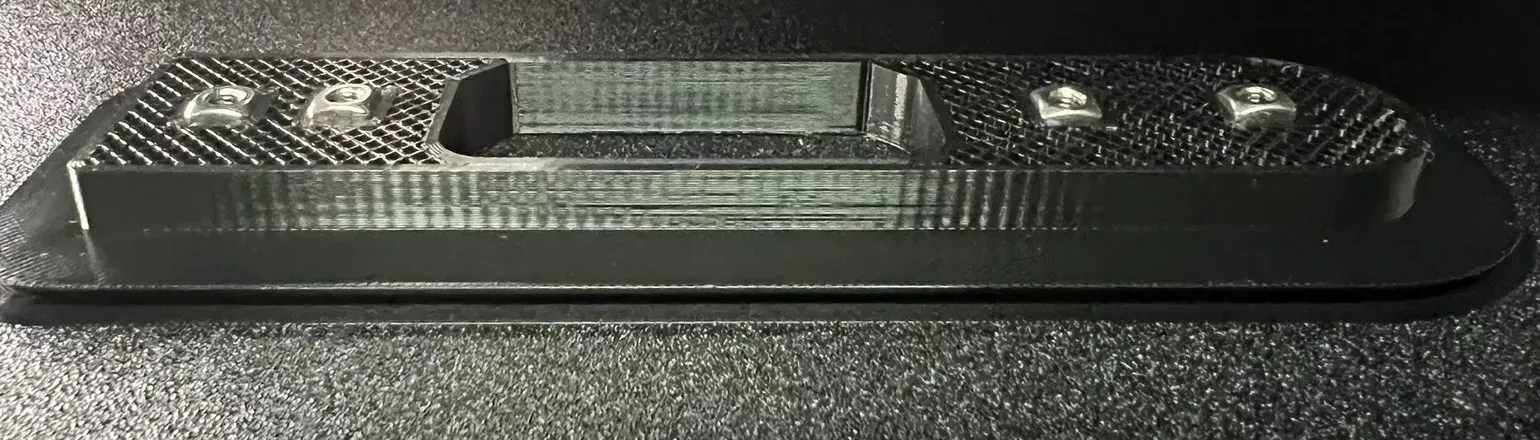
- Mid-print pauses: because the part is open while it builds, nuts and magnets can be dropped in and sealed by the next layers (embedding hardware).
Layer lines and strength: weaker across the layers
Every FDM part shows fine lines where one layer meets the next. Up close they are easy to see, and they catch the light on a curved face.
- Strength: a layer is only fused to the one below, so a part is weaker across its layers. Carbon-fibre nylon (PA6-CF) pulls apart at 102 MPa along its layers but 48 MPa across them, according to its maker’s data sheet.
- What we do about it: we turn a loaded part on the printer so the load runs along the layers. Tell us in the notes how the part is loaded.
- A smooth surface: the lines are filled and sanded, then a primer goes on before the paint (colour and finishing).
Supports: needed under anything leaning past 45 degrees
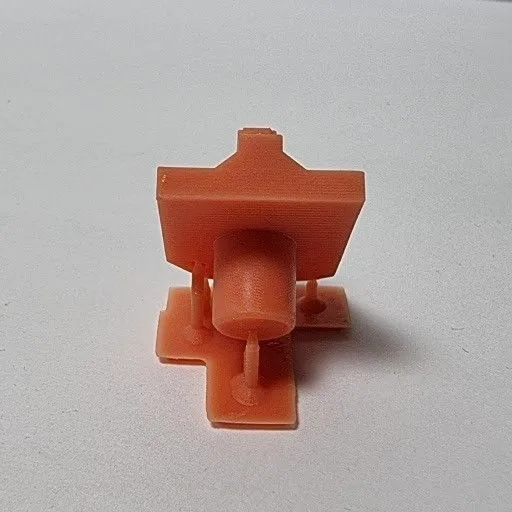
A layer can only be drawn on something. A face that leans out more than 45 degrees from vertical needs supports under it: thin printed scaffolding that is snapped off after printing.
- The cost of supports: they leave rough marks where they touch, which are sanded smooth if the face shows.
- Designing them out: a chamfer of 45 degrees under a ledge prints itself, and a short gap of under about 10 mm in PLA bridges cleanly with nothing under it.
Materials: PLA for most parts, carbon fibre for tough ones
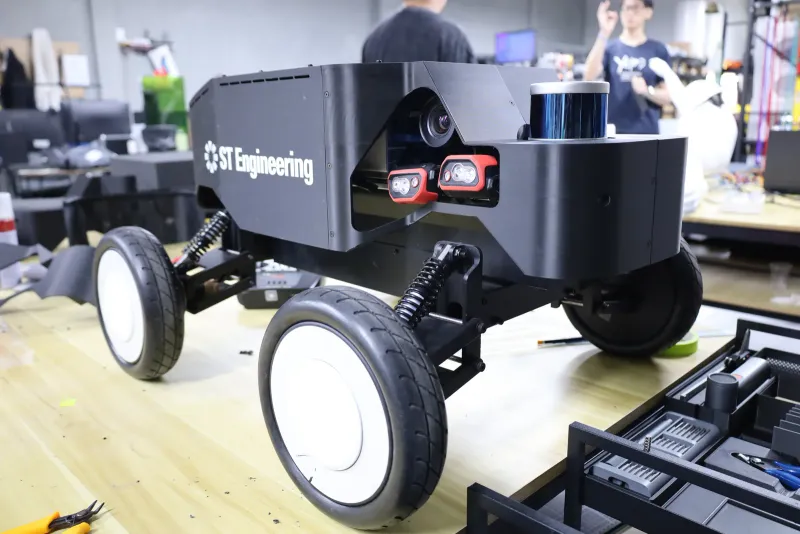
PLA is the usual choice for models and display pieces. PETG suits working parts, ABS copes with warm places, ASA stands up to the sun and TPU is for parts that bend (PLA, PETG, ABS, ASA or TPU). For jigs, fixtures and end-use parts, carbon-fibre and engineering filaments such as PETG-CF, PC and PA6-CF go stiffer and hotter (engineering filaments). Other brands or special filaments are on request.
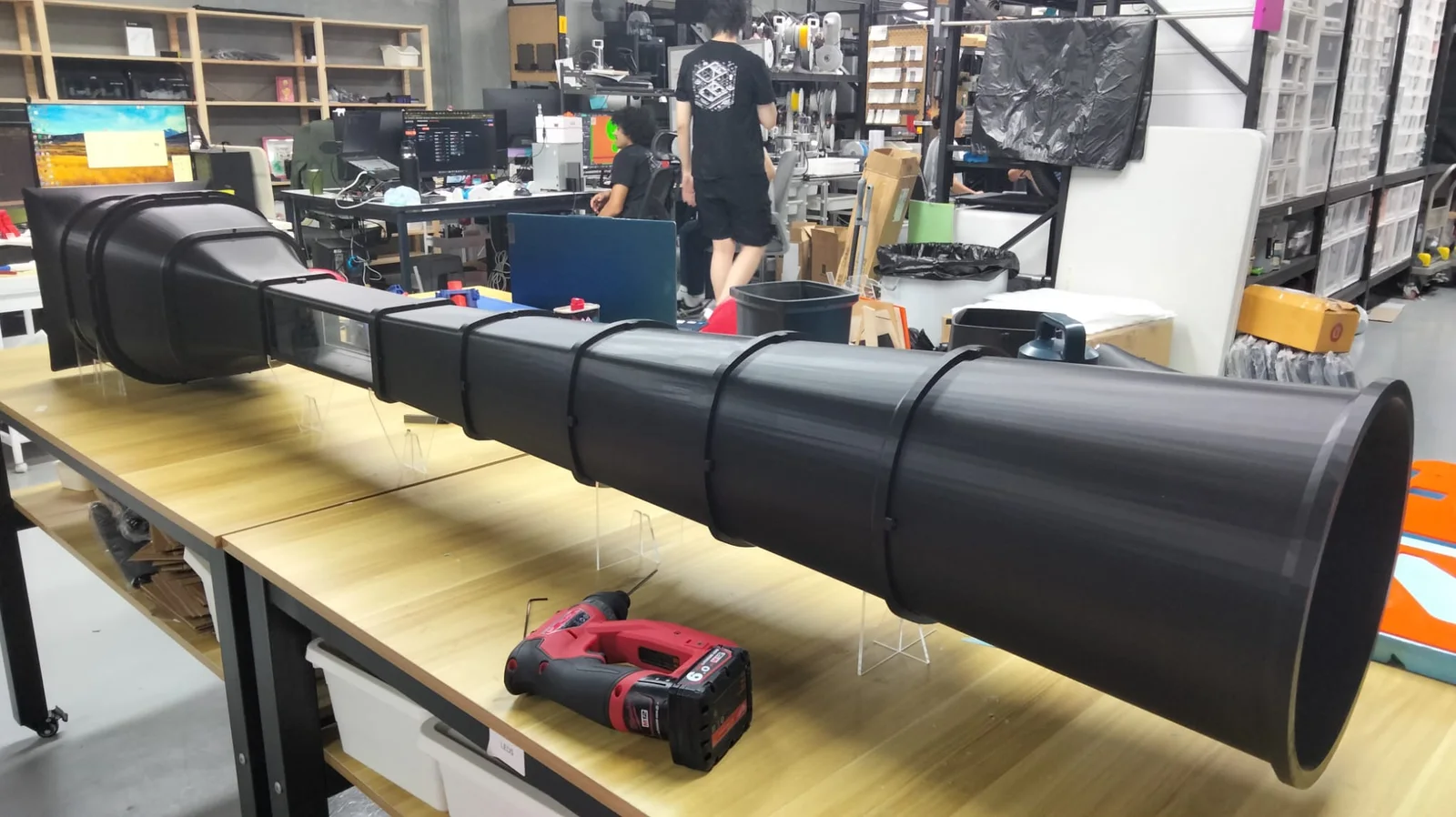
Size: up to 1 m x 1 m x 1.2 m in one piece
One FDM piece can be up to 1000 x 1000 x 1200 mm on our large-format printer, and about a 360 mm cube on the desktop printers. Anything bigger is printed in sections with pegs that line them up, then glued or bolted together (how big a 3D print can be).
Detail: fine enough for 0.6 mm features and 1.0 mm text
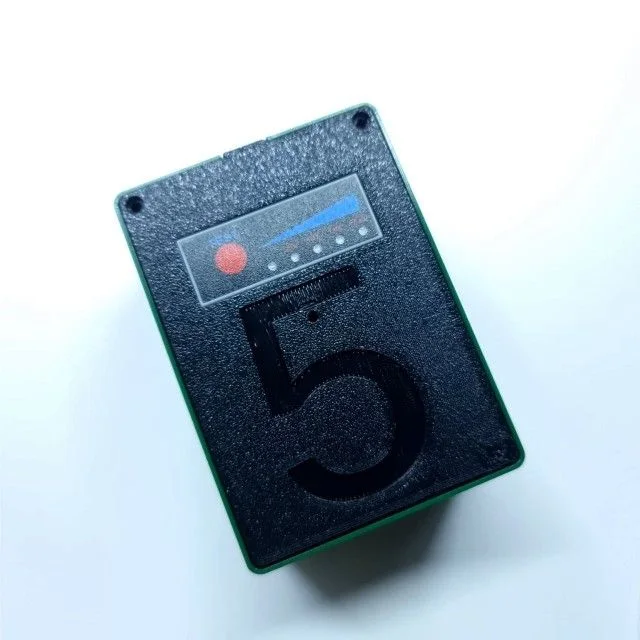
The finest raised or recessed detail that prints in filament is 0.6 mm. Lettering needs strokes of 1.0 mm and letters at least 5 mm tall to read at arm’s length.
- Accuracy: ±0.3 mm on parts up to 100 mm, then ±0.3%. Holes print slightly small, so a hole that must fit is drilled or reamed (3D print tolerances).
- Finer than that: resin printing holds 0.5 mm detail and 2 mm letters, with a smoother surface.
Colours: up to four in one print
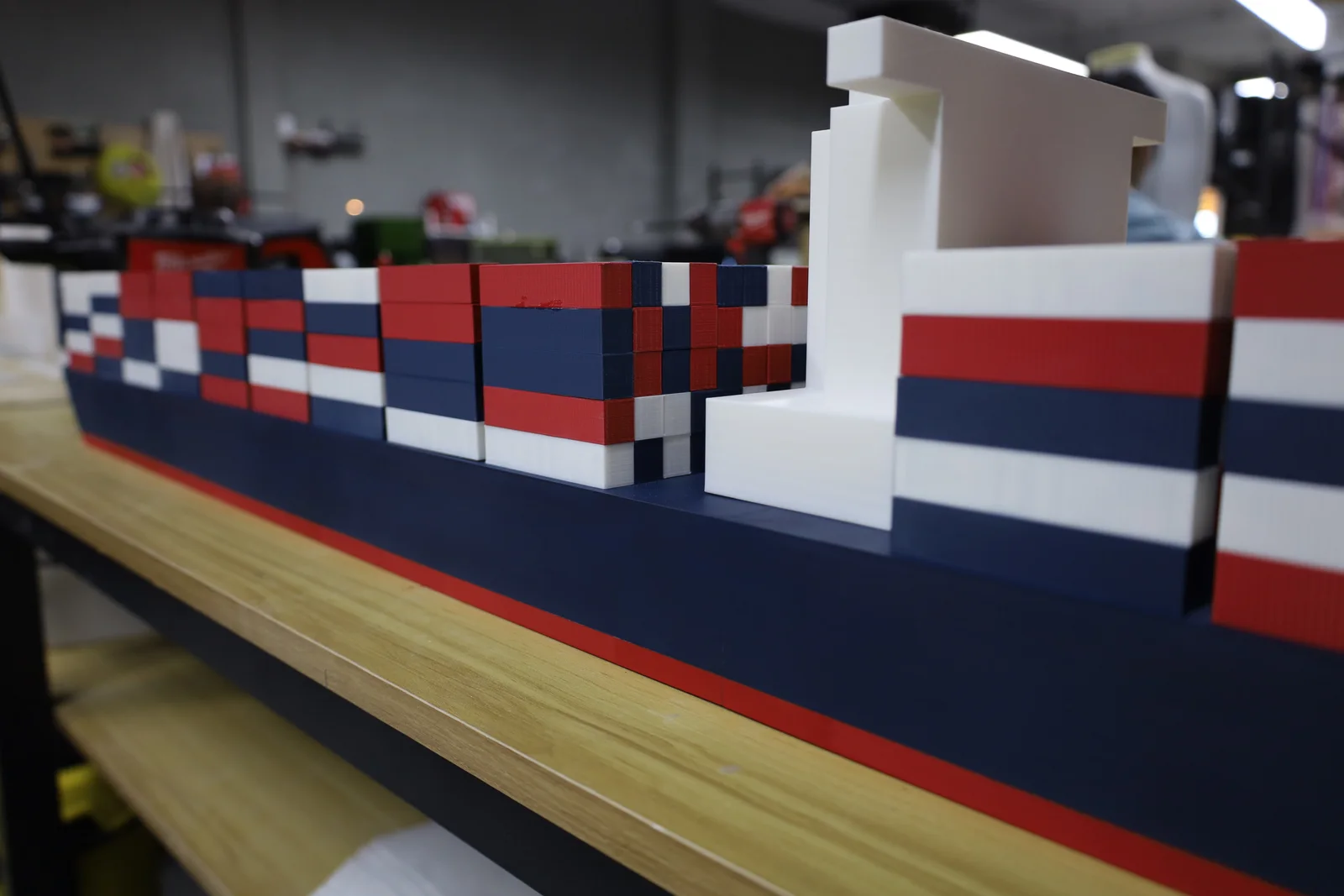
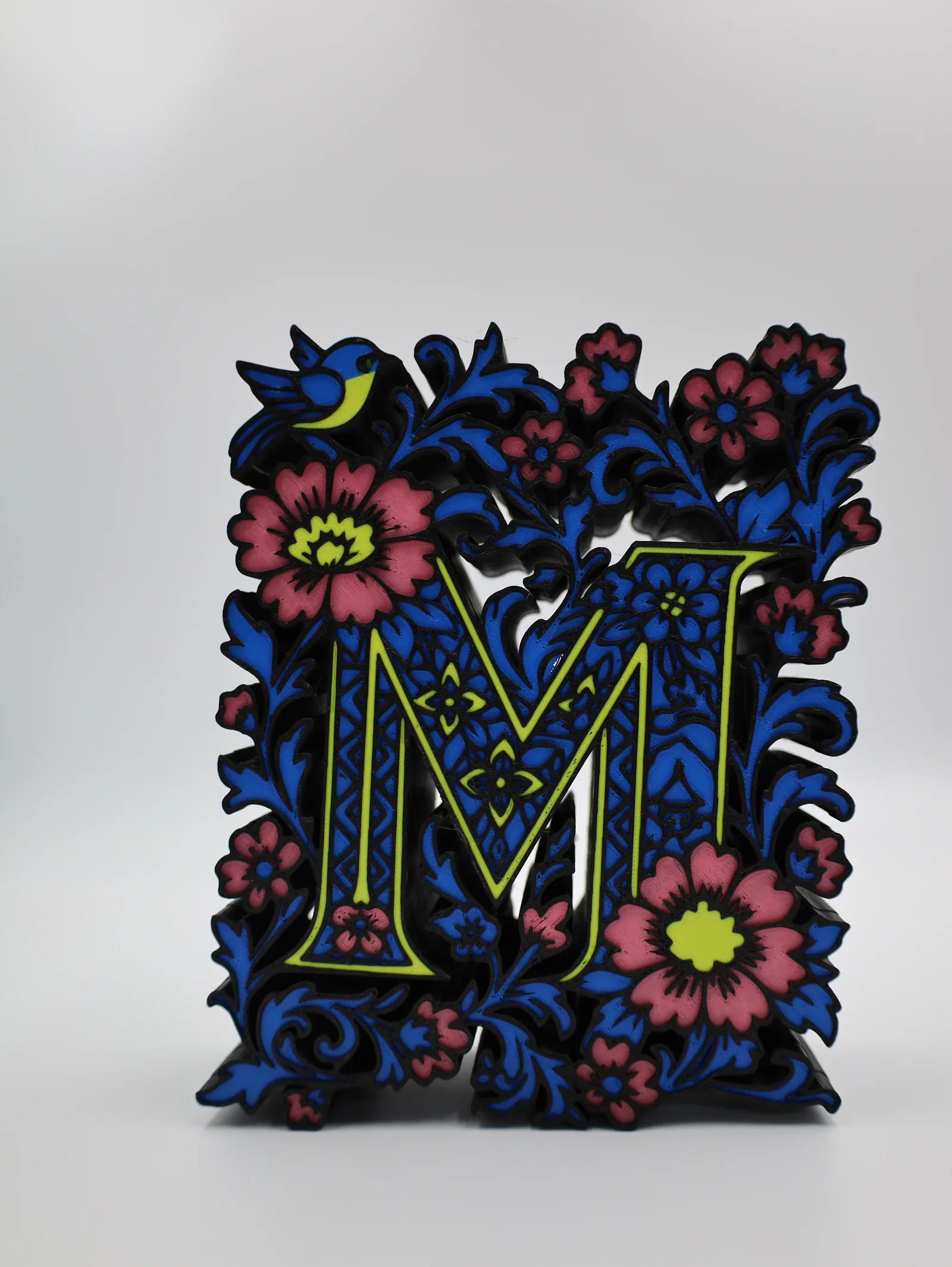
One FDM print can carry up to four colours: the printer swaps filaments as it builds, so the colour runs right through the plastic and cannot chip off. We stock about 30 solid PLA colours. For an exact brand colour, or more colours than one print holds, the part is primed and painted (choosing colours).
Lead time: 4 to 7 working days for a normal-size part
A part about 10 to 15 cm across takes 4 to 7 working days from a confirmed quote. Express is 3 to 5 working days and Super Rush 1 to 3. Larger prints take longer, so check with us, and a part that is primed and painted takes 12 to 18 working days (how long an order takes).
When another process suits better: resin, nylon, CNC or a mould
- Resin printing (stereolithography, SLA): for fine detail and a smooth surface to paint or plate, such as figurines and small display pieces. It is more brittle. See resin printing.
- Nylon powder (selective laser sintering, SLS, or Multi Jet Fusion, MJF): for tough clips, hinges and housings that are equally strong in every direction, with no supports. See SLS and MJF.
- CNC machining: for metal or plastic faces held tighter than ±0.3 mm, or a simple solid shape. See CNC machining.
- Moulding: past about 20 identical parts, silicone moulding is often better value, and past about 1,000, injection moulding (printing or moulding).
Our FDM, SLA or SLS guide compares all five printing processes side by side.
Frequently asked
What is FDM 3D printing?
FDM (fused deposition modeling) is a 3D printing process that melts a plastic filament in a hot nozzle and lays it down one thin layer at a time until the part is built. It is the lowest-cost way to make a real plastic part, from a small bracket to a piece 1 m across.
Is FDM the same as FFF?
Yes, fused filament fabrication (FFF) is another name for FDM, and so is "filament printing". All three mean a part built from melted plastic filament, layer by layer. The international standard files it under material extrusion, one of the seven families of additive manufacturing.
What materials can FDM print?
FDM prints thermoplastic filaments, and we run PLA, PETG, ABS, ASA and flexible TPU every day. We also print stiffer carbon-fibre and engineering filaments: PETG-CF, PC, ABS-GF, PA6-CF, PAHT-CF and PPA-CF. Other brands or special filaments are on request.
How strong are FDM parts?
FDM parts are strong along their layers and weaker across them, because each layer is only fused to the one below. Carbon-fibre nylon (PA6-CF), for example, pulls apart at 102 MPa along its layers and 48 MPa across them, according to its maker's data sheet. So we turn a loaded part on the printer so its load runs along the layers. For a part that must be equally strong in every direction, nylon powder (SLS or MJF) is the better process.
What are the limits of FDM?
FDM's main limits are visible layer lines, a finest detail of 0.6 mm (1.0 mm for text you need to read), supports under anything that leans out more than 45 degrees from vertical, and less strength across the layers than along them. Layer lines can be filled, sanded, primed and painted away; the others are design choices, or a reason to pick resin or nylon instead.
How accurate is FDM printing?
An FDM part is accurate to within ±0.3 mm on parts up to 100 mm, and ±0.3% beyond that. Printed holes come out slightly small, so a hole that must fit a pin or a bearing is drilled or reamed after printing, and a face that must be more exact than that is machined.
How big can an FDM print be?
One FDM piece can be up to 1000 x 1000 x 1200 mm on our large-format printer, and up to about a 360 mm cube on our desktop printers. Anything bigger is printed in sections with pegs that line them up, then glued or bolted together and the seams filled and painted if they must not show.
How long does FDM printing take in Singapore?
A normal-size FDM part, about 10 to 15 cm across, takes 4 to 7 working days from a confirmed quote. Express is 3 to 5 working days and Super Rush 1 to 3. Larger prints take longer, so check with us, and a part that is primed and painted takes 12 to 18 working days. Tell us your deadline when you order.
Related
-
 GuidePLA, PETG, ABS, ASA or TPU: which filament should your part be printed in?
 -
 GuideWhich filament is strong enough for a jig, fixture or end-use part?
 -
 GuideWhich filament (FDM) print defects can you fix in the design?
 -
 ServiceIndustrial 3D Printing
 -
 ServiceColour Application & Finishing
 -
 ServiceProduct Development & Prototyping
 -
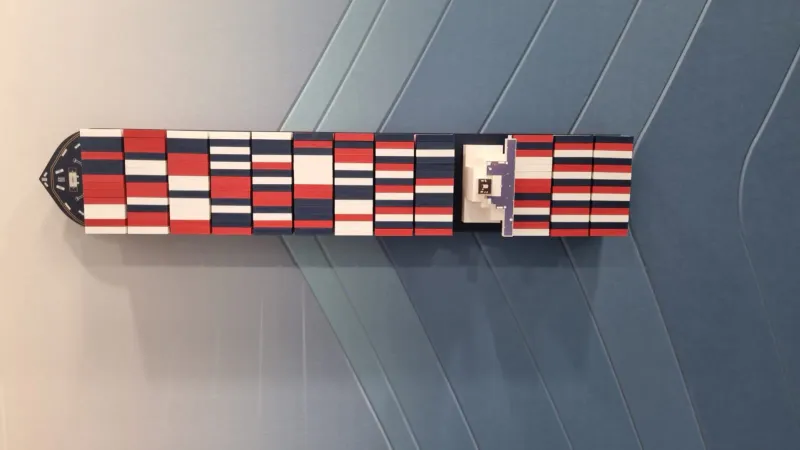 ProjectContainer ship model for Interasia
 -
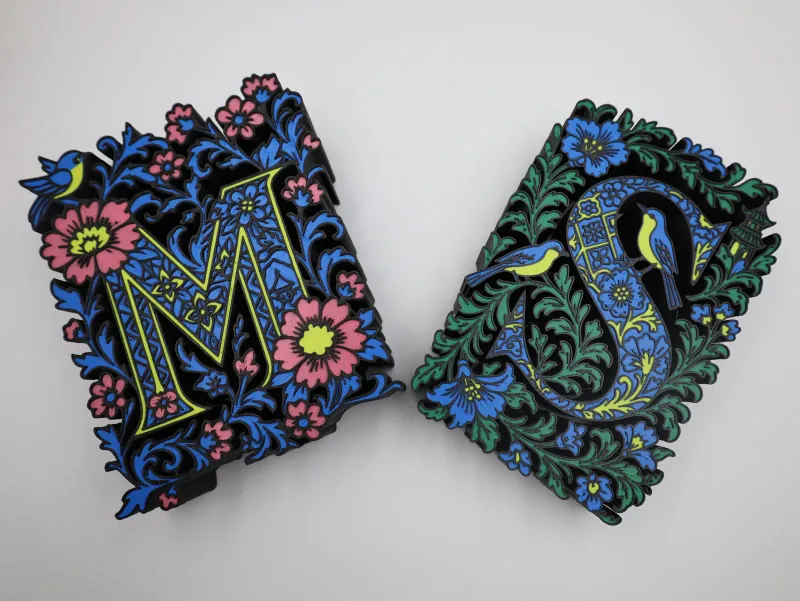 ProjectMulticolour 3D printed letters
 -
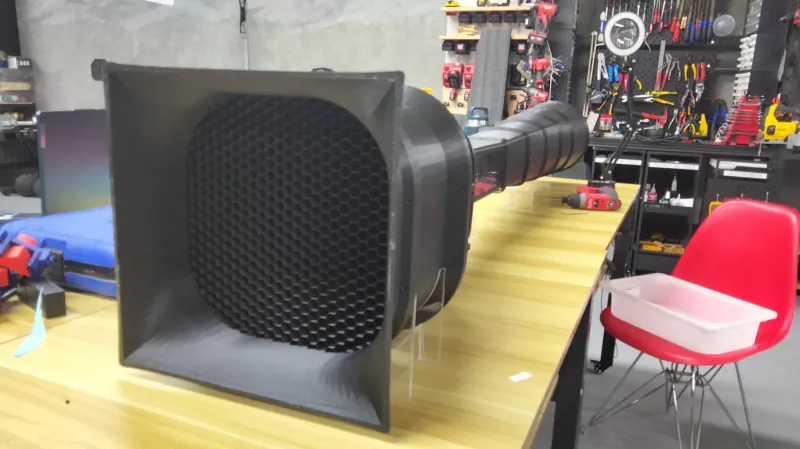 Project3D printed golf ball wind tunnel