

What is additive manufacturing, and how is it used?
On this page
- Additive manufacturing at a glance: five processes you can order
- What is additive manufacturing: building up, not cutting away
- Seven types of additive manufacturing: three cover what we print
- Filament (FDM): the lowest-cost way to make a real part
- Resin (SLA): fine detail, but brittle
- Nylon powder (SLS and MJF): tough parts with no supports
- Metal (SLM): parts that take heat, load and wear
- Strengths and limits: when printing beats machining and moulding
- How additive manufacturing is used: four common jobs
- Additive manufacturing in Singapore: from research to your order
- Frequently asked
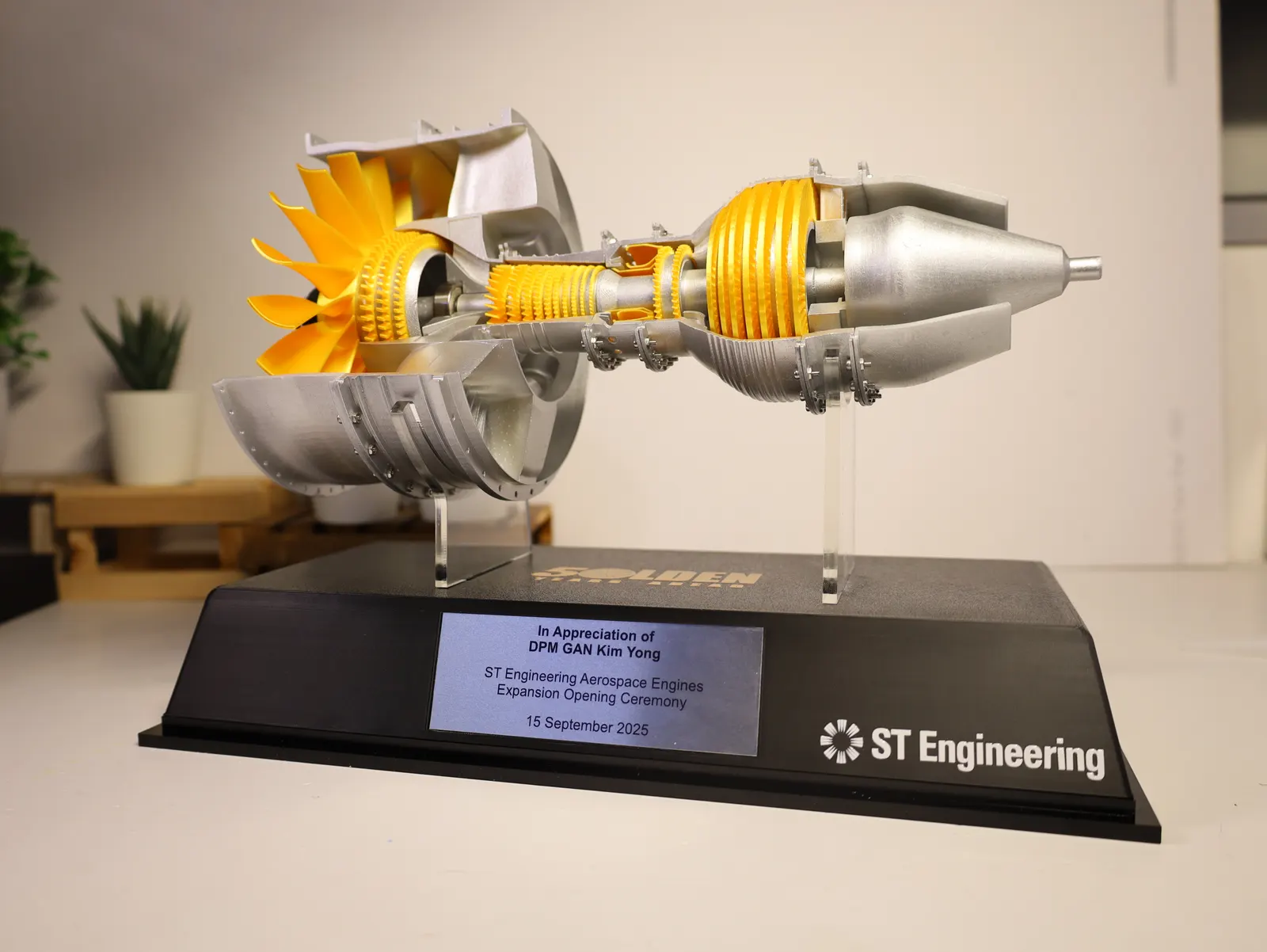
Additive manufacturing is the industry’s name for 3D printing: a part is built up from a 3D file, one thin layer at a time. It is used for prototypes, jigs, scale models and end-use parts, and suits one-offs and small runs where a mould or a cutting tool would cost more.
Additive manufacturing at a glance: five processes you can order
| Process | Best suited to | Lead time, normal-size part |
|---|---|---|
| Filament (FDM) | Prototypes, jigs and large pieces at the lowest cost | 4 to 7 working days |
| Resin (SLA) | Fine detail and smooth surfaces, but brittle | 4 to 7 working days |
| Nylon powder (SLS) | Tough clips, hinges and housings | 8 to 12 working days |
| Nylon powder (MJF) | Tough nylon parts, a little smoother than SLS | 12 to 15 working days |
| Metal (SLM) | Steel, aluminium or titanium parts that take heat and load | 10 to 12 working days |
Lead time is a rough guide in working days from a confirmed quote, for a part about 10 to 15 cm across. Larger prints take longer, large resin parts especially, so check with us. Filament and resin can go express in 3 to 5 working days, or rush in 1 to 3.
A part that is primed and painted, or plated, takes 8 to 15 working days.
What is additive manufacturing: building up, not cutting away
The standard, ISO/ASTM 52900, defines it as the “process of joining materials to make parts from 3D model data, usually layer upon layer”. There are three ways to make a solid part:
- Additive: build it up. Software slices your 3D model into thin layers and the machine builds them one on top of another, so hollow insides and channels need no extra tooling.
- Subtractive: cut it away. A cutting tool removes everything that is not the part, as in CNC machining.
- Formative: shape it in a mould. Material takes the shape of a cavity, as in injection moulding and casting.
Seven types of additive manufacturing: three cover what we print
The standard sorts every printing process into seven families by how a layer is made, following Loughborough University’s summary.
| Process family | How a layer is made | Can you order it here? |
|---|---|---|
| Material extrusion | Melted plastic is pushed through a nozzle | Yes, by FDM |
| Vat photopolymerisation | Light hardens liquid resin in a vat | Yes, by SLA |
| Powder bed fusion | Heat fuses areas of a powder bed | Yes, by SLS, MJF and SLM |
| Material jetting | Droplets of material are jetted, like an inkjet printer | No, but ask us if you need it |
| Binder jetting | Liquid glue bonds powder layers | No, but ask us if you need it |
| Directed energy deposition | Material is melted as it is laid down | No, but ask us if you need it |
| Sheet lamination | Sheets of material are bonded and cut | No, but ask us if you need it |
Filament (FDM): the lowest-cost way to make a real part
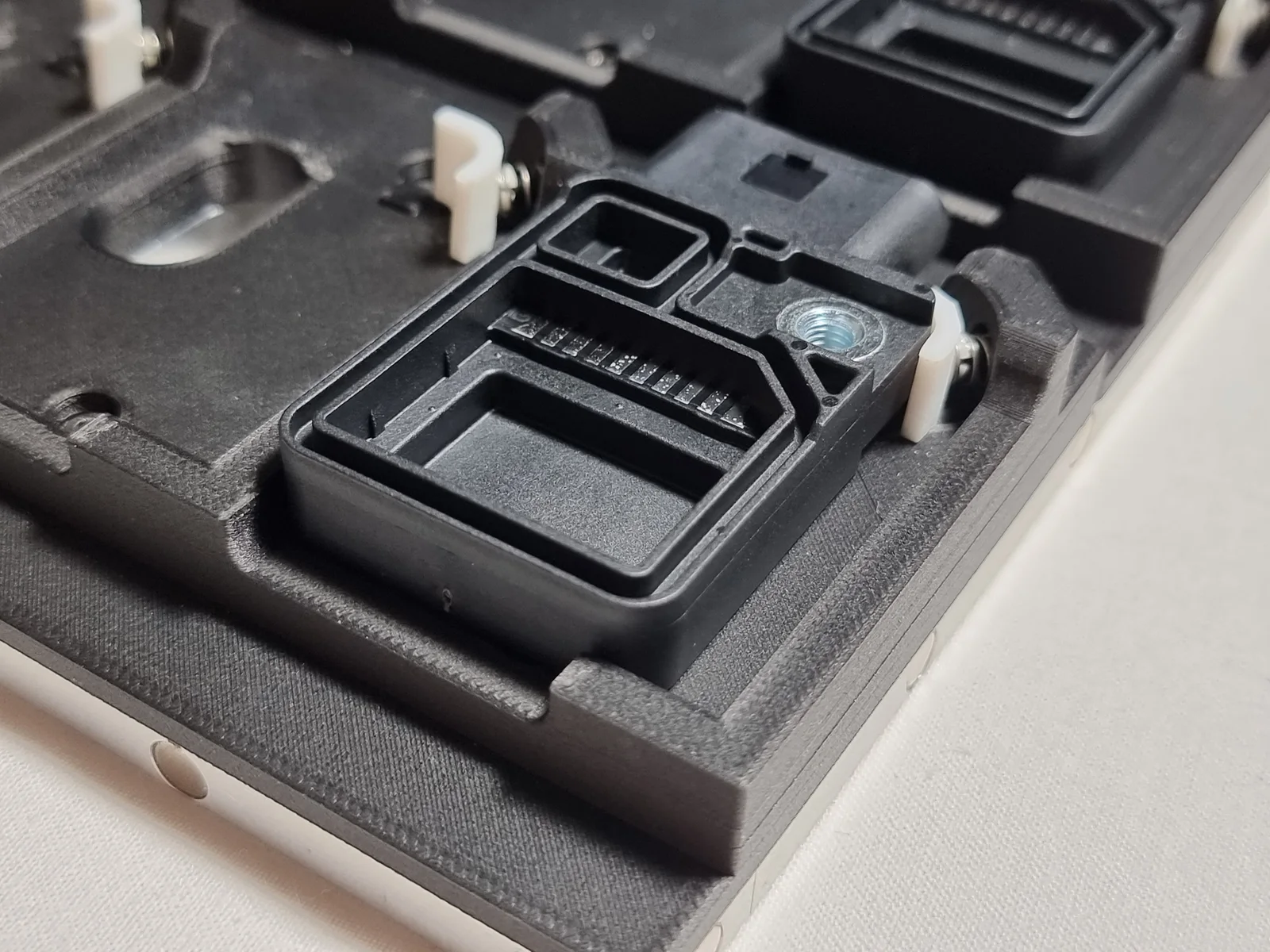
Filament printing, or fused deposition modeling (FDM), squeezes melted plastic through a nozzle. It gives the lowest cost per gram and the biggest pieces, but the layer lines show. See what FDM is.
Resin (SLA): fine detail, but brittle
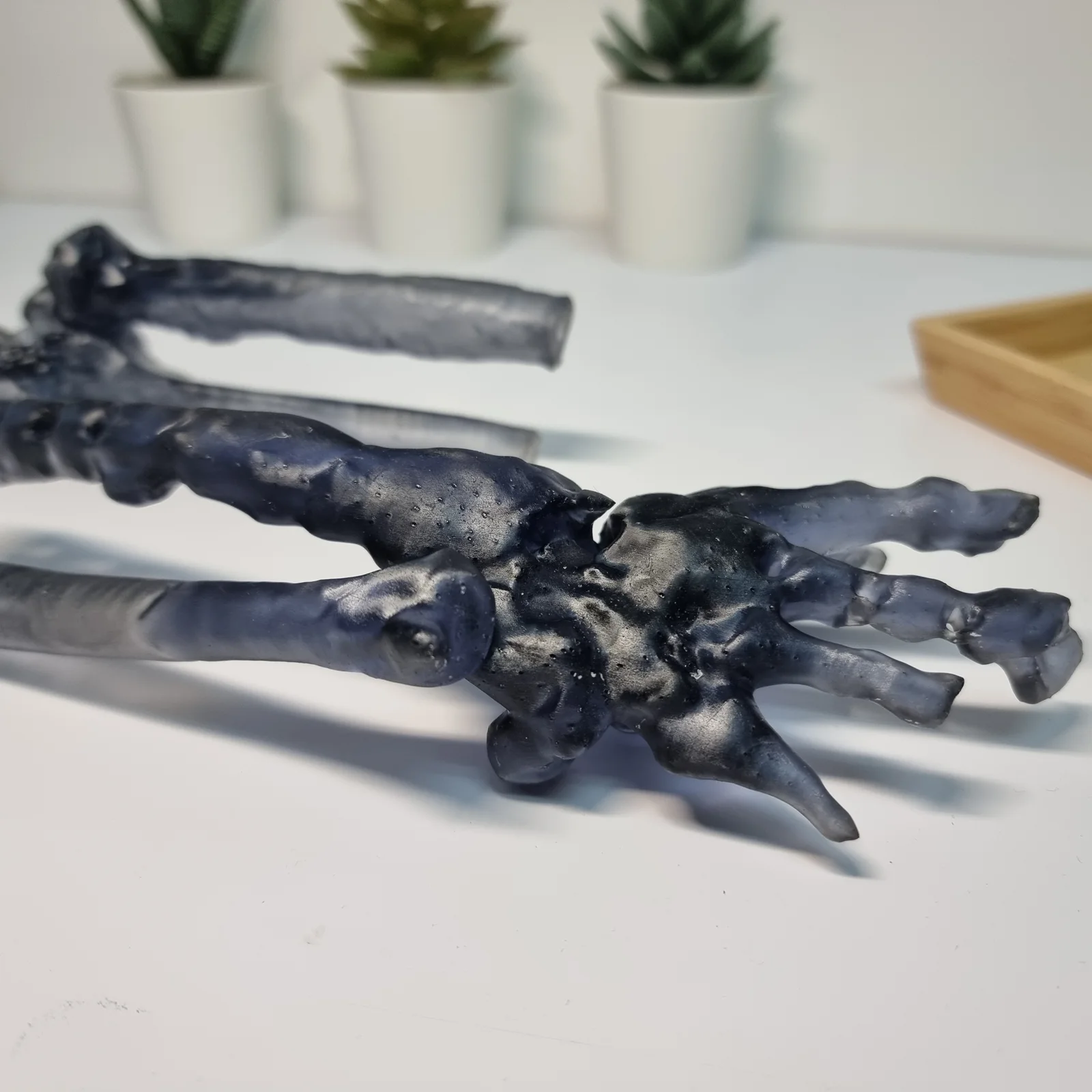
In stereolithography (SLA), light hardens liquid resin into the finest detail and smoothest surface of the five. It takes paint well once primed, but it is more brittle than the others. See resin printing.
Nylon powder (SLS and MJF): tough parts with no supports
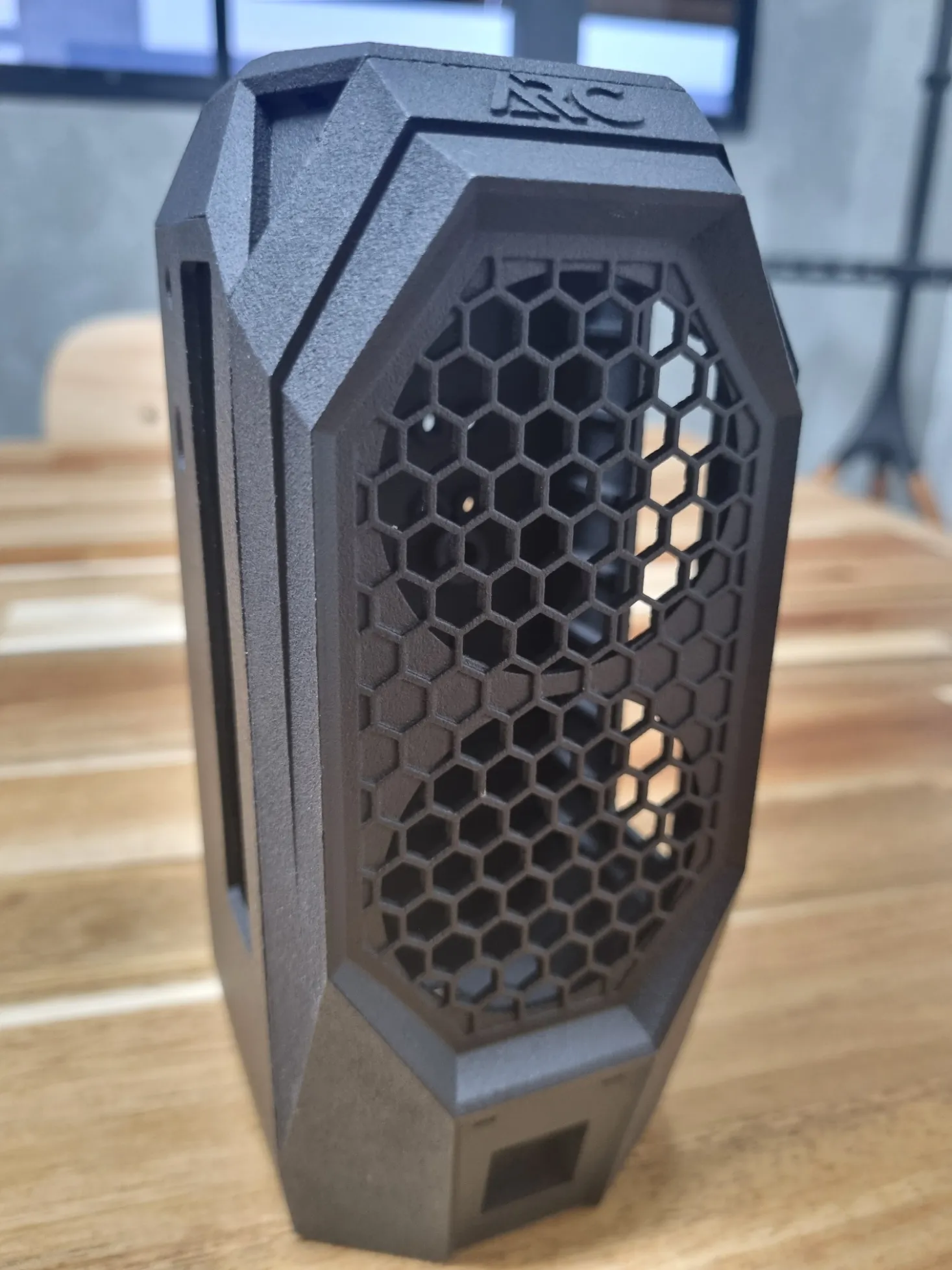
Fused nylon powder makes parts equally strong in every direction, and the loose powder holds the part up as it prints, so it needs no supports. Selective laser sintering (SLS) fuses the powder with a laser. Multi Jet Fusion (MJF) prints a liquid onto it and fuses it with heat, for a slightly smoother finish. MJF prints in black PA12 nylon or PA12 with glass beads. In practice the two are close, so the choice usually comes down to price and preference. See nylon printing.
Metal (SLM): parts that take heat, load and wear
In selective laser melting (SLM), a laser melts fine metal powder into solid steel, aluminium or titanium. See metal 3D printing, and metal printing compared with CNC machining if the part could be cut instead.
Strengths and limits: when printing beats machining and moulding
- Printing wins on one-offs and small runs, with no tooling to pay for, on shapes a cutter cannot reach, such as internal channels and lattices, and on designs that are still changing.
- Moulding wins on quantity: silicone moulding for about 20 to a few hundred copies, and injection moulding past about 1,000.
- Machining wins on precision: prints hold about ±0.3 mm on parts up to 100 mm, against ±0.05 mm for CNC machining. See 3D print tolerances.
How additive manufacturing is used: four common jobs
- Jigs and fixtures hold a part in exactly the same place every time, and each one is shaped to fit its part.
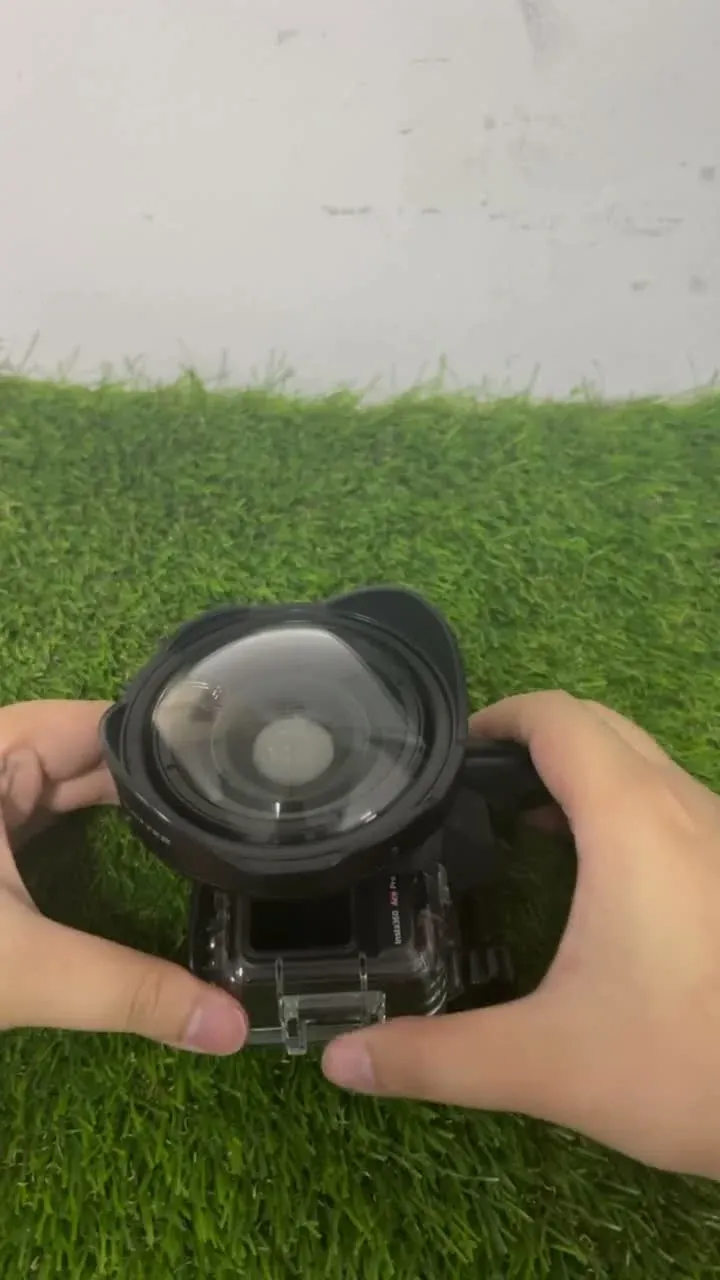
- Prototypes test an idea before tooling: a printed version takes days where a mould takes weeks, as with a camera lens adapter we printed in several versions.
- Scale models are made of many different parts, like the ST Engineering jet engine at the top of this page, whose fan blades, compressor stages and casing were all printed.
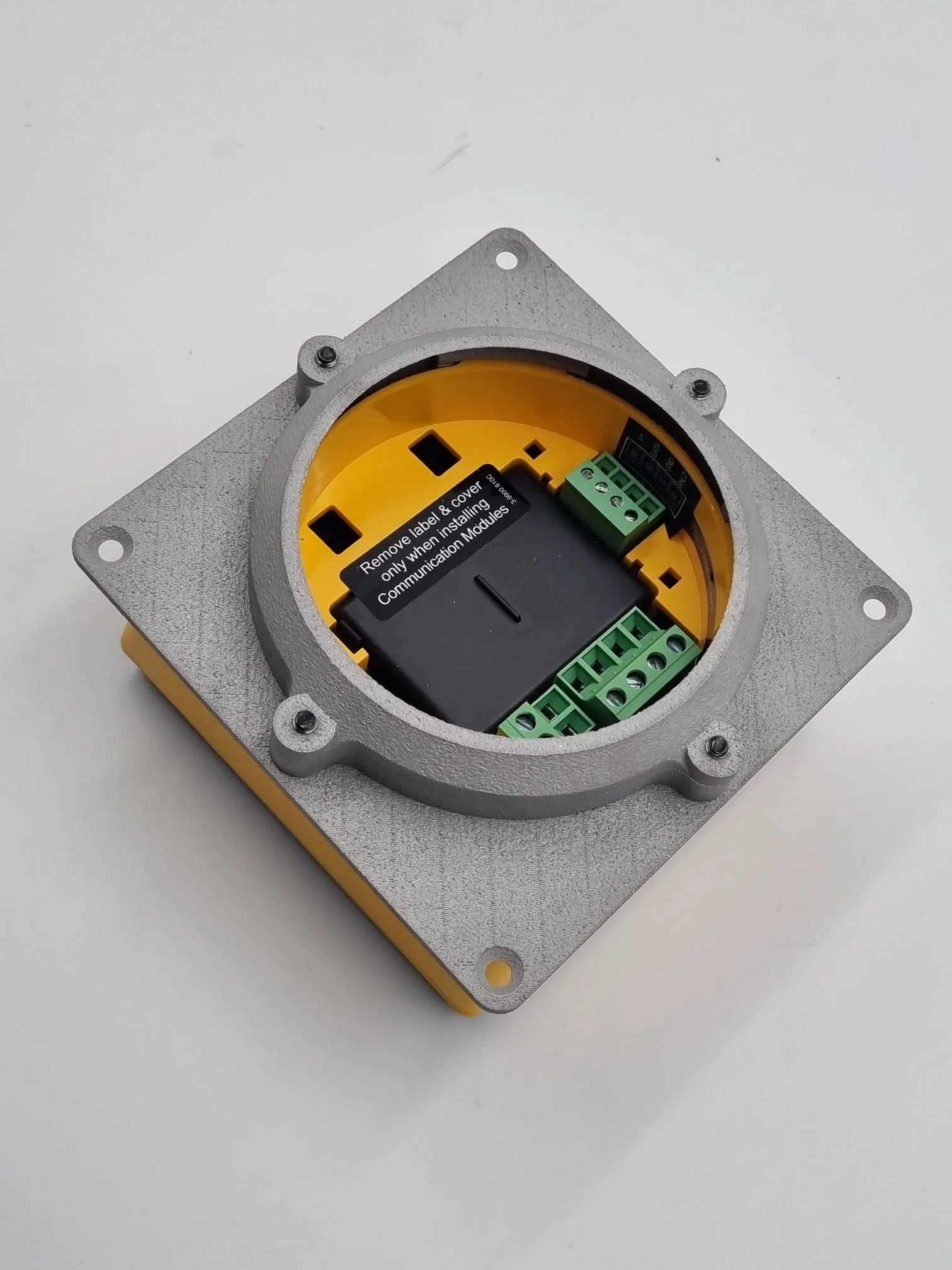
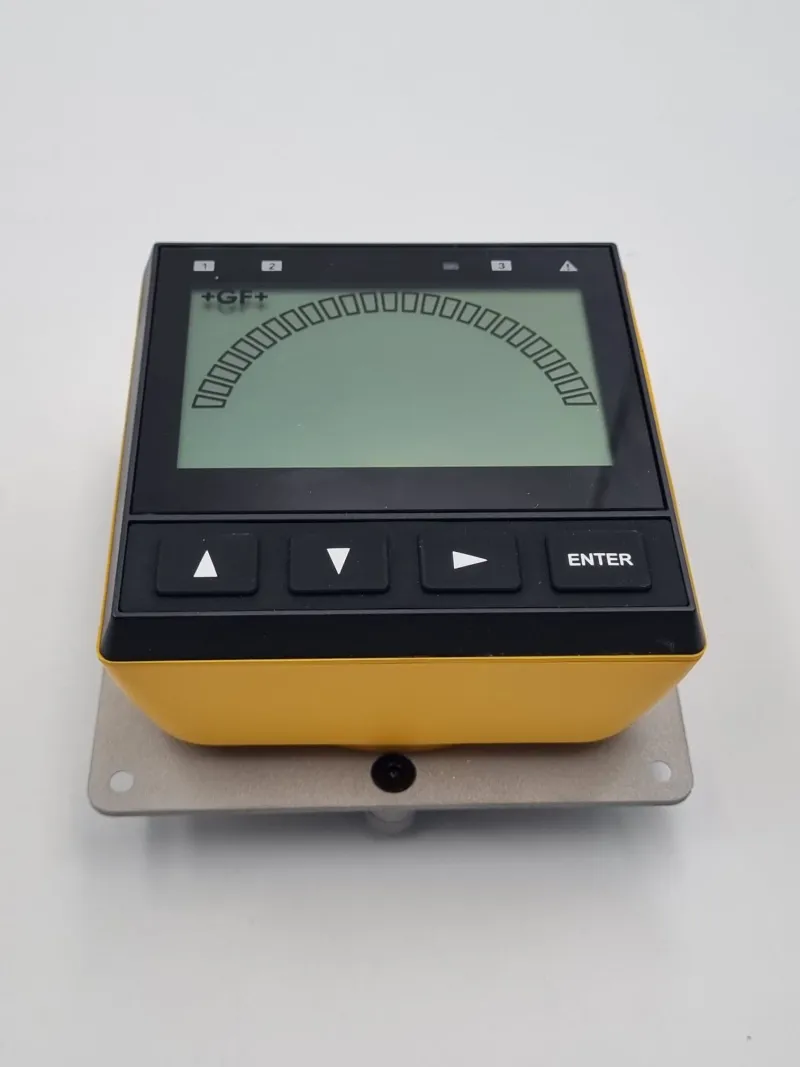
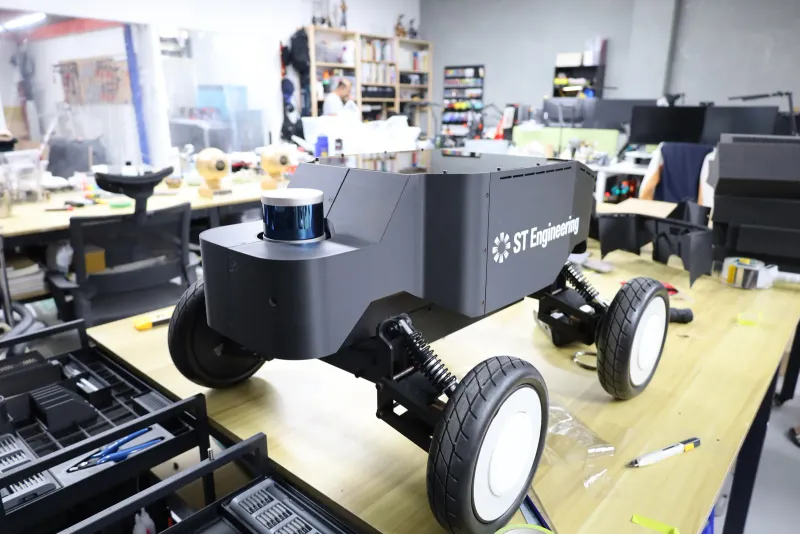
- End-use parts go into products, such as the computer case above or a flow meter mount tested in PLA plastic first, then printed in metal.
Additive manufacturing in Singapore: from research to your order
Nanyang Technological University’s Singapore Centre for 3D Printing began in 2014, and the National Additive Manufacturing Innovation Cluster (NAMIC) helps companies put that research to use. To order a part from us, send a 3D file and say what the part has to do. A person checks it before it prints. Our studio is at 994 Bendemeer Road.
Frequently asked
Is additive manufacturing the same as 3D printing?
Yes, additive manufacturing and 3D printing are the same thing. Additive manufacturing is the term the standards and the engineering trade use, and 3D printing is the everyday name. Some people keep "additive manufacturing" for industrial production and "3D printing" for prototypes and hobby machines, but the process is the same: a part built up from a 3D file, layer by layer.
What is ISO/ASTM 52900?
ISO/ASTM 52900 is the international standard that sets the vocabulary of additive manufacturing, written jointly by ISO and ASTM International. Its current edition, from 2021, defines the term itself and sorts every printing process into seven families, so a maker and a buyer can name a process the same way.
Is additive manufacturing cheaper than CNC machining or injection moulding?
Additive manufacturing is usually cheaper than machining or moulding for one part or a handful, because there is no tooling to pay for, but past roughly 1,000 identical units injection moulding wins. Plastic prints are priced by weight and process, and metal prints per job. A simple solid part is often better value machined, whatever the quantity. Send the file with the quantity and we will tell you which route is cheaper.
How accurate are 3D printed parts?
3D printed parts in filament, resin and nylon are accurate to within ±0.3 mm on parts up to 100 mm, and metal to within ±0.2 mm up to 50 mm. CNC machining holds ±0.05 mm, so a surface that must be more exact than a print allows is drilled, reamed or machined after printing.
Are 3D printed parts strong enough to use, not just to look at?
Yes, many printed parts are strong enough for real use. Nylon powder parts are equally strong in every direction and go into real products as hinges, clips and housings, and printed metal takes heat, load and wear. Filament parts can split along their layers under load, so a filament part that carries force is printed facing the right way, or made by another process.
What file do I need for additive manufacturing?
Additive manufacturing needs a 3D model file, saved as STL, STEP, OBJ or 3MF. A drawing or a photo is not enough on its own, because the printer builds from the 3D shape. If you have no model, our design team can make one from a sketch, a photo or a physical sample.
How long does an additive manufacturing order take in Singapore?
An additive manufacturing order in Singapore takes, as a rough guide, 4 to 7 working days for a normal-size part, about 10 to 15 cm across, in filament or resin. It takes 8 to 12 by selective laser sintering (SLS), 12 to 15 by Multi Jet Fusion (MJF) and 10 to 12 in metal. Filament and resin can go express in 3 to 5 working days or rush in 1 to 3. Larger prints take longer, large resin parts especially, so check with us. Primed and painted or plated parts take 8 to 15 working days. Tell us your deadline when you order and we will say whether we can meet it.
Can a 3D printed prototype go on to injection moulding?
Yes, printing the prototype first is the usual path to injection moulding. The design is proven in printed parts before the steel mould is cut. Once the printed parts work, the design is reviewed for moulding: draft angles, wall thickness, and no undercuts that would trap the part in the mould. Changing a printed part is far cheaper than changing a finished mould.
Related
-
 GuideFDM, SLA, SLS, MJF or metal: which 3D printing process suits your part?
 -
 GuideMetal 3D printing or CNC machining: which does your part need?
 -
 GuideHow much clearance do 3D printed parts need to fit together?
 -
 ServiceIndustrial 3D Printing
 -
 ServiceMetal 3D Printing
 -
 ServiceInjection Molding
 -
 ProjectFlow Meter Panel Mount
 -
 ProjectGoPro Lens Snap Adapter
 -
 ProjectST Engineering Robot Casing