

Which plastic should your injection moulded part be made in?
On this page
- Injection moulding plastics at a glance: seven compared
- ABS and PC: rigid plastics for housings and covers
- Nylon and POM: tough plastics for gears and moving parts
- PP and PE: flexible plastics that resist chemicals
- TPU: the rubbery plastic for seals, grips and bumpers
- Steel or aluminium tool: match the mould to your quantity
- Samples first: test the plastic before the tool is cut
- Frequently asked

For most injection moulded parts, pick ABS for everyday housings, PC when the part must be very tough or clear, POM or nylon for gears and moving parts, PP or PE for lids, hinges and parts that meet chemicals, and TPU when the part must bend like rubber. We deliver the steel or aluminium tool and the production run for customers in Singapore, test the plastic on printed or cast samples before any tool is cut, and check the parts before they ship.
Injection moulding forces melted plastic into a metal mould, called a tool, and repeats it for every part. It pays off past about 1,000 identical parts (3D printing, silicone moulding or injection moulding compares the three by quantity).
Injection moulding plastics at a glance: seven compared
| Plastic | What it is like | Best for | Watch out for |
|---|---|---|---|
| ABS | Rigid, smooth, easy to paint and glue | Housings, covers, consumer products | Fades and turns brittle in strong sun |
| PC (polycarbonate) | Very tough, can be clear | Clear covers, tough enclosures | Scratches easily |
| PA (nylon) | Strong, tough, slides well | Gears, clips, brackets under load | Absorbs moisture, so size shifts a little |
| POM (acetal) | Hard, stiff and slippery | Small gears, bushes, catches | Hard to glue or paint |
| PP (polypropylene) | Light, flexible, resists chemicals | Living hinges, lids, containers | Bends under load, hard to paint |
| PE, including HDPE | Waxy, tough, resists water and chemicals | Sleeves, caps, containers | Soft, hard to glue or paint |
| TPU | Rubbery, bends and springs back | Seals, grips, bumpers | Not for rigid or precise parts |
How to read it: these are general traits of each plastic. Every one comes in many grades, so tell us what the part has to do and we pick the grade with you.
ABS and PC: rigid plastics for housings and covers
ABS is the everyday plastic for things you hold and look at: enclosures, remote controls, covers and trims. It moulds with a smooth surface, takes paint well and can be glued, so it is the plastic to start from for most housings.
PC (polycarbonate) is much tougher and copes with more heat. It is the one to pick when a part must survive being dropped or needs a clear window. A blend of PC and ABS gives some of both.
Their honest limits:
- ABS in the sun: it fades and turns brittle outdoors unless it is painted or a UV-stable grade is used.
- PC scratches: a clear PC part marks more easily than glass.
- Gloss black PC: faint flow lines can show on a dark, shiny surface, so a light texture often looks better.

Nylon and POM: tough plastics for gears and moving parts
Nylon (PA) is strong and tough, and parts slide against it easily. It suits gears, clips, brackets and anything that takes repeated knocks or loads.
POM, also called acetal, is harder and stiffer, and it is very slippery. It keeps its size well, which makes it the plastic for small precise gears, bushes and catches that must move smoothly for years.
Their honest limits:
- Nylon and moisture: it absorbs a little water from the air, so its size and stiffness shift slightly. Allow for this on tight fits.
- POM won’t bond: glue and paint grip it poorly, so plan clips or screws instead.
PP and PE: flexible plastics that resist chemicals
PP (polypropylene) is light, flexible and shrugs off many chemicals. It is the plastic for a living hinge, the thin strip that lets a lid flex open and shut thousands of times, so flip-top caps, clip lids and storage boxes are made in it.
PE is softer and waxy to the touch, and resists water and many chemicals. HDPE, its harder form, suits sleeves, caps and containers.
Their honest limits:
- Not stiff: both bend under load, so they are not for parts that must stay rigid.
- Glue and paint: both have slippery surfaces that glue and paint struggle to grip, so colour goes into the plastic itself.
TPU: the rubbery plastic for seals, grips and bumpers
TPU is a plastic that behaves like rubber. It bends, stretches a little and springs back, so it suits seals, grips, bumpers, feet and soft covers. It also holds up well against scuffs and wear.
Its honest limits:
- Not for rigid parts: a TPU part flexes by design, so it will not hold a precise shape under load.
- Very soft parts: for the softest feel, such as button pads, silicone is often the better choice.
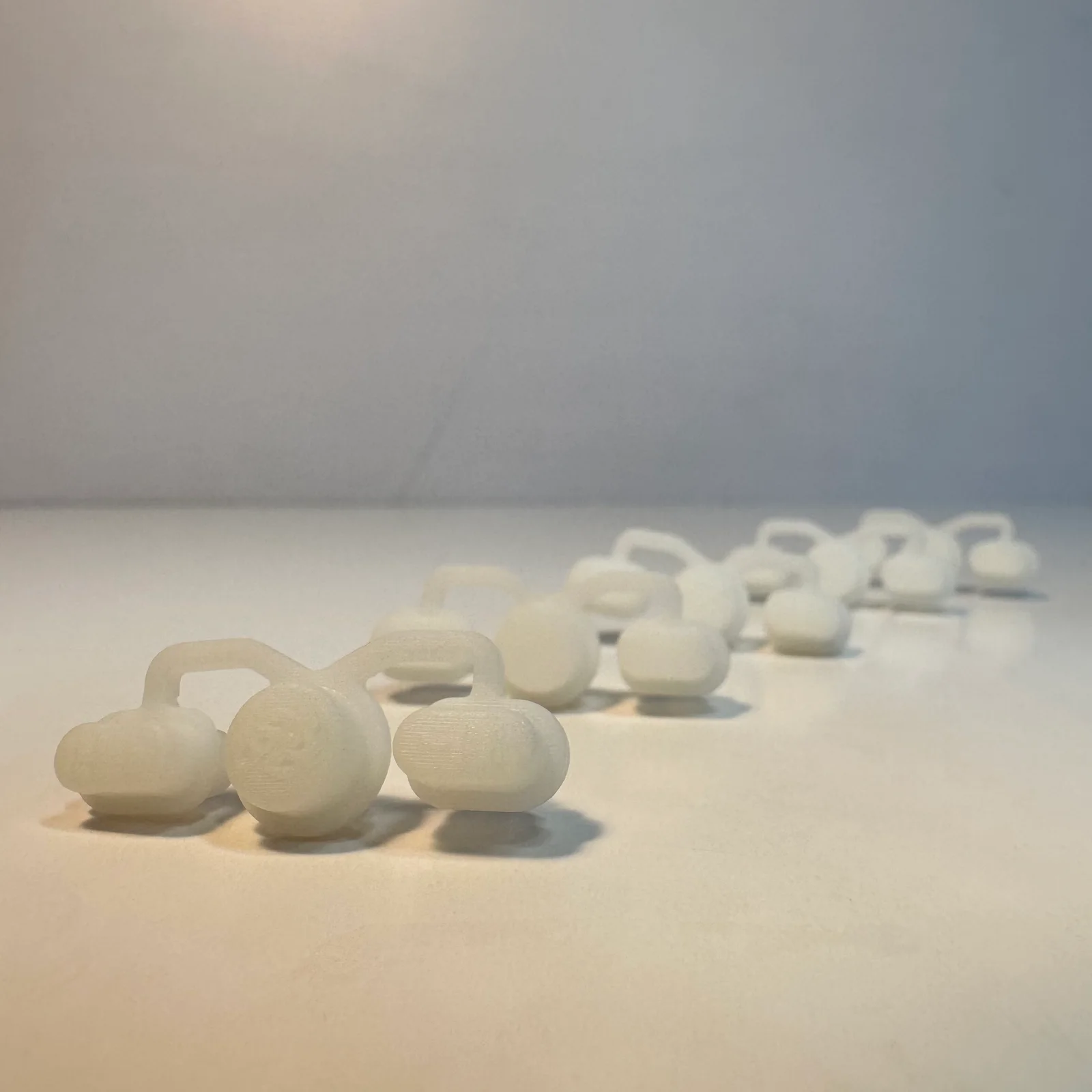
Steel or aluminium tool: match the mould to your quantity
The tool is the metal mould the plastic is shot into, and it is the biggest single cost of injection moulding. We offer either kind and advise the one that suits your quantity:
- Steel: wears slowly, so it keeps making good parts over long runs and many years.
- Aluminium: quicker to machine, so it suits a first production run or a product still being proven.
Timing, as a rough guide: a steel tool takes about 7 weeks to make, then about 3 to 4 weeks to produce the parts. An aluminium tool is usually quicker, and we confirm its timing with the quote. A big or complex part takes longer, so check with us when you have a deadline.
Before the tool is cut we check your design for moulding: walls of even thickness, a slight taper (draft) on the sides so the part slides out, and no hooks that would lock it in. A design change costs far less now than on a finished tool.
Samples first: test the plastic before the tool is cut
A tool is expensive to change, so we test the part before cutting it, in one of two ways:
- Printed samples: we 3D print the part in ABS, PC, nylon or TPU to check fit and feel, in about 4 to 7 working days for a normal-size part as a rough guide.
- Cast samples: for 20 to a few hundred parts that look and feel close to moulded ones, we cast them in a silicone mould, in grades that behave like ABS, PC, PP, POM, nylon or rubber. Which vacuum casting material to choose lists every cast grade.
Cast parts also bridge the gap while the steel tool is made, so you can start selling or trialling sooner.

Frequently asked
Which plastic is best for an injection moulded enclosure?
ABS is the usual first choice for an injection moulded enclosure: it is rigid, smooth, and easy to paint and glue. Pick PC when the enclosure must survive drops or needs a clear window, or a PC and ABS blend for some of both. Tell us where the enclosure will live and we suggest one.
Which injection moulding plastic is best for gears?
POM (acetal) and nylon are the best injection moulding plastics for gears, clips and other moving parts. POM is harder and holds its size better, which suits small precise gears. Nylon is tougher and takes knocks better, but it absorbs a little moisture, so its size shifts slightly.
Which plastic is best for a living hinge?
PP (polypropylene) is the plastic for a living hinge, the thin flexing strip that joins a lid to its box. It bends again and again without cracking, which is why flip-top caps and clip lids are made in it.
Can injection moulded parts be clear?
Injection moulded parts can be clear when they are moulded in PC (polycarbonate). It gives a tough, glass-like part for covers and windows. Clear PC scratches more easily than glass, so a part that gets wiped or handled often may need a protective coat.
Can you injection mould soft, rubbery parts?
Soft, rubbery parts can be injection moulded in TPU, a plastic that bends and springs back like rubber. It suits seals, grips, bumpers and soft covers. Very soft parts such as button pads can also be moulded in silicone; tell us how soft the part should feel.
How long does injection moulding take?
Injection moulding takes about 7 weeks to make a steel tool, then about 3 to 4 weeks to produce the parts, as a rough guide. Add time before that for design changes and sample approval. A big or complex part takes longer, so check with us when you have a deadline.
Should I choose a steel or an aluminium mould?
Choose a steel mould for long runs and an aluminium mould for shorter ones. Steel wears slowly, so it keeps making good parts for years. Aluminium is quicker to machine and suits a first production run or a product still being proven. Tell us your yearly quantity and we match the tool to it.
Can I test the plastic before the mould is made?
You can test the plastic before the mould is made, by printing or casting a few sample parts first. We print in ABS, PC, nylon and TPU, and cast in grades that behave like ABS, PC, PP, POM, nylon and rubber, so you can check fit, feel and strength before any tool is cut.
Related
-
 GuideOne part, 50 or 5,000: 3D printing, silicone moulding or injection moulding?
-
 GuideWhich 3D printing material should you choose?
-
 GuidePLA, PETG, ABS, ASA or TPU: which filament should your part be printed in?
-
 ServiceInjection Molding
-
 ServiceSilicone Molding & Vacuum Casting
-
 ServiceProduct Development & Prototyping
-
 ProjectGPS tracker casing
-
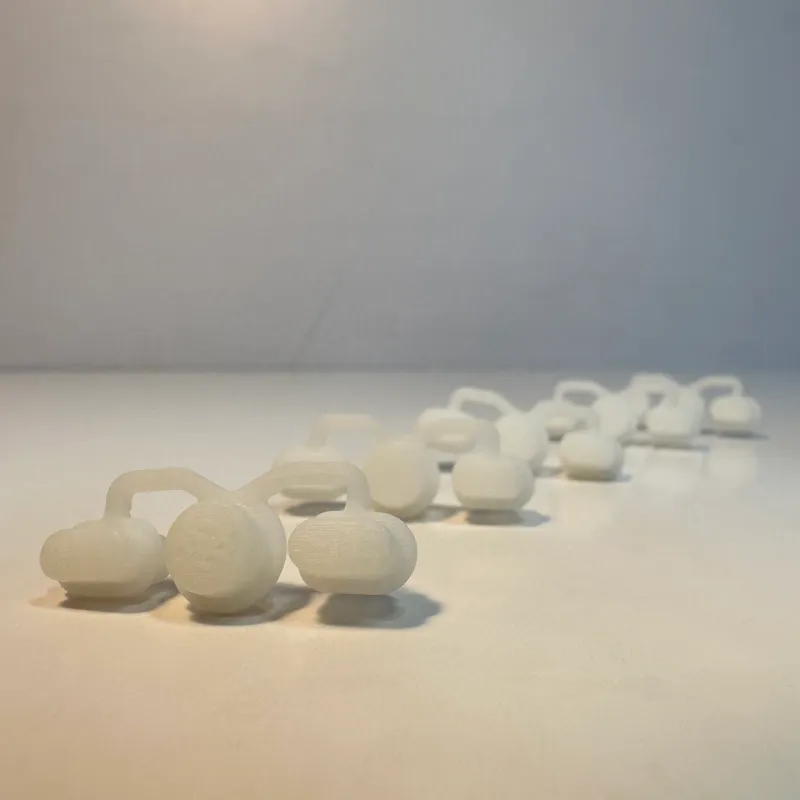 ProjectInjection-moulded electronic buttons
-
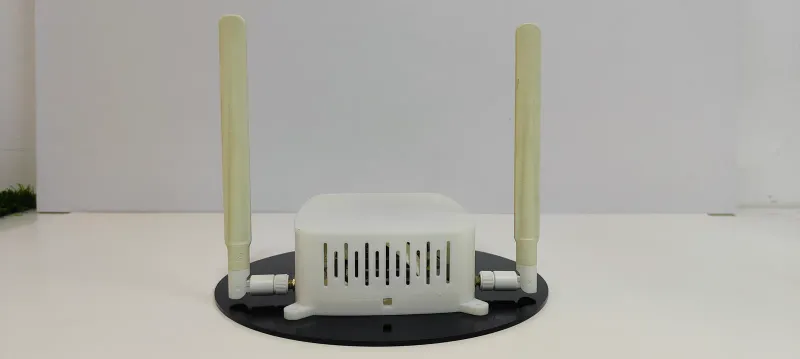 ProjectDecibel meter enclosure prototype