

Which vacuum casting material should your parts be cast in?
On this page
- Vacuum casting materials at a glance
- ABS-like casts: the everyday choice for rigid parts
- PP-like, POM-like and PA-like casts: for clips and moving parts
- Clear casts: PMMA-like for clarity, PC for toughness
- Rubber-like casts: Shore A 40 to 90, from soft seals to firm covers
- Silicone casts: for soft-touch and food-safe parts
- Timing and mould life: about 3 to 4 weeks, 20 to 50 casts a mould
- Other routes: print one or two, or make the real plastic
- Frequently asked
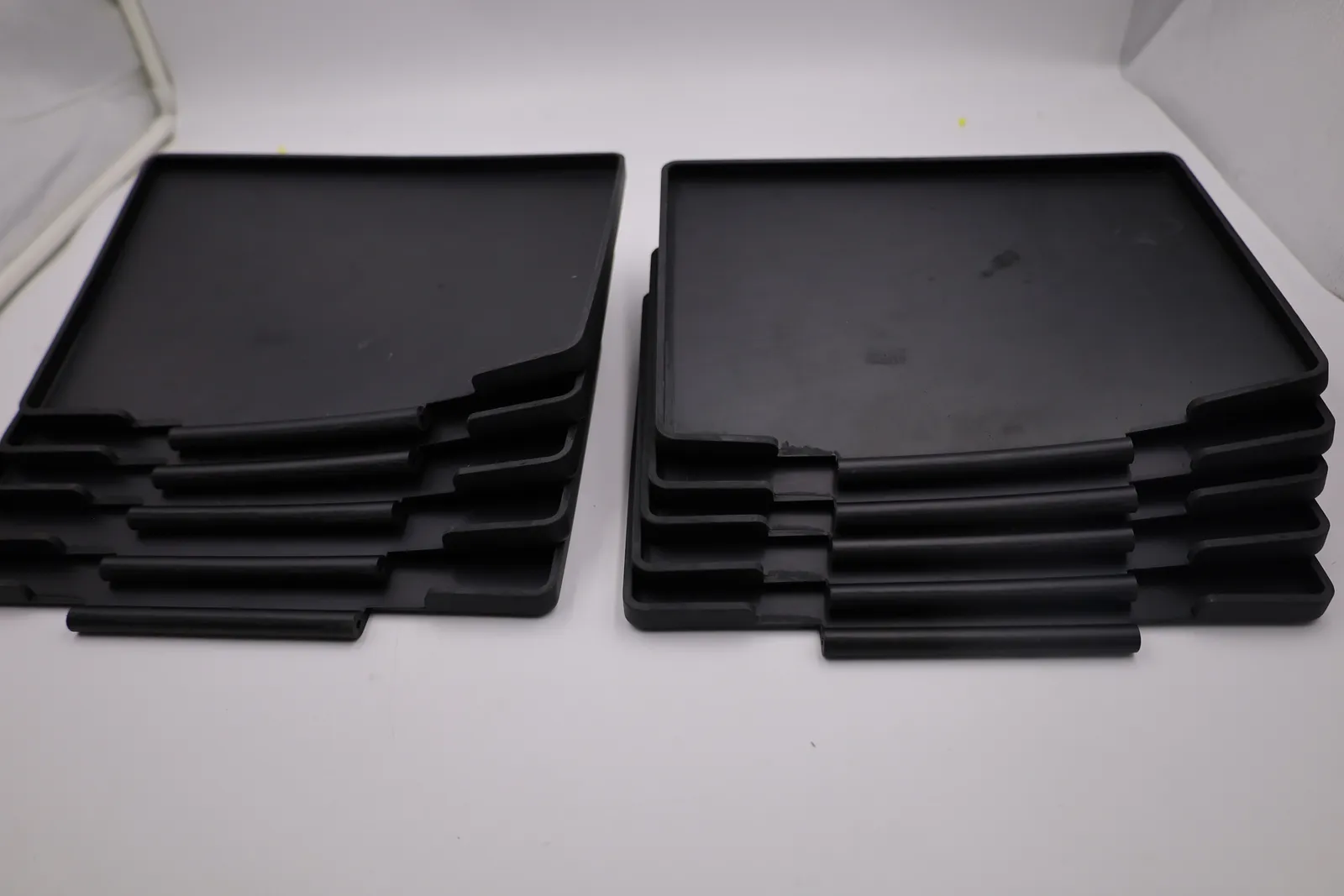
Most vacuum cast parts are a rigid ABS-like resin; choose PP-like, POM-like or PA-like for clips and moving parts, clear PMMA-like or PC for see-through parts, and rubber-like (Shore A 40 to 90) or silicone for anything that bends. Every vacuum casting material behaves like a production plastic without being it, so casts suit prototypes, pilot runs and short runs of a handful to a few hundred parts.
We cast all ten in our studio in Singapore. New to the process? Start with what vacuum casting is and how it works.
Vacuum casting materials at a glance
| Cast material | Behaves like | Best for | Keep in mind |
|---|---|---|---|
| ABS-like | ABS: rigid, tough, sands and paints well | Housings, covers, knobs, pilot runs | The everyday choice for rigid parts |
| Flame-retardant ABS-like | ABS with a UL94 V-0 flame rating | Electrical and electronic enclosures | A finished product still needs its own approval |
| High-temperature ABS-like | ABS that stays firm to about 120°C | Parts near motors, lamps or hot air | Check how hot the part really gets |
| PP-like | Polypropylene: bends without snapping | Clips, lids, snap fits | Test a hinge that must flex every day |
| POM-like | Acetal (POM): stiff, hard and smooth | Catches, slides, look-alike gears | Fine for fit tests; ask us about long wear |
| PA-like | Nylon: tough, takes a knock | Brackets, clips, tough housings | Test it before it carries a real load |
| Clear PMMA-like | Acrylic: the usual clear choice | Lenses, light covers, display parts | Only as clear as the polished original |
| Clear PC | Polycarbonate: clear and hard to crack | Covers and guards that may be knocked | Pick PMMA-like when clarity matters most |
| Rubber-like | Rubber, soft (Shore A 40) to firm (Shore A 90) | Seals, grommets, grips, soft covers | Tell us how soft it should feel |
| Silicone | Soft silicone rubber | Soft-touch parts, food-safe kitchen products | Not for parts that must stay rigid |
“-like” means a cast resin made to behave like that plastic. It is not the plastic itself, so it does not carry the real plastic’s data sheet.
Shore A is the hardness scale for rubber: 40 is soft and squashy, 90 is firm but still bends.
UL94 V-0 is the top vertical-burn rating in UL 94, the common flammability test for plastics: the flame goes out on its own and nothing burning drips.
ABS-like casts: the everyday choice for rigid parts
Most rigid casts are ABS-like. It looks and feels like a moulded ABS part, it is rigid and tough, and it sands and paints well (paint always goes on over a primer). Colour is mixed into the resin, so a scratch shows the same colour underneath.
Two versions cover the jobs plain ABS-like cannot:
- Flame-retardant ABS-like carries a UL94 V-0 rating, for enclosures around power supplies, chargers and circuit boards.
- High-temperature ABS-like stays firm to about 120°C, for parts near motors, lamps, heaters or hot exhaust air.
Their honest limits:
- The rating is the resin’s, not your product’s. A flame-retardant cast is a strong start, but a product that needs a safety approval is still tested as a product.
- Heat: the high-temperature grade is the one made for it. If the part gets warm, tell us how warm.
PP-like, POM-like and PA-like casts: for clips and moving parts
These three imitate the plastics used for parts that move, flex or slide. They let you test a snap fit or a mechanism in a material that behaves like the production one, before paying for a moulding tool.
- PP-like behaves like polypropylene, the plastic of bottle caps and food tubs. It bends without snapping, so it suits clips, lids and snap fits.
- POM-like behaves like acetal (POM), a stiff, hard plastic with a smooth, slippery surface. It suits catches, slides and look-alike gears.
- PA-like behaves like nylon. It is tough and takes a knock, so it suits brackets, clips and housings that get handled roughly.
Their honest limit: they imitate the feel, not every figure on the real plastic’s data sheet. Do not assume a cast matches the real plastic on wear, chemicals or a hinge flexed every day for years. Test a cast first, or make the part in the real plastic by CNC machining or injection moulding.
Clear casts: PMMA-like for clarity, PC for toughness
We cast two clear materials. Clear PMMA-like behaves like acrylic and is the one to pick when the part must be as see-through as possible: lenses, light covers, display parts. Clear PC behaves like polycarbonate, the plastic of safety glasses, so it suits clear covers and guards that may take a knock.
- Clarity starts with the original. Silicone copies every mark, so the original is polished before the mould is made.
- The vacuum matters most here. In a clear cast every air bubble would show, and casting under vacuum is what keeps them out.
Rubber-like casts: Shore A 40 to 90, from soft seals to firm covers
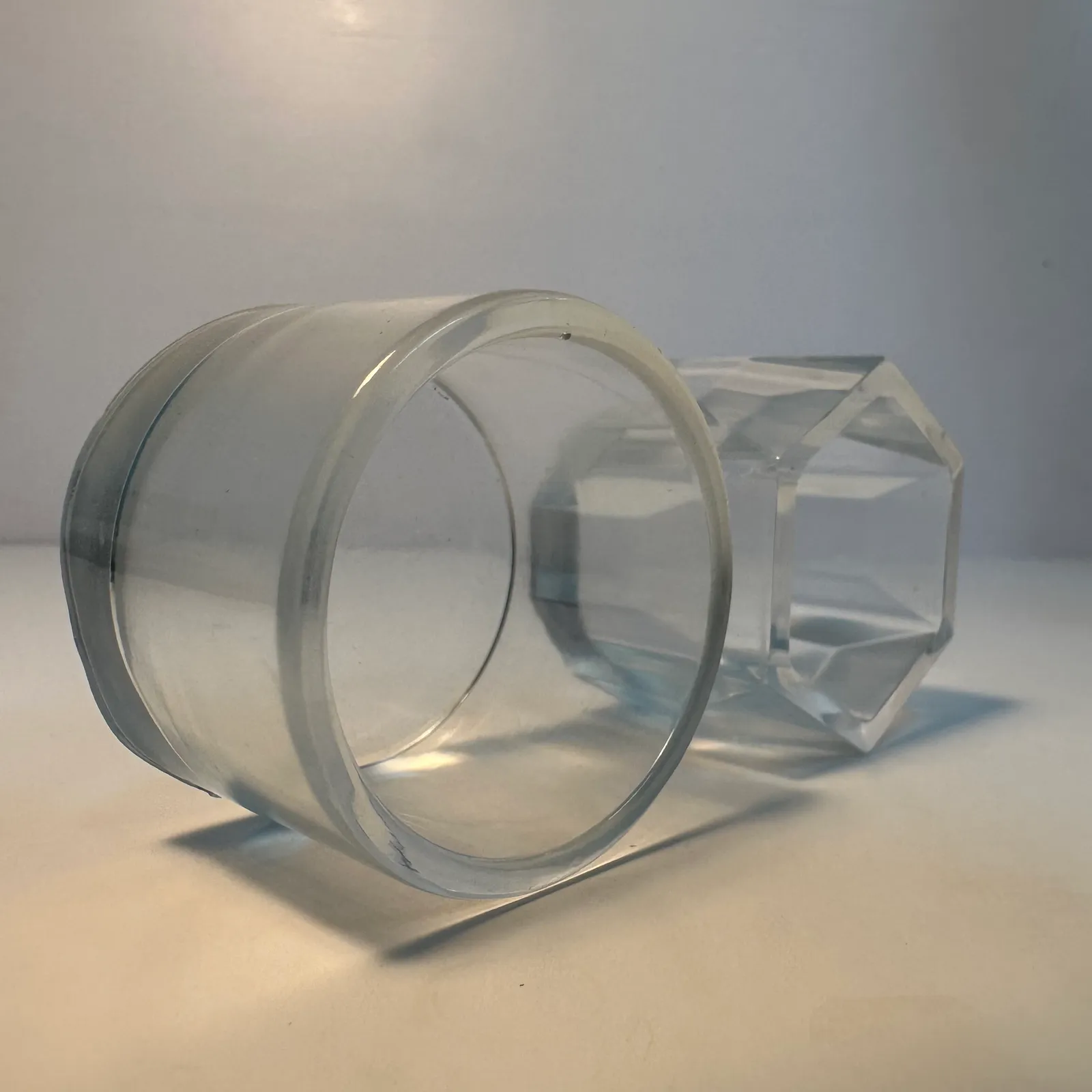
Rubber-like casts bend, squash and spring back. You choose the hardness, from Shore A 40 (soft, like a pencil eraser) to Shore A 90 (firmer than a shoe heel), so one material family covers soft seals, grippy feet and covers that keep their shape.
- Soft end: seals, gaskets, grips and bumpers.
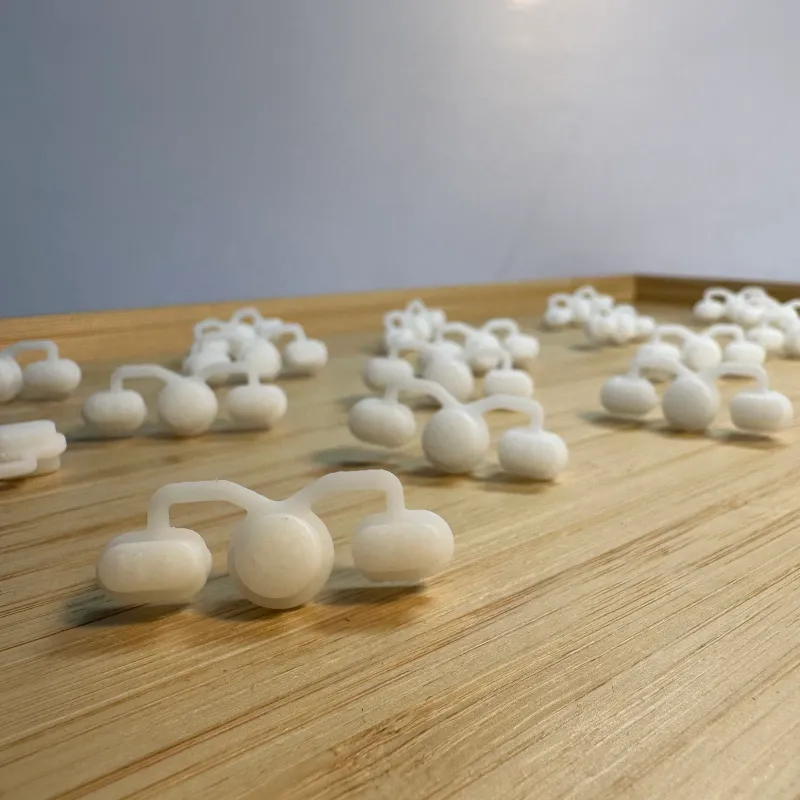
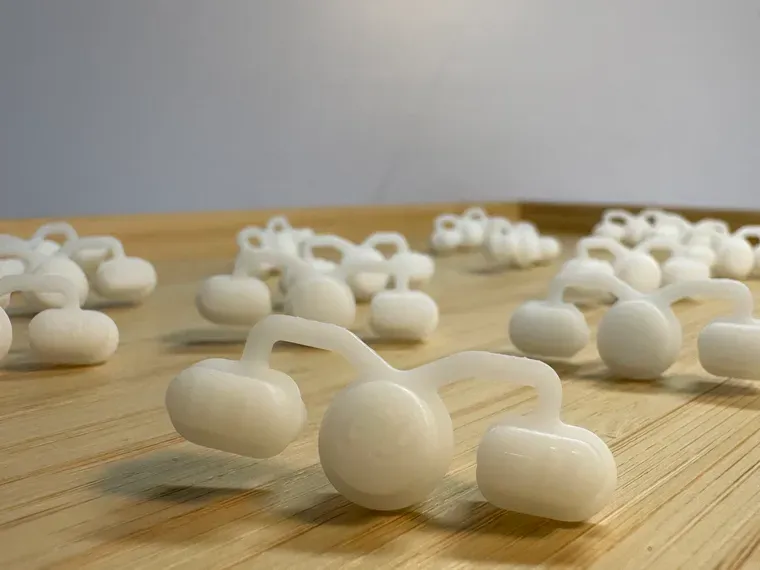
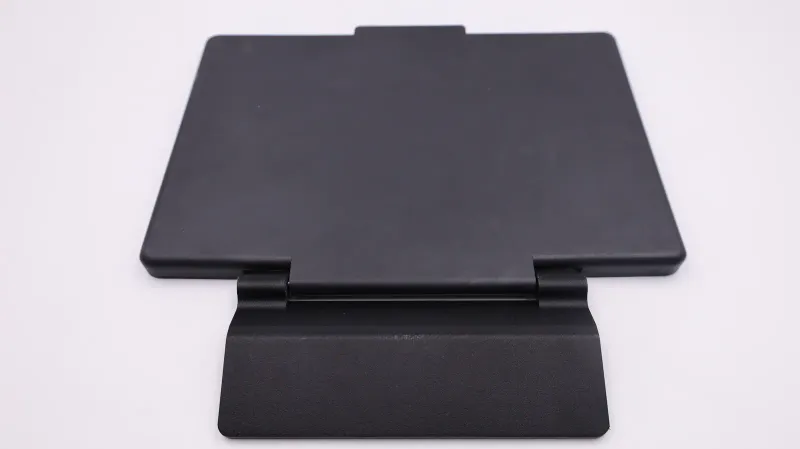
- Firmer grades: grommets, covers and parts that must hold their shape but not crack, like the screen-protector plates at the top of this page, cast at Shore A 80.
Its honest limit: rubber-like resin feels like rubber, but it is not a moulded rubber compound. For oils, fuel or outdoor sun all year, tell us and we check the grade.
Silicone casts: for soft-touch and food-safe parts
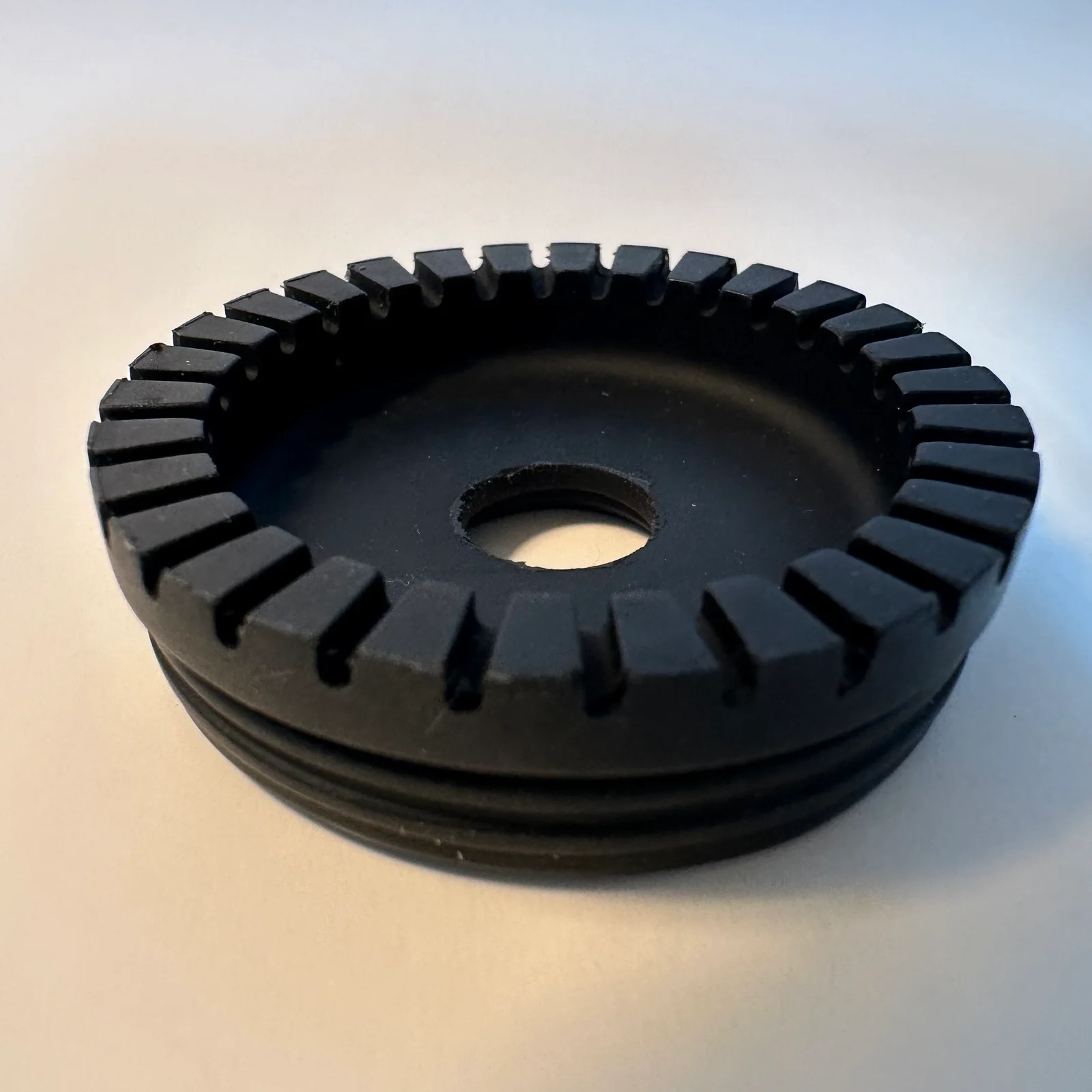
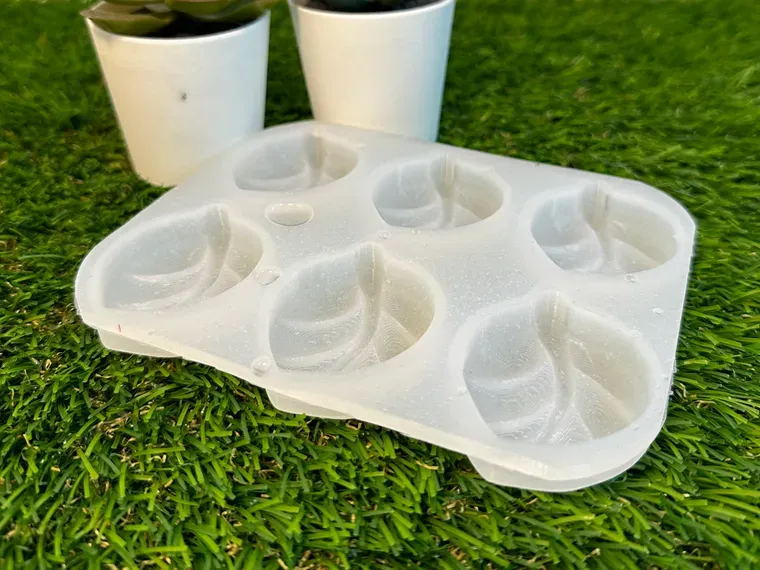
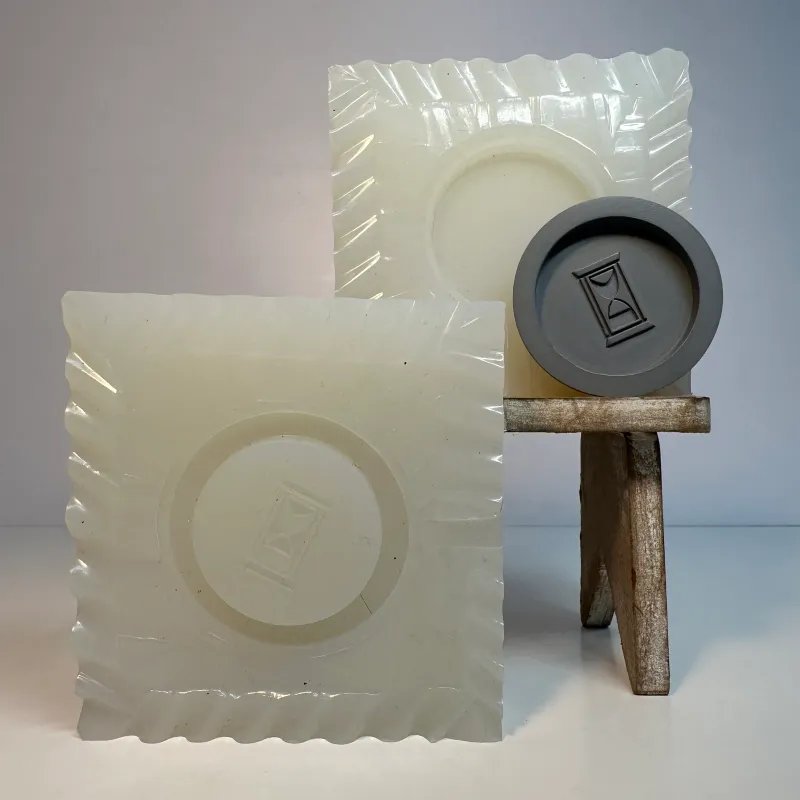
Silicone is soft, flexible and grippy. We cast it for soft-touch parts and, in a food-safe grade, for kitchen products. It is also what every vacuum casting mould is made of, which is why a mould like the one below flexes enough to peel off a detailed part.
Its honest limit: silicone is soft by nature, so it is the wrong choice for a part that must stay rigid or hold a screw.

Timing and mould life: about 3 to 4 weeks, 20 to 50 casts a mould
As a rough guide for a normal-size part, a vacuum casting job takes about 1 week to design the original, 2 to 3 working days to make the silicone mould, then 7 to 10 working days of casting. Size and design change it, so check with us and tell us your deadline.
- One mould casts 20 to 50 parts before fine detail starts to soften.
- For a few hundred, we pour more moulds from the same original, so every batch matches.
- Past about 1,000 identical parts, injection moulding usually costs less per part. Our comparison of 3D printing, silicone moulding and injection moulding shows where each one wins.
Other routes: print one or two, or make the real plastic
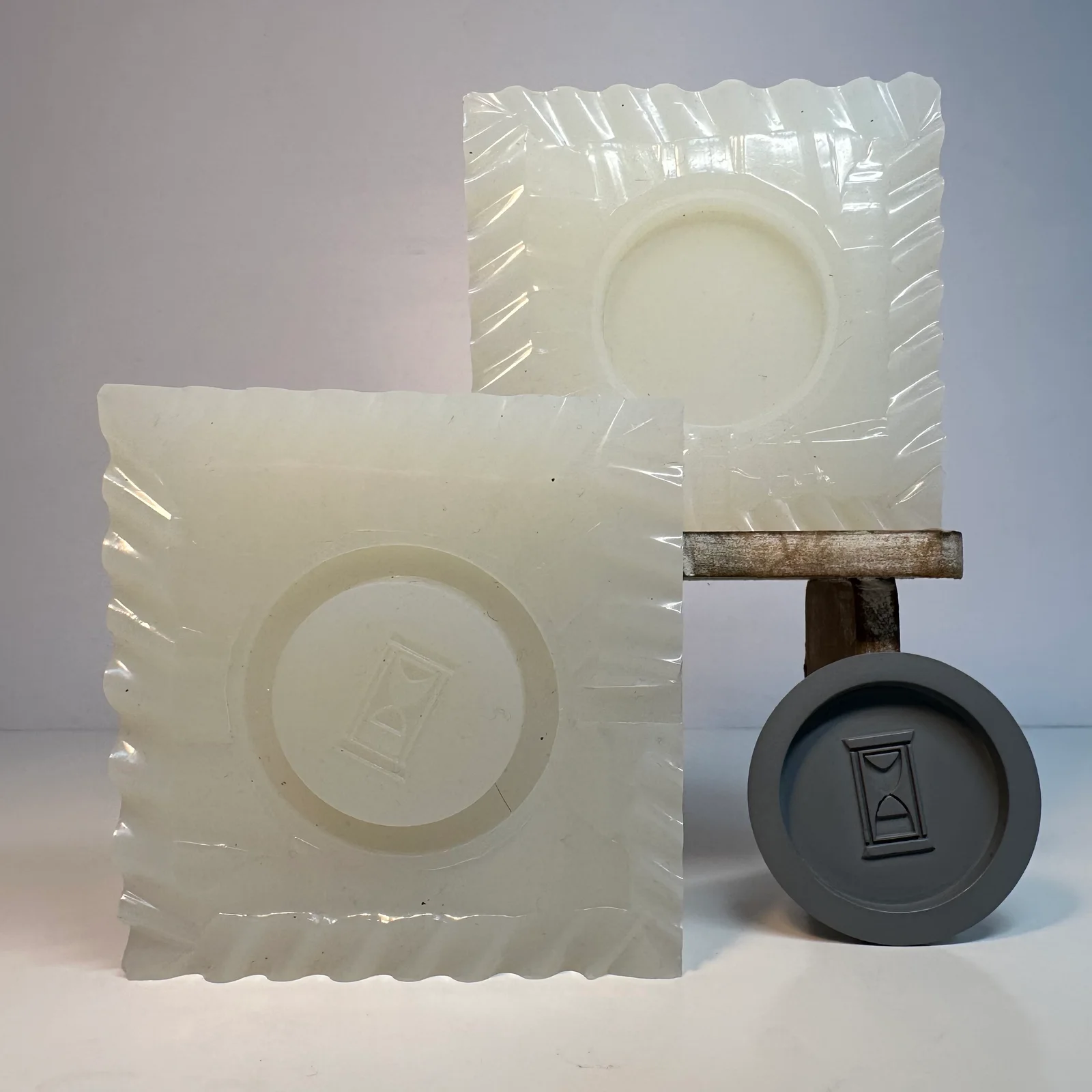
Vacuum casting sits between printing each part and building an injection moulding tool. Choose something else when:
- You need one or two. Print them: see which 3D printing material suits your part, or which SLA resin to choose for clear and rubber-like resins.
- The part must be the real plastic. For genuine ABS, PP, POM, nylon or PC, use injection moulding for thousands or CNC machining for a few.
Frequently asked
What materials can be vacuum cast?
We vacuum cast ten materials: ABS-like (general, flame-retardant UL94 V-0 and high-temperature to about 120°C), PP-like, POM-like, PA-like, clear PMMA-like, clear PC, rubber-like from Shore A 40 to 90, and silicone. Each is a cast resin or silicone that behaves like the production plastic it is named after. Tell us what the part does and we suggest one.
Is ABS-like resin the same as ABS?
ABS-like resin is not ABS: it is a cast resin made to look, feel and machine like ABS, so a cast housing passes for a moulded one in the hand. It does not carry ABS's data sheet. If the part must meet a production plastic's figures, use injection moulding, or CNC machining for a few parts.
Which vacuum casting material is clear?
Two vacuum casting materials are clear: PMMA-like, which behaves like acrylic and is the one to pick for clarity, and PC, which behaves like polycarbonate and suits clear parts that may take a knock. Either is only as clear as the original it is cast from, so we polish that first.
What does Shore A 40 to 90 mean for rubber-like casts?
Shore A is the hardness scale for rubber, and our rubber-like casts run from Shore A 40, soft and squashy like a pencil eraser, to Shore A 90, firmer than a shoe heel but still bendable. Most seals and grips sit in between. Tell us how the part should feel, or send a sample, and we match it.
Can vacuum cast parts be flame retardant?
Vacuum cast parts can be flame retardant: our flame-retardant ABS-like resin carries a UL94 V-0 rating, the top grade of the UL 94 vertical burn test for plastics. The rating belongs to the resin. If your finished product needs its own safety approval, it still has to be tested as a product.
How much heat can a vacuum cast part take?
A vacuum cast part in our high-temperature ABS-like resin is rated to about 120°C, the grade made for heat. Heat limits vary between the other grades, so if the part sits near a motor, a lamp or hot air, tell us the temperature and we check it.
How many parts can one silicone mould cast?
One silicone mould casts 20 to 50 parts before fine detail starts to soften. For a few hundred, we pour more moulds from the same original, so every batch still matches. Past about 1,000 identical parts, injection moulding usually costs less per part.
How long does vacuum casting take?
As a rough guide, vacuum casting takes about 1 week to design the original, 2 to 3 working days to make the silicone mould, then 7 to 10 working days of casting. Size and design change it, so check with us and tell us your deadline.
Related
-
 GuideWhat is vacuum casting, and when should you use it?
-
 GuideOne part, 50 or 5,000: 3D printing, silicone moulding or injection moulding?
-
 GuideWhich SLA resin should you choose for your part?
-
 ServiceSilicone Molding & Vacuum Casting
-
 ServiceInjection Molding
-
 ServiceProduct Development & Prototyping
-
 ProjectVacuum Cast TPU Screen Protector
-
 ProjectCast Rubber Grommet
-
 ProjectSilicone Emblem Mould