

Which making technology does your project need?
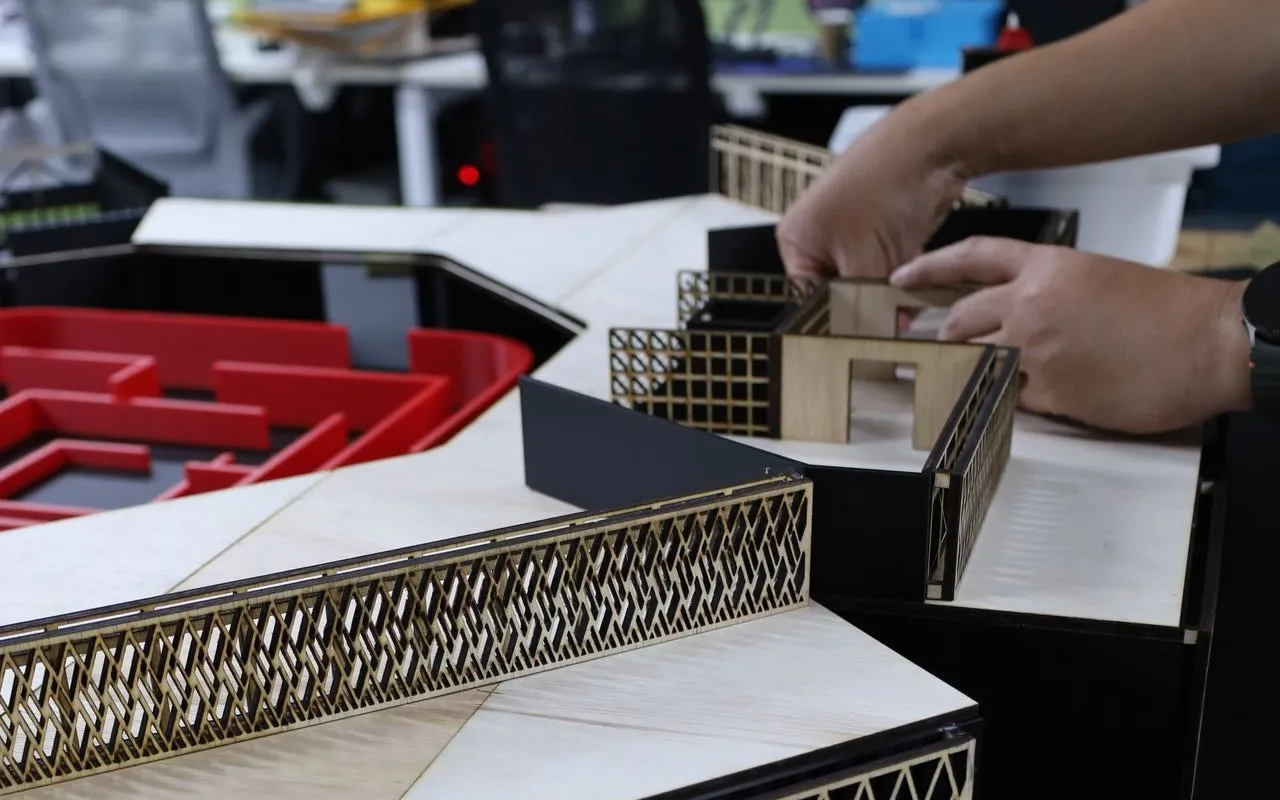
The making technology your project needs depends on two things: what the part is (a solid shape, a flat sheet, a thin shell, or a mark on something you already have) and how many you need. As a rule, 3D printing suits one to tens of parts with depth, laser cutting suits flat shapes, CNC suits exact solid parts in metal or plastic, and casting or moulding takes over from about 20 identical copies.
The table below lines up all nine technologies we offer in Singapore, then the five ways we 3D print, then six common jobs and where each one goes.
Nine making technologies at a glance: what each makes and how many
| Technology | What it makes | Lead time |
|---|---|---|
| 3D printing | Prototypes and parts, one to tens | 4 to 15 days |
| Laser cutting | Flat shapes in acrylic, wood or card, one to batches | In the quote |
| Laser engraving | Lasting marks, one to hundreds | About 3 days |
| UV printing | Colour art on flat faces, small batches | 5 to 7 days |
| CNC machining | Exact metal or plastic parts, up to about 50 | 5 to 7 days |
| Sheet metal bending | Folded brackets and boxes, any number we confirm | In the quote |
| Vacuum casting | Copies of one original, 20 to a few hundred | About 3 to 4 weeks in all |
| Vacuum forming | Thin plastic shells, short runs | In the quote |
| Injection moulding | Identical plastic parts, from about 1,000 | Longest, as the tool comes first |
Lead time is a rough guide in working days for a normal-size job, a part about 10 to 15 cm across. Bigger parts and big batches take longer, so check with us.
Vacuum casting is also called silicone moulding. Injection moulding is arranged by us: we check the design, print the samples and look after the tool and the run.
3D printing: five processes, each for a different part
3D printing is one technology with five processes. Each builds a part layer by layer from a 3D file, and each suits a different job.
| Process | Best for | Not for | Days |
|---|---|---|---|
| Filament (FDM) | Low-cost prototypes, jigs, big pieces | Fine detail | 4 to 7 |
| Resin (SLA) | Finest detail: figurines, models | Parts that flex or sit in the sun | 4 to 7 |
| Nylon (SLS) | Tough clips, hinges, housings | A glossy finish | 8 to 12 |
| Nylon (MJF) | Tough black parts, smoother finish | Other colours | 12 to 15 |
| Metal (SLM) | Complex steel, aluminium, titanium | Simple shapes | 10 to 12 |
Days are working days.
Nylon powder parts are equally strong in every direction and need no supports, so they suit working parts. Between SLS and MJF the difference is small: the choice comes down to price, colour and preference.
Pick by your job: six common requests and where each goes
Start from what you are making. Each line names the technology we would reach for first, and when another one takes over.
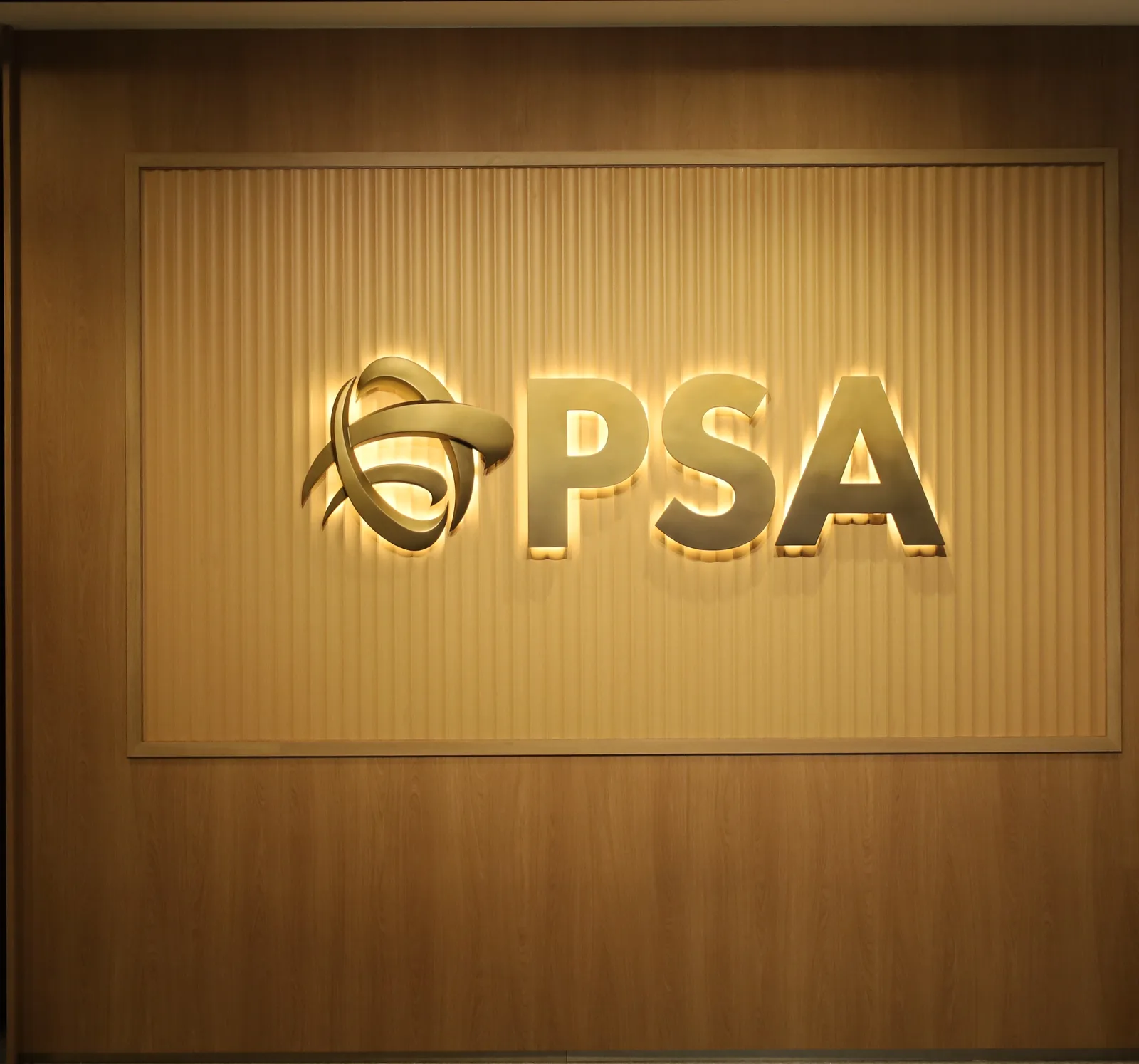
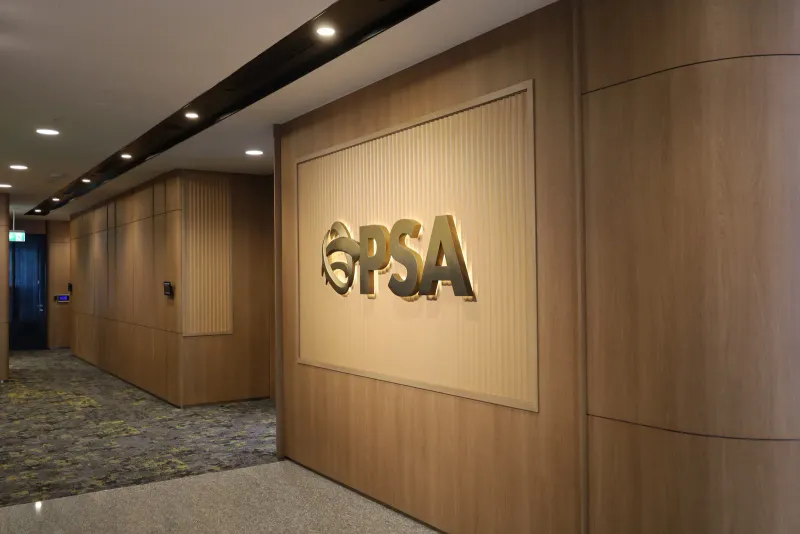
- A sign: laser-cut acrylic letters and panels, with UV printing when the logo needs full colour. A large raised logo can be 3D printed, like the halo-lit logo below. More on signage.
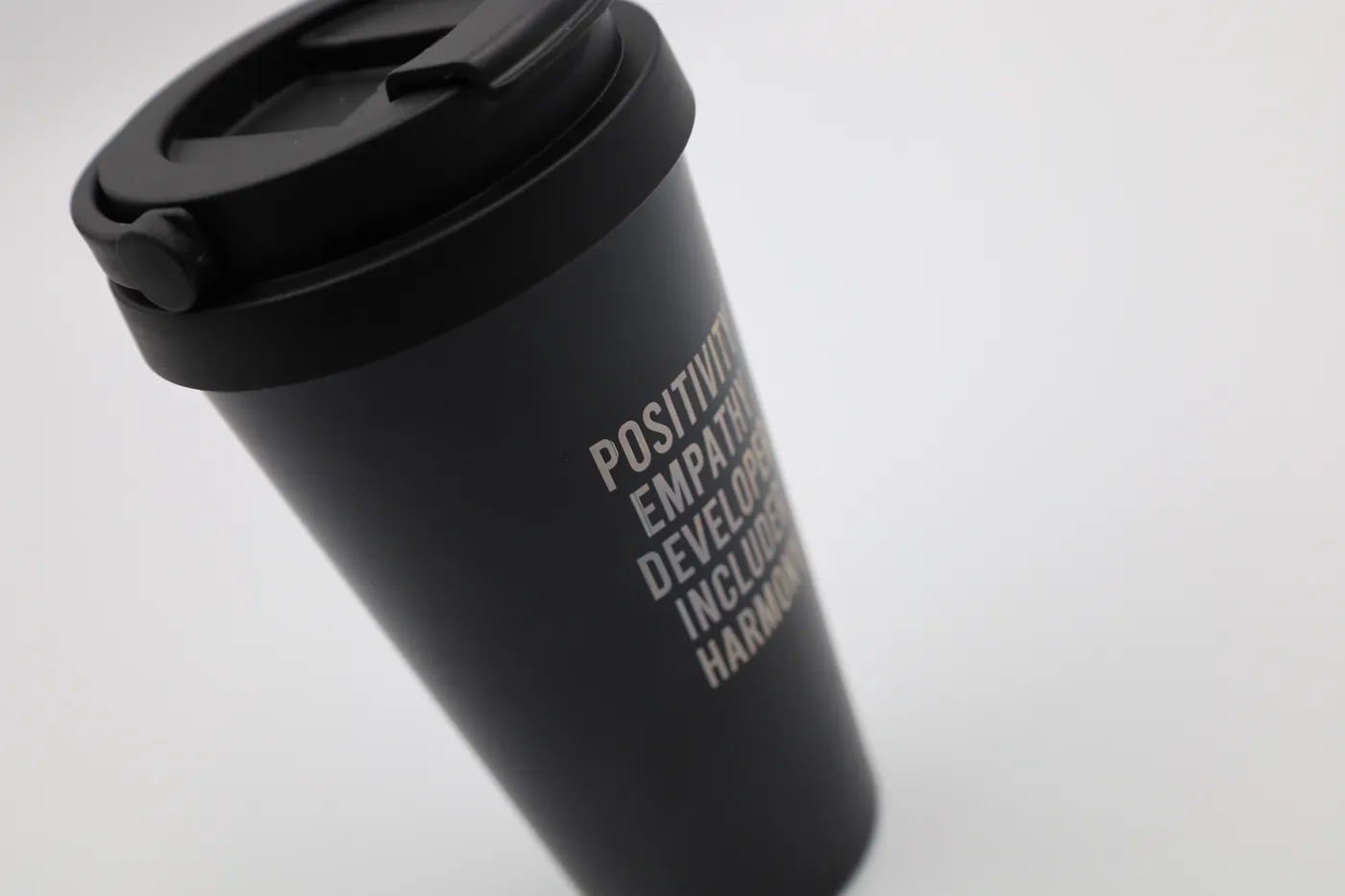
- A gift: laser engraving for a name or logo that must last, on tumblers, plaques and tags; UV printing for a full-colour logo or photo; 3D printing for a one-of-a-kind piece such as a figurine.
- A prototype: 3D printing first. Filament to check size and fit, resin for a model that must look finished, nylon for a part that must work. Move to CNC machining when it must be solid metal and fit to ±0.05 mm.
- A batch of 200: vacuum casting from one printed original for solid parts, vacuum forming for thin trays or covers, and laser cutting for flat pieces. Small working parts can also be printed as a nylon batch, with no mould at all.
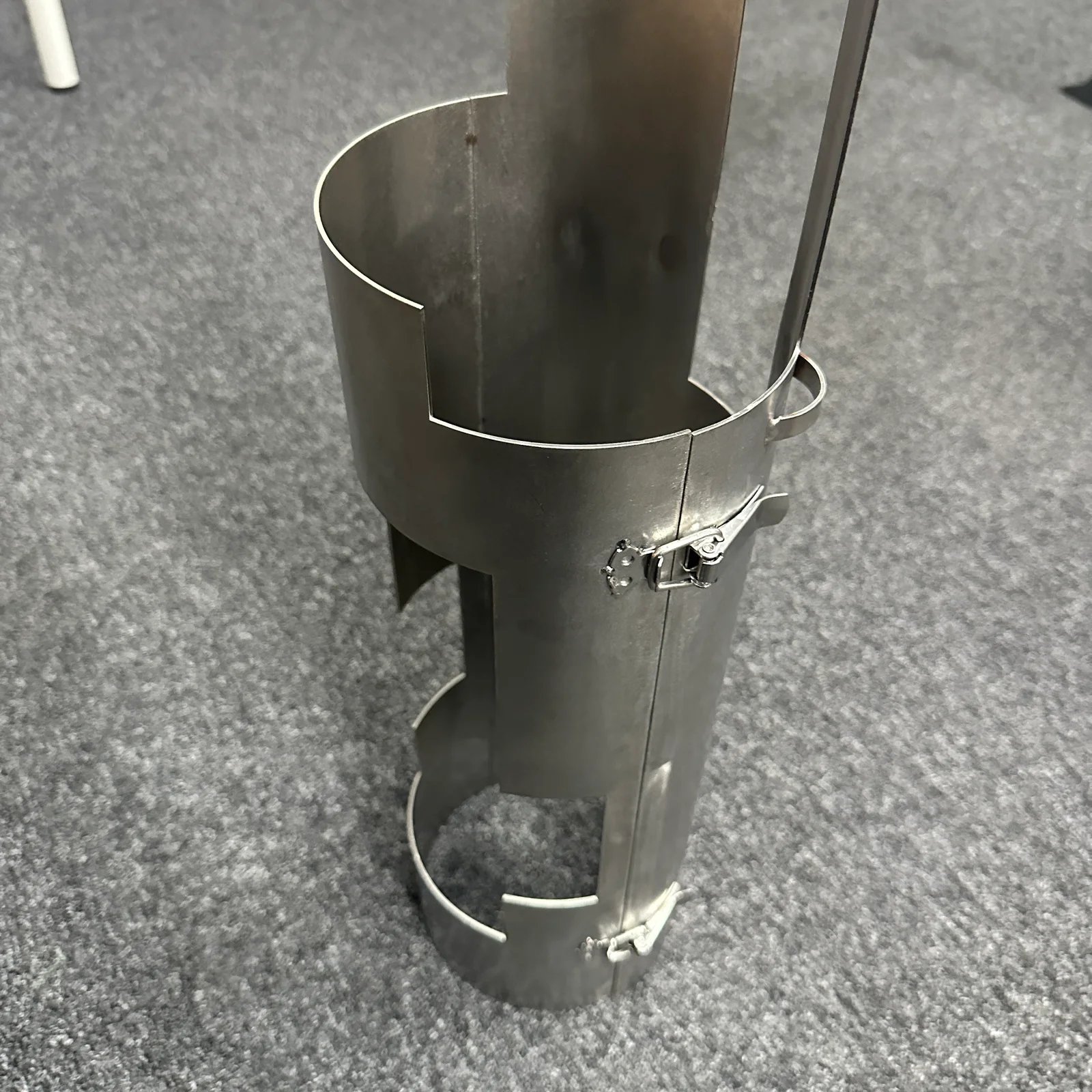
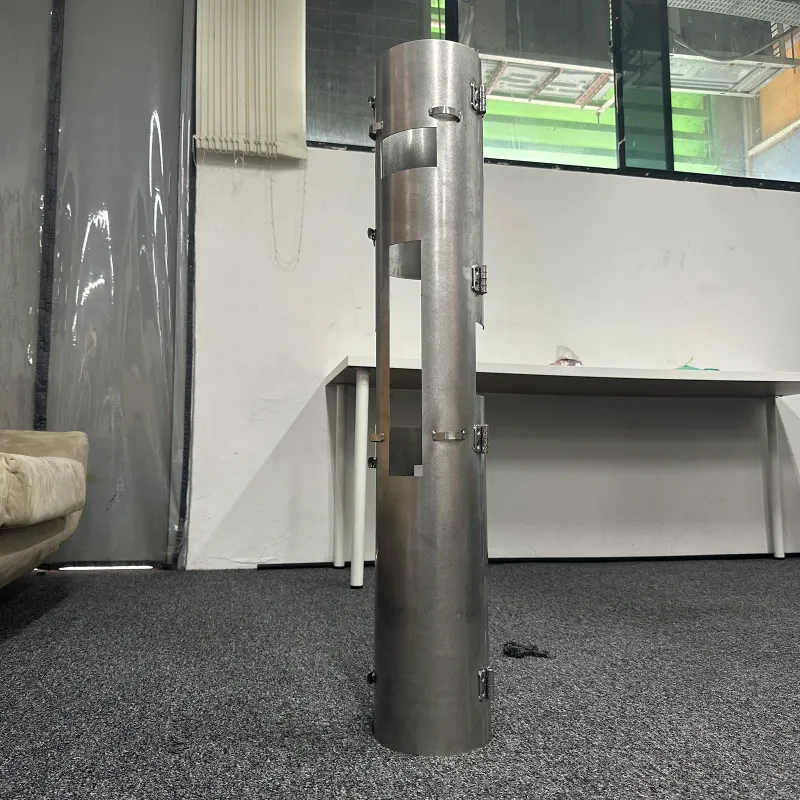
- A metal bracket: sheet metal bending for an L, U or Z bracket folded from sheet; CNC machining for a solid bracket with exact faces; metal 3D printing for a shape too complex to fold or cut.
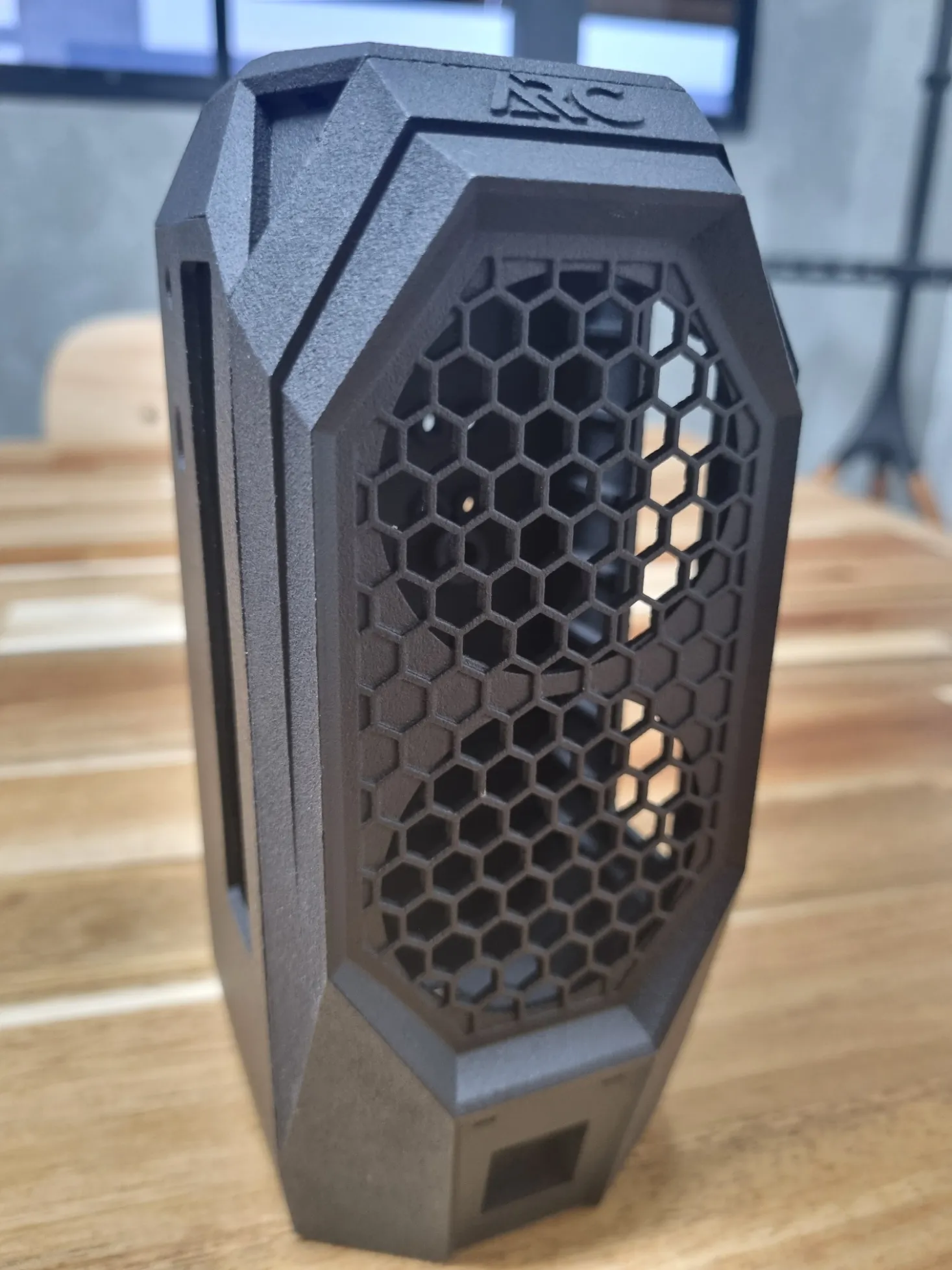
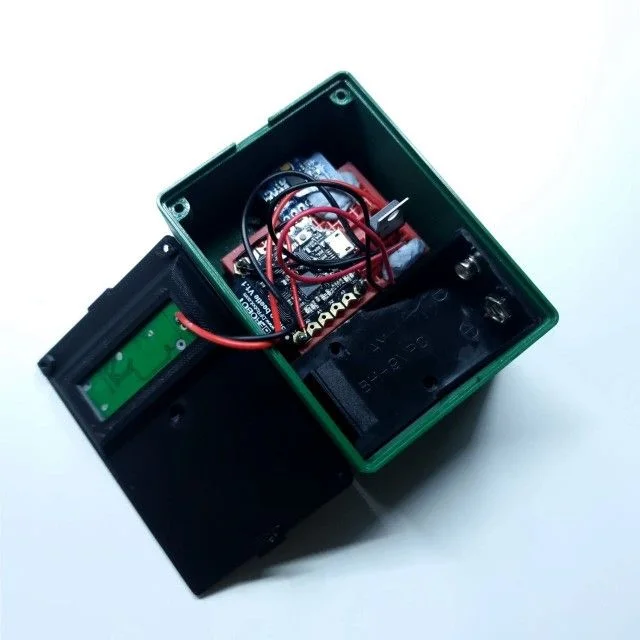
- An enclosure: 3D printing for one to tens, in filament for a first fit or nylon for a working case; sheet metal for a metal box; vacuum forming for a thin cover; injection moulding past about 1,000.
Many jobs use two or three technologies at once, like the scale model at the top of this page, where laser-cut plywood walls are fitted by hand. One team handles every part, so one quote covers the whole job.
What to send: a file, a drawing or a sample
Send whatever you have, plus how many you need and your deadline. A person checks every job before we quote.
- 3D printing, CNC machining, vacuum casting: a 3D model (STL, STEP, OBJ or 3MF; STEP for CNC).
- Laser cutting and engraving: a flat drawing (DXF, AI, SVG or PDF), or a greyscale image for a photo.
- Sheet metal: a drawing or CAD file (STEP, DXF or PDF) with the sheet thickness.
- UV printing: artwork as PDF or SVG with fonts outlined, or a PNG or JPG at 300 DPI.
- Vacuum forming, or no file at all: a drawing, a photo or the part itself. Our design team can model it first.
Frequently asked
What is the difference between a making technology and a 3D printing process?
A making technology is a way of making a part, such as 3D printing, laser cutting or CNC machining, and a process is one of the ways a technology works. 3D printing has five processes we offer: filament (FDM), resin (SLA), nylon powder by SLS or MJF, and metal (SLM). Pick the technology first by what the part is and how many you need, then the process by what the part must do.
Which making technology is cheapest for a single part?
For one part, 3D printing is usually the cheapest, because there is no mould or tool to pay for. Two exceptions: a flat part is usually better laser cut from sheet, and a simple solid metal part is often better value machined than printed. Send the file and the quantity and we tell you which route costs less.
How many parts do I need before a mould is worth it?
A silicone mould for vacuum casting starts to pay off at about 20 identical parts, and an injection moulding tool at about 1,000. Below 20, printing each part is usually cheaper. Between a few hundred and 1,000 the answer depends on the part's size and shape, so send the file with the quantity and we work it out.
Should I laser engrave or UV print a logo?
Laser engrave a logo that must never wear off, and UV print one that needs its brand colours. Engraving marks the surface itself in one tone set by the material, so it suits drinkware, plaques and tags handled every day. UV printing lays full colour and white ink on a flat or gently curved face, but ink on a part rubbed daily wears sooner than an engraving.
Should a metal part be CNC machined, bent from sheet or 3D printed?
Bend it from sheet when the part is a thin bracket, cover, tray or box; machine it when it is solid with exact faces; print it in metal when the shape is too complex to fold or cut. CNC machining holds ±0.05 mm on the dimensions you mark. Metal printing makes internal channels and lattices no tool can reach, in stainless steel, aluminium or titanium.
Can one job use more than one technology?
One job can use more than one technology, and many do. A sign can be laser-cut acrylic with a UV-printed logo, a trophy can pair a 3D printed centrepiece with an engraved base, and a product often goes from a printed prototype to a vacuum-cast pilot run, then to injection moulding. We handle them all, so one quote can cover every part of the job.
What file should I send for each technology?
Each technology takes its own kind of file: a 3D model for anything with depth, a flat vector for anything cut or engraved from sheet, and artwork for printing on a surface. That means STL, STEP, OBJ or 3MF for 3D printing (STEP for CNC); DXF, AI, SVG or PDF for laser cutting and engraving; STEP, DXF or PDF with the sheet thickness for sheet metal; and PDF, SVG, or a PNG or JPG at 300 DPI for UV printing. A drawing or a sample works for vacuum forming and casting.
Do I need a 3D file to get started?
You do not need a 3D file to get started: a sketch, a drawing, a photo or a physical sample is enough. Our design team models the part from it, or reverse-engineers it from the sample, and the file goes on to whichever technology suits. If you already have a 3D file, the instant quote prices printed parts straight away.
How long does each technology take?
Most jobs take about a week whichever technology makes them, for a normal-size part about 10 to 15 cm across. Filament and resin prints take 4 to 7 working days, CNC parts and UV printing 5 to 7, and engraving about 3 for one piece. Nylon and metal prints take 8 to 15, vacuum casting about 3 to 4 weeks in all, injection moulding longer as the tool comes first, and sheet metal, vacuum forming and laser cutting are timed in the quote. Bigger parts take longer, so tell us your deadline.
How big a part can each technology make?
The biggest part we can make depends on the technology, and 3D printing goes largest: one piece up to 1000 x 1000 x 1200 mm, with anything bigger printed in sections that are joined. Laser engraving takes flat pieces up to 900 x 450 mm, and UV printing covers a little under A3 in one pass. CNC, sheet metal, casting and forming sizes are confirmed for each job, so tell us the size and we check it.
Related
-
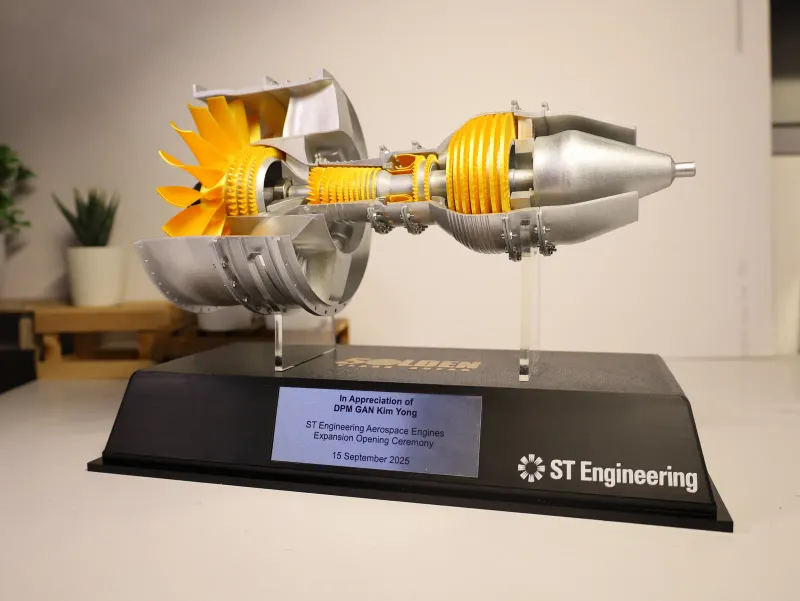 GuideWhat is additive manufacturing, and how is it used?
 -
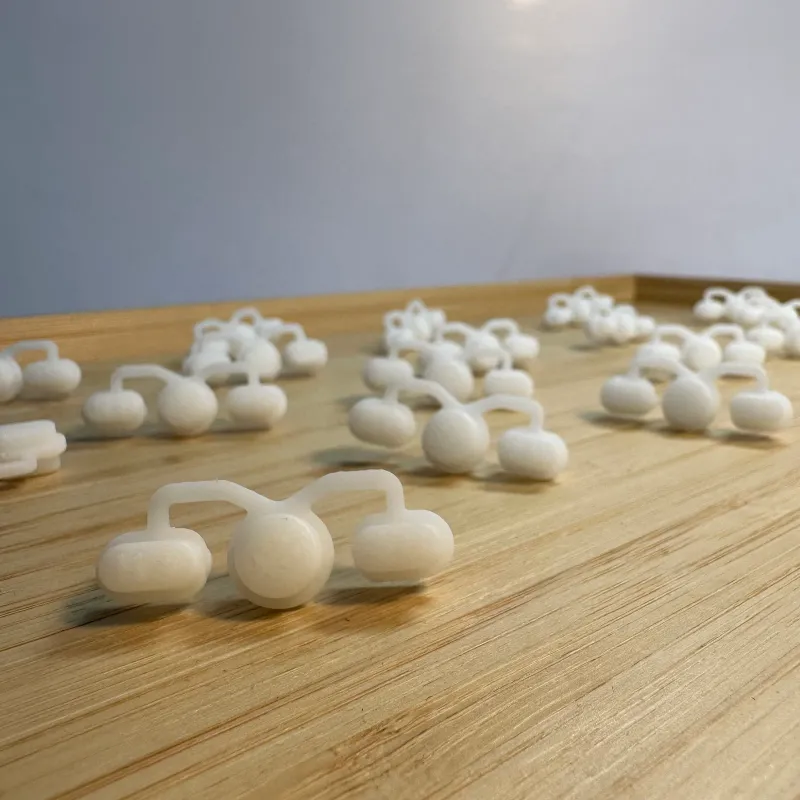 GuideOne part, 50 or 5,000: 3D printing, silicone moulding or injection moulding?
 -
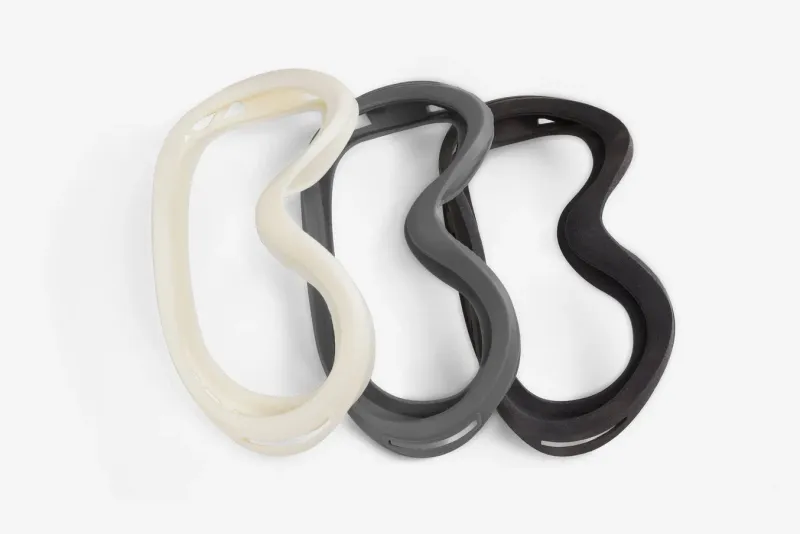 GuideFDM, SLA, SLS, MJF or metal: which 3D printing process suits your part?
 -
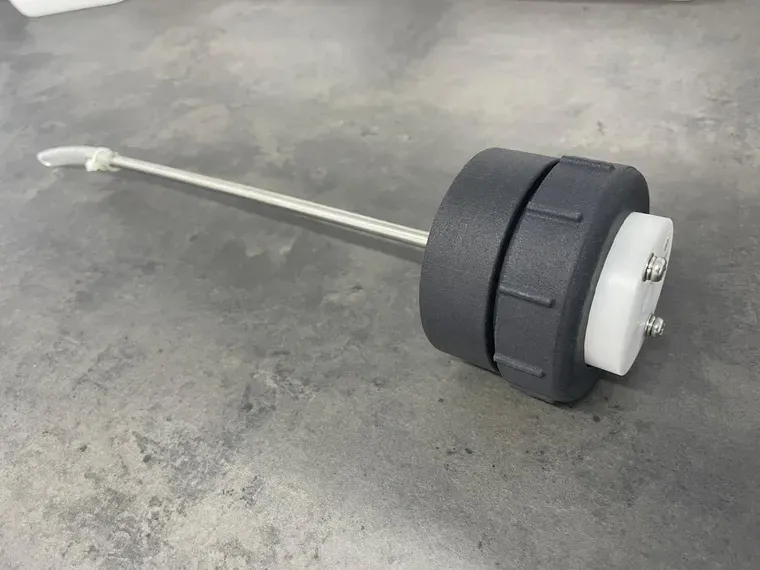 ServiceIndustrial 3D Printing
 -
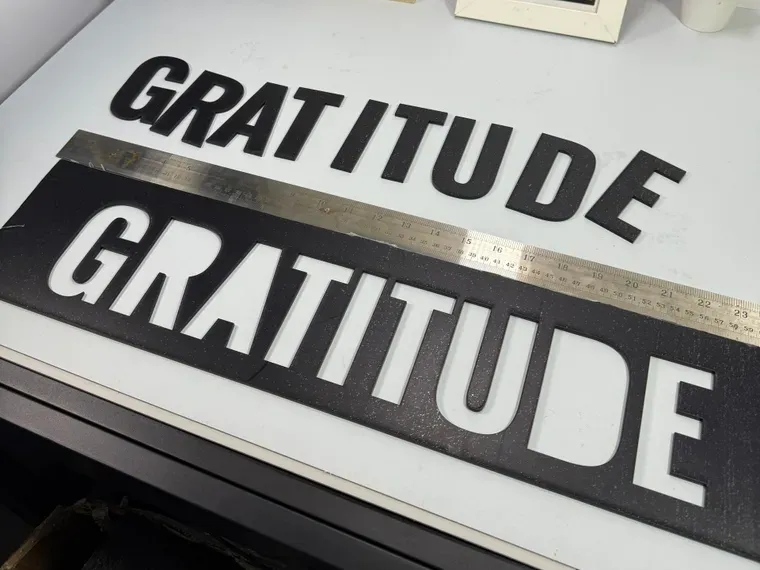 ServiceLaser Engraving & Cutting
 -
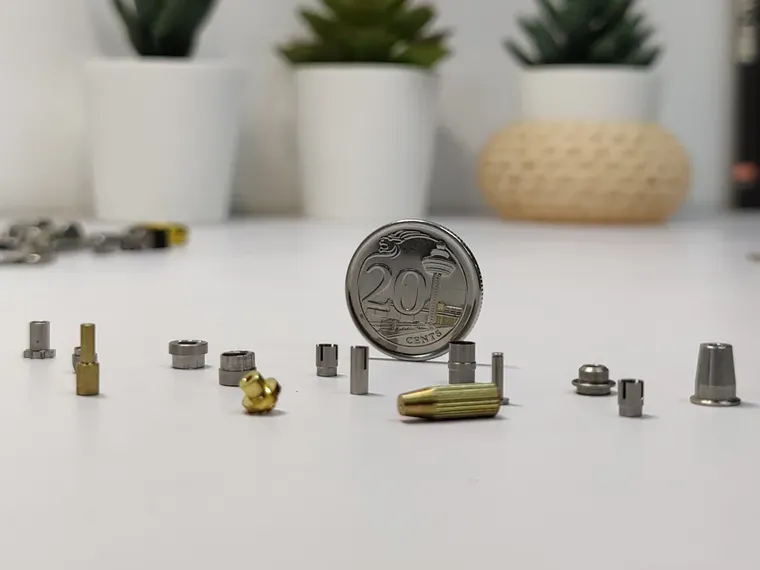 ServiceCNC Machining
 -
 ProjectPSA Halo-Lit Logo Sign
 -
 ProjectCustom Stainless Steel Housing