What materials can be laser cut?
Three families of material go through our lasers every week: acrylic from 3mm to 25mm, plywood and MDF from 3mm to 12mm, and paper, cardstock and leather. Metals are the special case: we engrave them rather than cut them. And a short list, PVC above all, never goes in the machine at all. That is the whole answer in three sentences. The useful detail is which material suits which job, so here is how we match them at our Bendemeer workshop, and the traps worth knowing before you buy sheet stock.
Which acrylic should you choose?
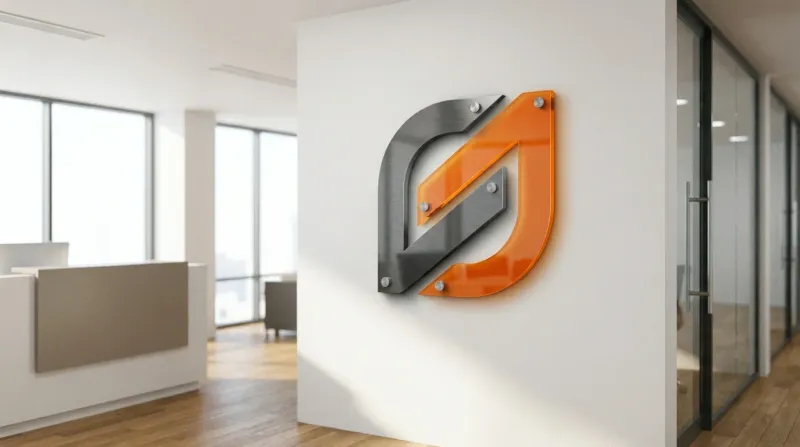
Acrylic is the workhorse of the laser bed. We stock it from 3mm to 25mm in clear, frosted and the full Pantone colour range, plus mirrored and metallic finishes. Thin stock at 3mm to 5mm suits small interior signs and layered builds, while 10mm to 25mm gives a chunky edge-glow and stands up as freestanding letters. The laser leaves a clean edge as it cuts, and flame-polishing is available where a display piece deserves a glassy, premium finish. If signage is the end goal, our custom signage guide covers letter styles, mounting and costs.
When is plywood or MDF the better sheet?
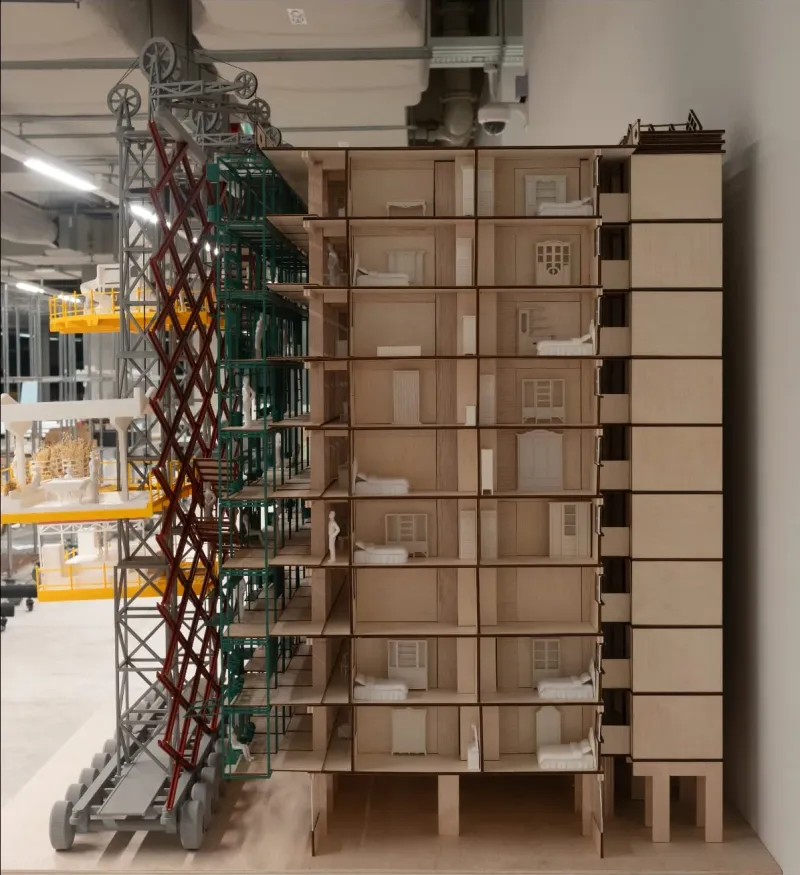
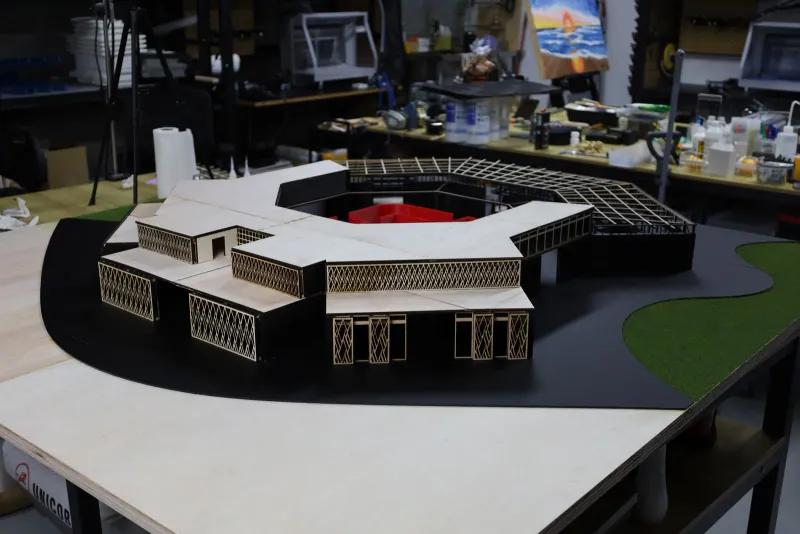
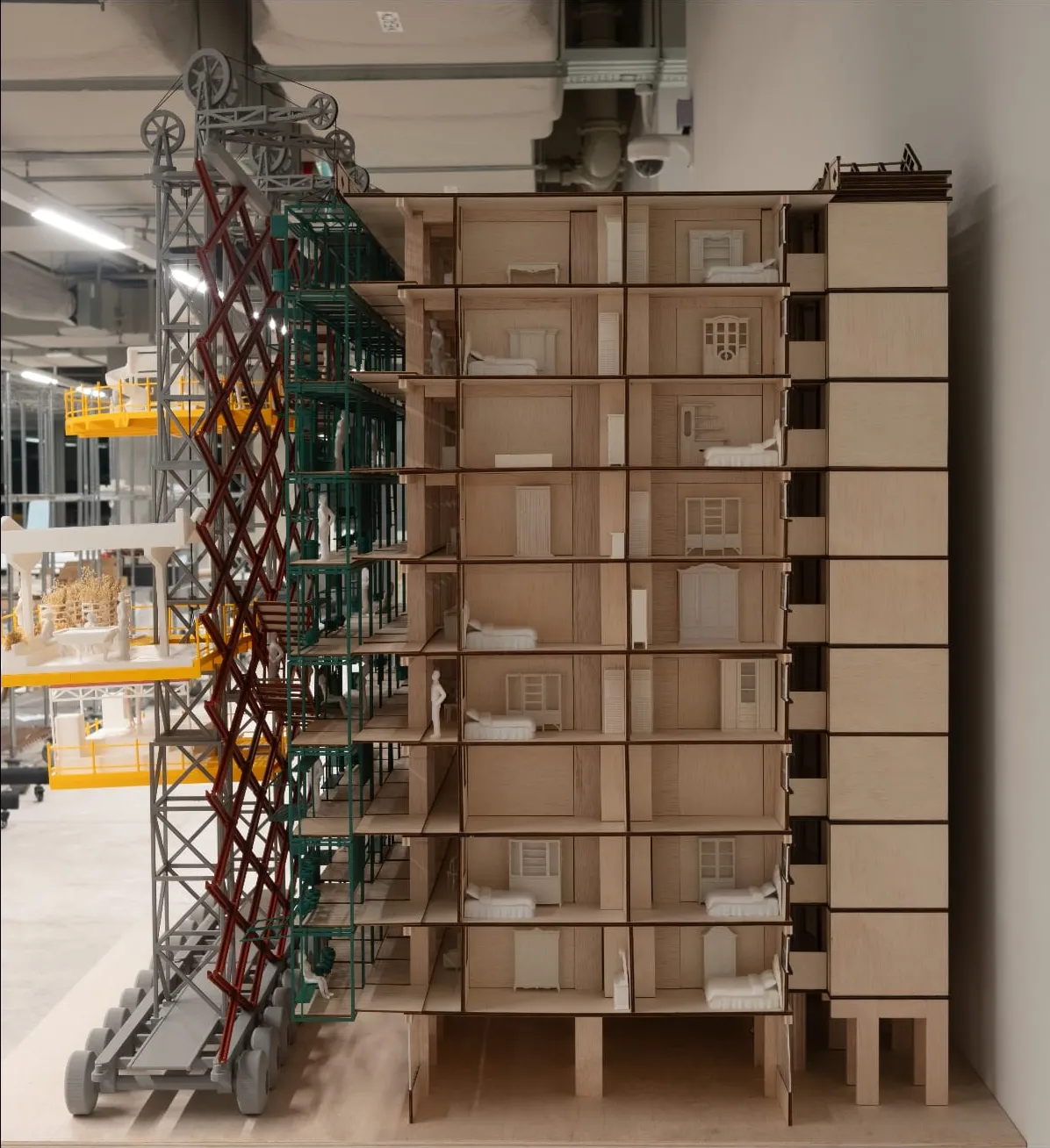
Both cut from 3mm to 12mm, and they carry most of our model work: baseboards, facade panels, fretwork and packaging inserts. In our laser-cut wooden architectural model, every floor plate, room divider, facade panel and walkway deck was cut from thin ply, stacked into a multi-storey structure, and left raw so the warm timber reads as the building itself, with only the exposed bracing picked out in paint. The same bed cuts and scores fine diamond-lattice facade screens for our building models, repeating patterns a craft knife could never hold consistent.
What about paper, card and leather?
All three cut cleanly, which is why the laser handles invitations, tags, templates and packaging as readily as model parts. For architectural concept work, cut card is a quick, inexpensive way to study a design before committing to timber or acrylic.
Can a laser cut metal?
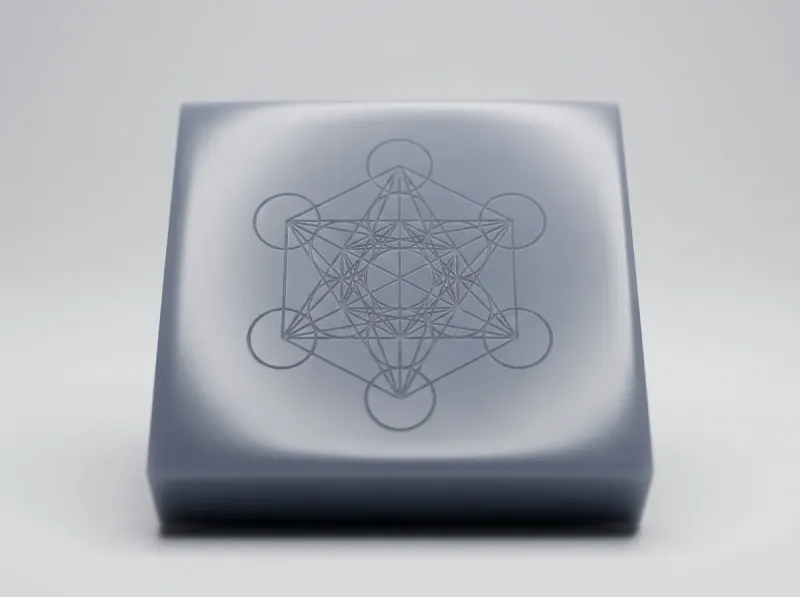
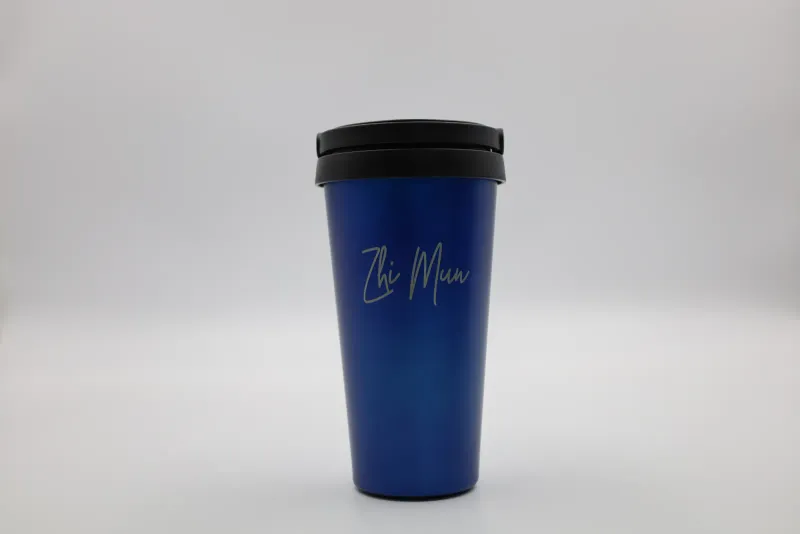
Ours engrave it instead: anodised aluminium, coated and stainless steel all take a permanent engraved mark, and a rotary attachment spins tumblers, bottles and glasses under the beam for an even, wrap-around result. The full rundown of what we mark, from drinkware to awards and plaques, lives on our laser engraving service page. On a batch of personalised tumblers for a corporate strengths programme, the laser cut through the powder coating to the bright metal beneath, so each recipient’s name reads crisply and survives the dishwasher. Parts that must be cut or shaped from solid metal are a job for CNC machining, which works metal and engineering plastics to plus or minus 0.05mm, from S$80 per part on our pricing page.
What will we not laser cut?
PVC and vinyl, ever: lasering them releases corrosive chlorine-based fumes that are dangerous to people and ruinous to the machine. If a material is not on the list above, do not assume. Tell us what it is, or what you think it is, and we confirm before anything runs; we review every file and flag anything that will not cut or engrave cleanly.
Cutting or engraving: which does your job need?
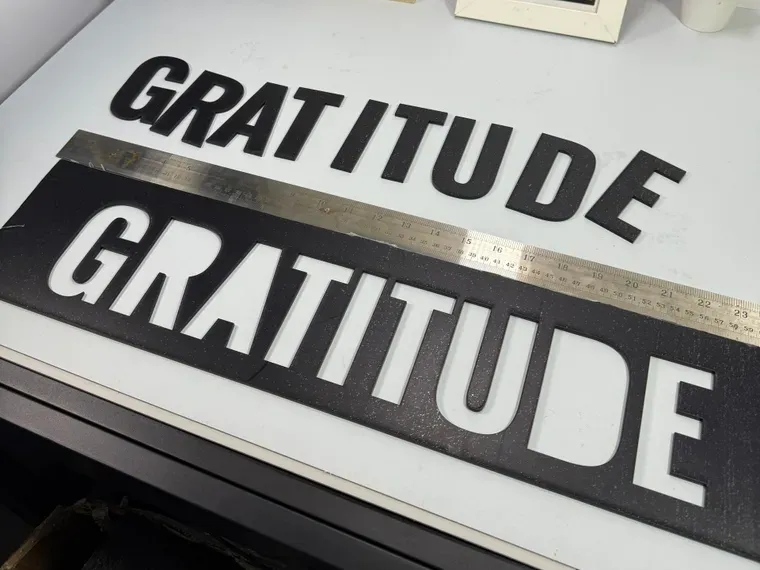
A cut goes straight through the material. An engraving marks the surface without breaking through, which is how names, logos and shaded artwork go onto a finished piece. In your file the convention is simple: black strokes cut, red strokes engrave. Cutting is priced from S$25 per A4 piece, and engraving by the area and detail involved, so a single name on a tumbler costs far less than a tray of densely engraved tags. Our laser file types guide shows how to set up the artwork so the quote comes back already split into cut and engrave.
How accurate is it, honestly?
Every laser cut has a kerf, the thin sliver of material the beam removes as it passes, so a cut has width in the same way a saw cut does. On our machines the kerf is tight, finished parts hold plus or minus 0.1mm, and masking film with air-assist keeps scorch off the visible face, which matters when the part is the product.
Send a DXF, AI, SVG or PDF with your cut and engrave layers to our laser engraving and cutting service for a same-day quote, or ask us which material fits before you draw anything.
Frequently asked
What materials can be laser cut?
On our machines, acrylic from 3mm to 25mm in clear, frosted and coloured stock, plywood and MDF from 3mm to 12mm, and paper, cardstock and leather. Metals are engraved rather than cut, including anodised aluminium, coated and stainless steel, and curved drinkware on a rotary attachment. Finished cuts hold a tolerance of plus or minus 0.1mm.
Can a laser cut metal?
Not on our laser line. We engrave metals, which puts a permanent mark on anodised aluminium, coated and stainless steel, tumblers and bottles, but parts that need to be cut or shaped from solid metal go to CNC machining instead, which works metal and engineering plastics to plus or minus 0.05mm from S$80 per part.
Why won't you laser cut PVC?
Cutting PVC or vinyl releases corrosive chlorine-based fumes that are hazardous to people and destructive to the machine, so it never goes on the bed. If you are not sure what your sheet is made of, tell us what you know about it and we confirm before anything runs.
What is kerf in laser cutting?
Kerf is the thin sliver of material the beam removes as it cuts, which means every cut has a width, much like a saw blade's. On our machines the kerf is tight and finished parts hold plus or minus 0.1mm, with masking film and air-assist keeping scorch off the visible face.
Related