

Metal 3D printing or CNC machining: which does your part need?
Updated
On this page
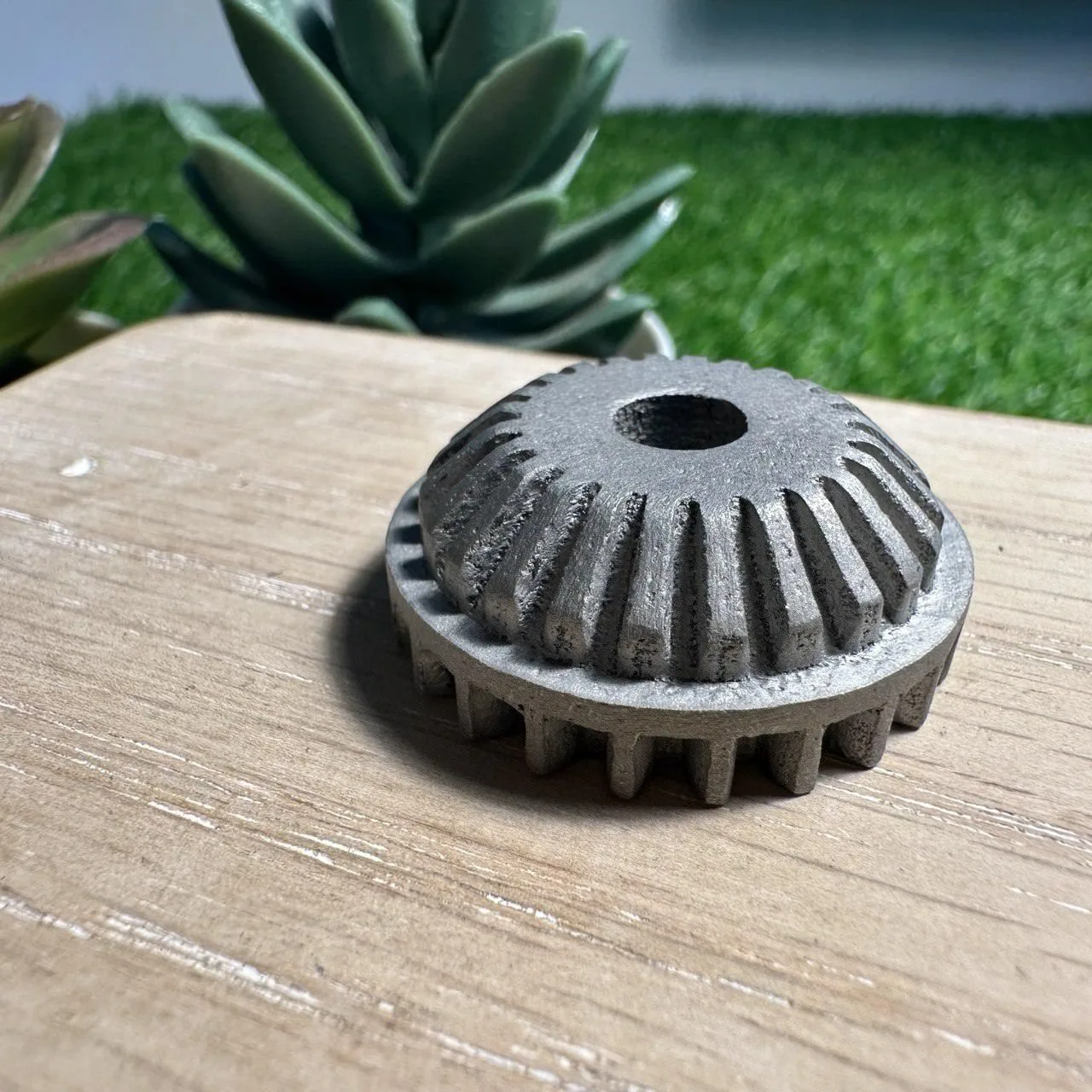
Choose CNC machining when your part is a solid shape that needs the tightest tolerances and a clean surface straight off the machine. Choose metal 3D printing when the shape is too complex to cut: internal channels, lattices, several parts merged into one, or a form that would turn most of an expensive billet into chips. We run both at our workshop at 994 Bendemeer Road and quote them side by side.
How does geometry decide it?
Metal 3D printing fuses fine metal powder layer by layer with a laser, so it reaches internal cooling channels, lattices and topology-optimised brackets that no cutting tool can. CNC machining carves the part from solid stock on our 3-axis mills, which suits blocks, plates, pockets, holes and flat mating faces. Our rule of thumb: if you can picture the part in a vice with every feature in reach of a tool, machine it. If the interesting geometry is inside, print it, and read metal print defects before you design it. For fused deposition modeling (FDM), stereolithography (SLA), selective laser sintering (SLS) and multi jet fusion (MJF), see our process guide.
Which process holds tighter tolerances?
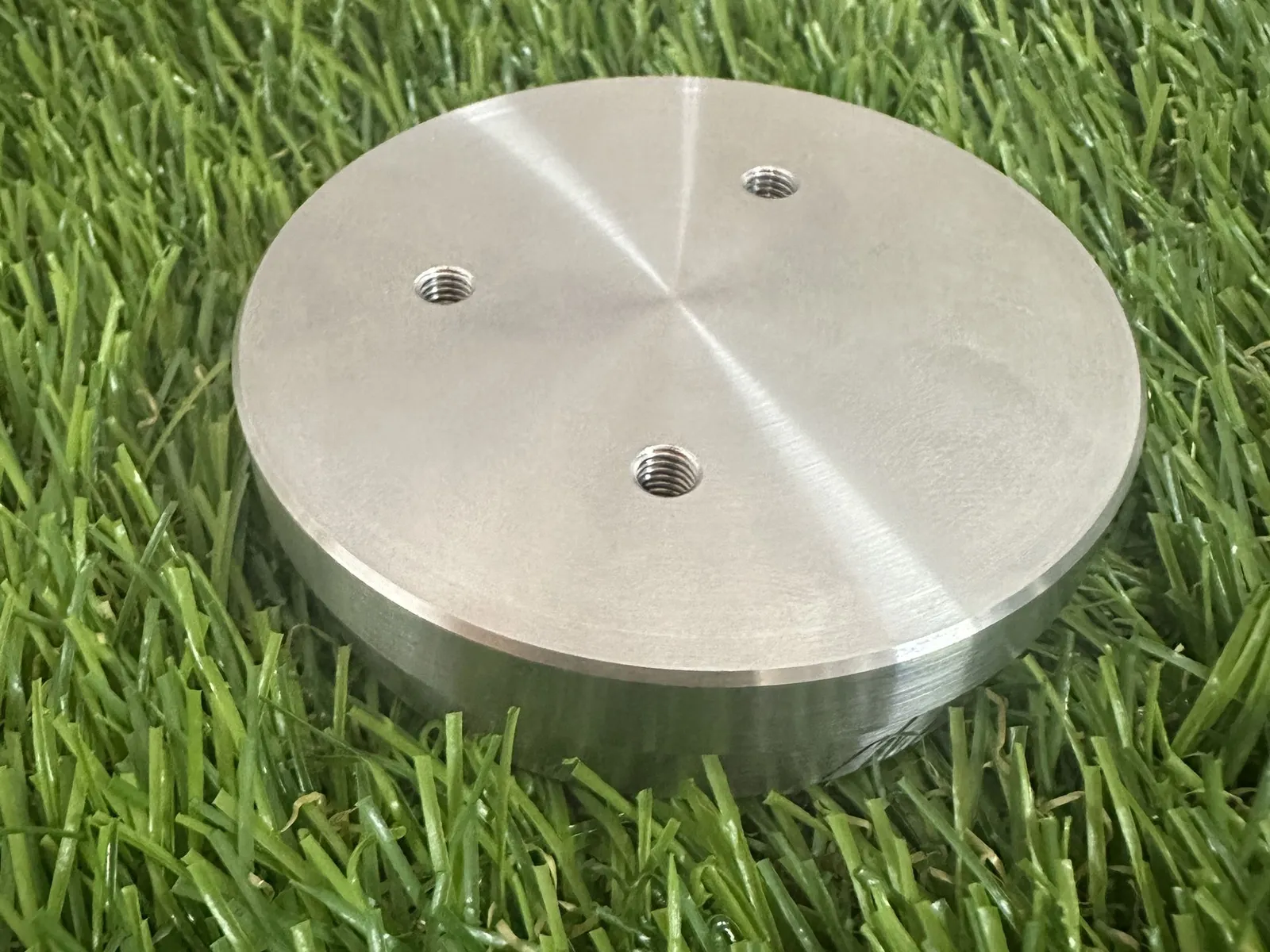
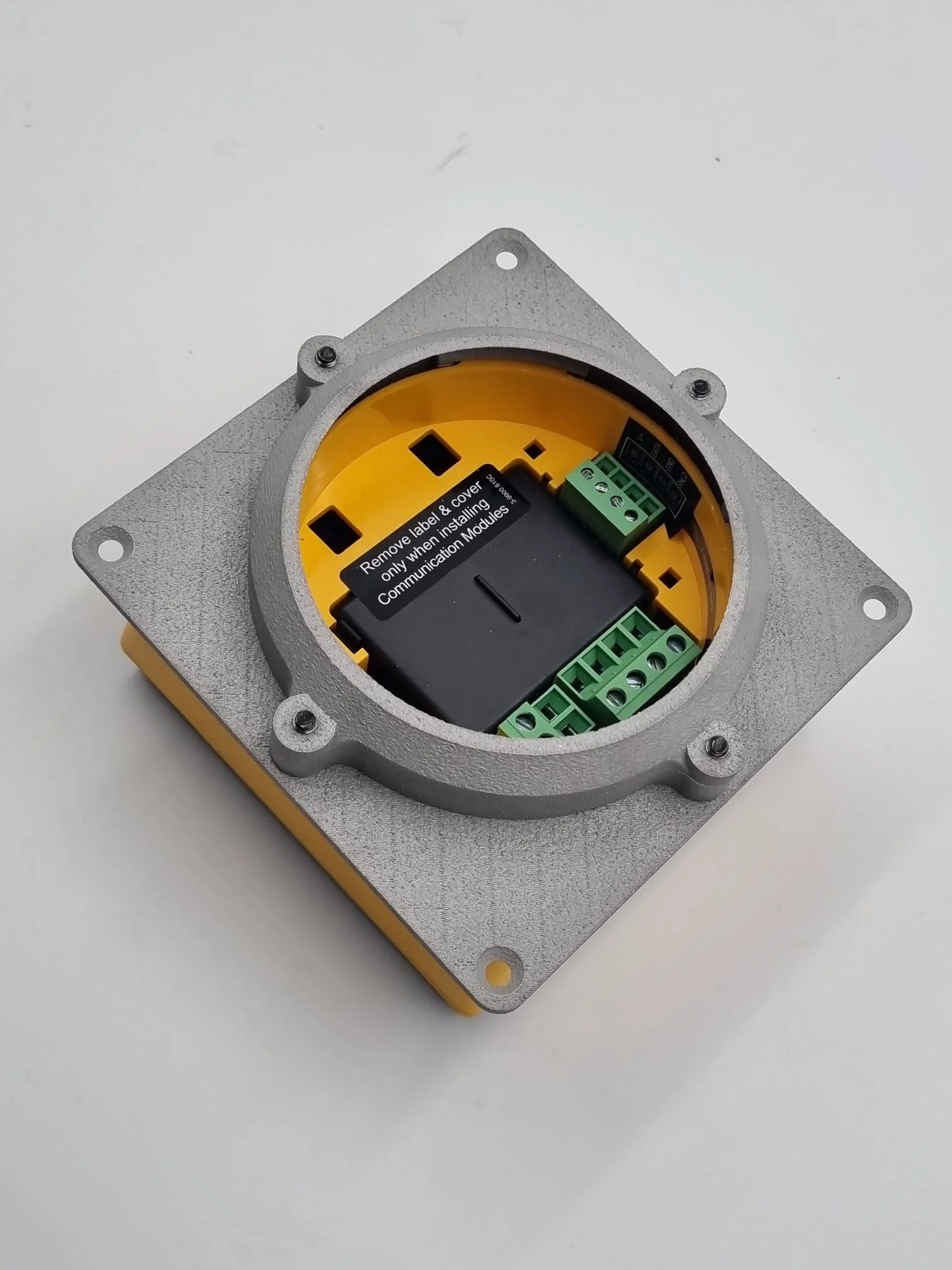
Machining. We hold down to plus or minus 0.05mm on CNC parts, checked at first article with digital calipers and pin gauges. Printed metal parts are accurate, but where a face is truly critical we print the complex form and then machine the datum faces. If every surface on your drawing carries a tight tolerance, machine the whole part.
What do quantity and cost do to the decision?
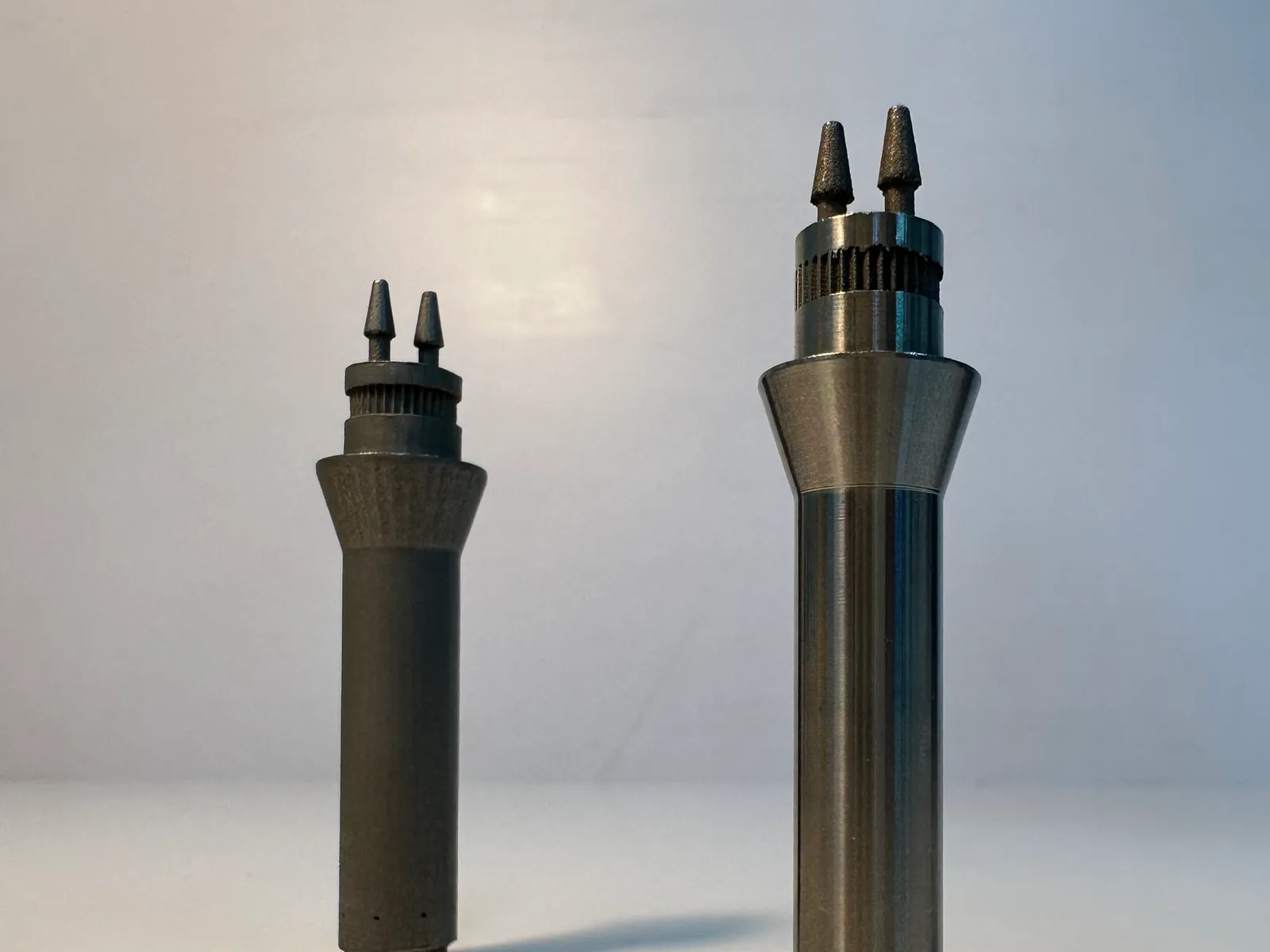
Neither process needs tooling, so both suit one-offs and short runs. CNC parts are priced per part, with volume discounts from 10 units (our pricing guide lists current rates), and we are set up for 1 to 50 units rather than mass production. Metal printing is priced per job, not per gram, because alloy, size, density and finishing all move the number; we send a firm quote within 24 hours. For simple solid parts, machining is nearly always better value. Printing earns its premium when the shape is complex, or when machining would waste most of the stock as swarf.
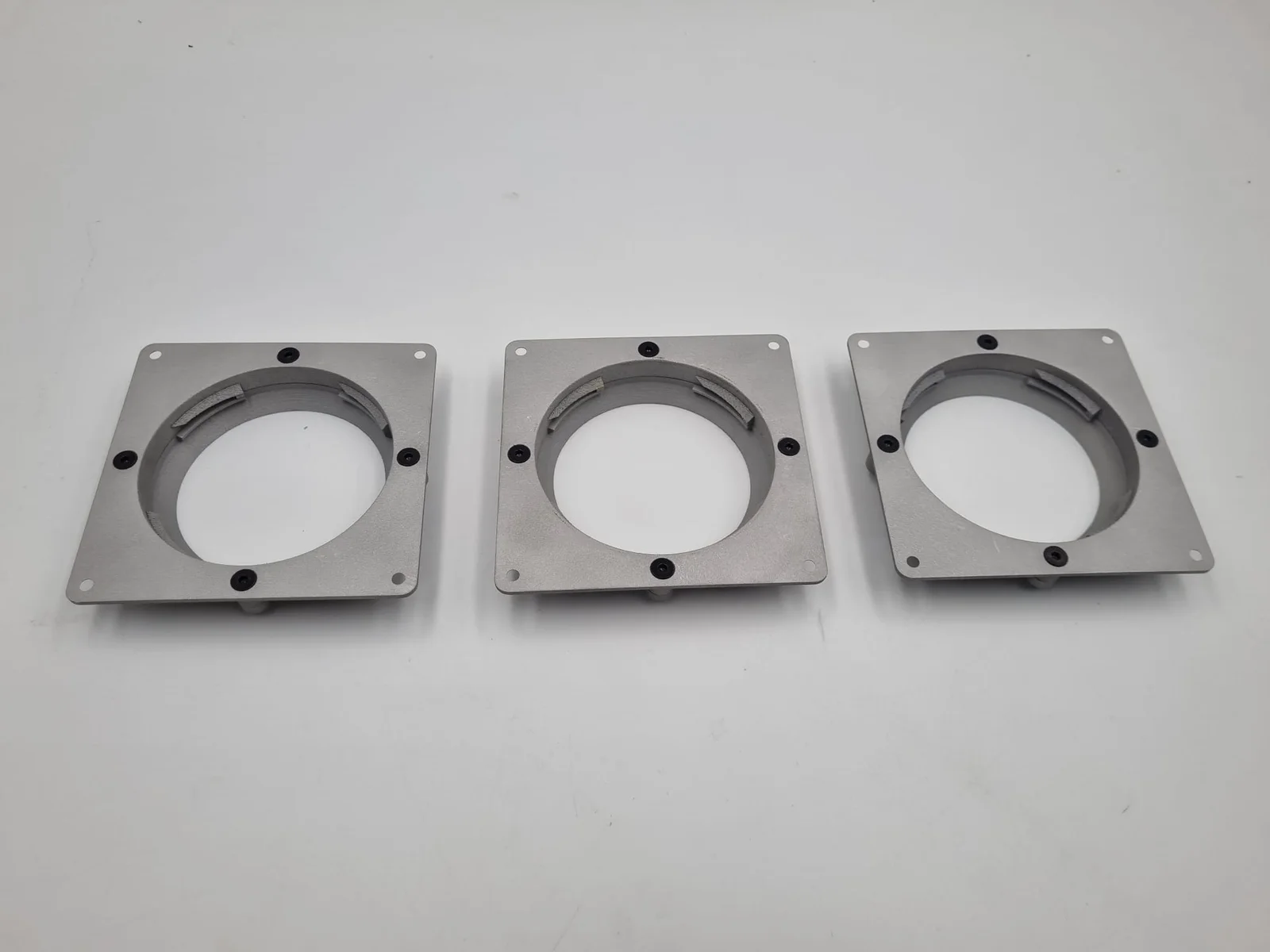
Does the material make the choice for you?
Sometimes. Our CNC side runs aluminium 6061 and 7075, brass C360, engineering plastics like Delrin and POM, and hardwoods such as teak, walnut and oak. Our metal printing side runs stainless steels like 316L and 17-4PH, AlSi10Mg aluminium and Ti6Al4V titanium. Brushed brass hardware or a teak casing is a machining job. A titanium bracket with a lattice core is only possible by printing.
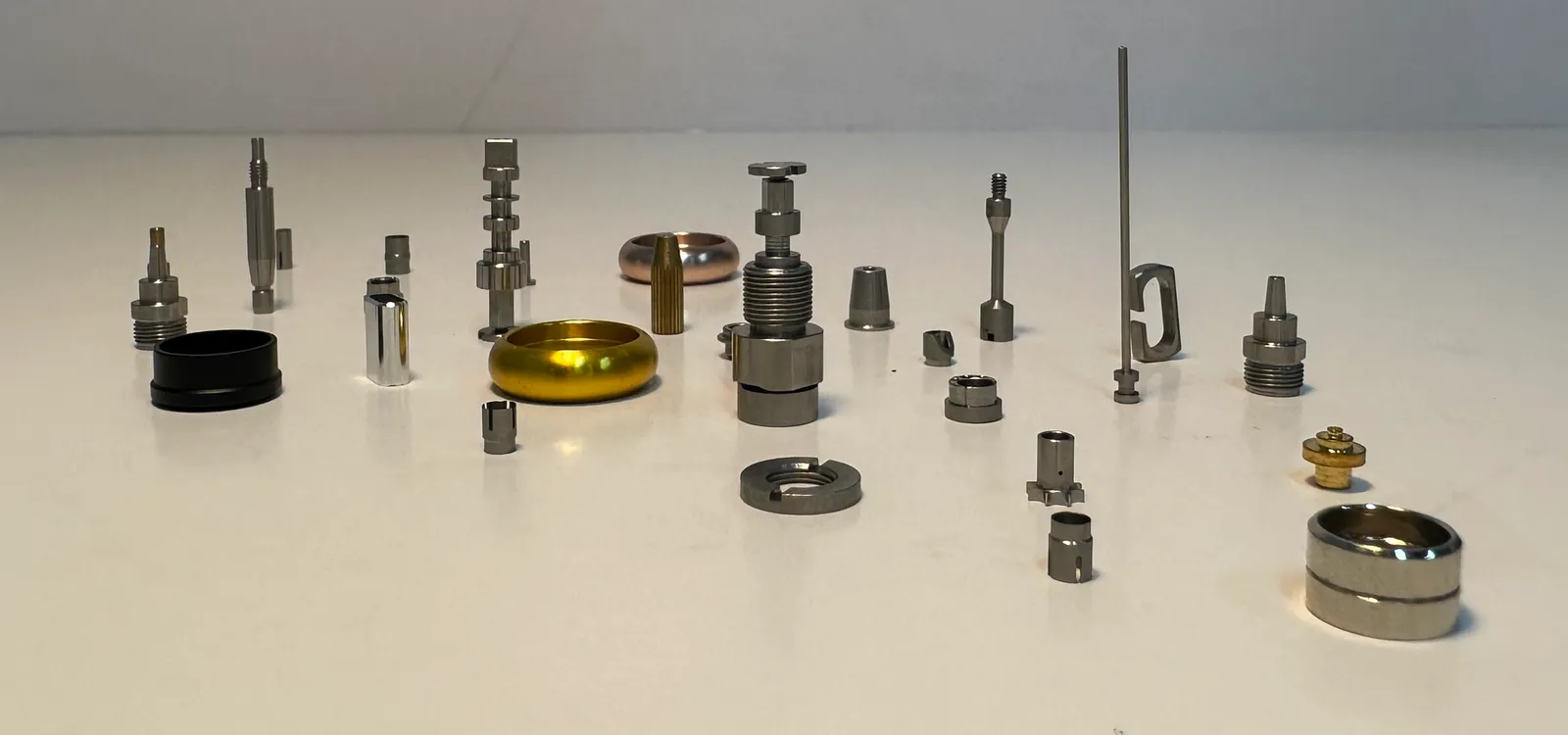
Should you prototype before committing to metal?
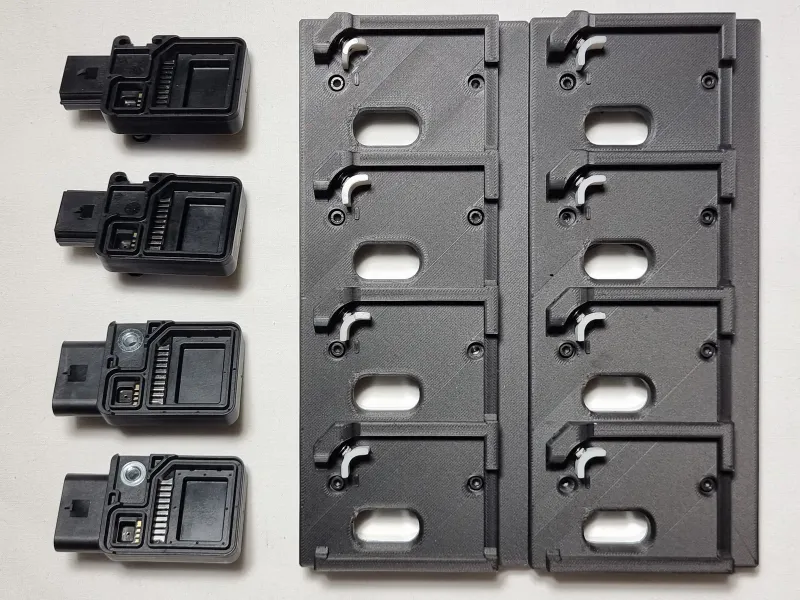
Usually. A plastic print is the cheapest fit check: FDM is priced by the gram (see pricing), so you can hold the part before spending on metal. For the flow meter panel mount we tuned the bore, tabs and screw positions on a PLA print against the real meter, then printed the final mounts in metal. Also ask whether the part needs to be metal at all: our electronic parts holding jig is carbon-fibre reinforced PETG instead of machined aluminium, stiff and stable enough to hold each connector for measurement.
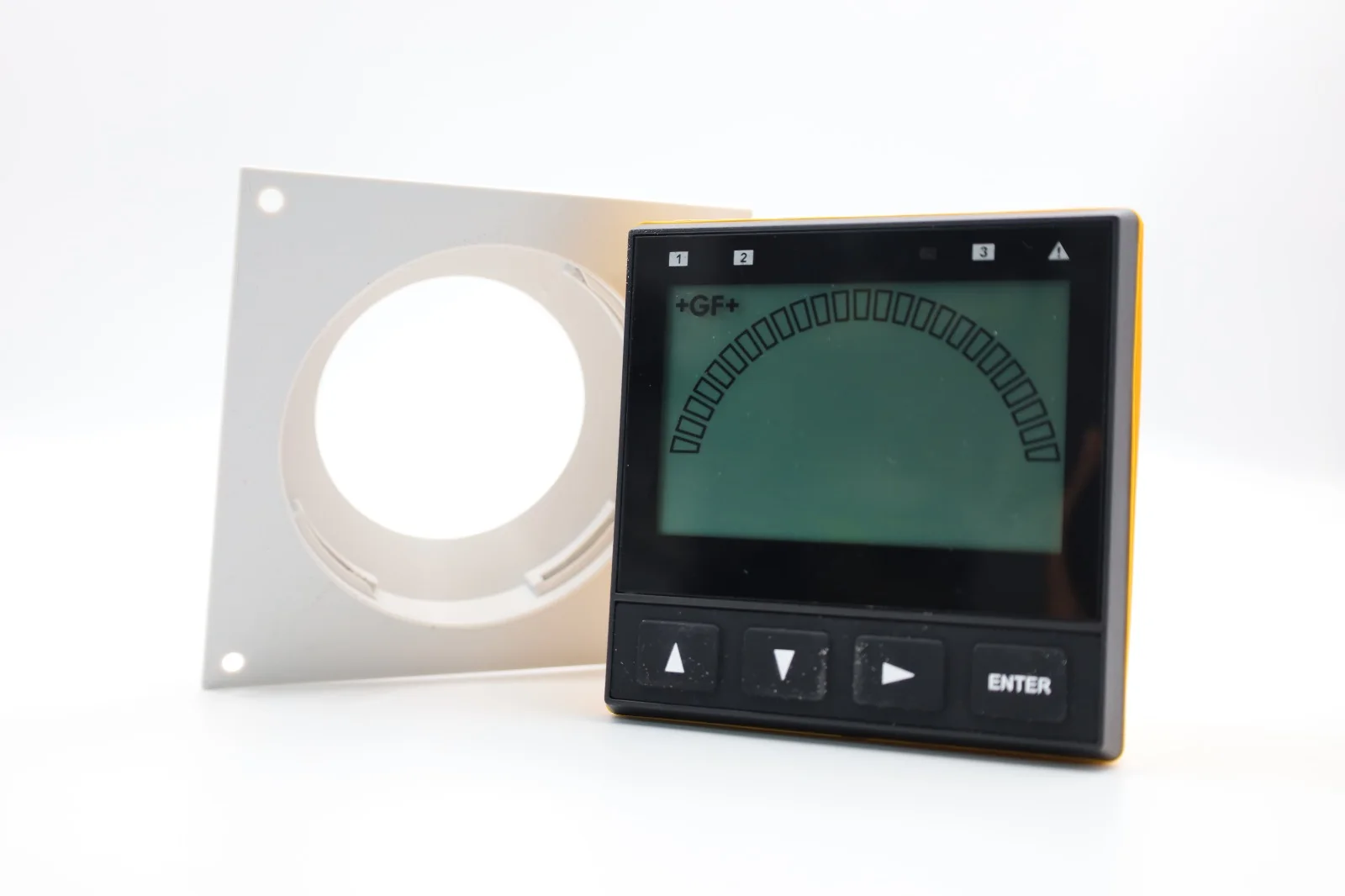
When is the answer neither?
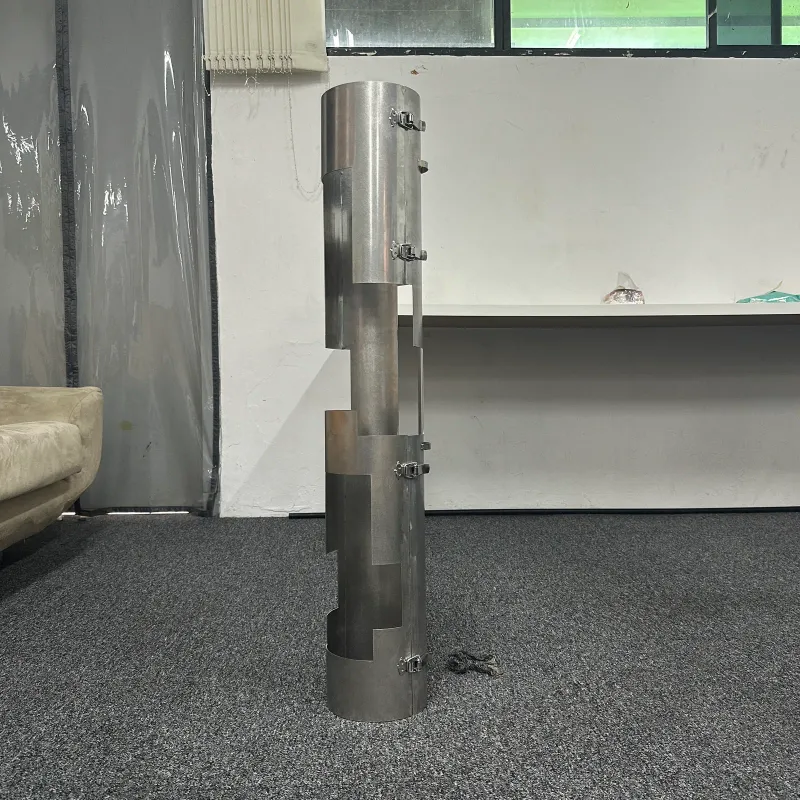
Thin-walled metal enclosures. For a custom stainless steel housing we cut the profile and cutouts from stainless sheet, rolled it into nested cylindrical sections, and fitted quick-release toggle latches and welded hinges. Printing it would have been slow and costly; machining it from solid would have wasted almost the whole block. Because we fabricate as well as print and machine, we will tell you when sheet metal, or a mix of processes, beats both.
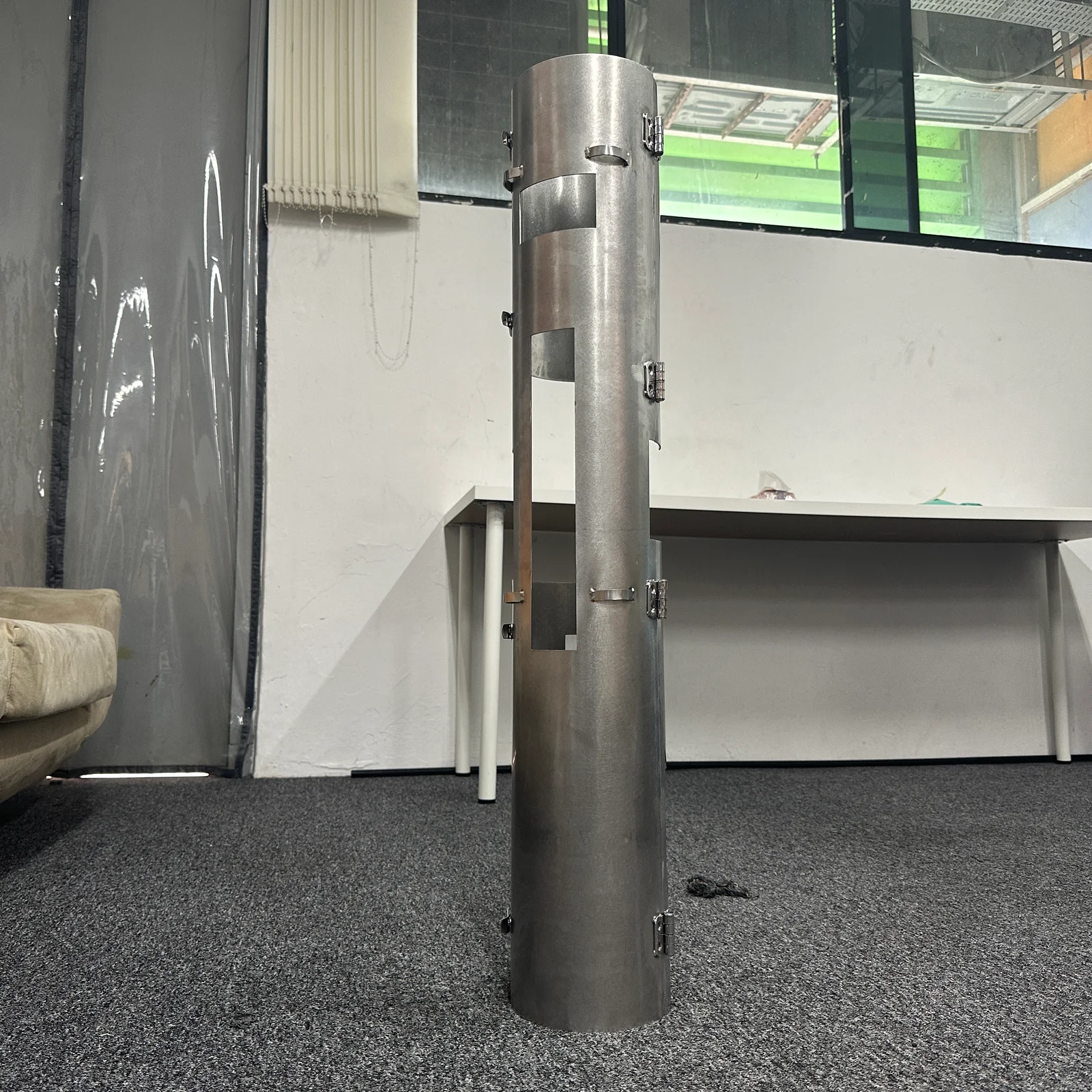
How do you get a straight answer for your part?
Send a STEP file with the critical tolerances called out and a line on what the part does. For CNC we reply with a quote and any design-for-manufacturability flags the same business day; for metal printing, within 24 hours. Talk to us with your file, or get an instant quote if a plastic prototype is the smart first step.
Frequently asked
Is metal 3D printing cheaper than CNC machining in Singapore?
For simple solid parts, no. CNC parts are priced per part, with volume discounts listed in our pricing guide, and machining is usually the better-value route. Metal printing is priced per job because the alloy, size, density and finishing all move the cost, and it wins financially when the geometry is complex or machining would waste most of the stock. Send the file and we quote both routes honestly.
Which holds tighter tolerances, CNC machining or metal 3D printing?
CNC machining. We hold down to plus or minus 0.05mm on 3-axis milled parts, with first-article inspection using digital calipers and pin gauges. Printed metal parts have their critical faces machined after printing when a tolerance genuinely matters, so a common route is to print the complex form and then mill the datum surfaces.
Can I combine 3D printing and CNC machining in one project?
Yes, and it is often the cheapest path. A plastic FDM prototype is priced by the gram and costs far less than metal, so it lets you check fit and form before committing to metal, and CNC parts fold into the same job as printing, finishing and assembly, quoted and delivered by one team. On printed metal parts we also machine critical faces after printing, so the two processes routinely meet in a single part.
How long do metal 3D printing and CNC machining take?
CNC jobs are quoted with design-for-manufacturability flags the same business day and typically run 5 to 7 working days once the design is confirmed. Metal printing quotes come back within 24 hours, with the schedule confirmed per job since alloy and finishing vary. Collect from our studio at 994 Bendemeer Road or we courier islandwide.
Related
-
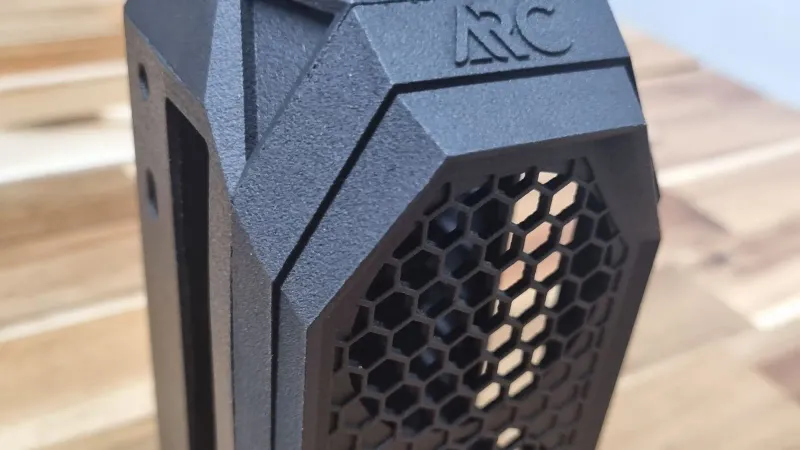 GuideFDM, SLA, SLS, MJF or metal: which 3D printing process suits your part?
-
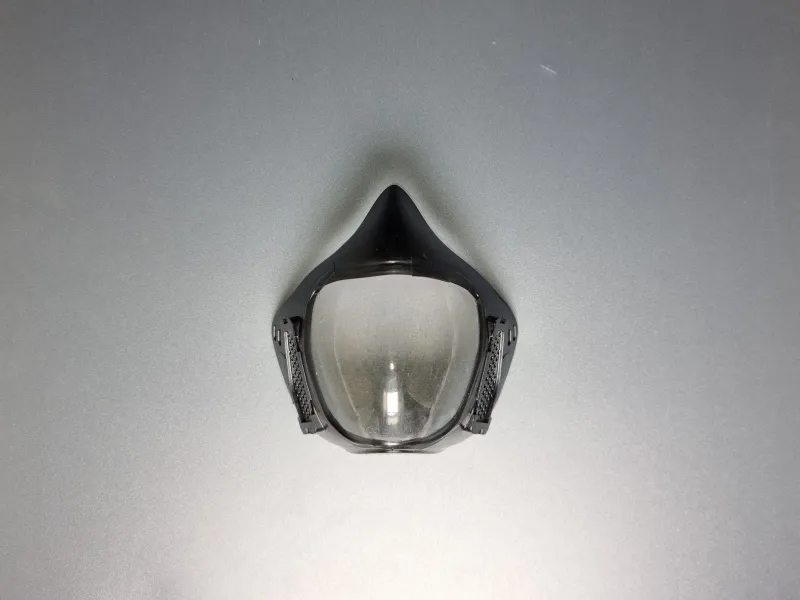 GuideWhich 3D printing material should you choose?
-
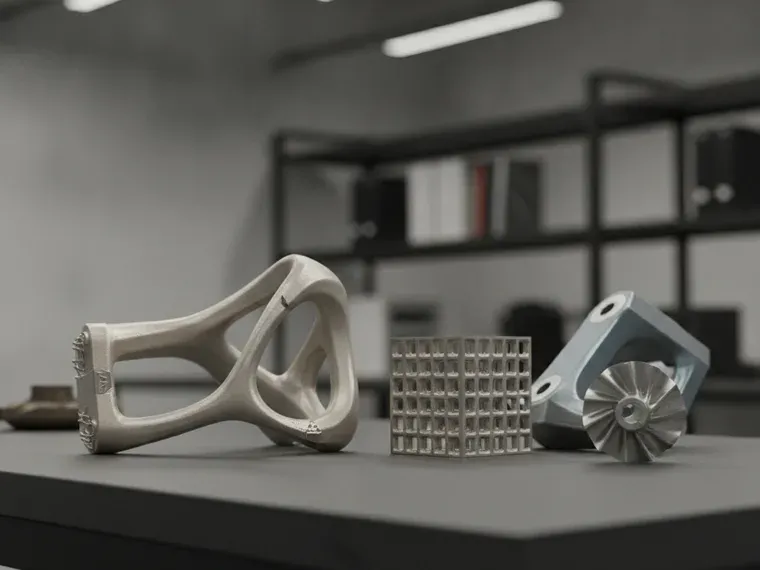 ServiceMetal 3D Printing
-
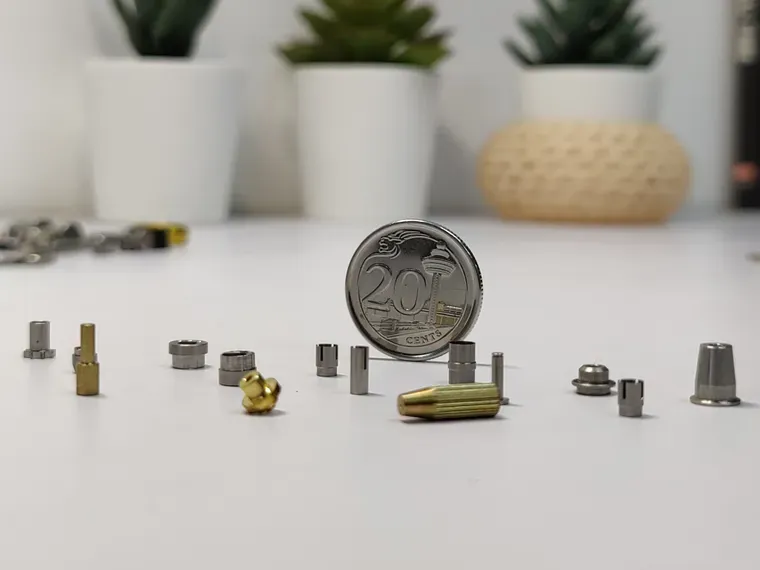 ServiceCNC Machining
-
 ProjectCustom stainless steel housing for an SAF missile manpack
-
 ProjectElectronic parts holding jig for Sanwa Intec
-
 Project3D printed robot casing for ST Engineering