

What makes plywood marine plywood, and is it really waterproof?
Marine plywood is made to British Standard BS 1088: durable veneers, a tested glue bond, no open core gaps. Why it needs sealing, and where it pays off.
Do you really need marine plywood?
One question, and you get what this guide says about your use.
Marine plywood is plywood made to a named standard, British Standard BS 1088: veneers of durable species, a glue bond tested to an exterior class and no open gaps in the core. It is not waterproof wood. The edges still take in water, so it needs sealing, and some sheets sold as marine do not meet the standard.
Marine, WBP and ordinary plywood compared
| What you compare | Marine plywood | WBP plywood | Ordinary plywood |
|---|---|---|---|
| Glue | Bond tested to an exterior class (BS EN 314-2 Class 3) | WBP, melamine or phenolic resin | Often an indoor glue with limited water resistance |
| Veneers | Species chosen for durability and density | Not set: the label names the glue only | Not set by the label |
| Gaps in the core | No open gaps | Not set by the label | Not set by the label |
| Standard behind it | BS 1088 | None: a description of the glue | Face grades such as BB/CC |
| Damp and outdoor use | Made for long exposure to moisture | Weather and occasional soaking | Dry indoor use |
| On a laser cutter | Ask us first: test a sample | Ask us first: test a sample | Test a sample first |
- A sheet made to BS 1088:2018 should carry the standard’s mark on its edge or back. Ask what backs the mark up.
- Our guide to plywood types in Singapore sets marine beside the other sheets.
What BS 1088 asks for
BSI, the body that publishes it, says BS 1088 covers two classes, standard and lightweight. It looks at how well the plywood resists rot and the loss of glue strength over time. A boatbuilding supplier’s summary of the 2018 edition lists the main rules:
- Glue: a bond that meets Bonding Class 3 of BS EN 314-2, an exterior class tested after severe moisture and heat conditioning.
- Veneers: standard class uses species with a nominal density above 500 kg per cubic metre that meet the durability rating. Lightweight class uses species at or under that density, with okoume as the example.
- Plies: at least three up to 6.5 mm thick, at least five above that.
- Faces: strict limits on knots, and no repairs to the outer veneers. On panels over 3.8 mm thick the outer veneers stay at least 1.0 mm thick after sanding.
- Defects: no open core gaps, overlaps, pleats, blisters or hollows.
- Marking: the words BS 1088:2018 and MARINE on the edge or back, with the thickness, the maker, the country, the class and the main species.
Summaries online disagree on the exact knot limit, so we give no count here. The standard itself is sold by BSI.
The standard stops there. BSI says it makes no provision for other properties that a particular use might need. A marine sheet is tested for rot and glue, not for everything a cabinet or a deck has to do.
Is marine plywood waterproof?
No. The glue bond is tested against water. The wood still takes it in at the edges. Plywood has end grain on every edge, says WEST SYSTEM’s Epoxyworks magazine, and that makes it open to moisture and damage. Its answer is to coat the surfaces, especially the exposed end grain, with epoxy.
Okoume, one of the woods used for marine veneers, is a non-durable species, says the same magazine. It reports good long-term results with it, put down to thorough coating and careful maintenance.
BSI makes a similar point about building sites. Fast water ingress at a panel edge can swell the core unevenly and look like delamination.
- Seal the edges. Every cut face and every drilled hole is end grain.
- Keep it out of standing water. Water finds the end grain first.
Check the label before you pay for marine
Marine is a trade word as well as a standard. Wikipedia notes that some UK merchants sell sheet as marine ply that does not meet BS 1088, with a caveat such as “not suitable for boat”. It also notes that some genuine BS 1088 sheet carries a Lloyd’s stamp.
A boatbuilding supplier says a BS 1088:2018 mark is the maker’s own declaration, not independent certification, and that a vague stamp such as “BS1088 Marine Ply” is not the marking the 2018 standard specifies.
Ask the seller for three things: the mark on the sheet, the veneer species and the sheet’s thickness. For a part that matters, ask what evidence sits behind the mark.
Where marine plywood is worth it
- Boats, docks and piers. Hong Wen lists hulls, decks and waterfront structures. A boatbuilding epoxy maker says marine grade has better inner veneers, smaller voids and fewer patches than exterior sheet.
- Bathrooms, kitchens and outdoor furniture. Hong Wen lists these as moisture-prone areas. Seal the edges.
- Dry indoor shelves and cabinets. Usually not needed. A Singapore supplier lists commercial plywood for wall panelling, flooring and cabinetry.
Three Singapore shops list marine plywood on their own sites: Hong Wen Hardware Timber, Chi Han Trading and Hardware City. Hardware City sells it in 8 x 4 ft sheets from 9 to 25 mm, and warns that an uncut sheet will not fit a normal Housing and Development Board (HDB) or office lift.
Laser cutting marine plywood
Our laser cuts plywood from 3 to 12 mm, but marine plywood is not on our list by name. Ask before you buy a sheet for it.
The worry is the glue. A laser machine maker’s guide says to avoid phenolic and WBP exterior glues, because construction and exterior sheets char heavily, soot the optics and cut inconsistently. The 2018 standard tests how the bond performs and lets several glues qualify, phenolic among them, so a marine sheet may carry one of the glues that guide warns about. Expect a darker edge until a test says otherwise.
We can cut a sample on your own board first. On a run of 320 plywood kits, we checked the first batch with the client and changed the logo from a filled engrave to fine scoring so every line read.
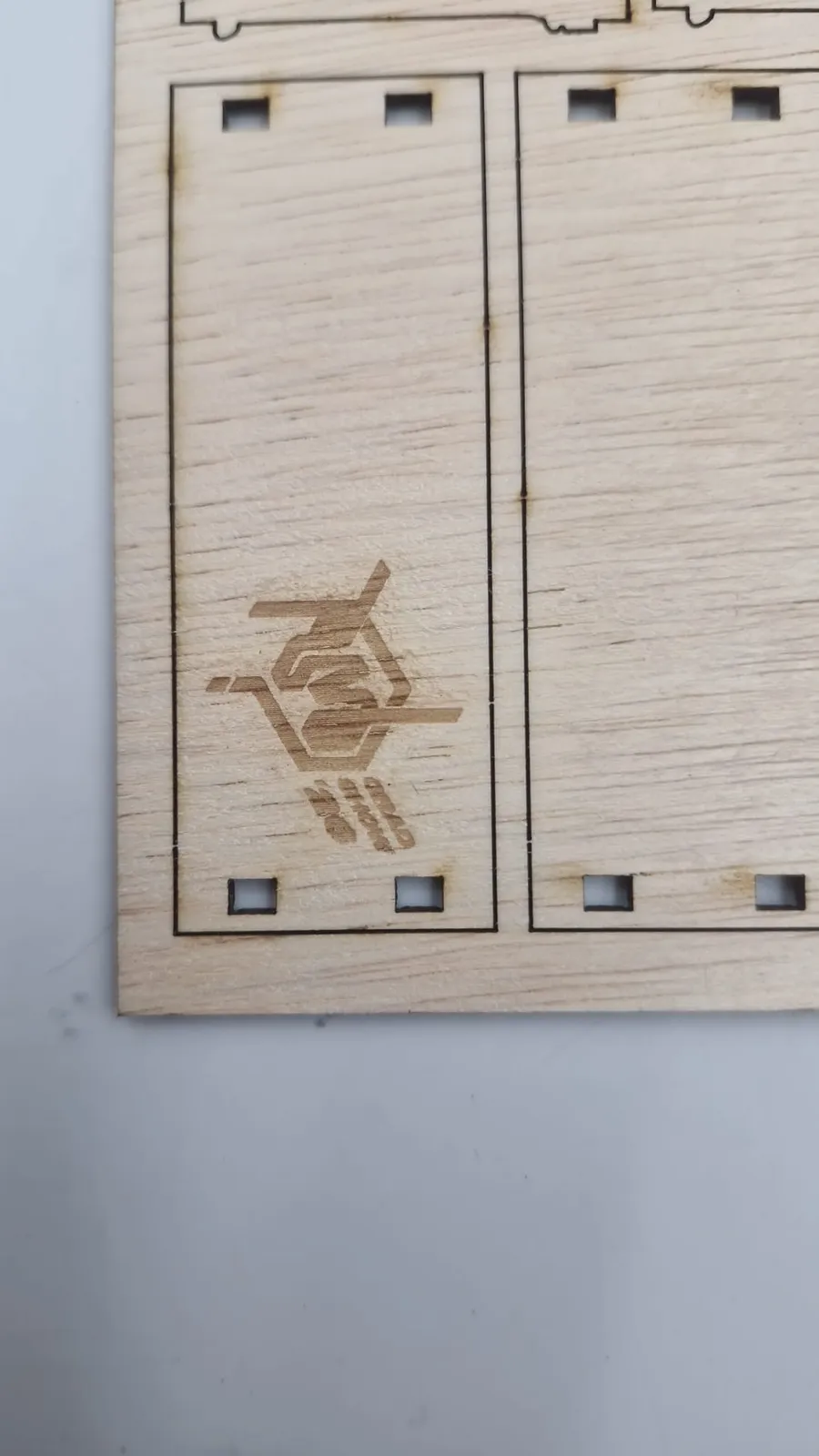
We have no marine plywood job to show. For laser-cut models and kits, laser guides point to thin birch plywood. For a damp-place part that must be cut, send the sheet details and we say whether it can be done.
Where these facts come from
Every outside fact was read on the page named here on 19 November 2026. Standards and shop listings change, so check before you buy.
- BSI Knowledge, BS 1088:2018 Marine plywood. Requirements: scope, the two classes and the edition date.
- Denman Marine, plywood and BS 1088 information: a boatbuilding supplier’s summary of the 2018 edition (glue class, plies, faces, core, marking, maker’s declaration). International Timber’s technical information gives matching plies, glue class and core-gap rules from the 2003 edition.
- Wikipedia, BS 1088 and Plywood: that the sheet need not be made in Britain, the Lloyd’s stamp and the UK labelling note.
- Epoxyworks (WEST SYSTEM), Marine-grade plywood basics: end grain, marine against exterior grade, species and okoume.
- Hong Wen Hardware Timber, waterproof plywood (a listing hosted on G Search): the WBP glue description and the marine uses.
- Chi Han Trading, timber and plywood, and Hardware City, marine plywood 8 ft x 4 ft: what they list.
- StyleCNC, laser cutting MDF vs plywood: glue and laser cutting.
- Our own laser cutting page and the 320-kit project: the 3 to 12 mm range and the sample cut.
Frequently asked
What does BS 1088 stand for?
British Standard 1088, titled Marine plywood. Requirements. BSI published the current edition on 31 August 2018. It covers two classes, standard and lightweight.
Can I use marine plywood in a bathroom?
A Singapore timber shop lists it for bathrooms and kitchens. Seal every cut edge and every hole you drill, because the edges are end grain and take in water. A sealed sheet in a dry bathroom is a different job from a boat hull.
Is marine plywood the same as exterior plywood?
No. Exterior plywood needs waterproof glue. Marine plywood also has better inner veneers, smaller voids and fewer patches, according to a boatbuilding epoxy maker, which is why it is steadier and stiffer.
Does marine plywood have to be made in Britain?
No. The sheet only has to be made to the standard. Wikipedia notes that the finished product does not have to be made in Britain, and that some sheets carry a Lloyd's stamp. A boatbuilding supplier says a BS 1088:2018 mark is the maker's own declaration, so ask what backs it.
How thick does marine plywood come in Singapore?
One Singapore retailer lists 8 x 4 ft marine plywood in 9, 12, 15, 18 and 25 mm. The standard sets thickness tolerances, so a real sheet differs slightly from its label. Test any tight fit.
Is okoume the same as marine plywood?
No. Okoume is a wood used for the veneers. A boatbuilding epoxy maker says marine plywood is mostly made from tropical hardwoods such as African mahogany, sapele, utile and okoume.
Can marine plywood rot?
It can, if the veneers are a non-durable species and the sheet is left unsealed. A boatbuilding epoxy maker calls okoume non-durable and says its good long-term results come from thorough epoxy coating and careful maintenance.
Can you laser cut marine plywood?
Ask us first. Our laser cuts plywood from 3 to 12 mm, but marine sheet may use a glue that laser makers say can char and cut unevenly. We can cut a sample on your board and show you the edge.
Related
-
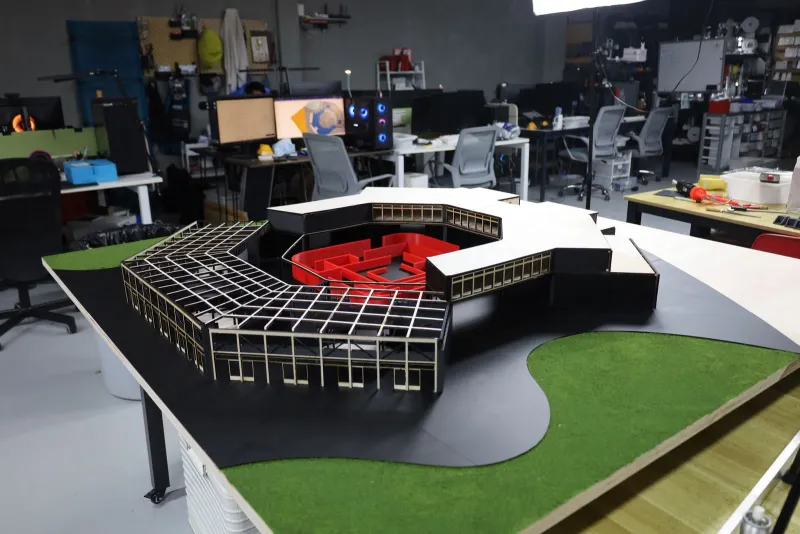 GuideWhich plywood do you need, and where do you buy it in Singapore?
-
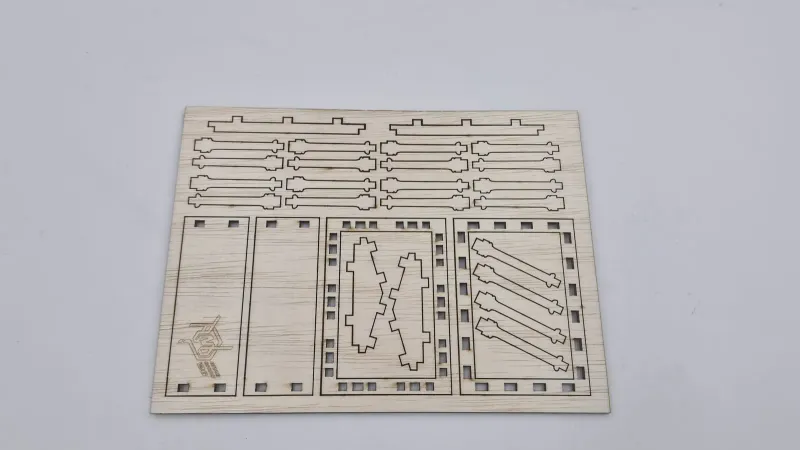 GuideWhy do model makers and laser cutters pick birch plywood?
-
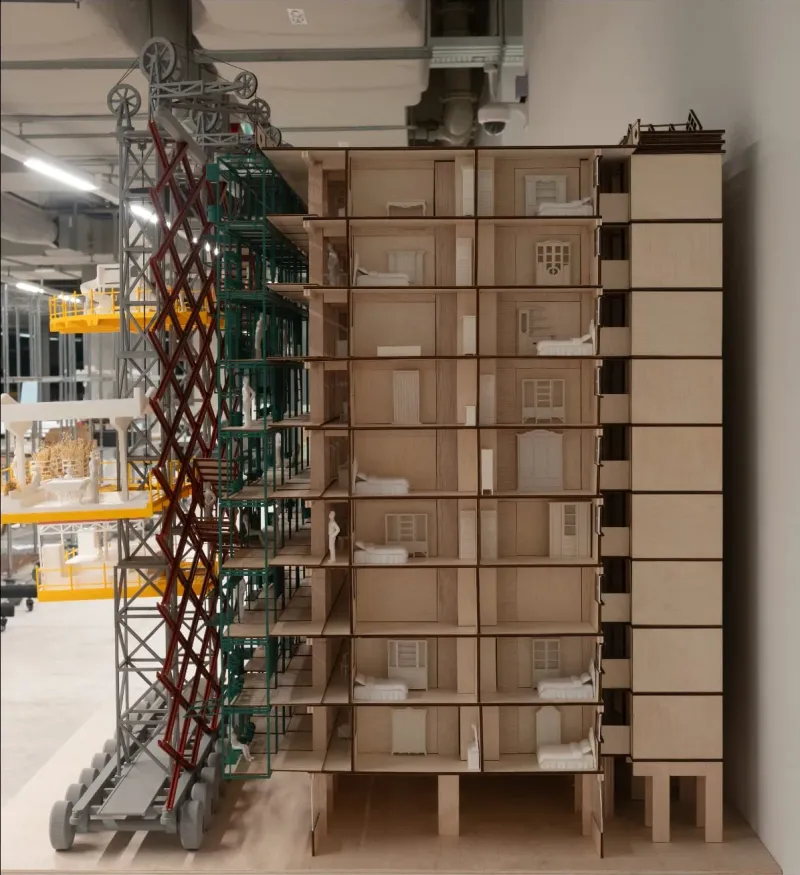 GuideWhat can be laser cut, and which material suits your job?
-
 ServiceLaser Engraving & Cutting
-
 Service3D Modelling, CAD and 3D Scanning
-
 ServiceProduct Development & Prototyping
- Project320 laser-cut pop-out wooden kits
- ProjectFaceted laser-cut architecture model
-
 ProjectOpening plaque in brass and wood for the Hut of Kasih Sayang