
Engrave, mark, print or emboss: how do you put a logo on a product?
On this page
- Every logo method at a glance
- Laser engraving: a logo that lasts
- Laser marking: a clean mark on metal parts
- UV printing: full colour and photos
- Silk screen: crisp colours for repeat runs
- A 3D printed logo: part of the object
- Laser cut lettering: the logo as the sign
- Paint and plating: brand colour or real metal
- Sand blasting and debossing: ask us first
- Logos on corporate gifts
- Cost: what moves the price
- Frequently asked
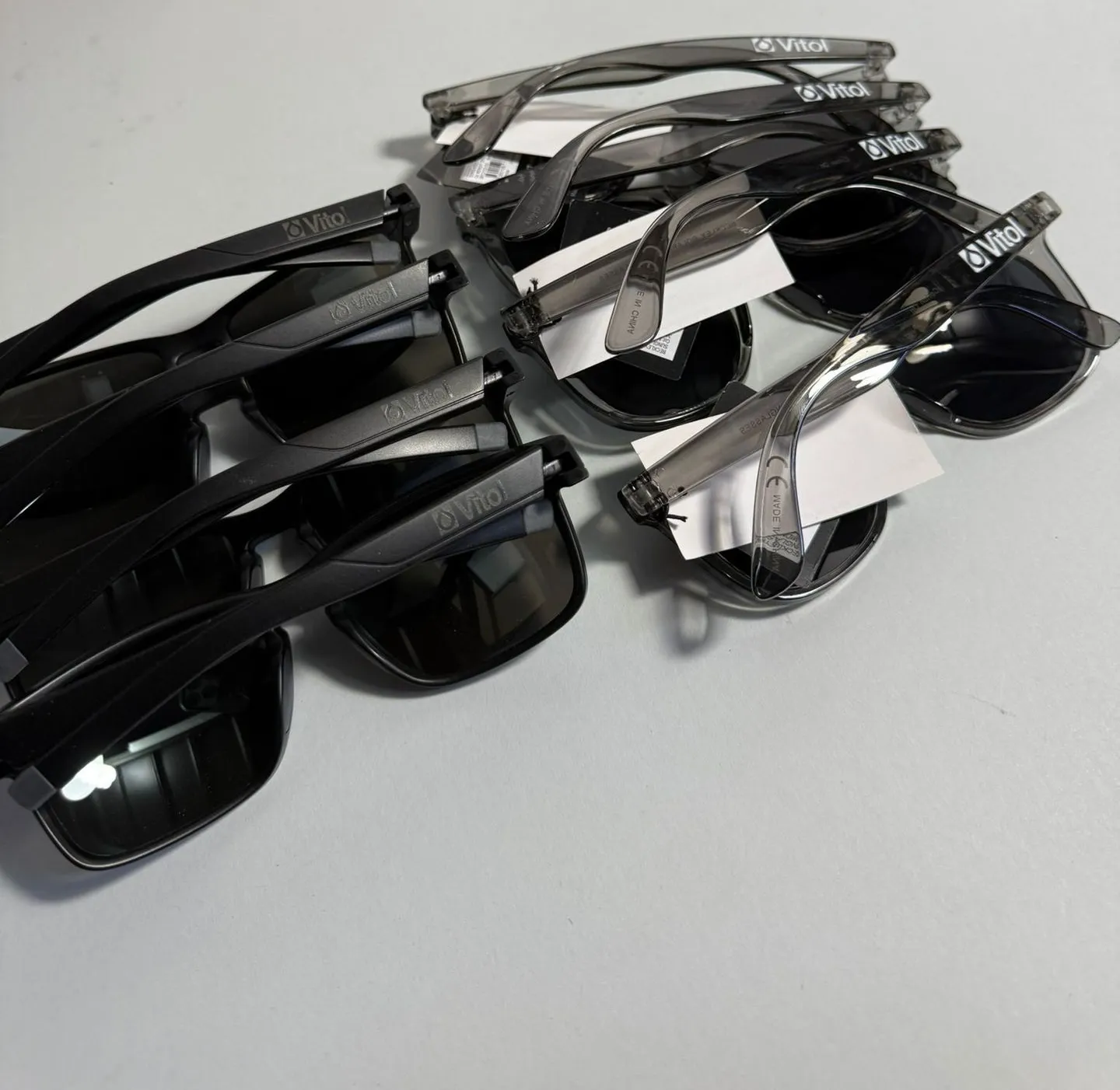
The right way to put a logo on a product depends on three things: what the product is made of, whether the logo needs colour, and how much handling it will take. Laser engraving and marking last longest, UV and silk screen printing carry your brand colours, and a 3D printed logo is part of the object itself.
There is no minimum order. Every method below starts from one piece, so you can try one before you order a batch. Still choosing how to make the product itself? See which making technology your project needs.
Every logo method at a glance
| Method | What it gives you | Best on |
|---|---|---|
| Laser engraving | A permanent mark you can feel, in one tone set by the material | Drinkware, metal, wood, acrylic and leather |
| Laser marking | A dark, flush mark on metal, with no depth | Logos, part numbers and serial numbers on stainless steel and aluminium parts |
| UV printing | Full colour, photos and gradients, with white ink | Flat or gently curved acrylic and 3D printed parts |
| Silk screen printing | Solid, crisp spot colours that wear well | The same design repeated across a run |
| Embossed or debossed 3D print | A raised or sunken logo printed as part of the object | Anything we 3D print for you |
| Laser cut lettering | A logo cut out of acrylic or wood as its own piece | Signs, wall logos and plaques |
| Paint or electroplating | Your exact brand colour, or real chrome, gold or copper | 3D printed logos, signs and trophies |
| Sand blasting or debossing | A frosted or pressed design | Quoted job by job, so ask us first |
One tone means the laser shows the logo in whatever colour the material turns, such as frosted white on clear acrylic or bright steel through a coated tumbler.
Laser engraving: a logo that lasts
Laser engraving cuts the logo a little way into the surface, so you can feel its edge and it cannot peel, fade or wash off. Choose it for anything handled every day: tumblers, bottles, keychains, tools, plaques and leather goods. The colour comes from the material, not from ink: wood darkens, clear acrylic turns frosted white, and on a coated tumbler the bare steel shows through.
See everything we engrave on our laser engraving and cutting page. Buying one personal gift? Our engraving shop engraves a bottle, keychain or luggage tag, and you see it before you pay.
Laser marking: a clean mark on metal parts
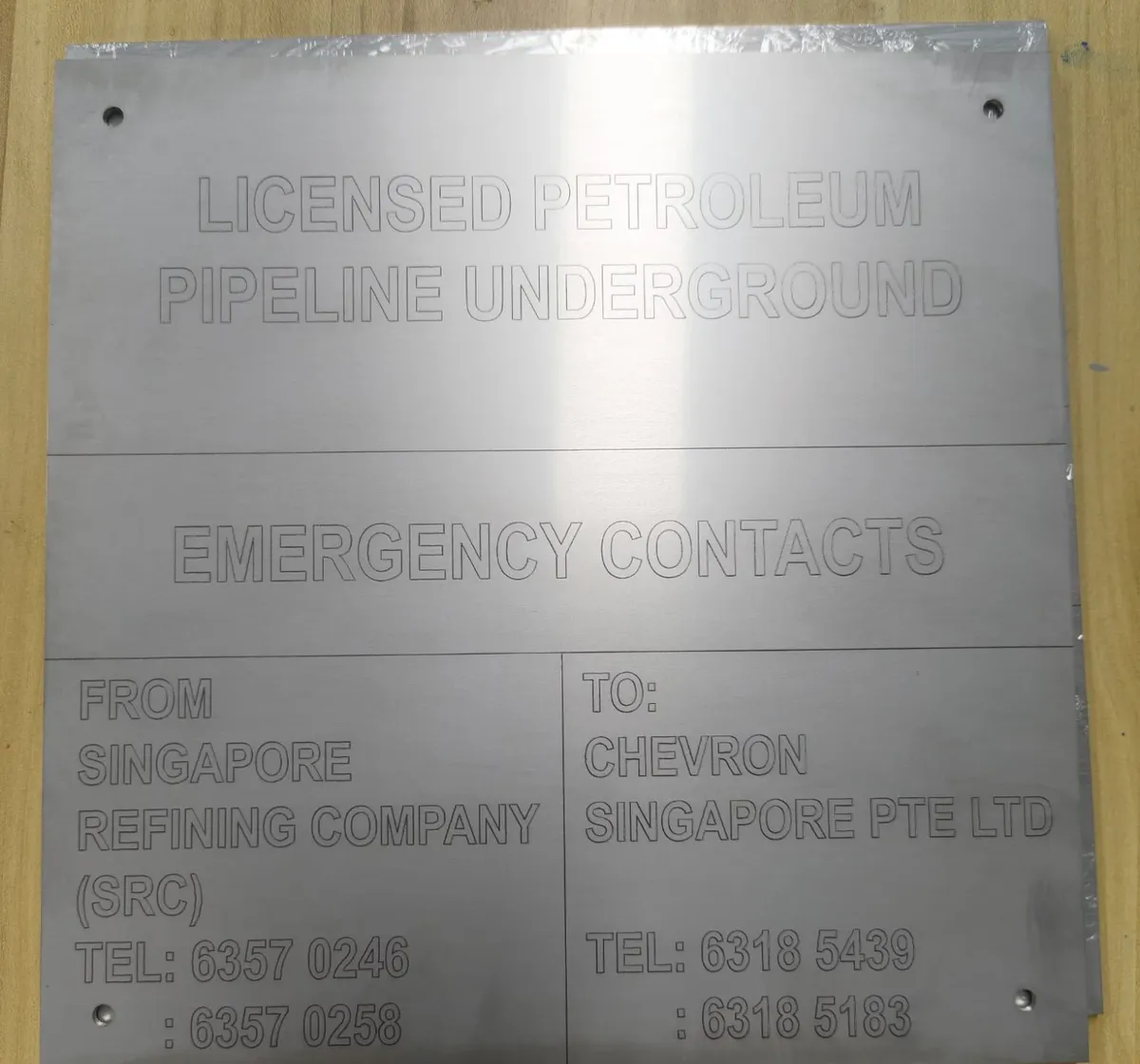
Laser marking heats stainless steel or aluminium just enough to change its colour, without cutting into it. The mark is dark, crisp and flush with the surface, so there is no groove for dirt and no lost sealing face. Choose it for logos, part numbers and serial numbers on working parts, where each part can get its own number from your list.
The full comparison is in laser engraving vs laser marking.
UV printing: full colour and photos
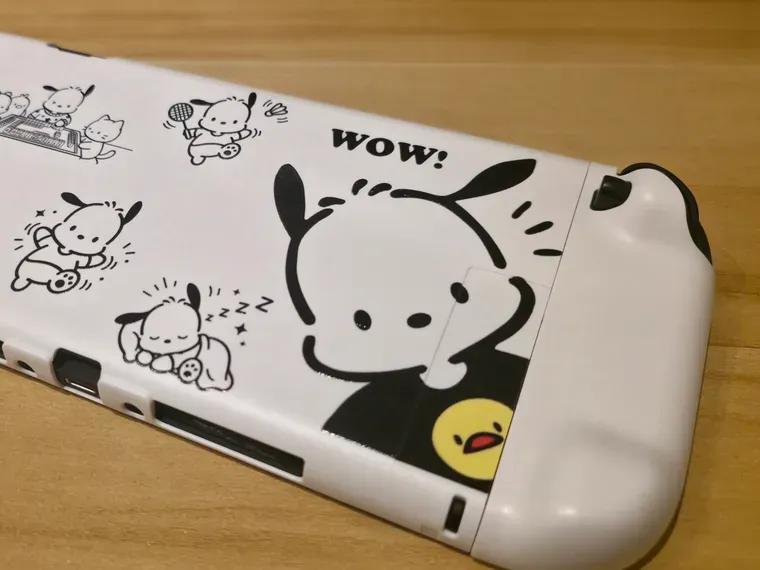
UV printing lays full-colour ink, plus white, straight onto the item and hardens it under ultraviolet light in seconds. It is the method for a logo in its real colours, a photo or a gradient. It needs a flat or gently curved face, and it prints on acrylic and 3D printed parts. Ink sits on the surface, so a piece rubbed every day is better engraved.
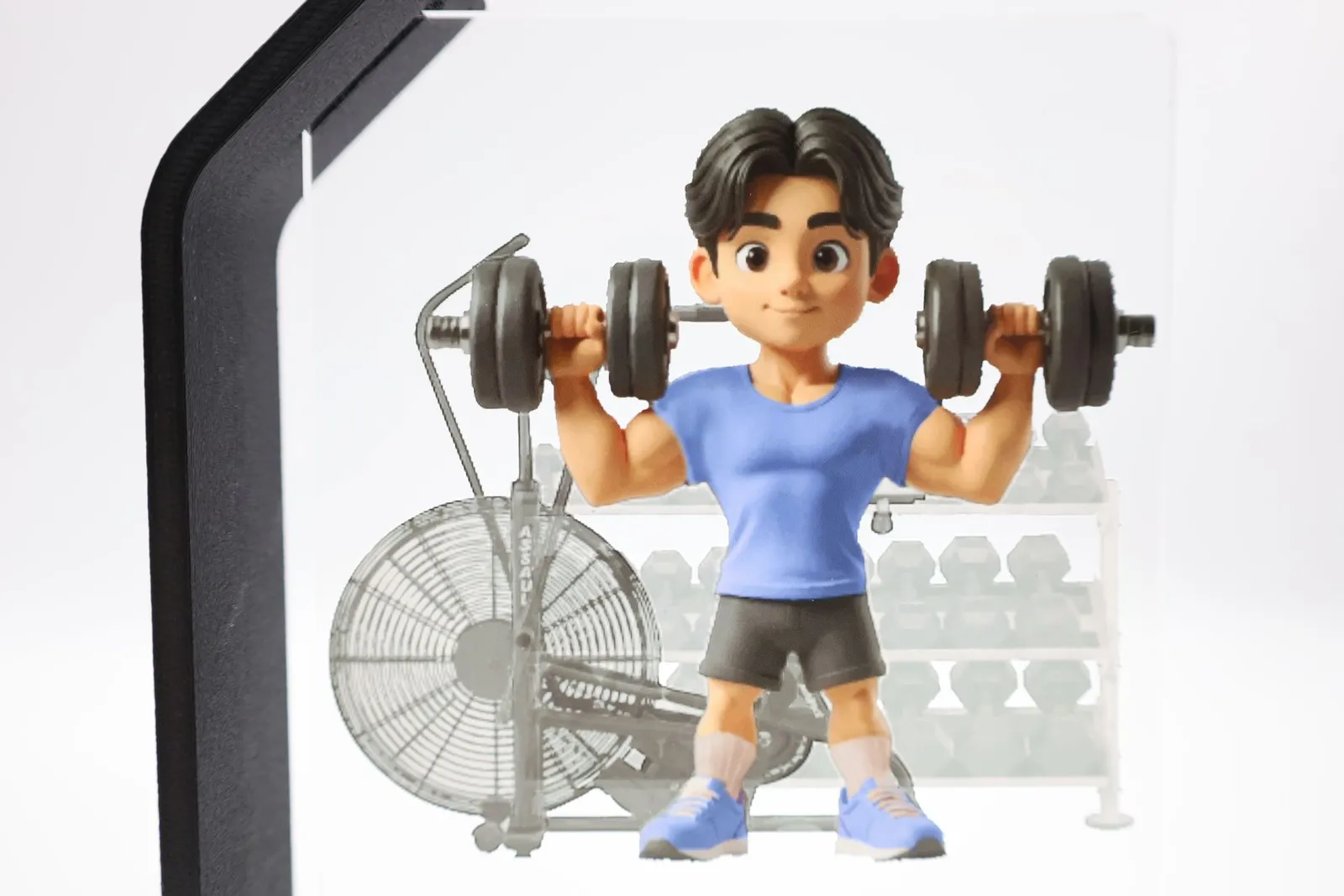
More on our UV printing service, or read what UV printing is for the details.
Silk screen: crisp colours for repeat runs
Silk screen printing pushes ink through a fine mesh screen, one screen for each colour. It gives solid, crisp spot colours that wear well, and it suits a logo in one to a few colours that stays the same across a run. It is a standard service of ours, and it starts from one piece, though the cost per piece drops as the run grows. Full colour photos and gradients belong to UV printing instead.
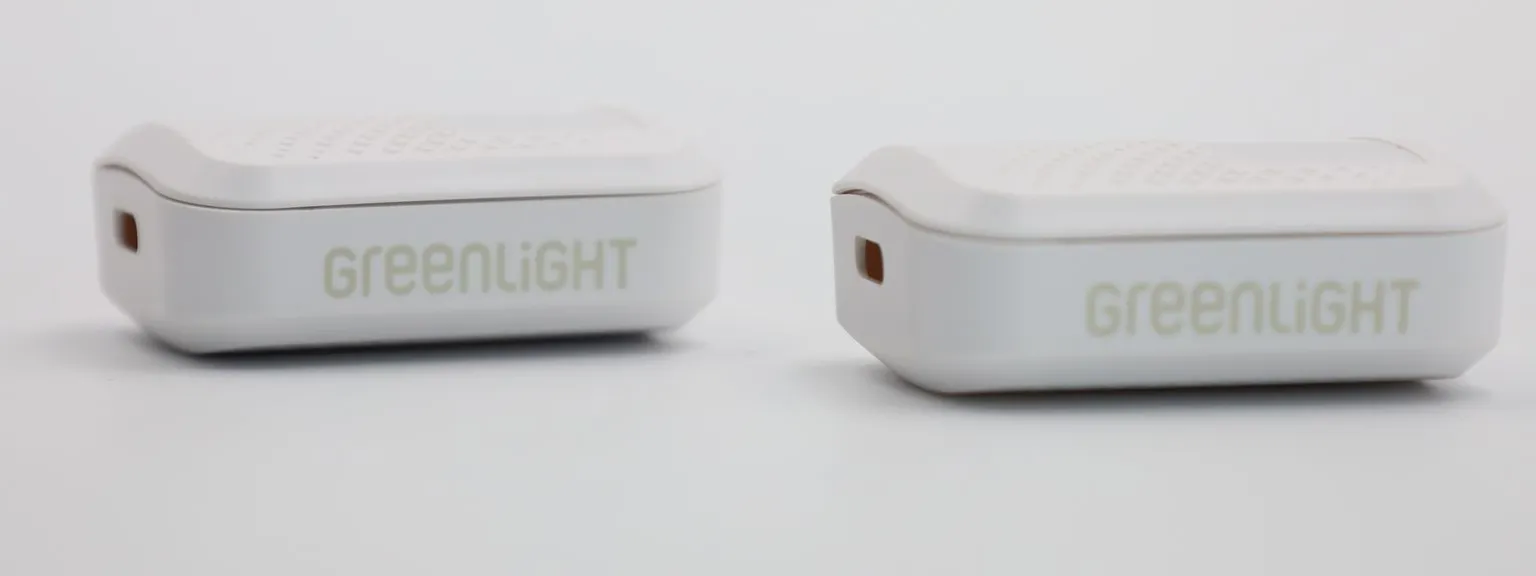
A 3D printed logo: part of the object
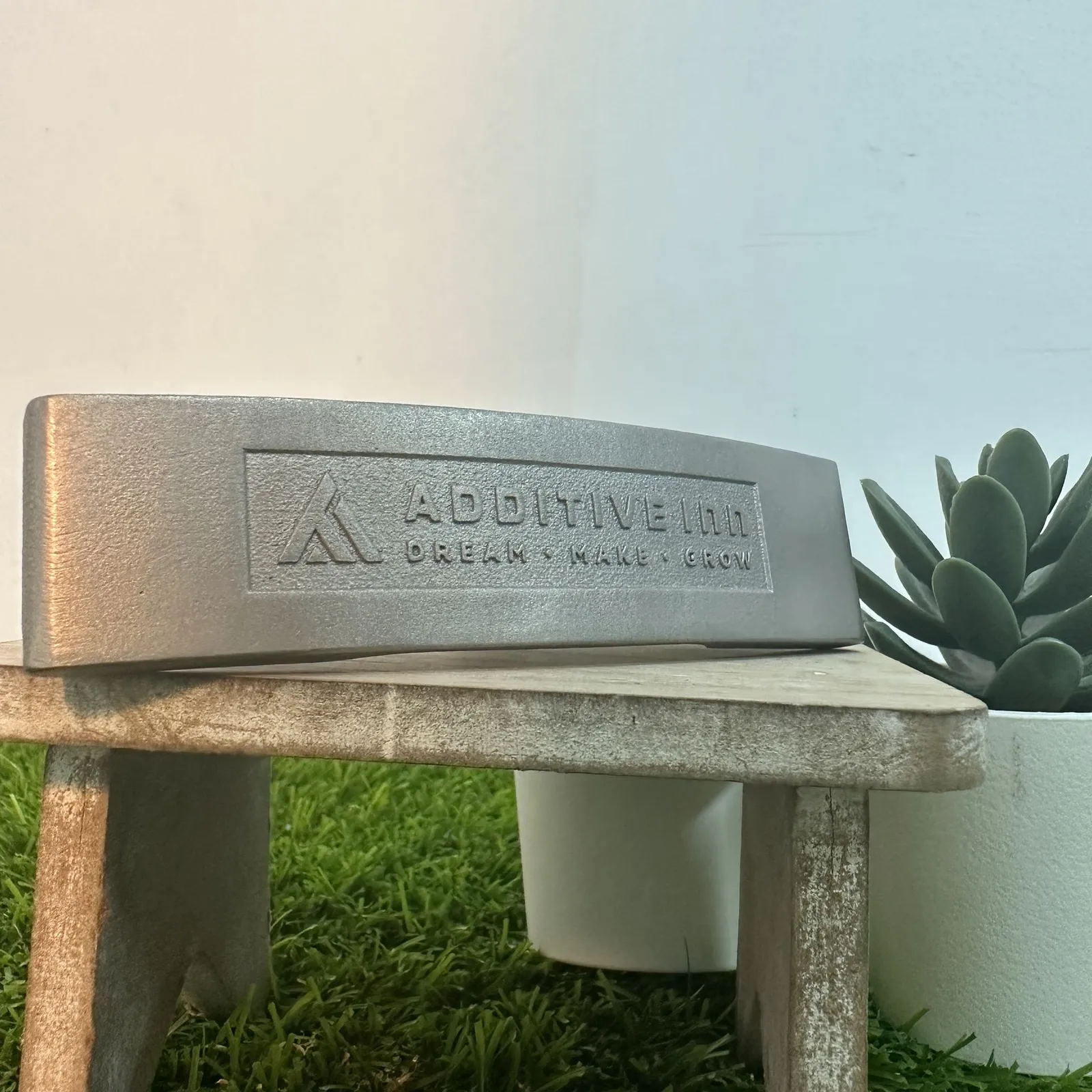
A logo can be modelled straight into a 3D printed part, raised (embossed) or sunken (debossed), and it prints with the rest of the piece. Nothing is added, so nothing can come off. It shows in the part’s own colour, or in a second colour on a multi-colour print. Very fine text may need to be made a little bigger to print cleanly.

Our guide to logos on your 3D prints has the smallest text sizes for each process.
Laser cut lettering: the logo as the sign
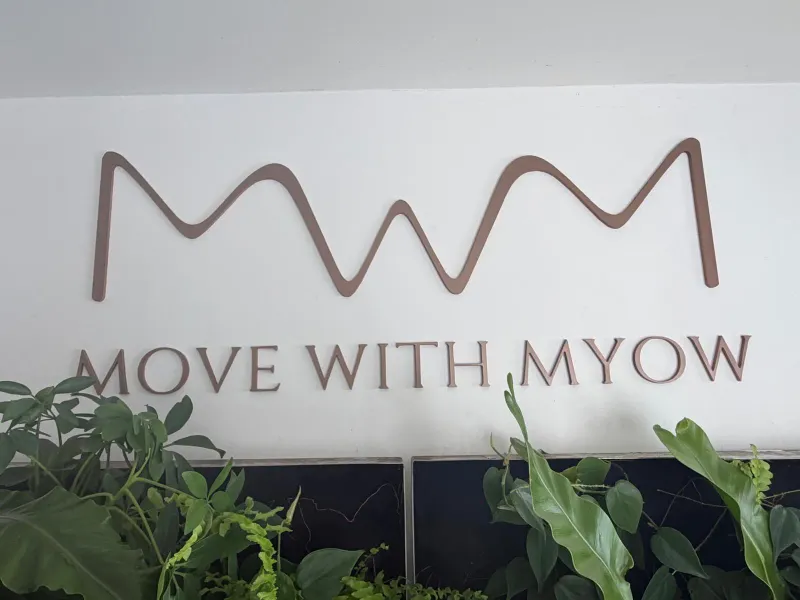
For a sign or a wall logo, the logo itself can be laser cut out of acrylic or wood, then fixed to a wall, a panel or a plaque. Cut acrylic has clean, polished edges, and it can be painted in your brand colour after a primer.
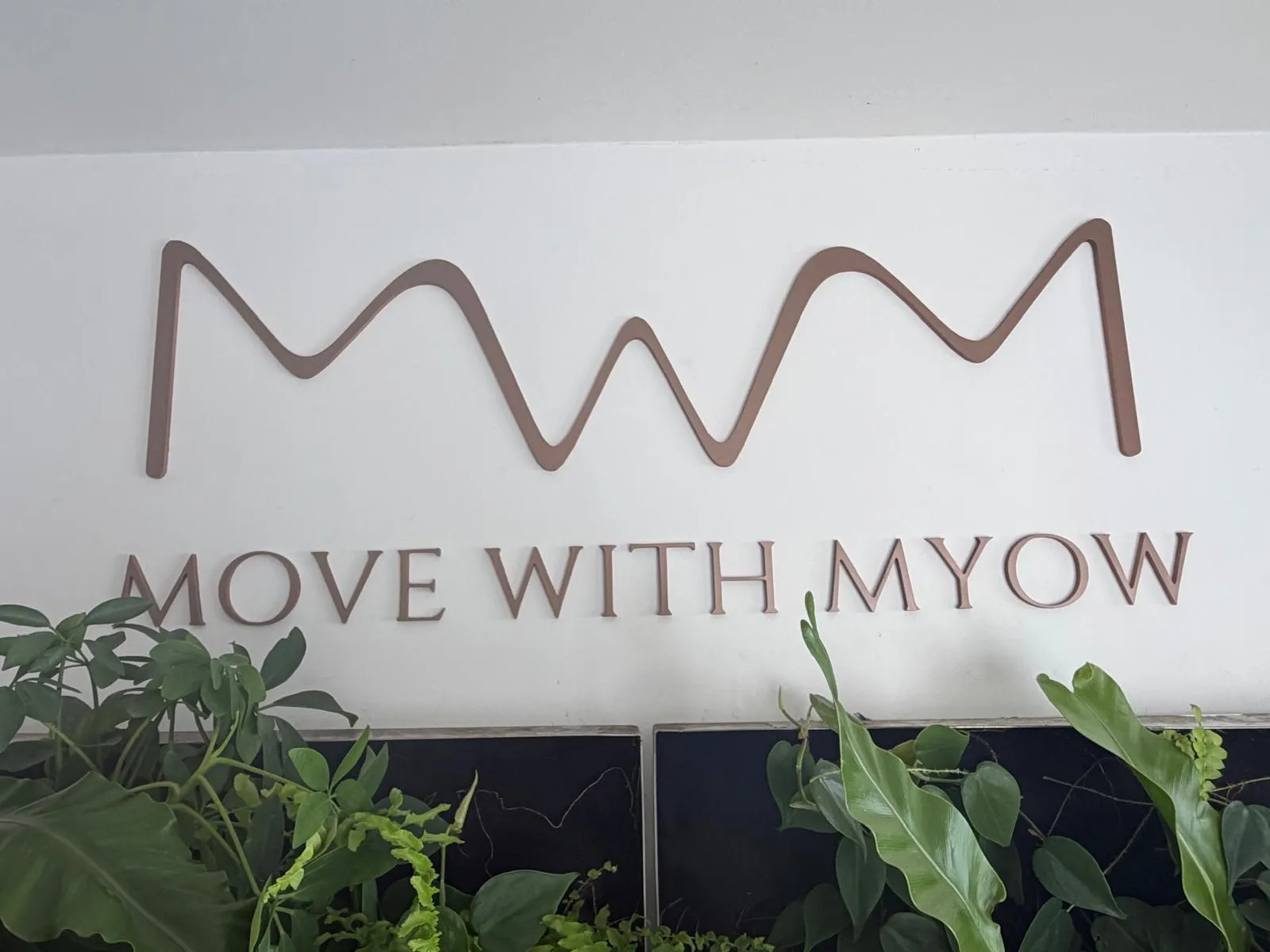
See laser cutting, or design your own on our acrylic sign page.
Paint and plating: brand colour or real metal
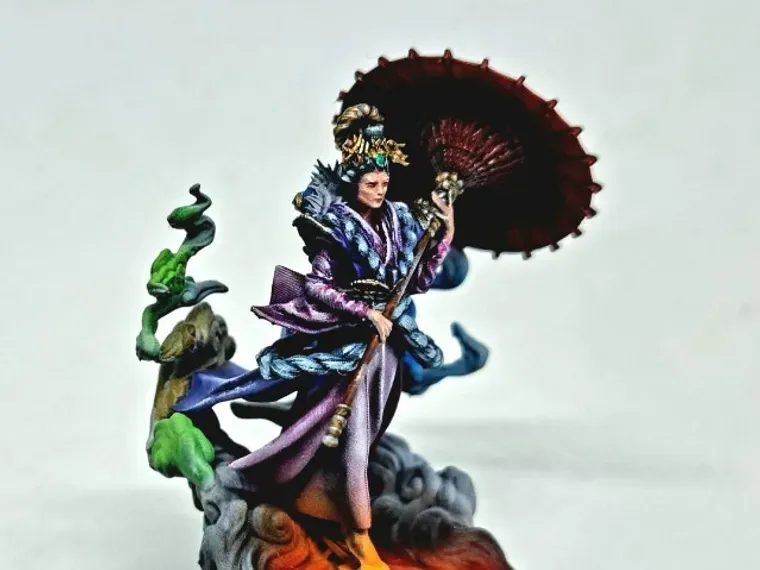
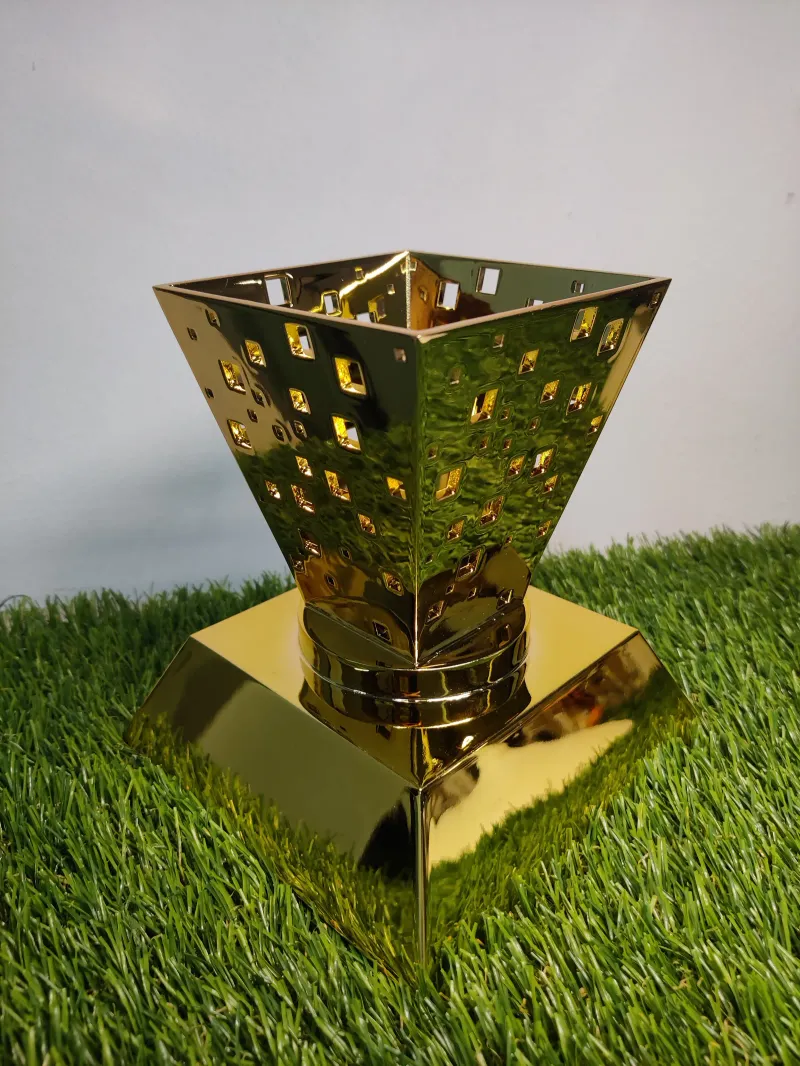
Spray paint gives a 3D printed logo, sign or part your exact brand colour, matched to a Pantone code, always over a primer so it grips and stays smooth. Electroplating coats a printed part in real chrome, gold or copper, for a logo or trophy that should look and feel like metal. Plating softens very fine detail, so it suits bold shapes better than small text.
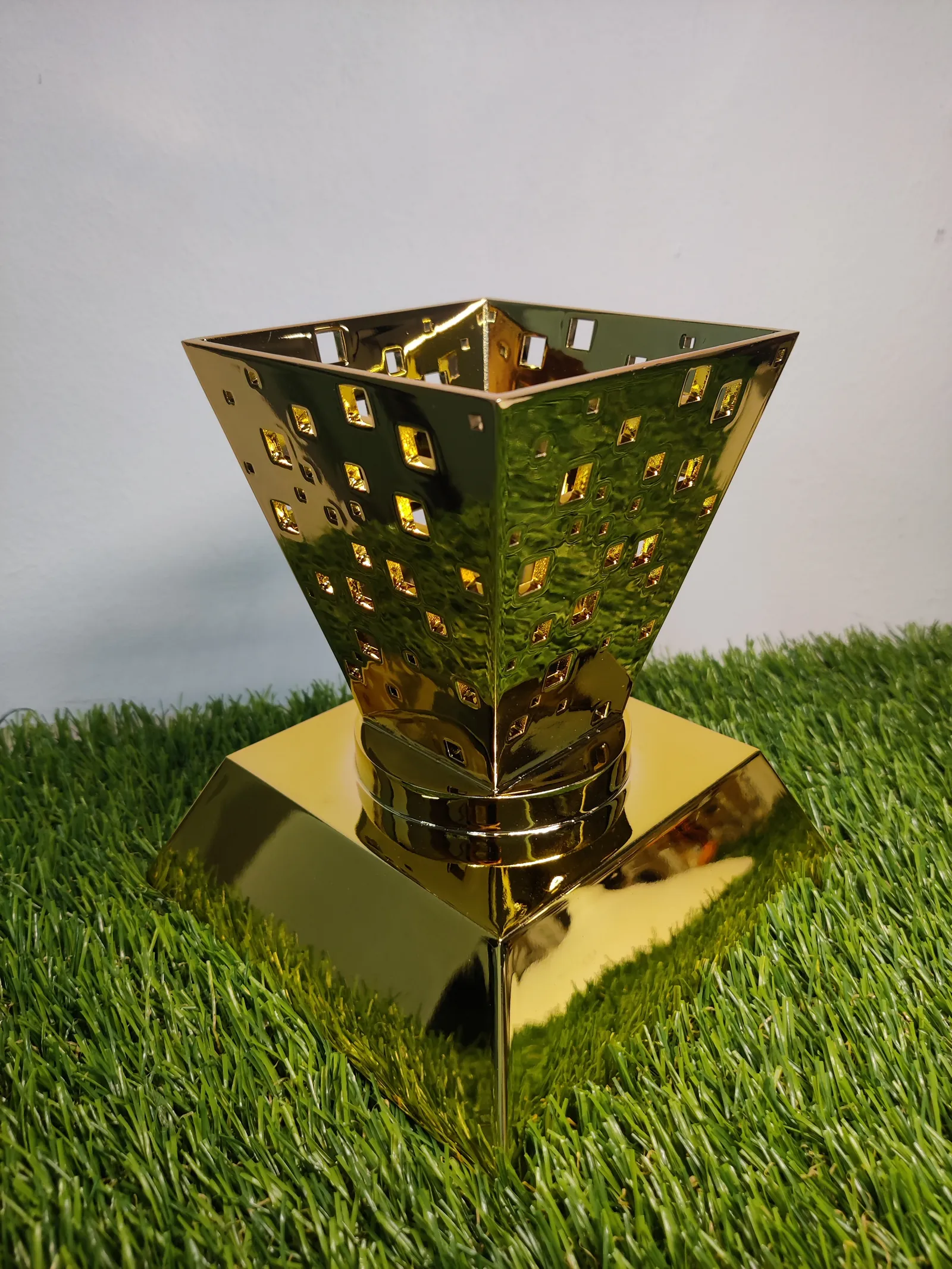
Both are on our colour and finishing page. Read more on finishing options and electroplating 3D prints.
Sand blasting and debossing: ask us first
We also sand blast and deboss logos. Sand blasting gives a frosted, matte design, and debossing presses the design into the surface. Both depend heavily on the item, so they are quoted job by job: send us a photo of the item and the logo before you plan around them.
We do almost anything else too. Ask us, and if we can’t, we’ll tell you.
Logos on corporate gifts
For staff and client gifts, the method follows the gift: engraving for tumblers, bottles and keychains, UV printing for a full-colour logo on acrylic, and a 3D printed piece when the gift itself is in your brand’s shape. We make customised corporate gifts from one piece to a full batch.
Cost: what moves the price
The method, the logo’s size, the number of colours and the quantity move the price most. A logo modelled into a part you are already printing adds very little, and plating is the most involved finish. Starting prices are on our pricing page, and the instant quote prices a 3D printed part straight away.
Frequently asked
What is the most durable way to put a logo on a product?
Laser engraving, laser marking and a logo built into a 3D print are the most durable, because none of them adds anything that can peel or rub off. Engraving cuts the logo into the surface, marking changes the colour of the metal itself, and an embossed or debossed logo is part of the printed shape. Printed ink and paint last well too, but daily rubbing wears them sooner.
Is there a minimum order?
There is no minimum order: every method in this guide starts from one piece. You can engrave one tumbler, UV print one plaque or silk screen one item. Bigger batches cost less per piece, because the setup is shared across them.
What is the difference between engraving and printing a logo?
Engraving cuts the logo into the surface, and printing lays ink on top of it. An engraved logo is one tone, set by the material, and you can feel it with a fingertip. A printed logo can be in full colour or your exact brand colours, but it sits on the surface, so it suits pieces that are not rubbed every day.
Can you do silk screen printing in Singapore?
Yes, we do silk screen printing in Singapore as a standard service, from one piece. It prints solid, crisp spot colours, one screen for each colour, and suits a logo that stays the same across a repeat run. Send us the logo, the item and the quantity, and we confirm it.
Which method gives my logo its exact brand colours?
UV printing, silk screen printing and spray paint can all match your brand colours. UV printing suits full colour, photos and gradients; silk screen suits one to a few solid colours; spray paint suits a whole part or a large area in one colour. A laser mark is one tone only, so it cannot carry brand colours.
Can you put a logo on a metal part with a serial number?
Yes, laser marking puts a logo, part number or serial number on stainless steel and aluminium parts. It changes the colour of the surface without cutting into it, so the face stays smooth and flat. For a run, each part can get its own number from your list.
What file should I send for my logo?
Send the logo as a vector file, such as AI, SVG, EPS or PDF with fonts converted to outlines. A PNG or JPG at 300 DPI works for UV printing a photo or a gradient. If all you have is a low-resolution image, send it anyway and our design team can redraw it.
Which method costs the least?
It depends on the item and the quantity, so send us both and we compare the methods for you. A logo modelled into a part you are already 3D printing adds very little, and silk screen gets cheaper per piece as the run grows. Starting prices are on our pricing page, and the instant quote prices a 3D printed part straight away.
Related
-
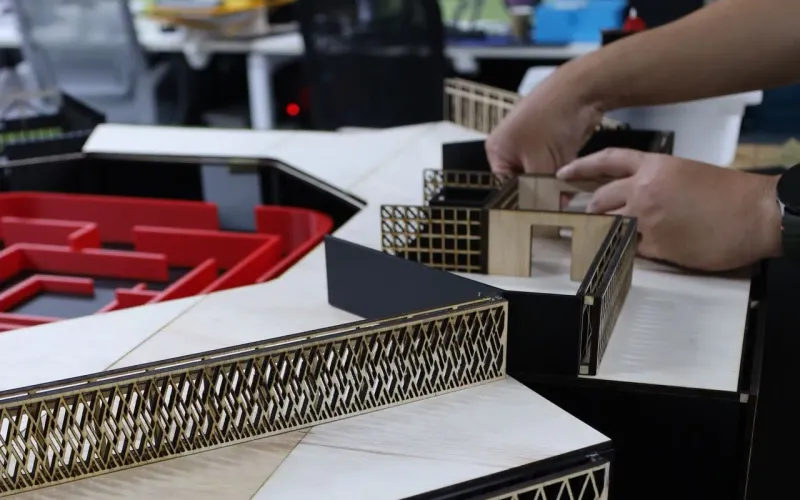 GuideWhich making technology does your project need?
-
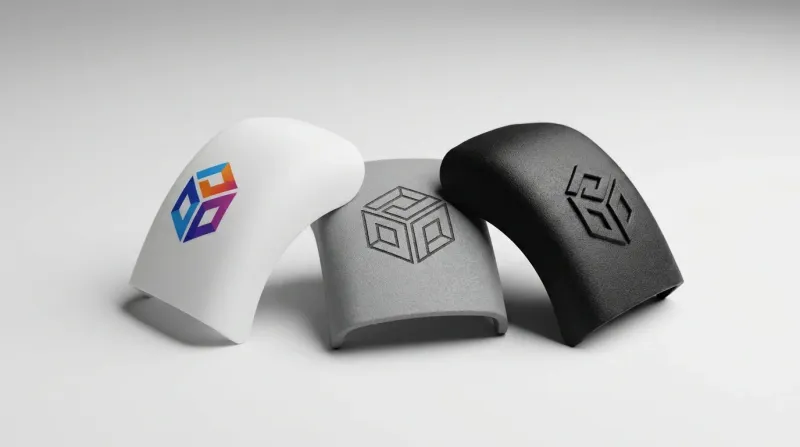 GuideHow do you get a logo onto a 3D print?
-
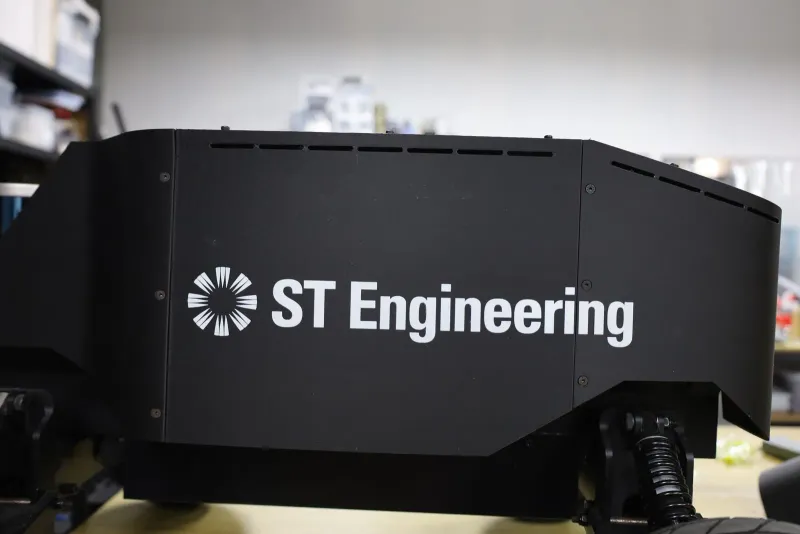 GuideWhat is UV printing, and what can it print on?
-
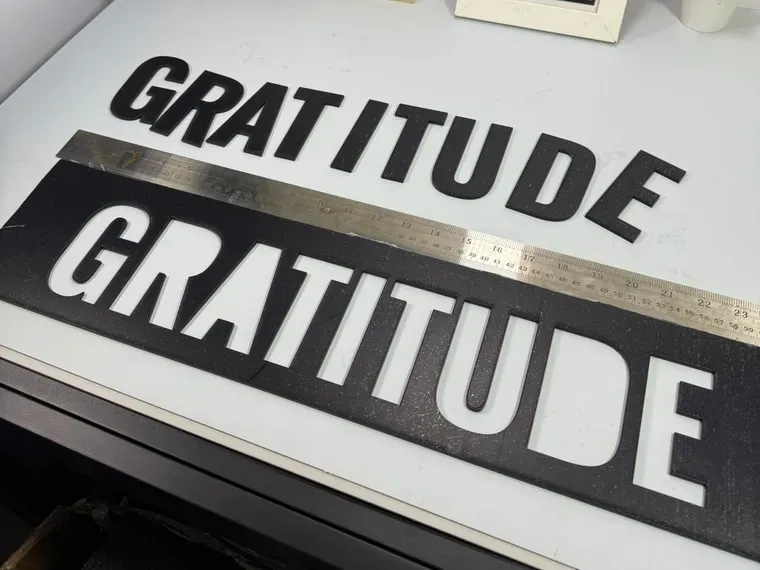 ServiceLaser Engraving & Cutting
-
 ServiceUV Printing
-
 ServiceColour Application & Finishing
-
 ProjectRose gold acrylic logo sign
-
 ProjectElectroplated gold trophy for Crest Secondary School