

Electroplating colours and finishes
Updated
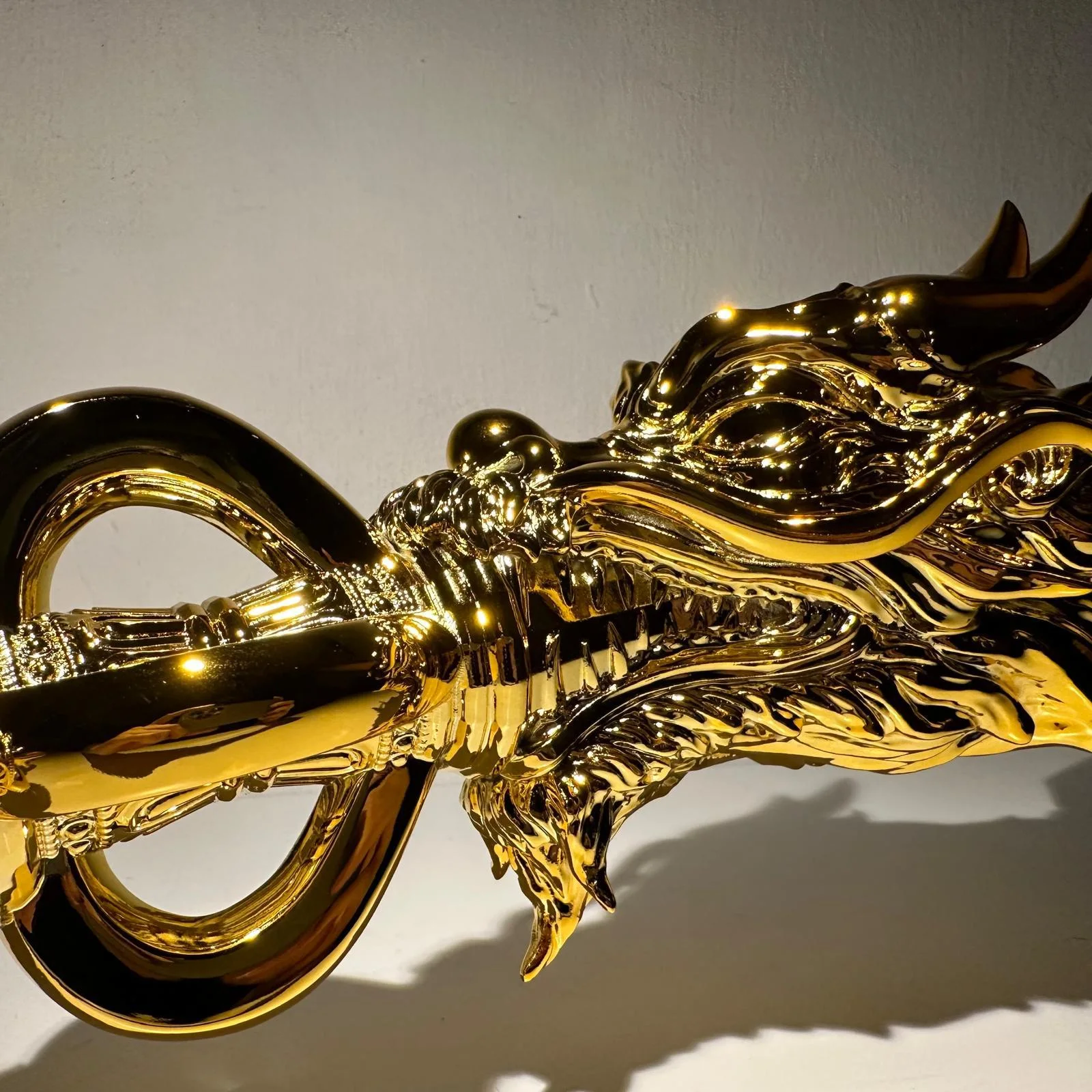
Electroplating puts a skin of real metal over a 3D print: the plastic holds the shape, and the metal gives it the weight, shine and feel of something cast. Resin prints made by stereolithography (SLA) take it especially well, because they come off the printer smooth enough to plate with very little prep. We use it most for trophies, corporate awards, signage letters and product mockups. Not sure you need real metal? Metal finishes for 3D prints compares plating with metallic paint.
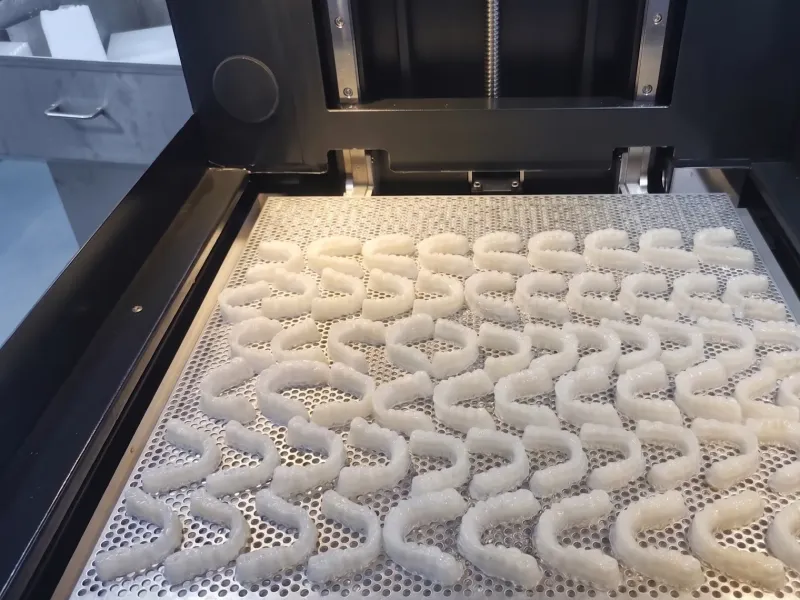
Why SLA prints plate so well
SLA and resin parts have a dense, smooth surface straight off the machine, so they need far less sanding before plating than a layered filament print made by fused deposition modeling (FDM). FDM parts plate fine too, they just want their layer lines knocked back first.
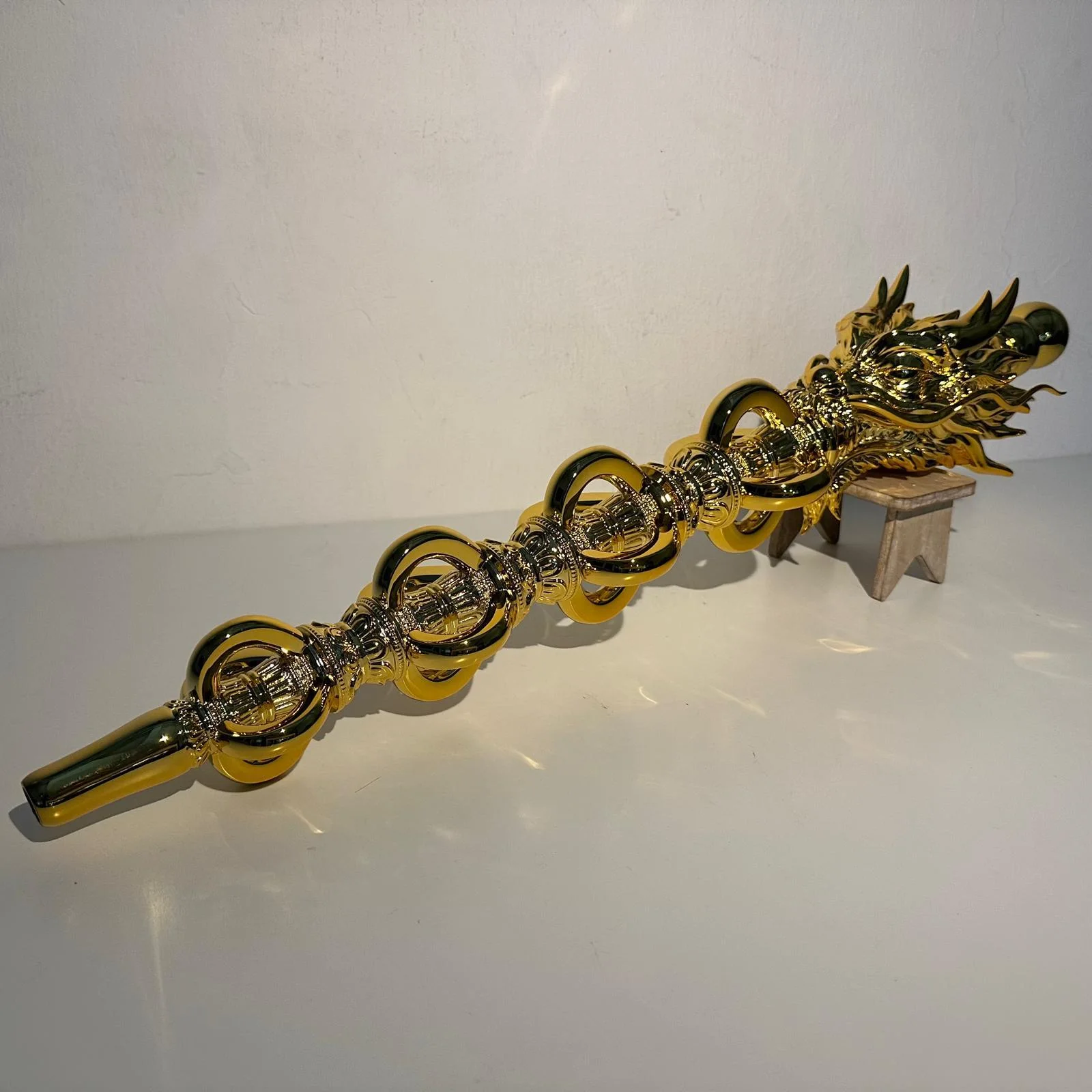

How a print is plated
- Prep. The part is sanded smooth. A resin print needs a light sand; a filament print has its layer lines filled and sanded first, because the plate shows every flaw beneath it.
- Conductive primer. Plastic doesn’t conduct electricity, so the part is sealed and sprayed with a conductive primer for the metal to build on.
- Plating bath. In the bath, metal builds up over the primer, usually a base layer first and then the finish metal on top, until the skin is 50 to 200 microns thick.
- Finish. The plate is polished to a mirror, left satin or brushed, or tinted for colour.
Metal finishes
The core finishes are solid metals, plated over the primed print:
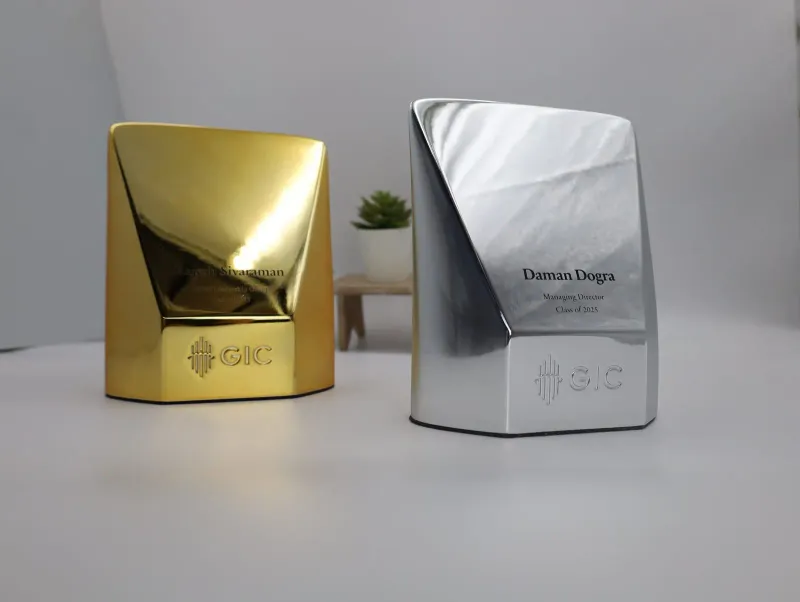
- Chrome: mirror-bright silver, the default for modern awards and automotive-look parts.
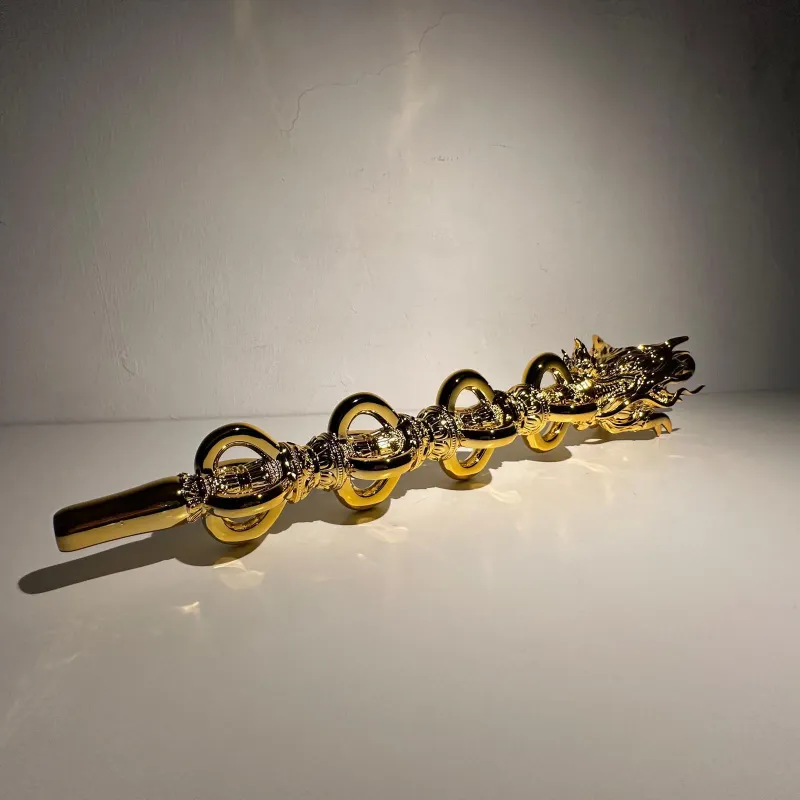
- Gold: warm yellow, from bright to satin, standard for premium trophies and presentation pieces.
- Copper: warm orange-red that darkens naturally over time if it is left without a clear lacquer.
- Brass: muted yellow-gold, good for heritage and nautical themes.
- Nickel: a cooler pewter-grey, a quieter alternative to chrome.
- Antique bronze and gun metal: dark, patinated finishes for a heavier, older look.
We also run two-tone pieces, for example gold over copper, to warm up the highlights on a sculpted award.
Coloured finishes
Electroplating is not limited to bare metal. By tinting the top coat over a plated base, we can produce reds, yellows, greens, blues, magenta and purple. A coloured electroplate keeps the metallic depth underneath, so a blue or red part still reads as coloured metal with a shine rather than flat paint.


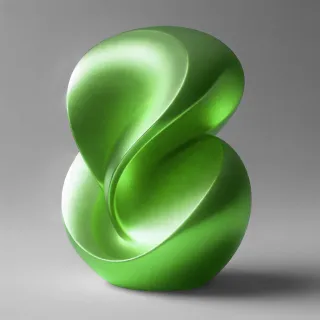




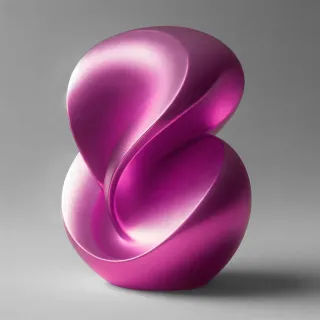
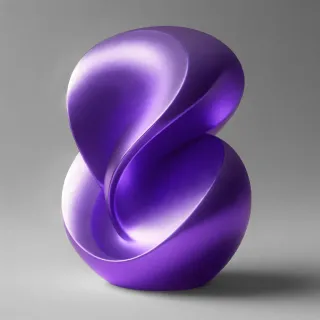
Colour renders, not photos of plated parts.
If you need an exact brand colour over a metal base, send the Pantone code (the numbered colour standard brands use) and we match it.
How durable is it?
The plated layer is 50 to 200 microns thick and bonds to the conductive primer beneath it. It handles normal display, regular handling and light abrasion, and holds up outdoors for years. It is still metal over plastic, so it will mark under heavy abuse, but for trophies, signage and mockups it is production-grade.
What to know before you plate
- Fits get tighter. The plate adds 0.05 to 0.2 mm to every surface, so holes, threads and parts that slot together get tighter. Tell us which surfaces have to fit, so we can plan for them.
- Fine detail softens. Engraved or textured detail shallower than the plate fills in slightly, so very small text and fine texture lose some crispness.
- Flaws show through. A mirror finish magnifies every scratch and layer line under it, which is why the prep matters more than the plating.
- The core is still plastic. A plated part looks and feels like metal but isn’t as strong as metal. For a part that takes load, heat or wear, print it in metal instead.
How long it takes
An electroplated part typically takes 12 to 18 working days from when you confirm the order, with the print included. A batch of 15 or more takes at least 18 working days, and often longer, so ask us for a date. The part’s size, how complex the finish is and whether a colour has to be matched move it, so tell us your deadline when you send the file.
How it is priced
Plating is priced by the part’s surface area and the prep it needs, whichever metal you choose, and our pricing page has the starting price. The instant quote prices the print; we confirm the plating for your part, usually within a business day.
What it suits
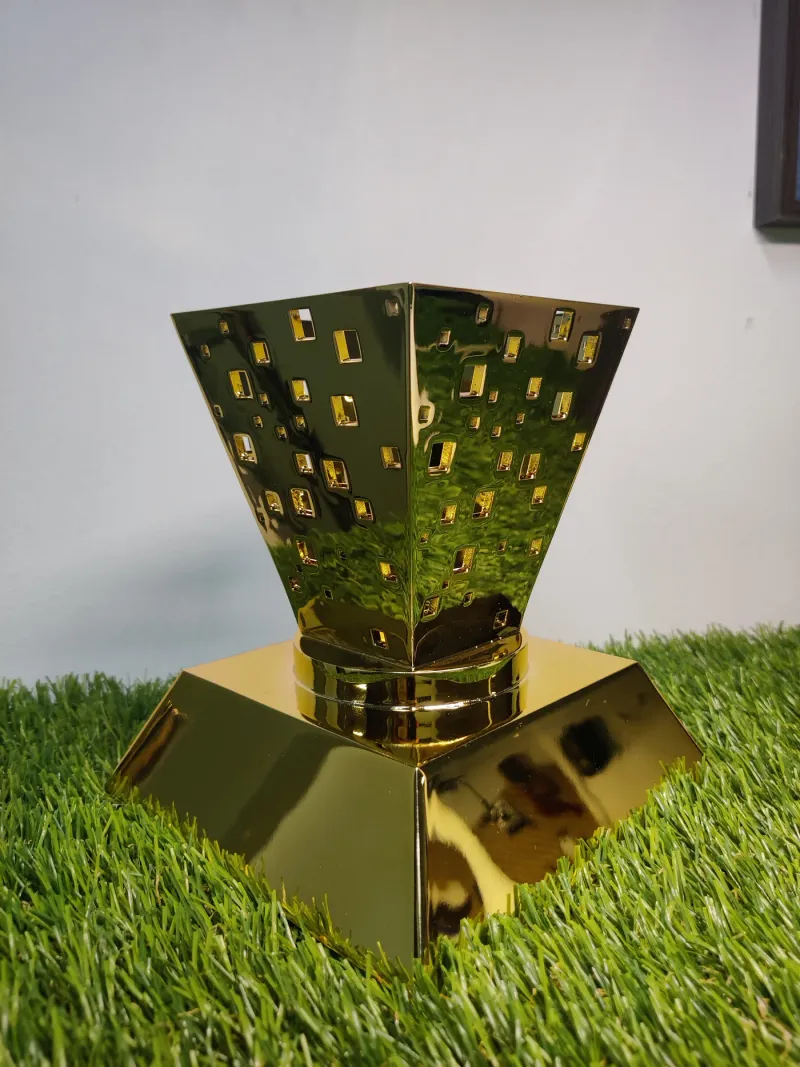
Electroplating is the finish behind much of our trophy and award work, from sculptural pieces like the Temple Vajra to premium awards. It is the fastest way to make a printed part read as solid cast metal, at a fraction of the cost and lead time of real metal casting.
Planning an award, a sign or a metal-look prototype? See the colour and finishing service, upload your file or tell us what you want plated.
Frequently asked
Can you electroplate 3D printed parts?
Yes. Resin prints made by stereolithography (SLA) and filament prints made by fused deposition modeling (FDM), such as PLA, both electroplate well after surface prep. The part is sanded smooth, sprayed with conductive primer, then electroplated with copper, nickel or gold. The result feels like solid metal and conducts. Common finishes are chrome (mirror), gold, brushed brass, copper and antique bronze.
What colours can electroplating produce?
Standard electroplate finishes are chrome (mirror silver), bright nickel (pewter-grey), copper (warm orange-red), gold (yellow), antique bronze (dark patina), gun metal (matte dark grey) and brass. We can also do two-tone, for example gold plate over copper for a warm-toned trophy, and tinted colours such as red, blue or green over a metal base.
How much does it cost to electroplate a 3D print in Singapore?
Plating is priced by the part's surface area and the prep it needs, whichever metal you choose, and our pricing page lists the starting price. Upload your file for the print price and we confirm the plating for your part, usually within a business day. There is no minimum order.
Is electroplated 3D printed plastic durable?
Yes. The metal coating is 50 to 200 microns thick and bonds to the conductive primer. It survives normal handling, light abrasion and outdoor display for years. It will scratch under heavy abuse, since the underlying plastic is softer than solid metal. For trophies, signage and product mockups, electroplated prints are production-grade.
How long does electroplating take?
An electroplated part typically takes 12 to 18 working days from when you confirm the order, with the print included, and a batch of 15 or more at least 18, often longer, so ask us for a date. The part's size, how complex the finish is and whether a colour has to be matched move it, so tell us your deadline when you send the file.
Related
-
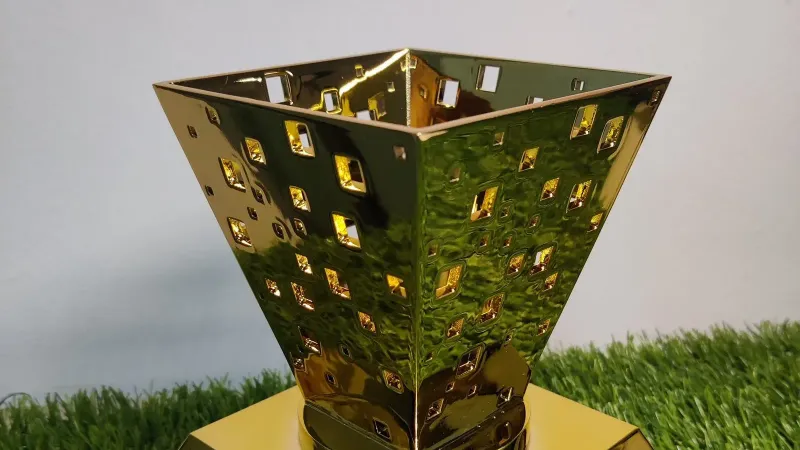 GuideHow do you get a real metal finish on a 3D print?
 -
 Guide3D Print Finishing Options: Which Coat Should You Choose?
 -
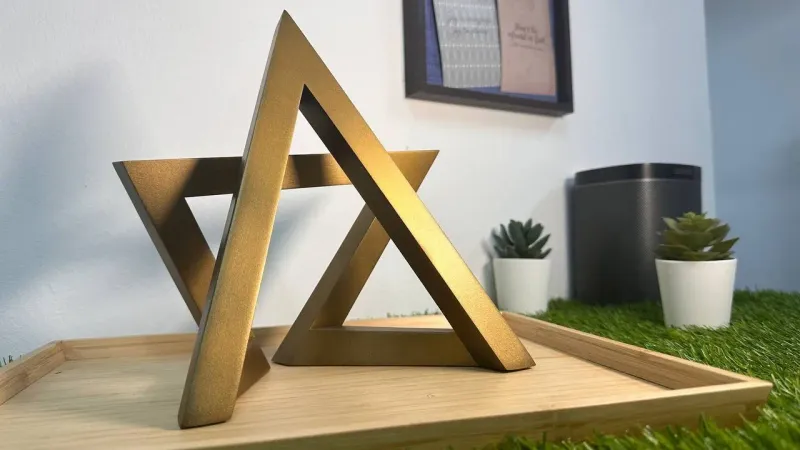 GuideHow do you paint and finish each kind of 3D print?
 -
 ServiceColour Application & Finishing
 -
 ServiceCustom Trophies & Awards
 -
 ServiceSLA 3D Printing
 -
 ProjectGIC trophy
 -
 Project3D printed revolver mic stand
 -
 ProjectTemple vajra, redesigned