

What is aluminium composite panel, and is it right for a sign?
Aluminium composite panel, also sold as ACP and Dibond: what it is, the core types, Singapore's fire rule for cladding, and how it compares with acrylic.
Which sheet should your sign be made from?
One or two questions, and you get the sheet from this guide to ask about.
Aluminium composite panel (ACP) is a flat sandwich: two thin aluminium skins bonded to a plastic or mineral core. It is light, rigid and takes print, which is why sign makers use it for boards that live outdoors. Dibond is one brand of it, and the core decides the fire question.
ACP, acrylic or PVC foam for a sign
| The job | Start with | What to know |
|---|---|---|
| An indoor sign with a glossy cut edge, letters or a logo | Acrylic | We laser cut it from 3–25 mm. This is what we make |
| A big, light printed board | PVC foam board | Light and printable. We do not offer it, so ask a sign printer |
| A flat sign board outdoors | Aluminium composite or ASA, a weather-resistant plastic | Our signage pages recommend both outdoors. Ask us what we can make |
| Cladding on a building wall | Not a sign job | Singapore’s Fire Code has rules for composite panels used as cladding |
What ACP is
An ACP panel is three layers. A retailer lists the two outer skins as aluminium 0.3 mm thick, with a polyethylene core between them. The maker of the Dibond brand says its sheet has a polyethylene or mineral core, and calls it lightweight, extremely rigid and strong.
Other names for the same kind of panel include ACM, for aluminium composite material, and Alupanel. The idea is old: a reference page credits 3A Composites with inventing aluminium composites in 1964.
A retailer says aluminium composite sheets were developed for the advertising and signage industry. A supplier calls it the ideal material for the signage and display industry, and a reference page says it is widely used there in place of heavier, dearer substrates.
Dibond is a brand
Dibond is the name 3A Composites gives its own aluminium composite sheet, and it lists it among its brands. A panel from another maker is not Dibond, even when it looks the same. When a quote says “Dibond”, it names one brand, and “ACP” or “aluminium composite” names the type.
Core types and the fire question
The core is the part to ask about.
- Polyethylene core. The standard core is polyethylene or polyurethane, and a reference says these do not have good fire-resistant properties unless specially treated. Several jurisdictions have banned their use completely.
- Mixed or mineral core. Some panels mix polyethylene with mineral material for fire retardance, and the Dibond maker lists a mineral core.
Singapore’s Fire Code speaks to composite panels directly. This is clause 3.15.13 of the 2023 edition, from the Singapore Civil Defence Force (SCDF), word for word:
3.15.13 Composite panel. Composite panels used for the construction of internal non-load-bearing walls, as cladding to external/ internal walls or as roof covering shall comply with all of the following criteria:
a. The outer layers shall be constructed of non-combustible material.
b. The core material (with aggregate thickness exceeding 1mm) of composite panel used for building interior shall meet the classification stipulated in Table 3.13B.
c. The composite panel used for external wall cladding shall be mounted against 1-hr fire-rated wall and shall comply with any of the following: (1) Its core material shall meet at least: (a) BS 476 Part 4, or (b) BS 476 Part 11, or (c) Class 0 flame-spread rating when tested in accordance with BS 476 Part 6 & 7, or (d) Class B classified under EN 13501-1. (2) The panel assembly shall comply with NFPA 285.
d. Composite panel containing plastic shall also comply with Cl.3.15.19.
SCDF has also said what it found after a fatal fire at an industrial building in 2017. Its statement of 24 August 2017 says its investigations found that “the composite panels used as cladding on the building’s external walls were not of Class “0” standard as required under the Fire Code.” It adds: “SCDF’s Fire Code requires composite panels used as cladding to be either non-combustible or certified as Class “0”.” Of buildings whose cladding tested as non-Class “0”, it says the owners “must work with their Qualified Persons (QPs) to remove the affected cladding within two months, starting from the ground level.”
The clause names walls and roof covering, and the word “sign” does not appear in it. We have not found an SCDF page that says whether a sign board counts, so we do not say either way. We are a sign maker, not a fire engineer, and this is not legal advice. For a panel on a building, ask the building owner and a Qualified Person (QP), the people SCDF names.
Where ACP works for signs
A supplier says composite sheets suit use both indoors and outdoors, and that the flat, smooth surface readily takes digital and screen printing and vinyl lamination. One range carries an outdoor warranty of up to 5 years, and the supplier notes the warranty depends on the range.
It is worked like a board, not like acrylic. A retailer says it saws, mills, paints, glues and drills without trouble. Our own laser engraves metal but does not cut it, so ACP does not go on it.
- Its limit is the core. See the fire section above before you order for a building.
- Its other limit is our laser. We cut acrylic’s glossy edge on the laser, and ACP is worked by saw or mill instead.
ACP against acrylic and PVC foam
Our signage pages say acrylic is happiest indoors. For a sign that lives outside, they recommend ASA or aluminium composite, finished with UV-cured topcoats. So the answer depends on where the sign goes.
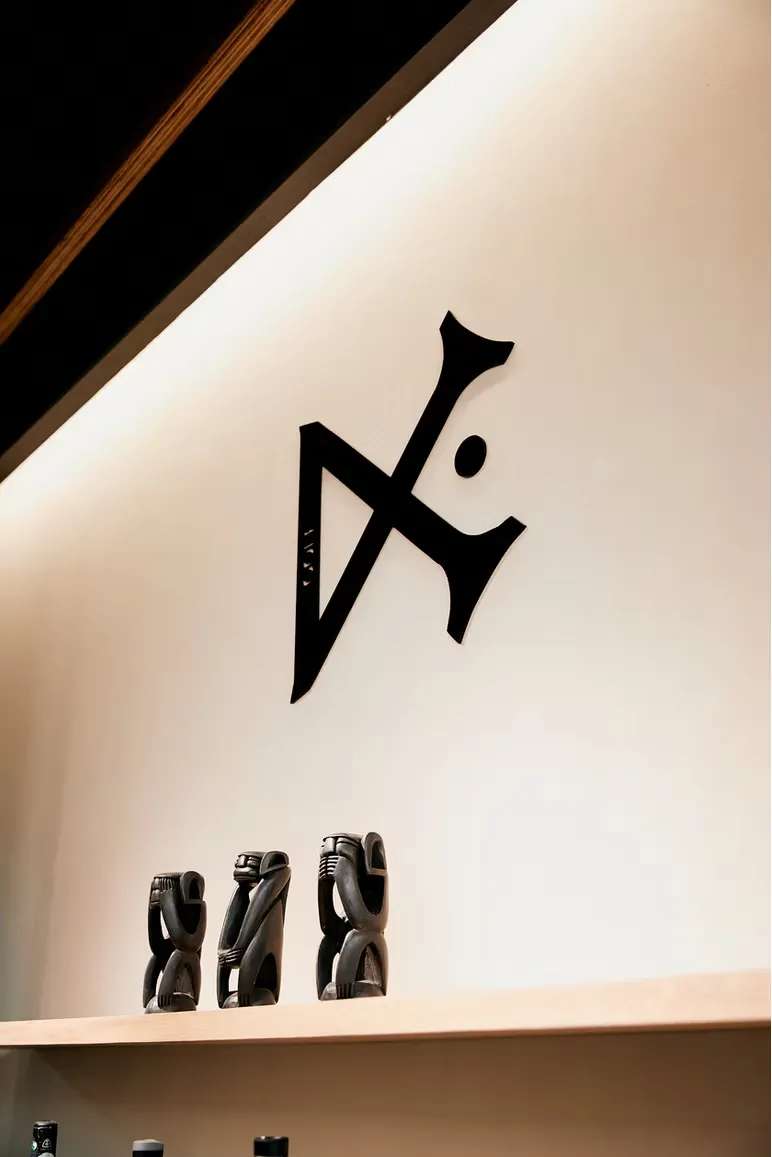
Acrylic gives a glossy cut edge, mirror gold and silver, letters with depth and a small sharp print. PVC foam board gives a big, light printed board, and we do not offer it: PVC foam board and when a sign should be acrylic compares the two. For acrylic itself, see our acrylic signage buyer’s guide. Other plastic sheets, from polycarbonate to POM, are in our plastic sheet types guide.
Questions to ask a supplier
- What is the core? Polyethylene, a mix, or mineral. Ask for it in writing.
- What is the warranty, and for which range? Panels from one supplier carry different warranties by range.
- Where does it go? A sign and a wall cladding are not the same question.
Where these facts come from
Every outside fact was read on the source’s own page on 19 November 2026. Product ranges and fire rules change, so check the maker and SCDF before you order. The fire clause and the 2017 statement are quoted as SCDF’s pages print them.
- 3A Composites, Dibond: what the brand is made of and used for.
- Plastic Sheets Shop, aluminium composite panels and Dibond sheets: layers, names, working and thicknesses.
- Perspex Distribution, aluminium composite: indoor and outdoor use, printing, warranty.
- Wikipedia, sandwich panel: ACP definition, cores, fire behaviour, signage use and history.
- SCDF, Fire Code 2023, clause 3.15 Materials for construction and SCDF, Takes Immediate Actions to Ensure Fire Safety of Buildings (24 August 2017): the composite panel rule and the 2017 findings.
What we cut, print and make comes from our own signage page, laser cutting materials guide and sign studio. Our signage page recommends ASA or aluminium composite outdoors but does not say whether we supply aluminium composite, so this guide says to ask.
Frequently asked
Is Dibond the same as ACP?
Dibond is a brand of aluminium composite sheet, made by 3A Composites. ACP is the general name. A supplier lists Alupanel as another name for the same kind of panel.
What is the core of an ACP panel made of?
Polyethylene, or a mix of polyethylene and mineral material. The maker of the Dibond brand lists a polyethylene or mineral core. Ask the supplier which core your panel has.
Is aluminium composite panel fireproof?
Not by default. A plain polyethylene core does not have good fire-resistant properties unless it is specially treated, and a reference says several jurisdictions have banned it completely. Fire-retardant and mineral cores exist.
Does Singapore's Fire Code apply to a sign made of ACP?
Clause 3.15.13 covers composite panels "used for the construction of internal non-load-bearing walls, as cladding to external/ internal walls or as roof covering". It does not mention signs, and we cannot say whether it reaches yours. Ask the building owner and a Qualified Person (QP).
Can aluminium composite panel go outdoors?
Suppliers sell it for use indoors and outdoors, and one gives its range a warranty of up to 5 years, depending on the range. Our signage pages recommend ASA or aluminium composite for a sign that lives outside.
Can you laser cut aluminium composite?
Not on our own laser, which engraves metal but does not cut it. Suppliers describe sawing, milling and drilling for ACP instead. For a cut ACP part, ask us.
How thick is aluminium composite panel?
Each aluminium skin is 0.3 mm in the panels we checked. One retailer sells Dibond in 3 mm and 4 mm overall, and its own-brand panels in more thicknesses.
Can aluminium composite be printed?
Yes. Suppliers say the flat, smooth surface takes digital and screen printing, and vinyl lamination. Our online UV print studio prints on acrylic, not on this panel.
Should a sign be acrylic or aluminium composite?
Acrylic for a glossy cut edge, letters or a logo indoors. Aluminium composite for a flat board that lives outdoors. Tell us where the sign goes and we say which.
Do you make aluminium composite signs?
Our signage pages recommend aluminium composite for outdoor signs and ask for the location. This guide does not list what we stock, so ask us what we can make for your sign.
Related
-
 GuideWhich plastic sheet do you need, and how is each one cut?
-
 GuideWhat is PVC foam board, and when should a sign be acrylic instead?
-
 GuideBuying an acrylic sign: the decisions to make before you order
-
 ServiceCustom Signage
-
 ServiceLaser Engraving & Cutting
-
 ServiceUV Printing
- ProjectRose gold acrylic logo sign for Move with Myow
-
 ProjectLogo signs for small businesses
-
 ProjectCore values signage with matching stencils