

Which neodymium magnet do you need, and how do you build it into a part?
Neodymium magnet grades N35 to N52, coatings, heat limits, pull force and safety, plus how a magnet goes into a 3D print and what we have built.
Which magnet setup fits your job?
Pick what the magnet does, and you get the setup from this guide that fits.
A neodymium magnet is the strong little magnet sold as discs, blocks and rings. For most builds, size and the thickness of plastic over the magnet matter as much as the grade. Check the heat it will meet and who might swallow it, then give each magnet a pocket and say which way it faces.
Magnet choices by job
| What the magnet does | What to choose | Watch out for |
|---|---|---|
| Holds a lid or box shut | Small discs in pairs, each in a pocket, with a thin wall of plastic over the face | Thick plastic over the magnet weakens the hold |
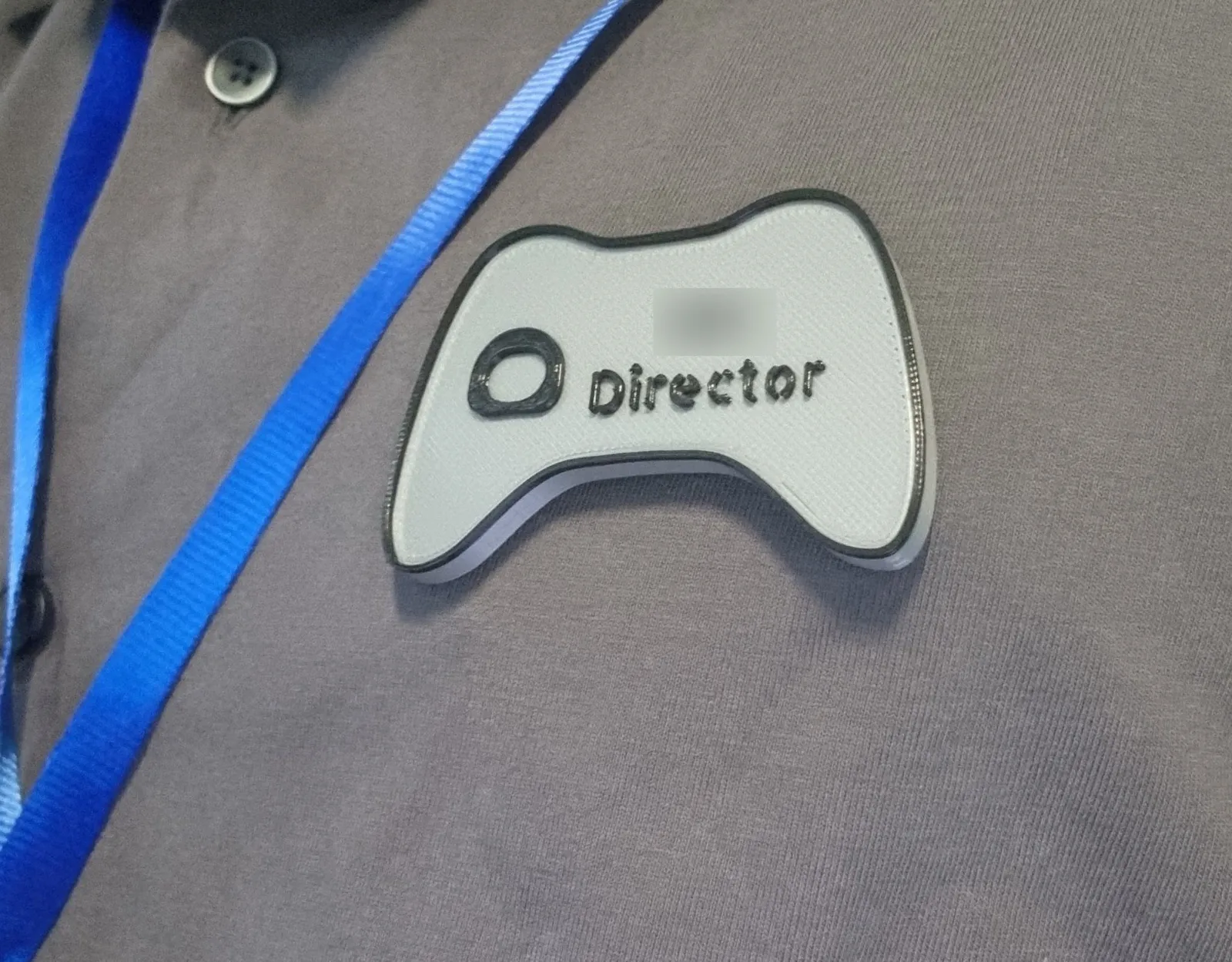
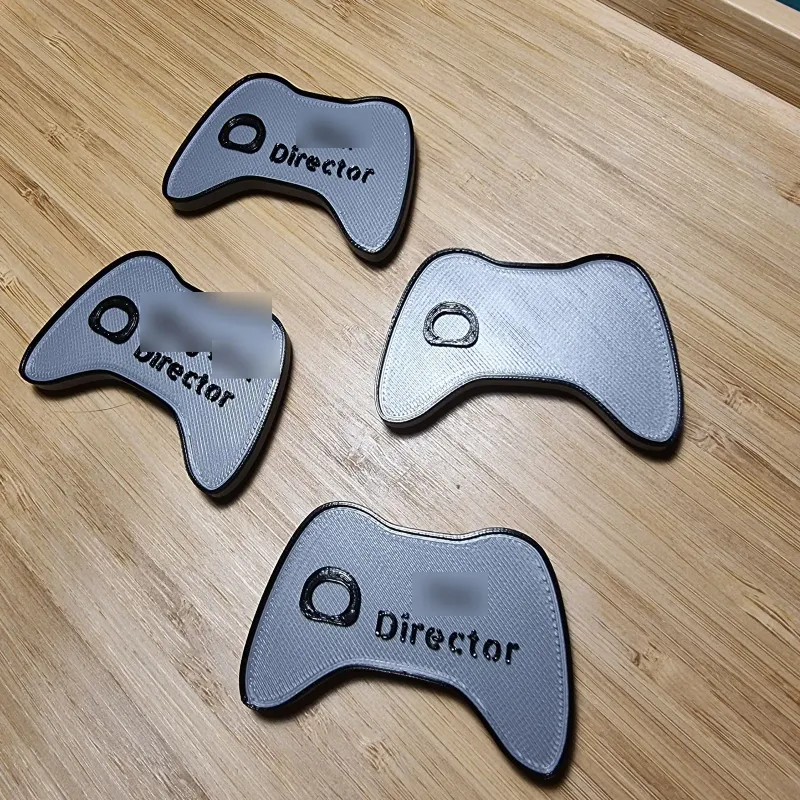
| Holds a badge on clothing | One disc sealed in the badge, no pin | Not for anyone with a pacemaker: use a pin or clip |
| Joins two parts that must find each other | A thicker part with room for a larger magnet | A slim part only takes a small, weak magnet |
| Sits somewhere hot | A heat-rated series, not a plain N grade | Plain N grades are rated to 80 °C at most, N52 to 60 °C in two makers’ tables: check the data sheet |
| Sits somewhere damp | A nickel or epoxy coated magnet | A chip in the coat lets moisture reach the magnet |
| Goes into a toy for young children | Do not use it | Swallowed magnets can cause serious injury |
Magnet grades, N35 to N52
The number after the N is the magnet’s energy product, which makers list in MGOe. One maker says the usual range runs from 33 to 52 MGOe. A higher number means a stronger magnet, and N52 costs more than the lower grades.
Strength has a cost in heat. In the tables from two magnet makers, N35 to N48 are rated to 80 °C and N52 to 60 °C. For N50 the two tables disagree: one says 60 °C and the other 80 °C. One of the first maker’s own pages lists N52 at 80 °C too, so read the data sheet of the magnet you buy. Letters after the number raise the limit: in both tables the M series is rated to 100 °C, H to 120 °C and SH to 150 °C. One maker says heat above the rating can demagnetise a magnet for good.
Coatings: nickel and the rest
Bare neodymium oxidises quickly, so makers coat it. Nickel, in a nickel-copper-nickel stack, is by far the most common and shiny. Epoxy is also used, in humid places. One maker lists two limits: epoxy is not shock-resistant and crumbles quickly, and gold plating rubs off, so it suits decoration only.
Some people are allergic to nickel and should avoid long contact with a magnet. For a badge, a magnet sealed inside the plastic keeps it off the skin.
Pull force and the plastic in the way
A pull figure is a best case. One maker’s pull force calculator assumes direct contact with a flat, sufficiently thick piece of steel, and says its results are only “first order”, because the real world adds many variables.
One of those variables is the plastic that covers a sealed magnet. Another maker says magnetic force drops exponentially with distance, and that even a 0.1 mm gap can cut the pull by over 20%. So the skin over a magnet in a print should be thin, and a thicker magnet suits a vertical hold.
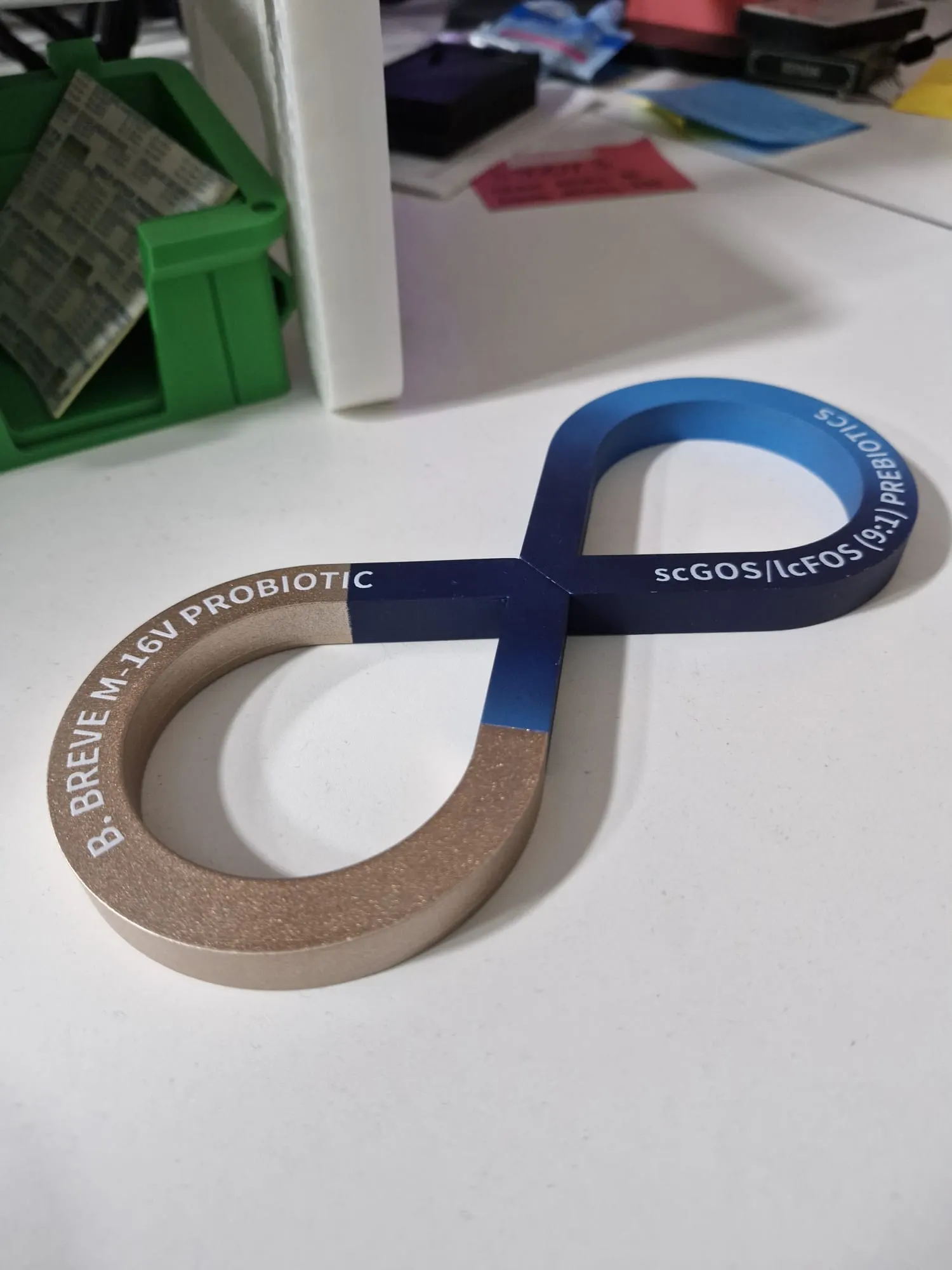
Our infinity-loop game, built for The Smart Local, shows the other side of the trade: a bigger magnet needs a thicker part. The client’s slim loop could only take a very small, weak magnet, so we made the loop thicker and 20 cm across, with room for a bigger magnet inside. The two halves lock together when the right pair meet.
Safety: children, pacemakers and chips
Swallowing. Swallowed magnets can cause serious injury. In 2019 Enterprise Singapore reported that all ten magnetic toys it surveyed, building block sets and magnetic balls, were unsafe for children. It says a key concern is that the tiny magnets can attract each other through the intestines if several are swallowed, and potentially cause perforation, scarring or infection. It cites two children who needed surgery, after swallowing 13 magnets and 21 magnets.
NHS South Yorkshire’s Healthier Together page says a single small magnet will pass through the body without a problem, but that if more than one magnet is swallowed, or a magnet is swallowed with something metal, part of the intestine can be caught between them. That can mean perforation and major surgery. It says to take a child you think has swallowed magnets to an emergency department, and not to assume only one was swallowed. A UK study led by Addenbrooke’s hospital, of children admitted to hospital after swallowing small ball magnets, found that 68% had no symptoms, but 51% needed surgery to remove them. The hospital’s advice is to seek urgent medical attention even if the child is well.
Pacemakers. A magnet’s field can affect a pacemaker or another implanted device. Our name tag guide gives the distance one pacemaker maker advises. Offer anyone with a device a pin or a clip.
Breaking. A magnet maker’s safety page says neodymium is brittle and can chip or shatter if magnets slam together, and advises eye protection. It also warns that the dust from drilling or grinding one is flammable.
A part with a magnet in it is not a toy for a young child: a maker’s safety page says neodymium magnets are not for children.
Building magnets into a print
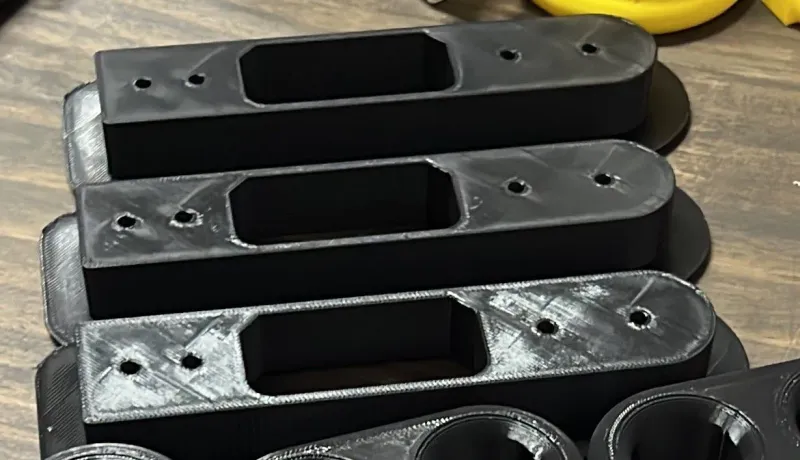
We supply the magnets and fit them. In filament prints the printer pauses, the magnet goes into a pocket and the print carries on over it. In resin parts, or where the magnet sits at the surface, it is fitted after printing. Our embedding guide covers both methods, so this section only adds the sizing.
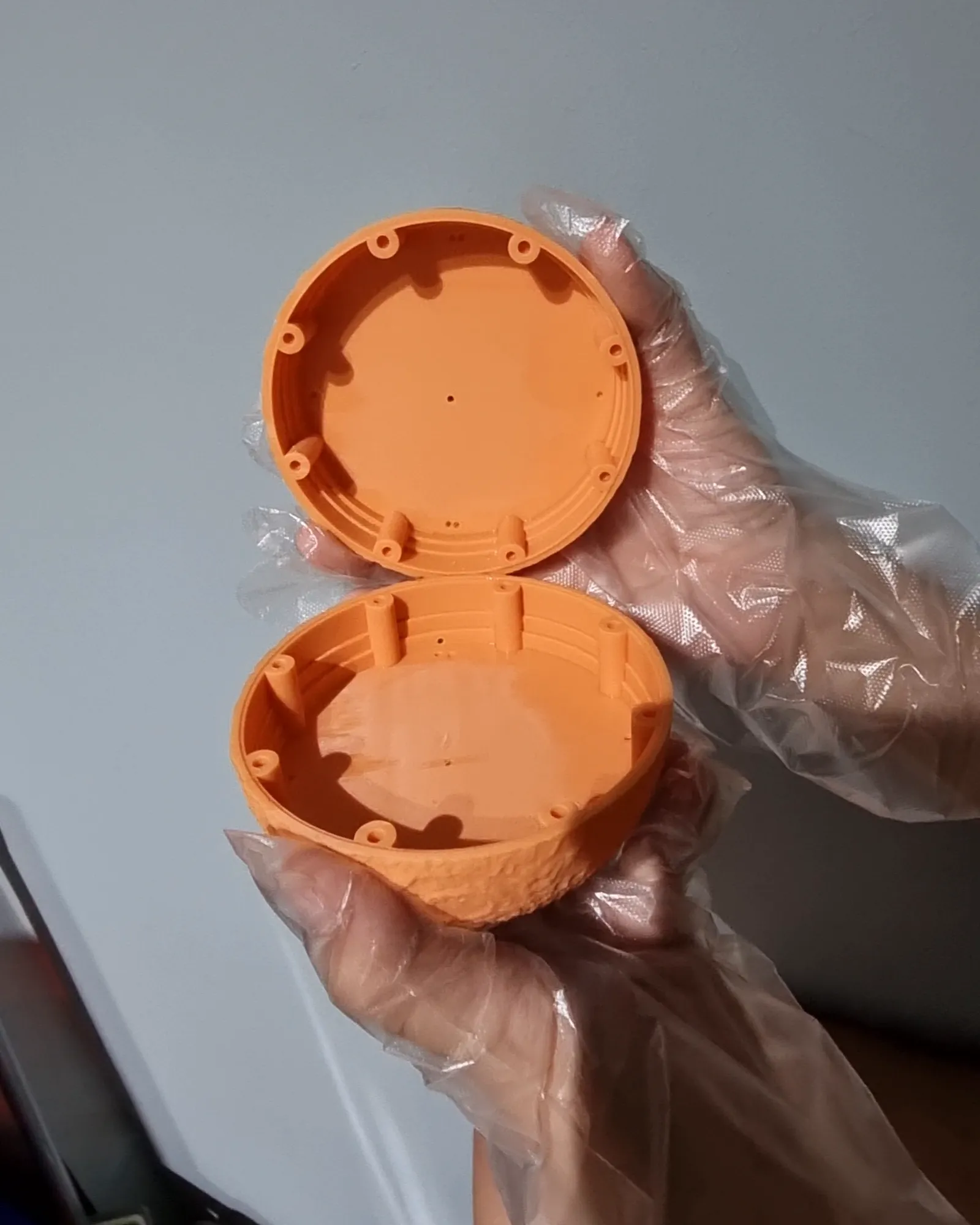
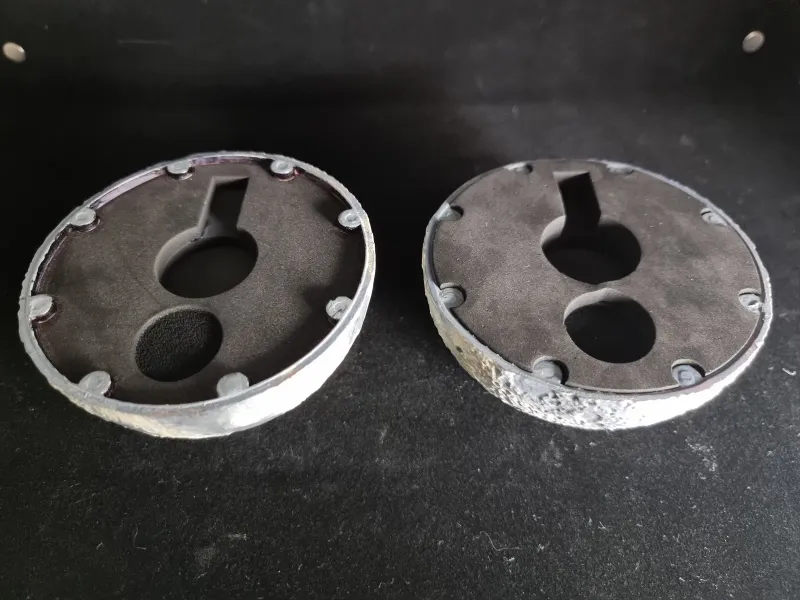
- Draw the pocket slightly bigger. The moon jewellery box uses 3 mm N50 magnets in 3.2 mm holes, on posts around the rim of a resin sphere.
- Say which way each magnet faces. On a disc, the poles are on the two flat faces, so the face that points out decides whether parts pull together or push apart.
- Keep the skin thin. See the pull force section above.
Not every magnetic piece we have made used our own magnets. The LUX gift box closes on a magnetic lid, but that box is stock we print artwork on.
Loose magnets come from magnet makers and suppliers. Read the maker’s sheet for the grade, coating and heat rating. We have not listed selling them on their own, so ask us first.
Where these facts come from
Every outside fact was read on the page named below on 19 November 2026. Magnet ratings differ between makers and batches, so follow the data sheet of the magnet you buy.
- Stanford Magnets, grade information, N52 grade, coatings, safety, maximum pulling force and magnetization direction: grades, heat ratings, coatings, gaps, safety and poles.
- Arnold Magnetic Technologies, neodymium iron boron magnets: its grade table with maximum use temperatures, and coating advice.
- Dura Magnetics, pull force calculator: what a pull rating assumes.
- Enterprise Singapore, magnetic toys advisory, 2 September 2019: the swallowing risk.
- Healthier Together (NHS South Yorkshire), Magnets, and Cambridge University Hospitals, Fresh warning on dangers of swallowing mini toy magnets: what to do, and the 68% figure.
- What we make and fit comes from our own project pages and the embedding guide.
Frequently asked
What does N52 mean on a magnet?
It is a grade: the magnet's energy product, 52 MGOe, according to one maker. A higher number means a stronger magnet, and the same maker says N52 costs more than other grades.
Is a stronger grade always better?
No. In the two makers' tables we read, N52 is rated to 60 °C while N35 to N48 are rated to 80 °C, and the makers disagree on N50. Check the data sheet. If a part will sit in a hot place, a lower grade or a heat-rated suffix is the safer choice.
Why is my magnet weaker than its pull rating?
One maker's pull force calculator assumes direct contact with flat, thick steel. A layer of plastic, paint or dirt between them is a gap, and another maker says even 0.1 mm can cut the pull by over 20%.
Can a magnet go in a print without glue?
Yes. In filament prints we pause the print, drop the magnet into its pocket and print over it. In resin parts, or where the magnet sits at the surface, it is fitted after printing.
Can I drill a hole in a neodymium magnet?
Do not. One maker warns that the dust from grinding or machining is flammable, and that the magnets are brittle and can shatter. Ask for the size you need instead.
Does the coating matter if the magnet is sealed in plastic?
It can. A maker says a bare neodymium magnet oxidises quickly, and a nickel coat is the usual finish. The same maker warns that cracks in a coat invite corrosion, so a sealed magnet still needs a sound coat.
Are magnetic name badges safe for everyone?
Not for people with a pacemaker or another implanted device. A magnet maker warns that the field can affect it. Offer a pin or a clip, and leave the medical question to their doctor.
What is a magnet's north and south side in a disc?
On a disc the poles are on its two flat faces, so which face points out of the pocket decides whether two parts pull together or push apart. Tell us the direction for every magnet.
Related
-
 GuideHow do you put metal threads or magnets in a 3D print?
-
 GuideWhat kind of name tag should staff wear, and how should it be fixed?
-
 GuideHow do you put a strong screw thread in a 3D print?
-
 ServiceIndustrial 3D Printing
-
 ServiceProduct Development & Prototyping
-
 ServiceCustom 3D Figurines
-
 ProjectGame controller name badges for Arcade Studio
-
 ProjectCustom moon jewellery box for Confetti by Mui
-
 ProjectA magnetic infinity loop pairing game for The Smart Local