

What is acrylic mirror, and is it better than a glass mirror?
Acrylic mirror is clear acrylic with a mirror coat on the back. How it differs from glass, which colours we cut, and how to fix it flat on a wall.
On this page
Acrylic mirror or glass mirror: what will it weigh?
Enter the mirror's size. The same panel is weighed in both.
Worked out from a sheet maker's figures for acrylic and glass (2.4 and 5 kg a square metre at 2 mm). The mirror coat adds almost nothing.
Acrylic mirror is a sheet of clear acrylic with a mirror coat on the back, so you see your reflection through the plastic. It is lighter than glass and harder to break, but its maker says it is not for precise image reflection. That suits toppers, letters and signs better than a mirror you check your face in.
Acrylic mirror or glass: which one for the job
| The job | Better pick | Why |
|---|---|---|
| Cake toppers, letters, logos and cut shapes | Acrylic mirror | A laser cuts it to any outline, and it does not shatter like glass |
| A wall sign or a decor piece | Acrylic mirror | Half the weight of glass, so it hangs more easily |
| A room where breakage worries you, such as a child’s room | Acrylic mirror | Its maker says it is five times harder to break than glass of the same thickness |
| A large mirror to check your face or your outfit | Glass | Acrylic mirror shows ripples, and its maker says not to use it where the reflection must be exact |
| A bathroom, a shower or an outdoor wall | Glass | Its maker says not to use it in shower doors or in rooms where humidity could make it expand or contract, and does not recommend it outdoors |
| A ceiling | Only in a frame that holds the edges | Its maker advises against fixing it overhead any other way |
Every figure in the table comes from one sheet maker’s own guide to its acrylic mirror. Sheet from other makers can differ, so ask before you plan around a number.
What acrylic mirror is
Acrylic is polymethyl methacrylate (PMMA), a clear plastic. For mirror sheet, the maker puts a reflective film on one face and covers it with a paint backing. The front stays plain acrylic, under a masking film that you leave on until the job is done. One maker gives its sheet a reflectivity of about 85 to 90%.
Mirror is one sheet among several. Our guide to acrylic sheet in Singapore sets it beside clear, frosted and coloured acrylic.
Gold and silver: the colours we cut
Mirror acrylic comes in silver, and in tinted colours such as gold and rose gold. Our sign studio offers gold and silver mirror. It sells them at the 3 mm choice, though the mirror sheet itself is about 2 mm thick.
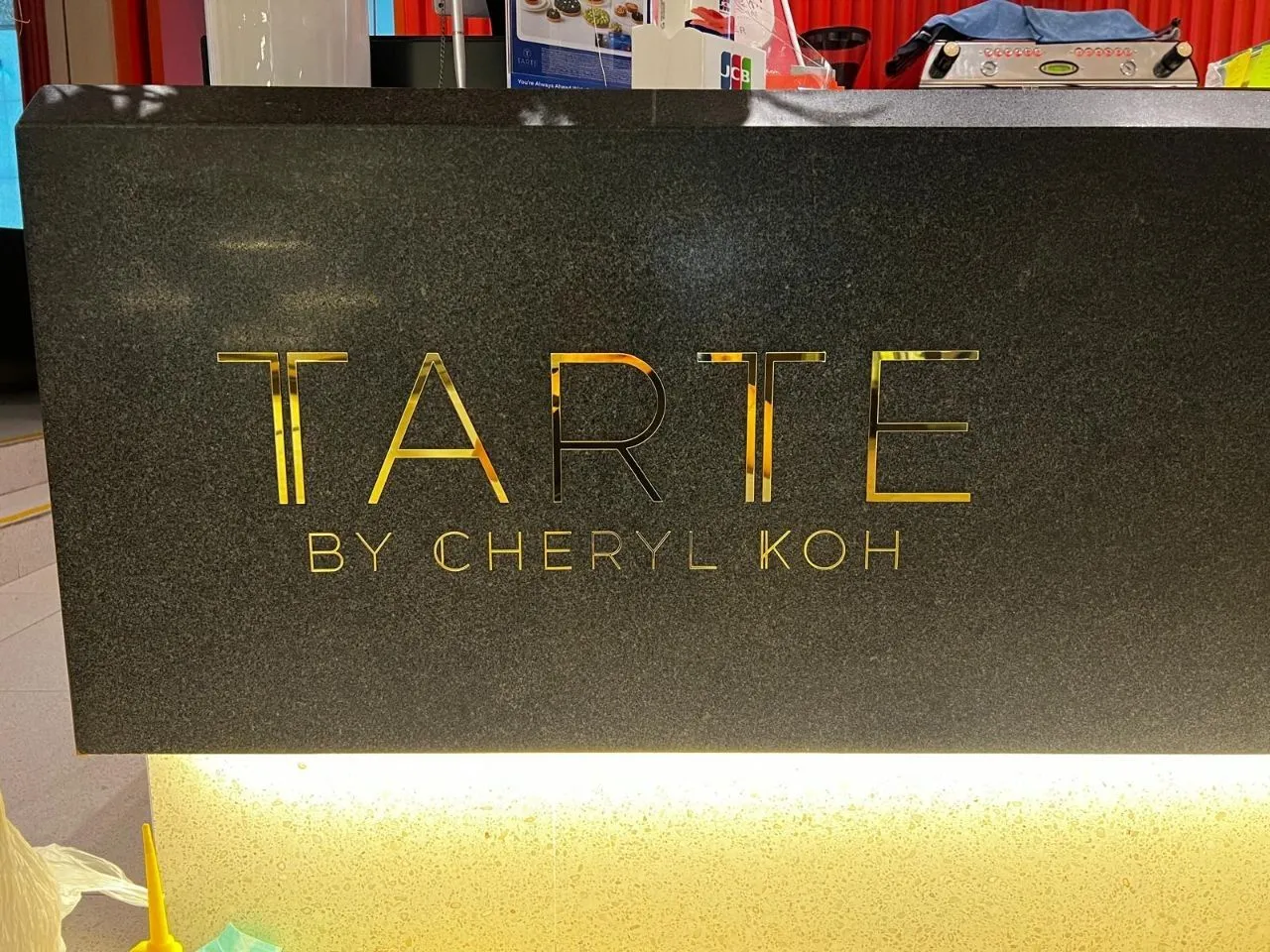
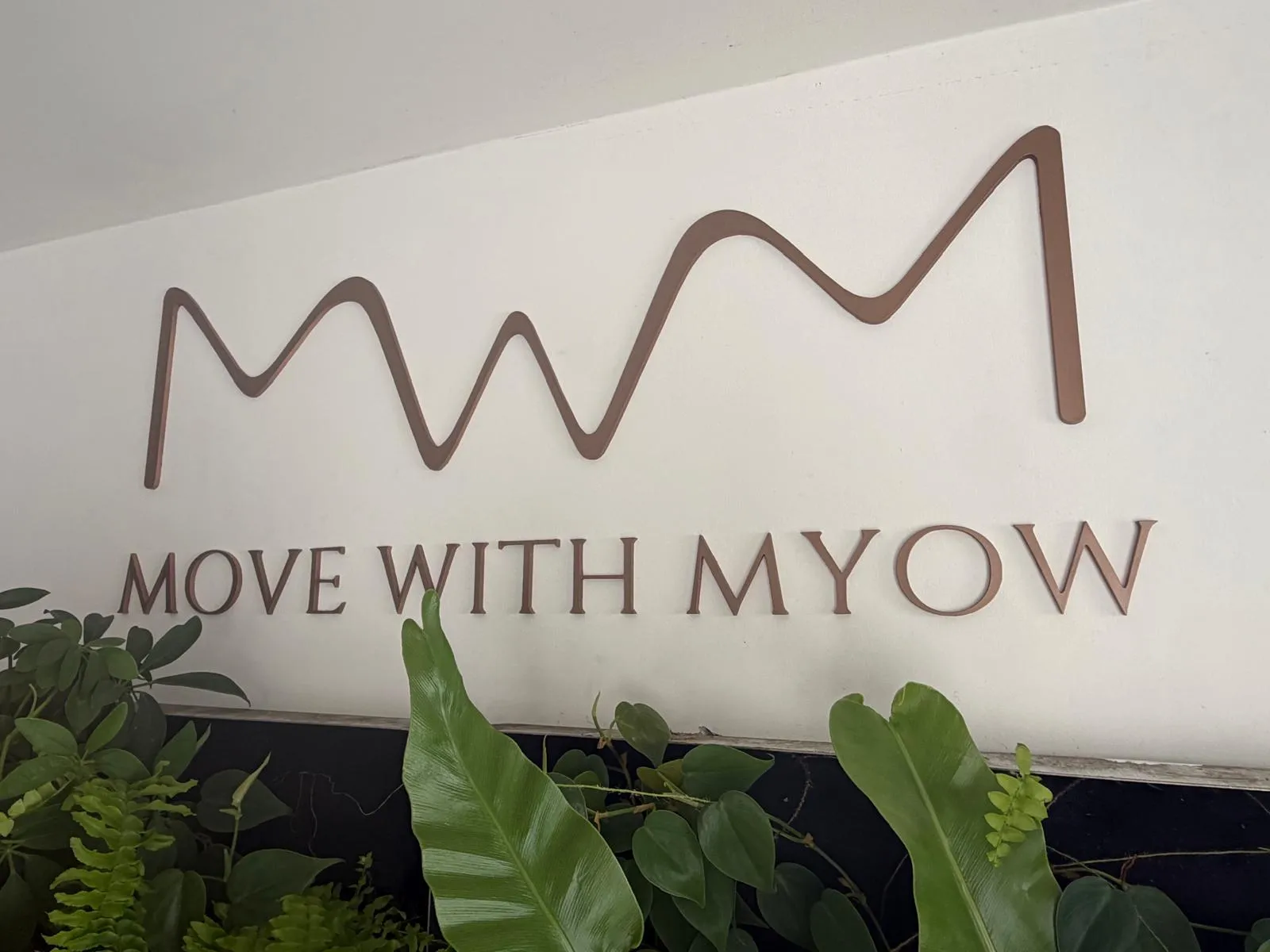
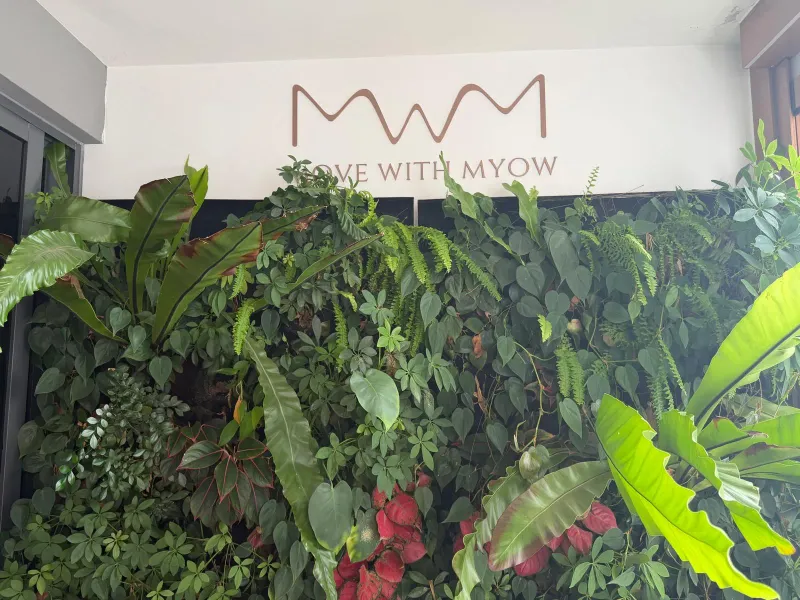
Our rose gold sign is a paint finish, not mirror sheet. The sign below is 5 mm acrylic that we primed and sprayed rose gold, so it has a soft sheen, not a mirror one. If you want rose gold in mirror sheet, ask us what we can get.
Mirror acrylic against glass
- It weighs less. The sheet maker says it is half the weight of glass of the same size and thickness.
- It breaks less easily. The same maker says acrylic is 5 times more break resistant than glass of equal thickness.
- It ripples. The mirror coat follows whatever it is stuck to, so a bumpy wall shows in the reflection. A thicker sheet holds its shape better. The maker says good fixing can reduce the ripple but may not remove it.
- The surface is soft. The maker calls it relatively soft and flexible, so keep the masking on until the piece is up.
- It does not like damp. The sheet absorbs moisture, and high humidity can warp it for a while. It also tolerates continuous heat up to 71 °C.
Cake toppers, signs and decor
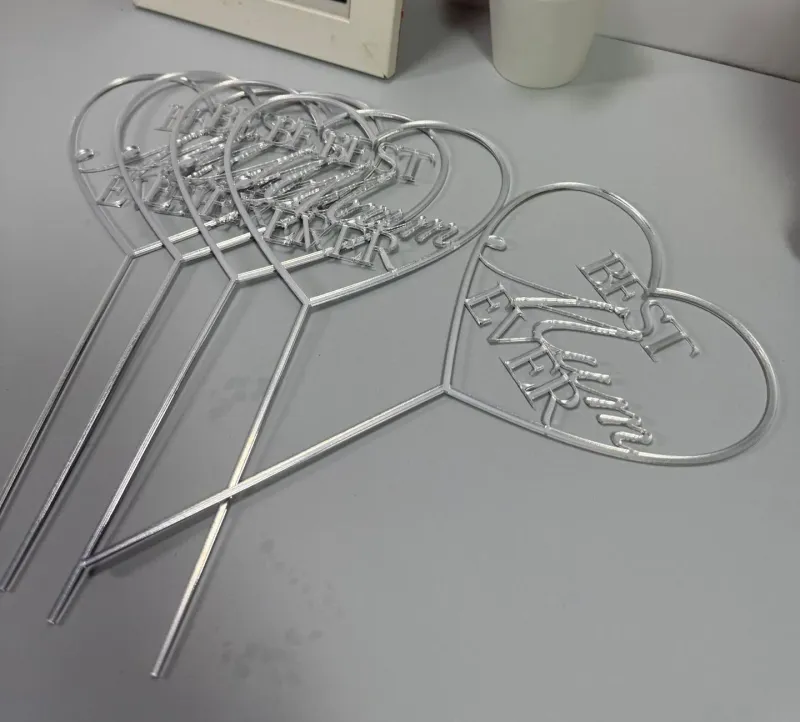
Cake toppers. The Atelier & Co ordered Mother’s Day toppers from us in 2 mm silver mirror acrylic: hearts lettered Best Mum Ever, I love Mum picks and a letter set from A to Z (see the project). None of our acrylic toppers is food safe, so ask your baker to sleeve the stakes or stand the topper on a food-safe board. Our cake topper guide has the rest.
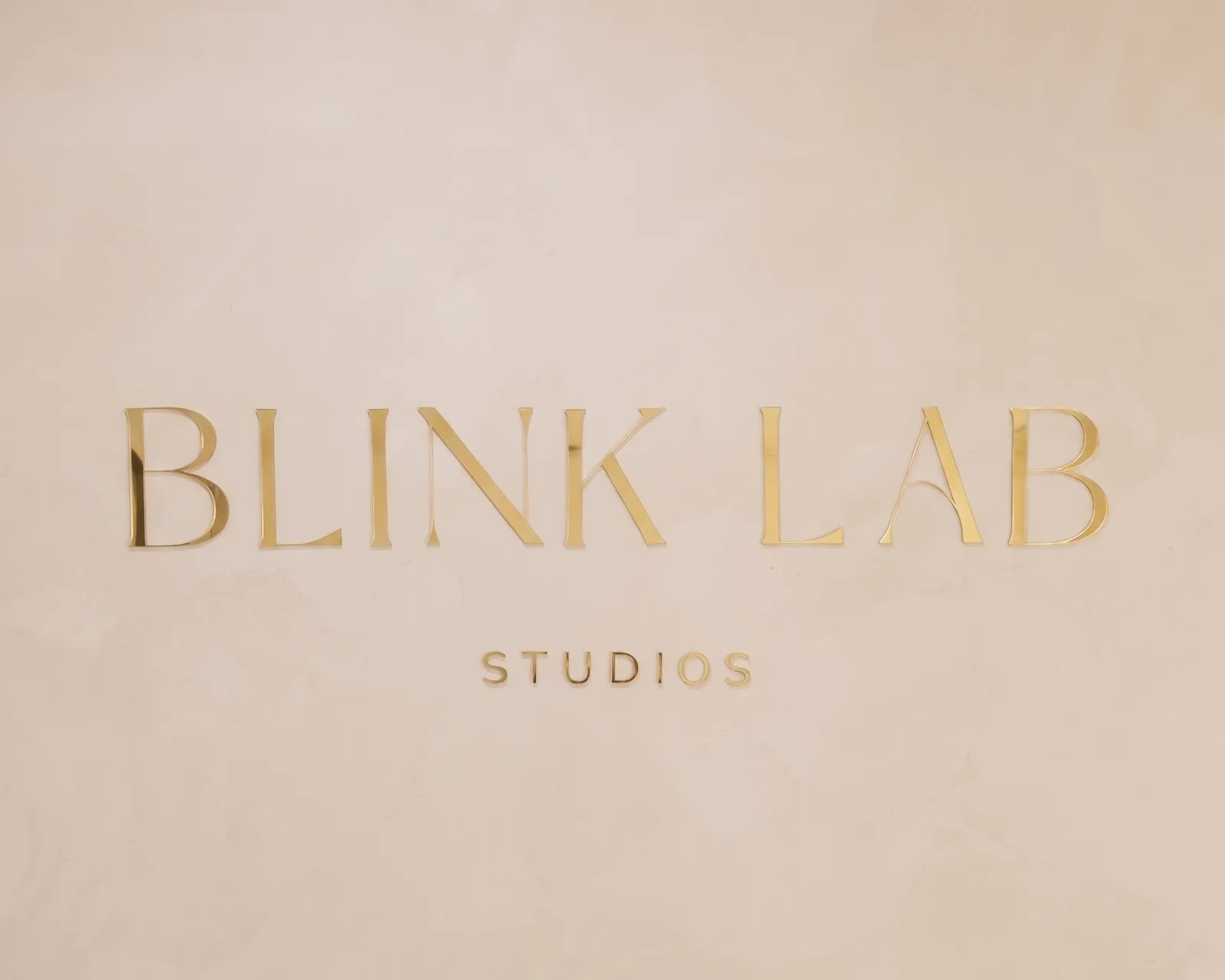
Signs and letters. Blink Lab Studios has an 80 cm sign in 2 mm gold mirror, installed on site. Each letter can be cut as its own piece, as we did in gold mirror for Scent Stop.
Decor for a child’s room. A name or a shape cut from mirror acrylic gives a bright patch on the wall with no glass to break.
Print. We UV print artwork on acrylic in our UV print studio. Whether that covers mirror sheet is not something the studio says, so if you want print and mirror together, ask us first.
Cutting and engraving mirror acrylic
We cut mirror acrylic on our laser from a vector file (DXF, AI, SVG or PDF). Here is what the sheet maker and a laser maker say about each way of cutting it.
- Laser. It leaves a clean, polished edge with no saw chips. The cut can leave stress along the edge, so makers advise annealing (a slow heat treatment) before gluing, and a test piece before the real job. Lay the sheet mirror side down and keep the masking on.
- Engraving. Engrave from the back, with the artwork flipped so it reads correctly from the front.
- Saws and router. The sheet maker says it can be sawed or routed. On a table saw the masked side goes down. Blades should have at least 14 teeth per inch on a saber saw or jigsaw and at least 10 on a band saw, with a cool air or water mist on the blade and no cutting lubricants.
- Score and snap. For straight lines in sheet under 3 mm only.
- Edges. The maker says not to flame polish mirror edges, and not to cut it with a water jet.
Our guide to cutting acrylic covers the same methods for clear sheet.
Sticking mirror acrylic up without ripples
- Back it with something flat and firm. The maker suggests 6.35 mm hardboard or 12.7 mm medium-density fibreboard (MDF) behind a large sheet.
- Use tape or screws. The maker lists 3M VHB tape and a double-coated polyester tape. For screws, drill oversize holes and do not overtighten, which dimples the sheet.
- Take the load off big sheets. Rest the bottom edge on a strip of trim, so the weight does not hang from the tape or screws.
- Test any glue first. Solvents such as toluene, ketones and hexane can attack the coat. Leave a test piece for 72 hours before you trust an adhesive.
- Skip solvent cement at the edges. The maker warns it may craze the sheet, which means fine cracks.
Joining two pieces of acrylic together is another job: see how to glue acrylic. We install our own signs on site, as at Blink Lab Studios.
Cleaning it
Wipe with mild soap and a damp, soft cloth, using light pressure and keeping off the edges. The maker says no window sprays or kitchen scourers, and no chemicals on the paint backing.
Where these facts come from
Every outside fact was read on the page named below on 19 November 2026. Sheet from other makers can differ, so check the maker’s own guide for yours.
- Plaskolite, Fabback mirror fabrication guide: weight, breakage, reflectivity, distortion, temperature, humidity, outdoor use, thicknesses, cutting methods, edges, adhesives and cleaning.
- Thunder Laser (a laser maker), mirror acrylic engraving and cutting guide: the colours it comes in, mirror side down for cutting and back engraving.
- Wikipedia, poly(methyl methacrylate): the name PMMA and what it is.
- What we make, offer and have made comes from our own project pages and our sign studio’s catalogue.
Frequently asked
Is acrylic mirror a real mirror?
It reflects like one, because the sheet carries a reflective film on its back. The front is plastic, though, so the picture is a little less exact than glass. For a mirror you check your face in, glass is the better pick.
Is acrylic mirror good for a child's room?
Its maker sells it as a replacement for glass mirror where breakage is a safety worry. Fix it firmly to the wall so it cannot be pulled off, and ask us about the edges and corners of any cut shape.
Can acrylic mirror go outside?
Its maker does not recommend outdoor use. If it has to go outside, the maker says to seal the edges with approved silicone to keep moisture out, and warns that salt spray can damage the coat.
Can I cut mirror acrylic by hand?
Yes, for straight lines in thin sheet: score it with a plastics scriber and snap it over a table edge. The maker limits this to sheet under 3 mm. For curves, it points to a band saw with at least 10 teeth per inch, and keeps jigsaws mainly for inside cuts.
Does mirror acrylic scratch easily?
Its maker calls the surface relatively soft, so keep the masking film on until the piece is fixed in place. Fine scratches can be rubbed out by hand with a plastic scratch remover, and the maker says never to use window spray or kitchen scourers.
How thick is mirror acrylic?
One maker lists 1.5 mm to 6 mm. In our sign studio the mirror option is gold or silver at the 3 mm choice, and the sheet itself is about 2 mm.
Can mirror acrylic be engraved?
Yes. Engraving from the back keeps the mirrored face clean, and the artwork is flipped so it reads correctly through the front. Test a scrap first, because heat can mark the coat.
What can I use to stick mirror acrylic to a wall?
Test first. Some adhesives attack the coat on the back, and the maker advises leaving a test piece for 72 hours. It suggests double-sided tape, a polyurethane sealant or a spray adhesive, and warns against adhesives with 5% or more solvent.
Related
-
 GuideWhat should you know before you buy an acrylic sheet in Singapore?
-
 GuideHow do you cut acrylic sheet, and when is it better to send it out?
-
 ServiceLaser Engraving & Cutting
-
 ServiceCustom Signage
-
 ServiceUV Printing
-
 ProjectMother's Day cake toppers for The Atelier & Co
-
 ProjectLogo signs for small businesses
-
 ProjectRose gold acrylic logo sign for Move with Myow