
Which nylon 3D printing material suits your part?
On this page
- Nylon 3D printing materials at a glance: four grades compared
- PA12: the right nylon for most parts
- Glass-filled PA12: stiffer, but less forgiving
- PA11-like: tougher and more flexible, in black
- SLS or MJF: the same PA12, a little smoother on MJF
- Colour: grey, black or white, or painted over a primer
- When nylon powder is not the answer: filament or metal
- Frequently asked
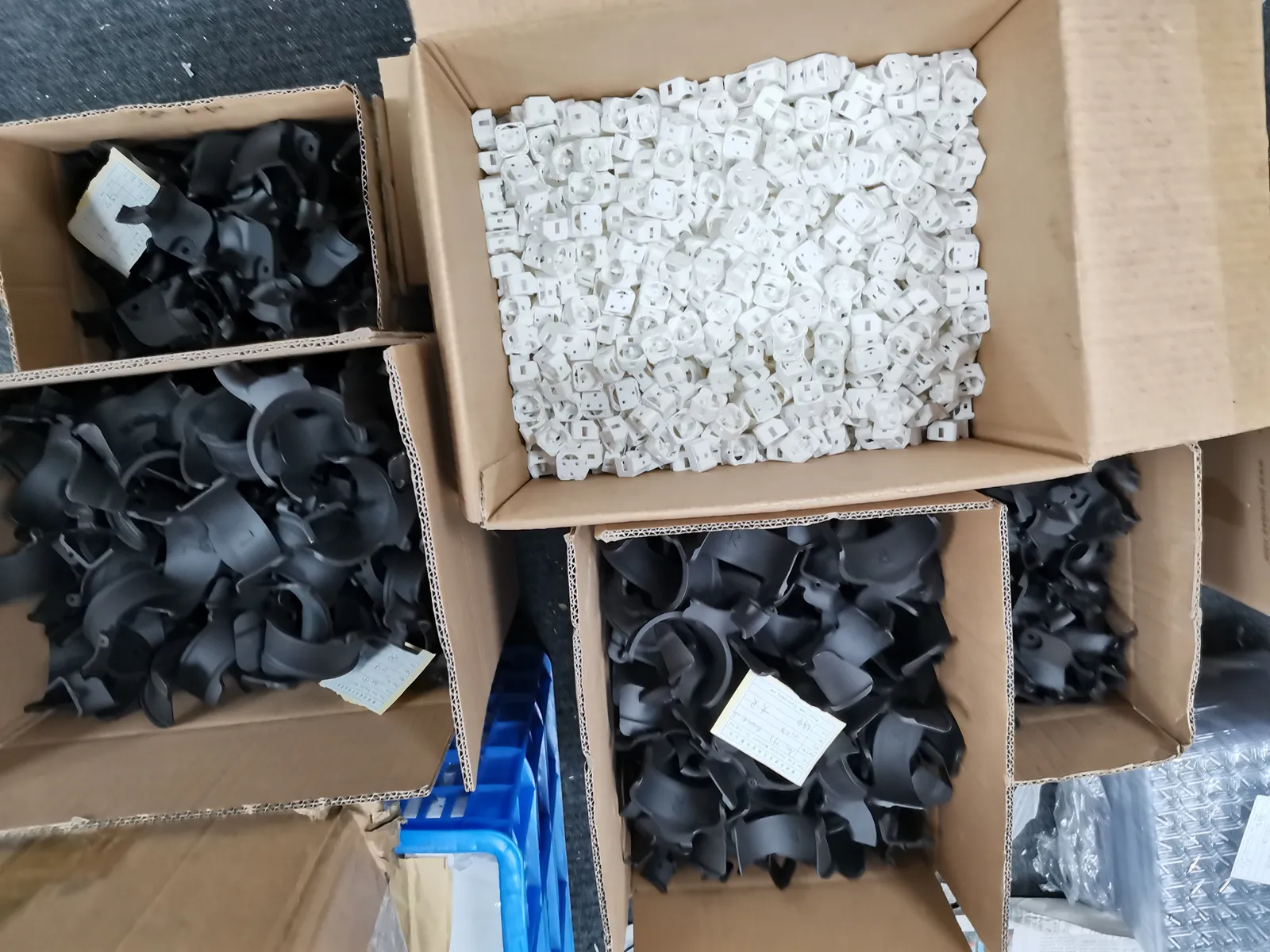
Choose PA12 for almost any tough, working nylon part: we print it by selective laser sintering (SLS) in grey, black or white, and by Multi Jet Fusion (MJF) in black. Pick a glass-filled PA12 when the part must be stiffer, and the black PA11-like grade (SLS only) when it must take knocks and flex without cracking.
Nylon 3D printing materials at a glance: four grades compared
| Material | What it is like | Best for | Process and colour |
|---|---|---|---|
| PA12 | Tough, with a little flex | Clips, hinges, housings, batches | SLS: grey, black or white. MJF: black |
| PA12 with 30% glass fibre | Stiffer, bends less | Brackets that must not flex | SLS: white, or dyed black |
| PA12 with glass beads | Stiffer, holds its shape | Parts under steady load | MJF: black |
| PA11-like | Tougher, bends further | Parts that get knocked or flexed | SLS: black |
Every grade prints in layers 0.1 to 0.12 mm thick, with no supports. The largest part in one piece is 670 x 360 x 550 mm; for a big part, tell us the size and we confirm the grade.
Lead times for a normal-size part (about 10 to 15 cm across) are a rough guide: 8 to 12 working days by SLS and 12 to 15 by MJF. Bigger parts and batches take longer, so check with us.
PA12: the right nylon for most parts
PA12 is the all-round nylon for parts that have to work. It is tough and has a little flex, so clips snap, hinges bend and thin walls survive being handled. Because the loose powder holds each part up as it prints, a whole batch can be packed into one build, which is why PA12 suits runs of small parts.
It also copes well with Singapore’s humidity. PA12 takes up about 0.5% of its weight in water in normal room air and about 1.3% in very humid air, which is low for a nylon (a published PA12 powder data sheet, not our own test), so parts keep their size and stiffness.
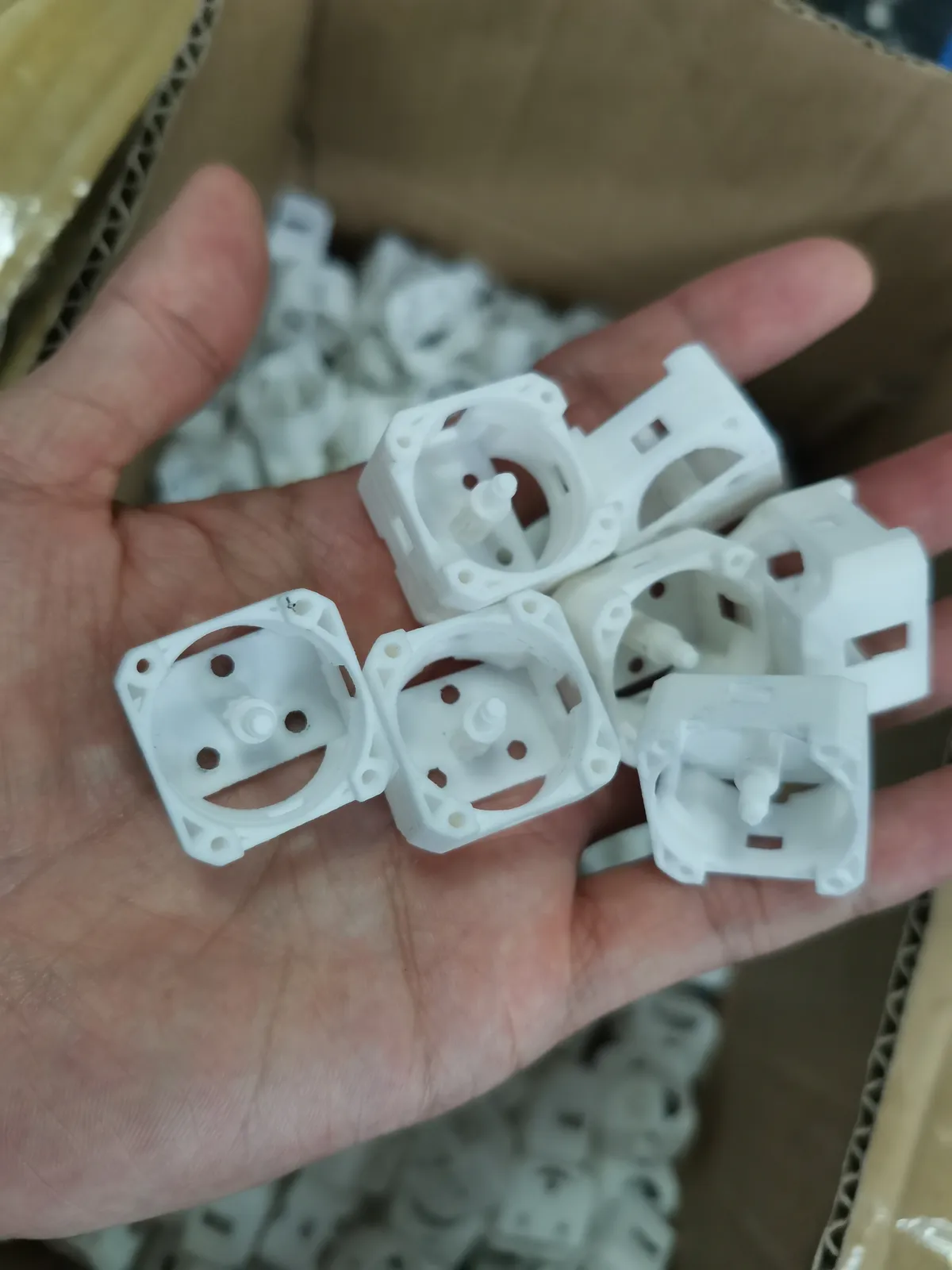
See our SLS nylon printing page for how the parts are made and finished.
Glass-filled PA12: stiffer, but less forgiving
Glass mixed into the powder makes the nylon stiffer, so the part bends less under load. There are two versions:
- PA12 with 30% glass fibre (SLS): for brackets, mounts and housings that must not flex. It comes in white, or dyed black.
- PA12 with glass beads (MJF): for parts that must hold their shape under a steady load. It comes in black.
The trade-off is that glass-filled nylon breaks after less bending. A clip, snap fit or living hinge needs to flex, so keep those in plain PA12 or the PA11-like grade.
PA11-like: tougher and more flexible, in black
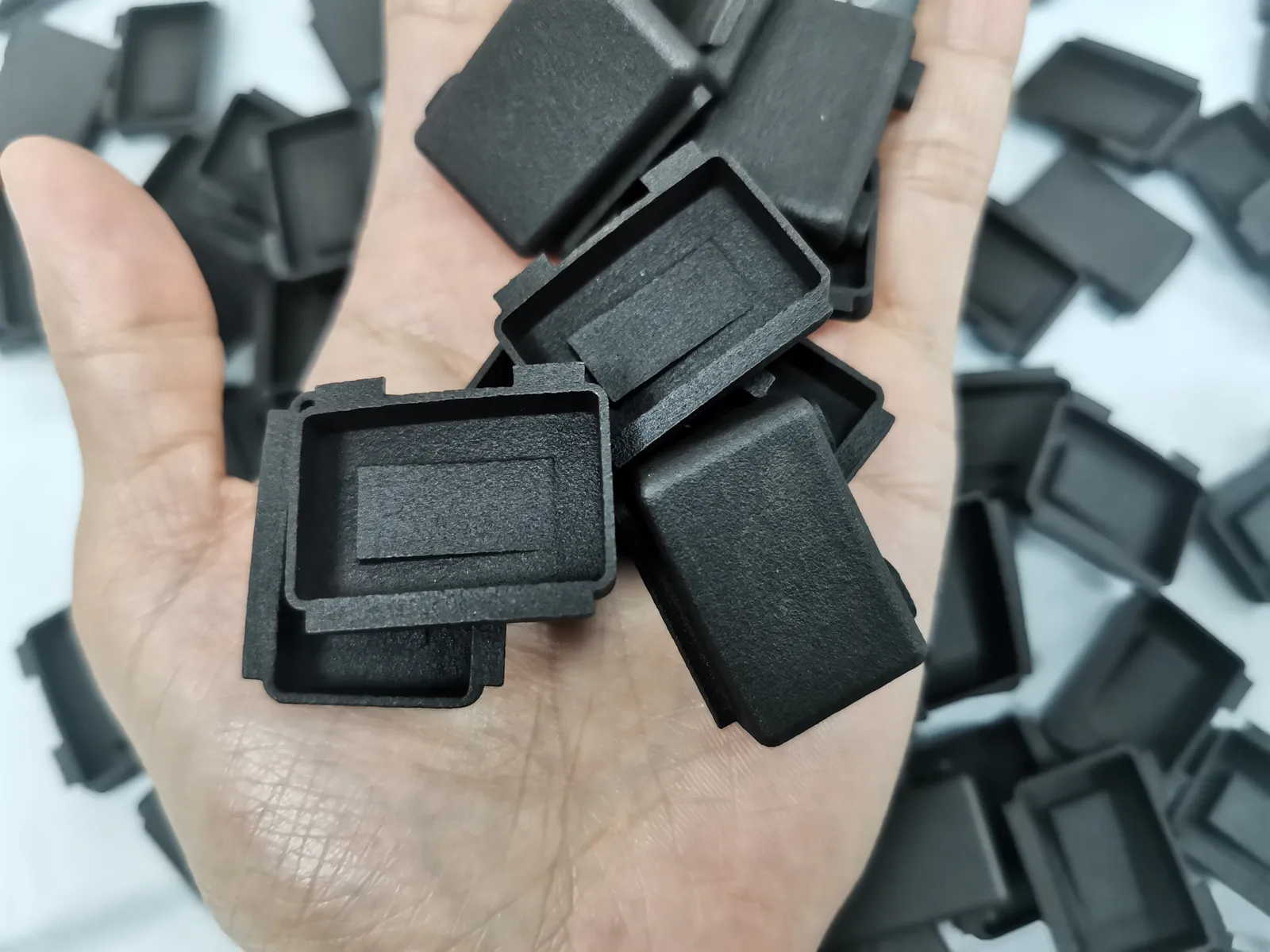
Our PA11-like grade bends further before it breaks than PA12, so it suits parts that get dropped, knocked or flexed over and over: covers, clips, straps and protective parts. We print it by SLS, in black only.
If your drawing calls for PA11 itself, tell us before you order and we confirm whether this grade meets it.
SLS or MJF: the same PA12, a little smoother on MJF
Both processes print PA12 with no supports, and the parts behave much the same. MJF comes out a little smoother, but not by much, so the choice usually comes down to the price for your part, the colour and the grade. SLS offers more colours and grades; MJF is black PA12 or PA12 glass bead. Our guide to SLS vs MJF compares them in full.
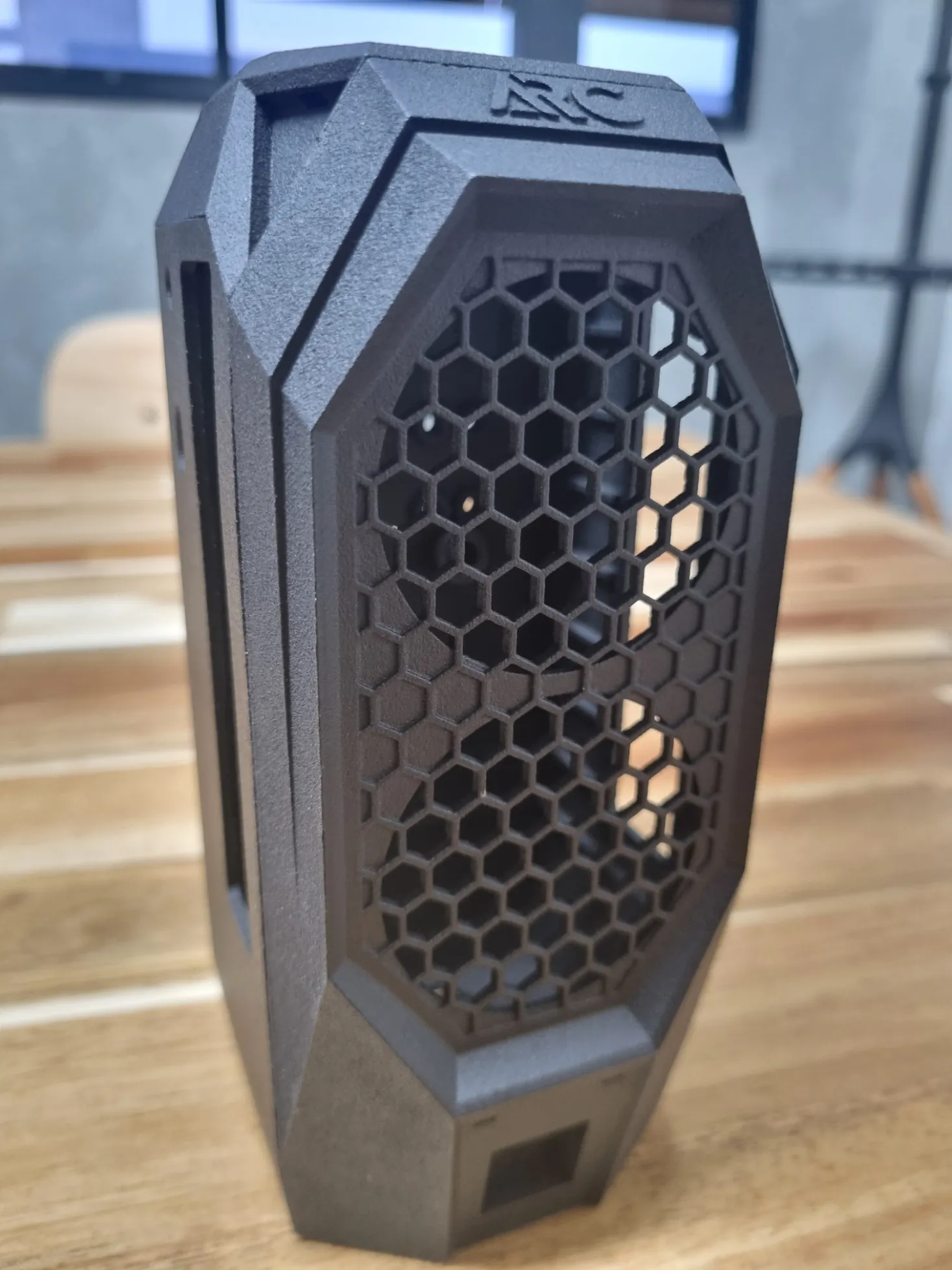
Colour: grey, black or white, or painted over a primer
Nylon powder takes colour three ways:
- As printed: SLS PA12 in grey, black or white (check with us for more). MJF and the PA11-like grade are black.
- Dyed: MJF parts can be dyed another colour on request.
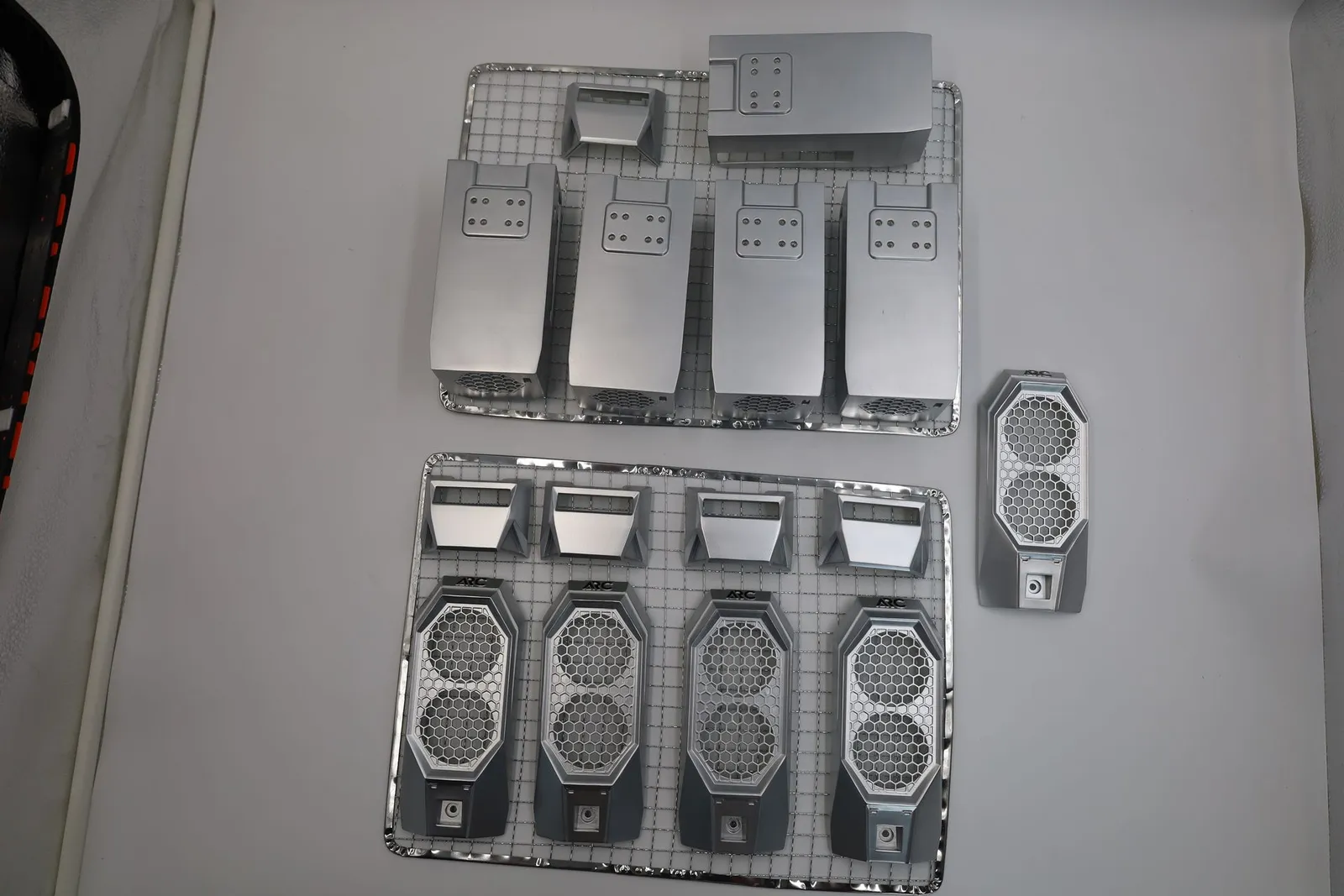
- Painted: for an exact colour on any grade, we prime the part, then spray it.
When nylon powder is not the answer: filament or metal
Nylon powder is not always the best fit:
- A one-off part loaded mostly one way: a carbon-fibre filament can be stiffer and cost less. See carbon fibre and engineering filaments.
- Real heat, load or wear: printed metal. See which metal to 3D print.
- Still choosing between filament, resin, nylon and metal: our 3D printing materials guide compares them all.
Before you send the file, our guide to nylon problems you can fix in the model covers wall thickness, escape holes and gaps.
Frequently asked
What is the best nylon for 3D printing?
PA12 is the best nylon for most 3D printed parts: tough, with a little flex, and it holds clips, hinges and thin walls well. We print it by SLS in grey, black or white, and by MJF in black. Choose a glass-filled PA12 only when the part must be stiffer, and the PA11-like grade when it must take knocks.
What is the difference between PA12 and PA11-like nylon?
PA11-like nylon is tougher and more flexible than PA12: it bends further before it breaks, so it suits parts that get dropped, knocked or flexed. PA12 is the all-round grade and comes in more colours. We print PA11-like by SLS, in black only.
Is glass-filled nylon stronger than PA12?
Glass-filled nylon is stiffer than plain PA12, not simply stronger: it bends less under load, but it also breaks after less bending. That makes it right for brackets and housings that must hold their shape, and wrong for clips and snap fits, which need plain PA12 or PA11-like.
What colours does nylon powder come in?
Nylon powder parts come in grey, black or white for SLS PA12, and black for MJF and for the PA11-like grade. Check with us for other SLS colours; MJF parts can be dyed on request. For an exact colour on any grade, we paint the part over a primer.
Is MJF nylon the same as SLS nylon?
MJF and SLS both print PA12 nylon, and the parts behave much the same: tough, matte and slightly grainy. MJF is a little smoother, but not by much. SLS offers more choice, with three colours, a 30% glass-fibre grade and the PA11-like grade, while MJF is black PA12 or PA12 glass bead.
Does nylon absorb water in Singapore's humidity?
PA12 nylon takes up very little water: about 0.5% of its weight in normal room air and about 1.3% in very humid air (96% humidity), from published PA12 powder data. That is low for a nylon, so PA12 parts keep their size and stiffness well in Singapore's damp climate.
How big can a nylon powder part be?
A nylon powder part can be up to 670 x 360 x 550 mm in one piece, so tell us the size and we confirm which grade and process can make it whole. A bigger part is printed in sections and joined, with the joins placed where they are hidden or carry the least load.
How long does nylon powder printing take?
Nylon powder printing takes about 8 to 12 working days by SLS and 12 to 15 by MJF, for a normal-size part about 10 to 15 cm across. Treat that as a rough guide: bigger parts and batches take longer, so check with us if you have a date.
Related
-
 GuideSLS or MJF: which nylon powder process suits your part?
-
 GuideWhich 3D printing material should you choose?
-
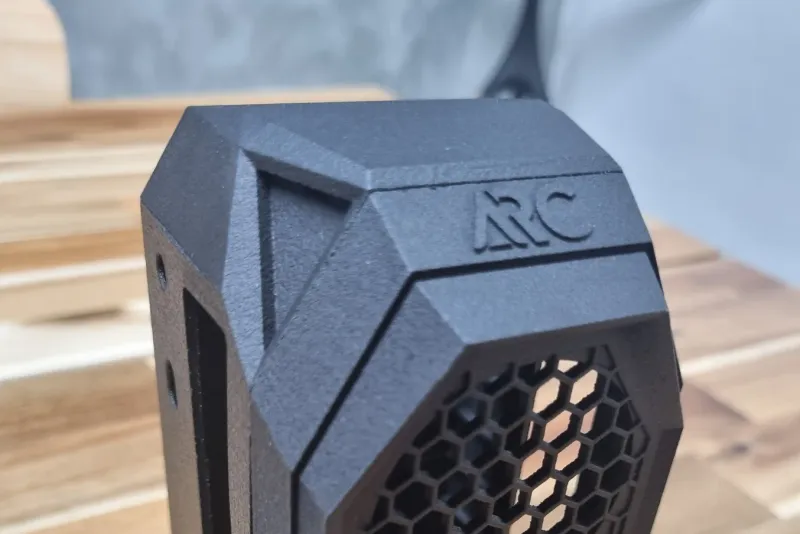 GuideWhich nylon powder (SLS and MJF) print problems can you fix in the design?
-
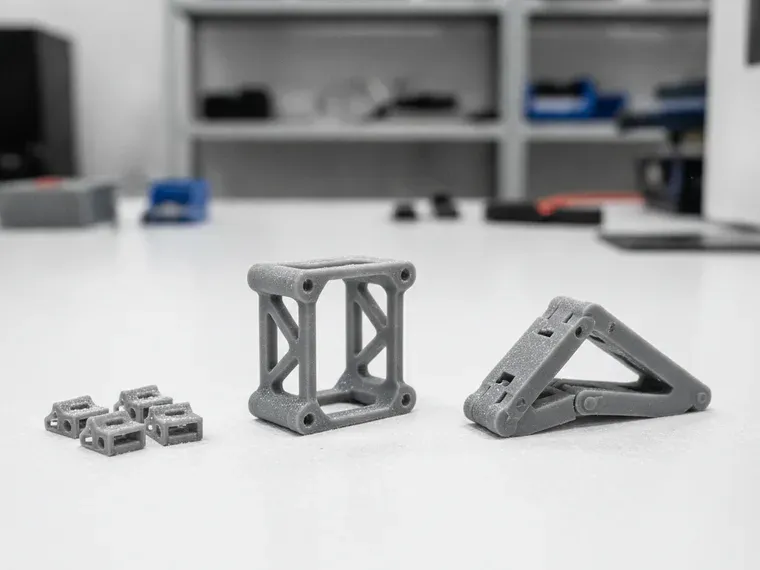 ServiceSLS 3D Printing
-
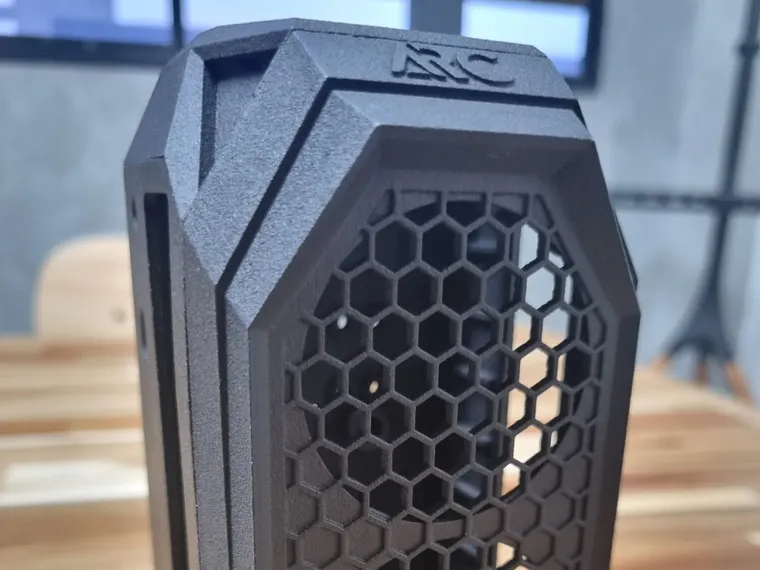 ServiceMJF 3D Printing (Multi Jet Fusion) in Singapore
-
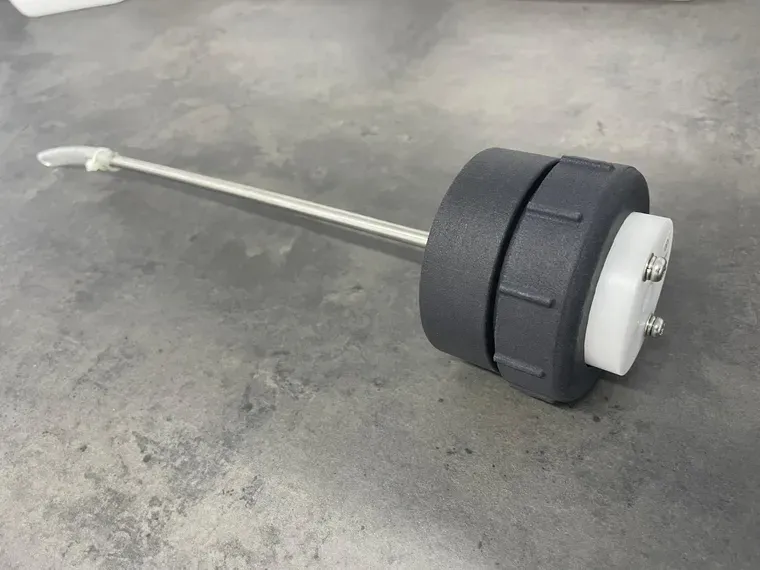 ServiceIndustrial 3D Printing
-
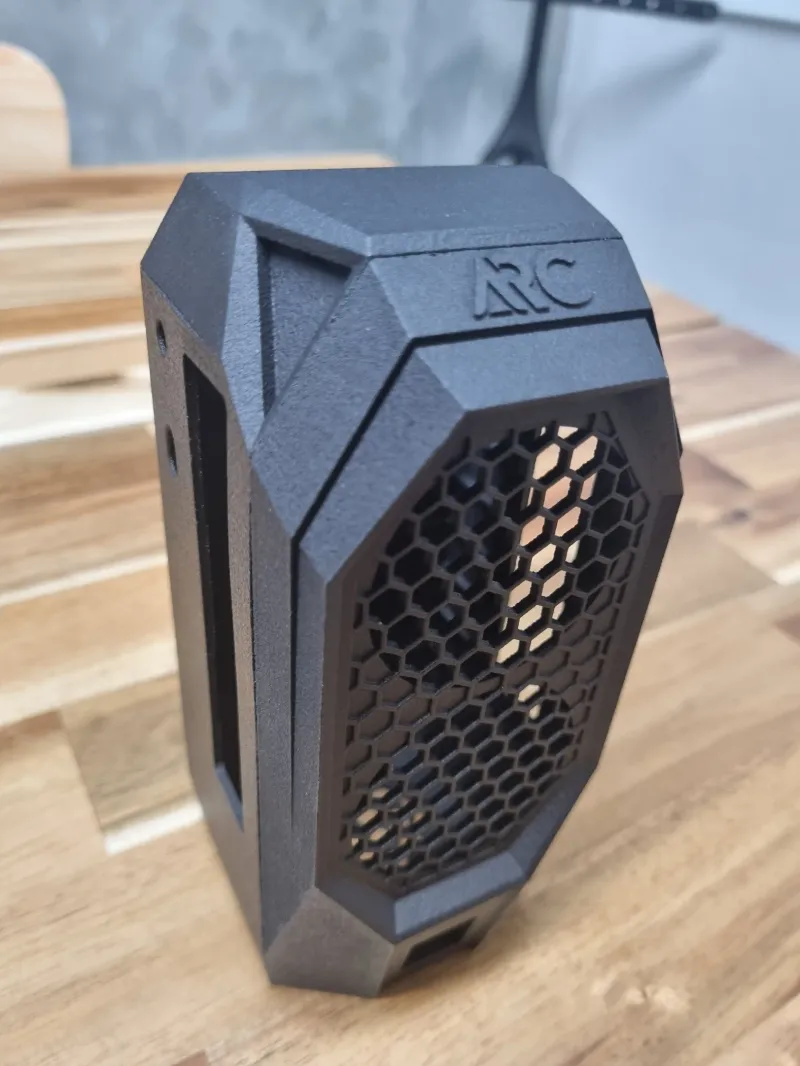 ProjectArc CPU Case