

Stainless steel, aluminium or titanium: which metal to 3D print?
On this page
- Metal 3D printing materials at a glance: four alloys compared
- 316L stainless steel: the safe choice for most parts
- 17-4PH stainless steel: for hard, strong parts
- AlSi10Mg aluminium: for light parts and heat sinks
- Ti6Al4V titanium: the strongest for its weight
- Finishes: as printed, blasted, machined or polished
- Size and lead time: up to 420 x 420 x 450 mm, 10 to 12 working days
- Metal or not: rule out plastic and machining first
- Other alloys: ask us
- Frequently asked
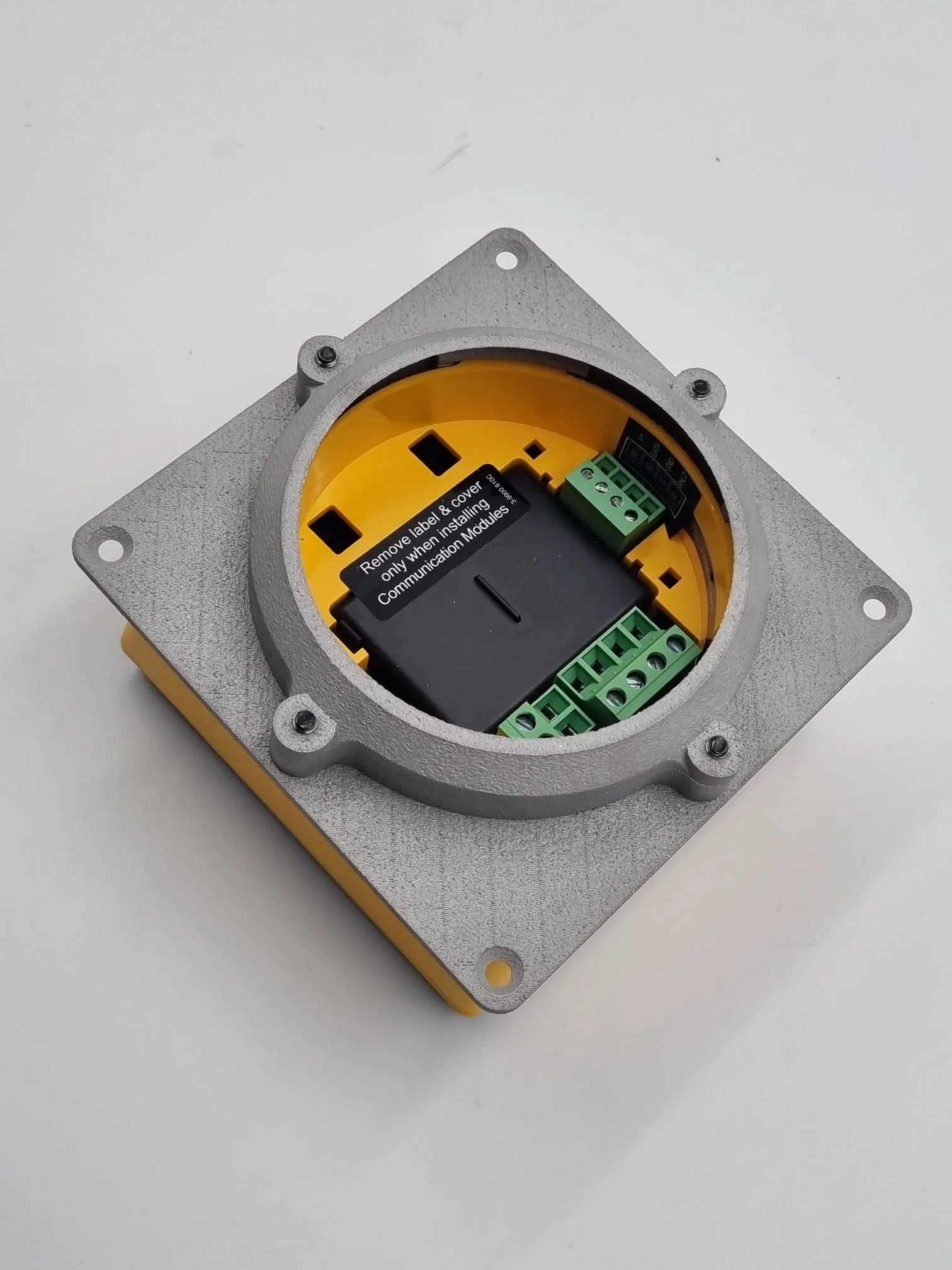
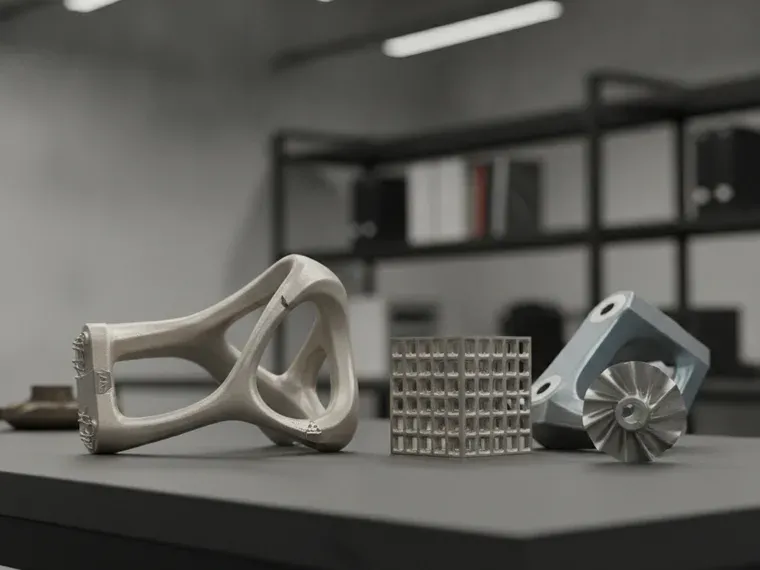
Pick 316L stainless steel for most parts and anything wet, 17-4PH stainless steel when the part must be hard and strong, AlSi10Mg aluminium when weight or heat matters, and Ti6Al4V titanium for the most strength for the least weight. We print all four by selective laser melting (SLM), where a laser melts fine metal powder one thin layer at a time, as part of our metal 3D printing service.
Metal 3D printing materials at a glance: four alloys compared
| Metal | Weight (g/cm³) | Pull strength (MPa) | Best for |
|---|---|---|---|
| 316L stainless | 8.0, heaviest | 590 to 710 | Everyday, wet parts |
| 17-4PH stainless | 7.8 | 1,120 to 1,300, treated | Hard, strong parts |
| AlSi10Mg aluminium | 2.7, lightest | 390 to 440 | Light parts, heat sinks |
| Ti6Al4V titanium | 4.4 | 1,020 to 1,065, treated | Light, strong parts |
Rust: 316L, 17-4PH and titanium resist it well. Aluminium does well too, because its oxide skin protects it.
Carries heat away (W/mK): aluminium is the fastest at 130 to 190. The steels are slow, 17-4PH at 18 to 23 and 316L at 16. Titanium is the slowest at 6 to 8.
Pull strength: how hard a test bar can be pulled before it breaks, from the maker’s machined test bars. The 316L and aluminium figures are as printed. The 17-4PH and titanium figures are the data sheet’s heat-treated bars, because it gives no as-printed figure for them. We supply metal parts as printed, without heat treatment, so treat those two figures as an upper limit.
Weight and heat: the maker quotes these for the solid metal. Its printed samples are 99.7 to 99.8% dense, so the figures hold near enough for a printed part.
Source: Renishaw’s RenAM 500 series data sheets for 316L, 17-4PH, AlSi10Mg and Ti6Al4V (issued August 2024).
316L stainless steel: the safe choice for most parts
316L is the everyday stainless steel. It resists rust well, machines and polishes well, and its maker lists marine parts, cutlery and surgical tools among its uses. It is tough rather than hard: as printed it stretches about half its length again before it breaks, so an overloaded part bends instead of snapping.
- Pick it for: brackets, housings, fittings, food and kitchen parts, and anything that lives in wet or salty air, like Singapore’s outdoor and seaside sites.
Its honest limits:
- Weight: it is the heaviest of the four.
- Strength for its weight: the lowest of the four, so a part that must be light and strong belongs in titanium or aluminium.
17-4PH stainless steel: for hard, strong parts
17-4PH is a stainless steel made to be hardened by heat treatment. Its maker’s heat-treated test bars reach about 1,120 to 1,300 MPa, the highest pull strength of the four, and about twice the hardness of 316L. It still resists rust well, and its maker lists aerospace, chemical plant and surgical tools among its uses.
- Pick it for: tools, shafts, gears and latches that must stay hard.
Its honest limits:
- Heat treatment: we don’t heat-treat, so an as-printed 17-4PH part will not reach those figures. If your part needs that strength, tell us before you order.
- Weight: almost as heavy as 316L.
AlSi10Mg aluminium: for light parts and heat sinks
AlSi10Mg is an aluminium alloy with silicon and a little magnesium. It weighs about a third as much as steel and carries heat away many times faster, which is why its maker lists electronics cooling beside car and aircraft parts. A thin oxide skin forms on it naturally and protects it from corrosion.
- Pick it for: light brackets and housings, heat sinks, cooling plates and drone or vehicle parts.
Its honest limits:
- Strength: about 390 to 440 MPa as printed, the lowest of the four.
- Brittle under overload: it stretches only 4 to 10% before it breaks, so it cracks rather than bends.
- High heat: it melts at about 570 to 590°C, far below the steels and titanium, so it is not for parts that run very hot.
Ti6Al4V titanium: the strongest for its weight
Ti6Al4V is titanium with 6% aluminium and 4% vanadium, the most common titanium alloy. On its maker’s heat-treated test bars it gets within reach of hardened 17-4PH at just over half the weight, so for its weight nothing else on this page is near it. It resists rust well and is biocompatible (safe in the body), so its maker lists medical and dental parts beside aircraft and motorsport.
- Pick it for: light parts that carry real load, parts for the sea, and medical or sports equipment.
Its honest limits:
- Heat sinks: it carries heat away the slowest of the four, so it makes a poor one.
- Heat treatment: we don’t heat-treat, so an as-printed titanium part will not reach that figure. If your part needs that strength, tell us before you order.
Finishes: as printed, blasted, machined or polished
Every metal part leaves the printer with a grainy, sandy surface. You choose how far to take it:
- As printed: grainy and matte, fine for hidden brackets and internal parts.
- Bead or sand blasted: an even matte surface with the loose grain knocked back.
- Machined faces: leave 0.5 mm of extra metal on any face that must fit, and we machine it to size on our CNC machines after printing. Mark which faces matter; the rest stays as printed (faces that must fit).
- Polished: a smooth, bright surface. 316L stainless steel takes a high polish.
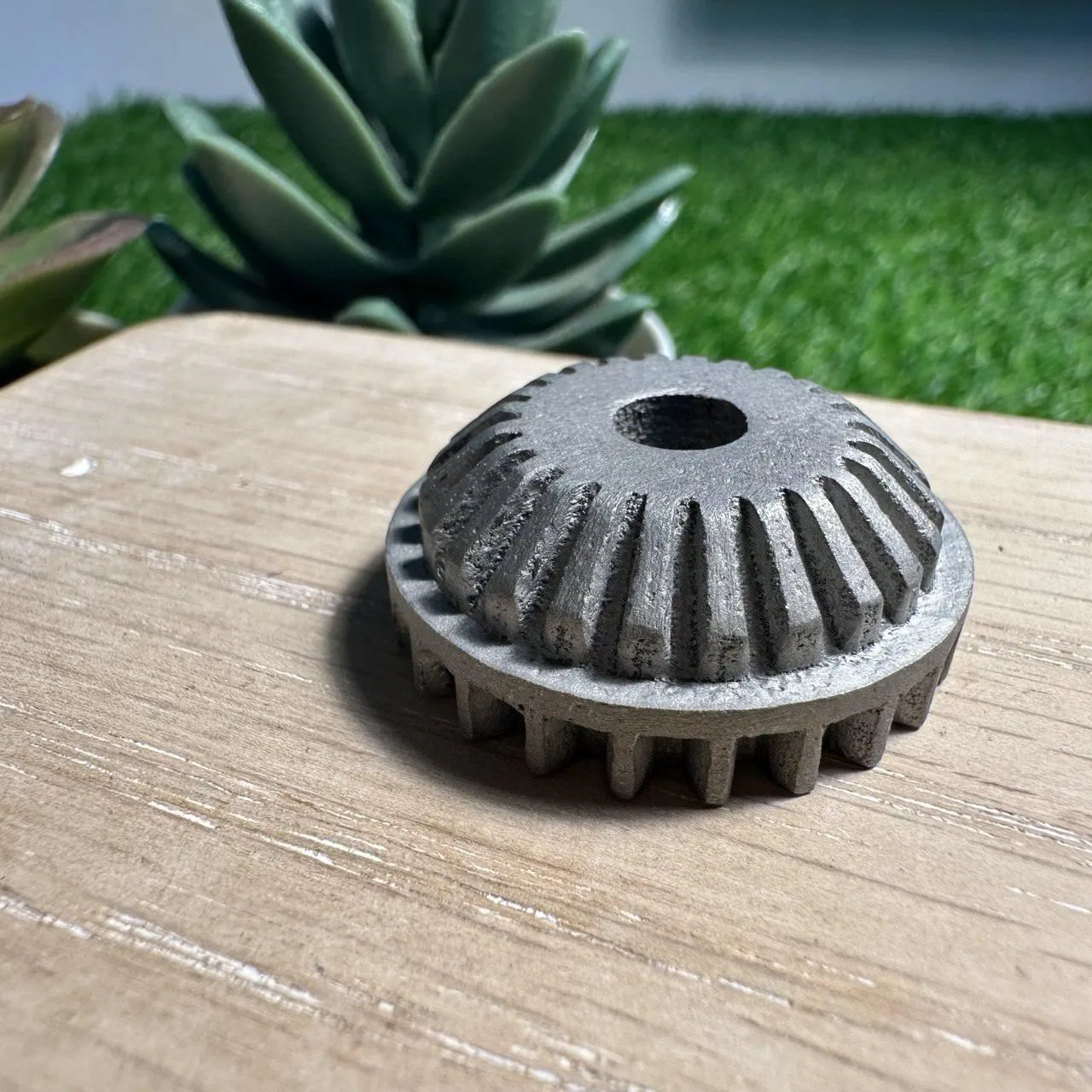

Size and lead time: up to 420 x 420 x 450 mm, 10 to 12 working days
A single metal part can be up to 420 x 420 x 450 mm, in any of the four metals. For anything bigger, send us the file and we look at splitting it or another process.
A normal-size part, about 10 to 15 cm across, takes about 10 to 12 working days. That is a rough guide: bigger parts, and extra work such as machined faces or polishing, take longer, so check with us when you have a deadline. Our lead time guide compares every process.
Metal or not: rule out plastic and machining first
Metal printing is the right call when a part needs metal’s strength or heat resistance and a shape that is hard to cut: internal channels, lattices, or several parts merged into one. For a simple solid part, CNC machining is often the better route, and our metal 3D printing vs CNC guide shows how to tell. If it only has to look like metal, a plated or painted print gets there for far less.
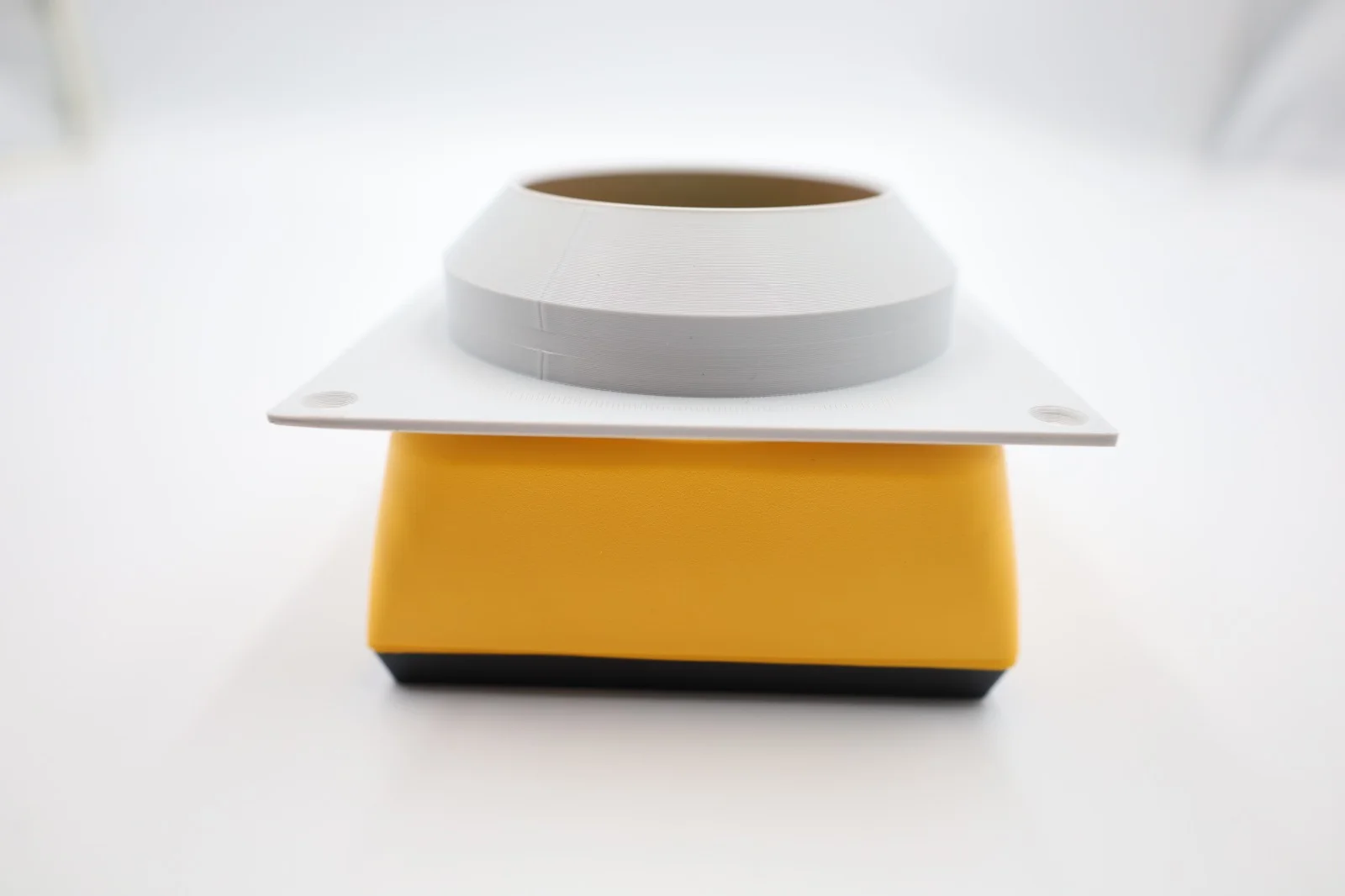
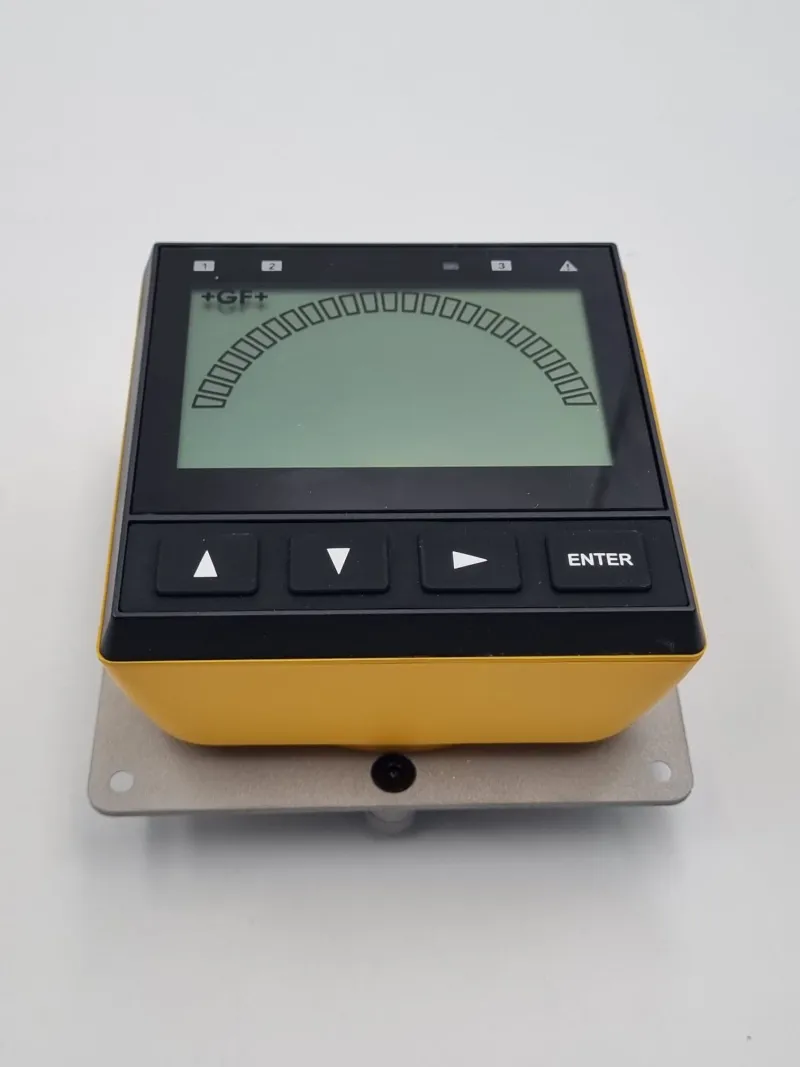
Before committing to metal, prove the fit with a plastic print, as we did for this flow meter mount:
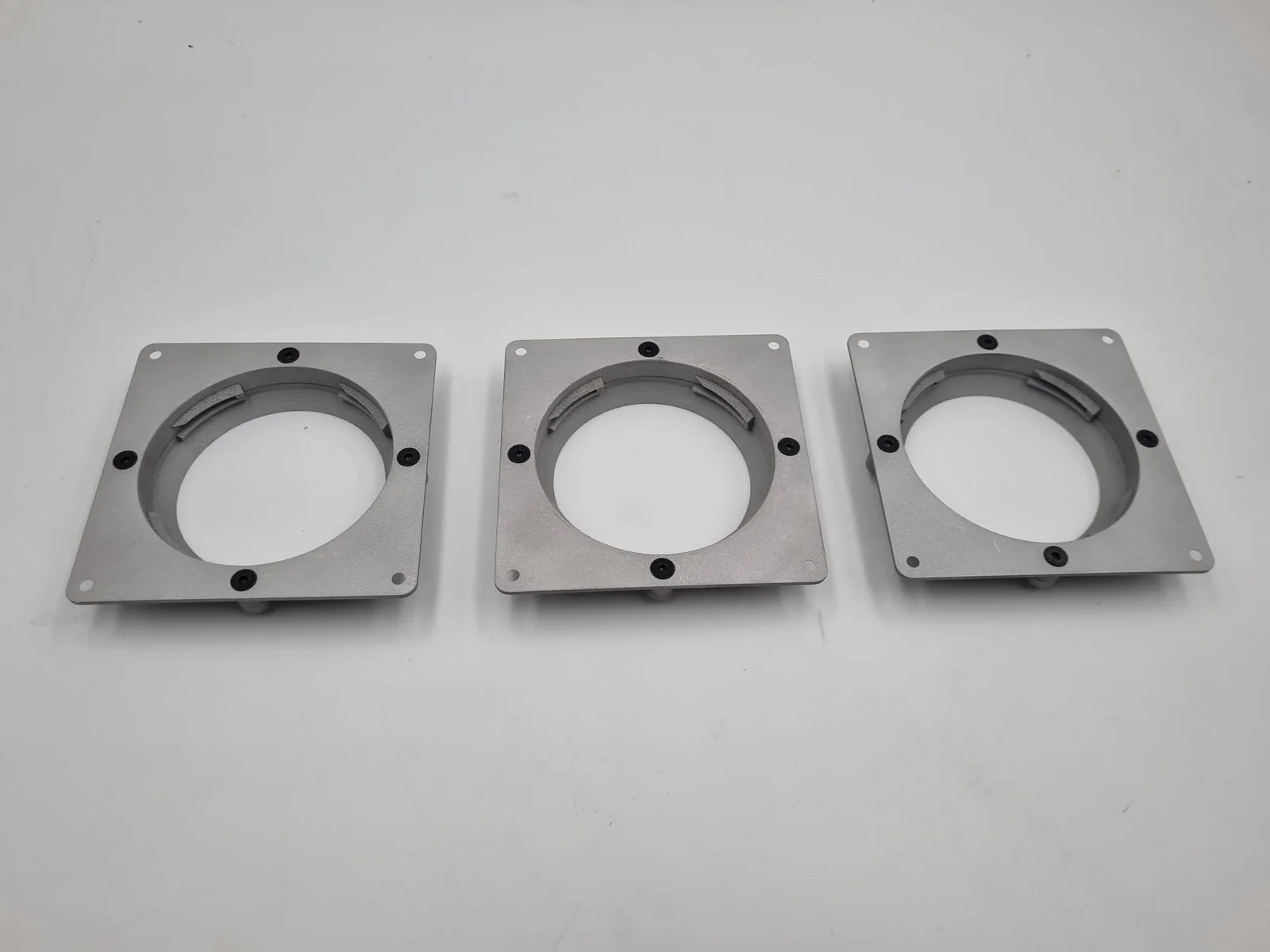
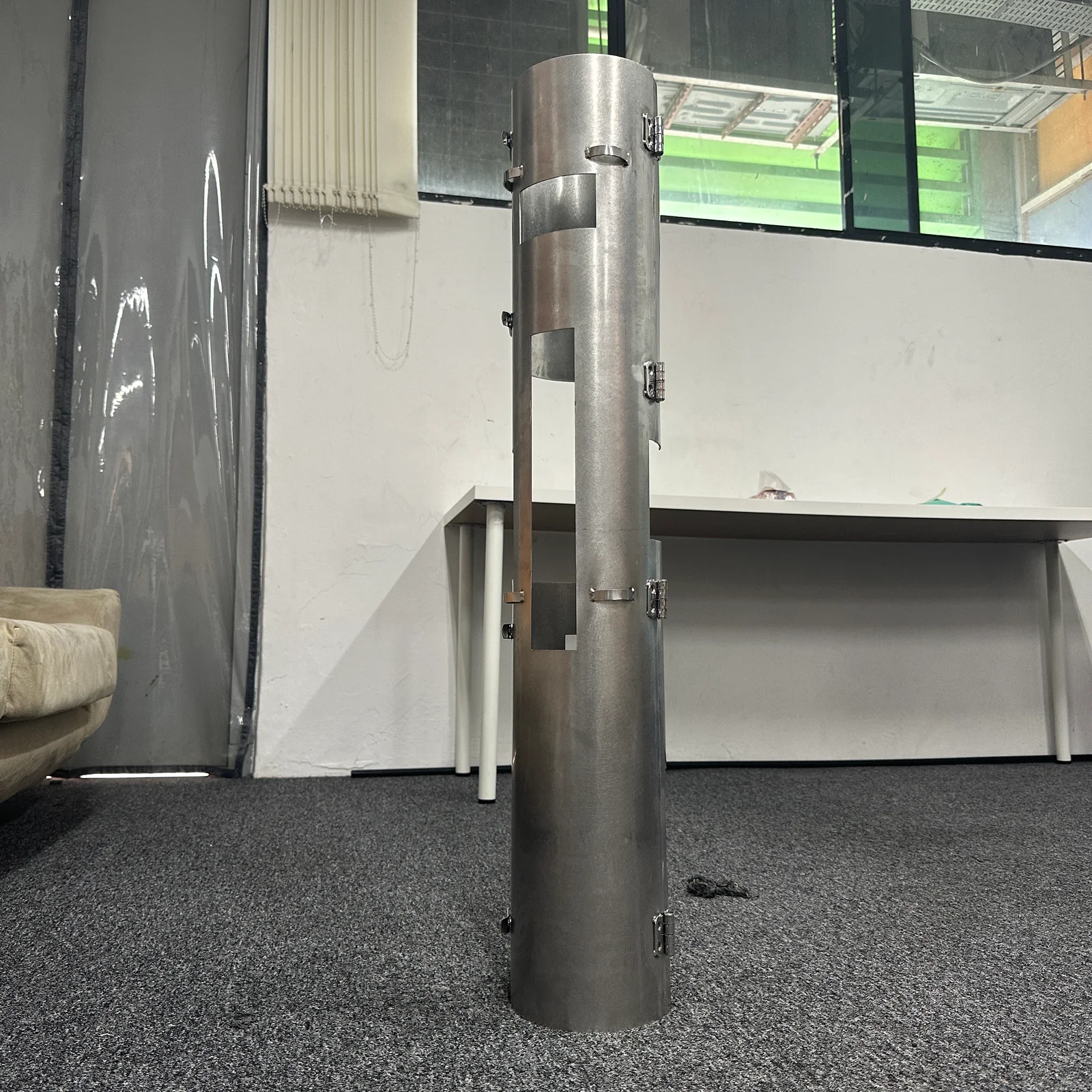
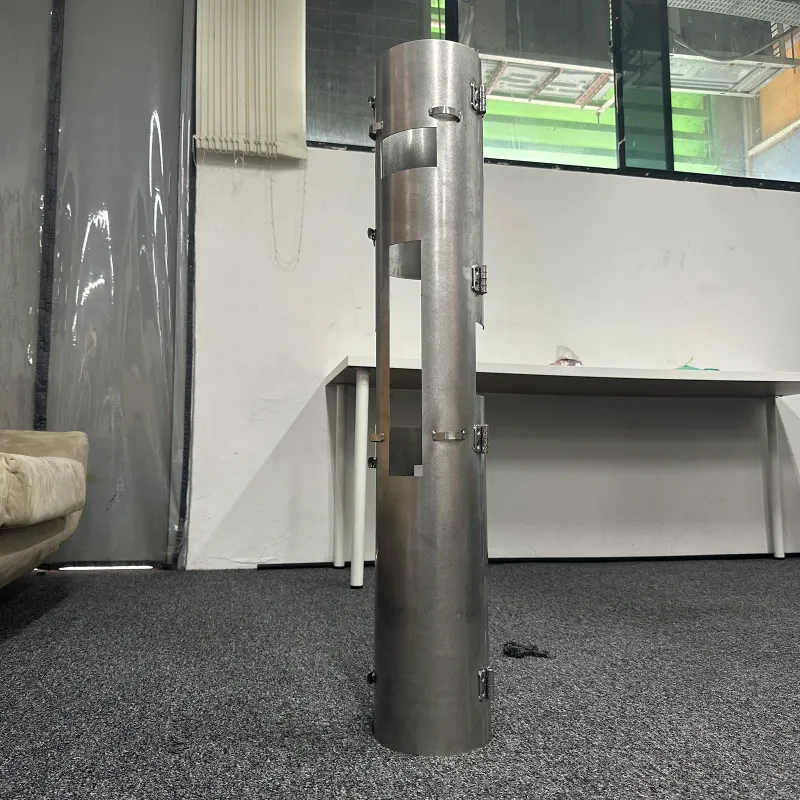
And a plain shell may not need printing at all. This stainless steel housing was cut and rolled from sheet, which suits a simple cylinder better than a print:
Other alloys: ask us
These four cover most metal parts. If your drawing names another alloy or standard, tell us what it is and what the part has to do, and we confirm whether we can print it.
Frequently asked
Which is the strongest metal to 3D print?
17-4PH stainless steel is the strongest of the four common 3D printing metals on paper, at about 1,120 to 1,300 MPa pull strength on its maker's heat-treated test bars. Titanium (Ti6Al4V) reaches about 1,020 to 1,065 MPa on the maker's heat-treated bars and weighs just over half as much, so for its weight titanium is the strongest by a long way. We supply parts as printed, without heat treatment, so those two are upper limits. As printed, 316L stainless steel reaches about 590 to 710 MPa and AlSi10Mg aluminium about 390 to 440 MPa.
Is 3D printed titanium better than stainless steel?
3D printed titanium is better than stainless steel when weight matters. It is about 45% lighter than 316L stainless steel (4.4 against 8.0 g/cm³) and stronger, which is why it goes into aircraft, motorsport and medical parts. Stainless steel is the plainer choice when weight does not matter, and 316L stretches much further before it breaks. Tell us what the part does and we suggest one.
Is 3D printed aluminium strong enough?
3D printed aluminium is strong enough for most brackets, housings, mounts and heat sinks. AlSi10Mg reaches about 390 to 440 MPa pull strength as printed, at about a third of the weight of steel. It is the weakest of the four and stretches only 4 to 10% before it breaks, so a part that takes heavy or shock loads belongs in steel or titanium.
Does 3D printed stainless steel rust?
3D printed 316L stainless steel resists rust well, and its maker lists marine parts, cutlery and surgical tools among its uses. 17-4PH resists rust well too, and is listed for food processing and chemical plant. Tell us what the part will touch, such as sea water, cleaning chemicals or food, and we check the alloy against it.
How accurate is a metal 3D print?
A metal 3D print holds about ±0.2 mm as printed up to 50 mm, then ±0.4% of the length, which suits brackets and housings. For a face that must fit, such as a bearing seat, a sealing face or a bore, leave 0.5 mm of extra metal in the design and we machine it to size after printing.
How big can a metal 3D print be?
A single metal 3D print can be up to 420 x 420 x 450 mm, in any of the four metals. For a bigger part, send us the file and we look at how to split it or whether another process suits it better.
How long does metal 3D printing take?
Metal 3D printing takes about 10 to 12 working days for a normal-size part, about 10 to 15 cm across. Treat it as a rough guide: bigger parts, and extra work such as machined faces or polishing, take longer, so check with us when you have a deadline.
Can you print a metal that isn't on this list?
A metal that is not on this list may still be printable, so ask us and we confirm. Tell us the alloy or the standard you need and what the part has to do. The four on this page, 316L and 17-4PH stainless steel, AlSi10Mg aluminium and Ti6Al4V titanium, are the ones we print most.
Related
-
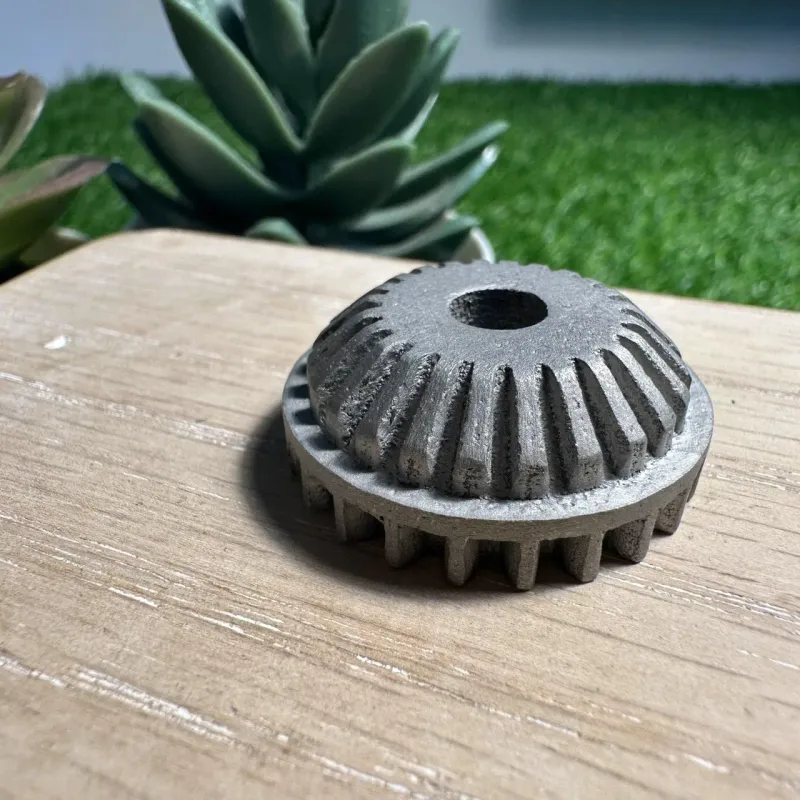 GuideMetal 3D printing or CNC machining: which does your part need?
 -
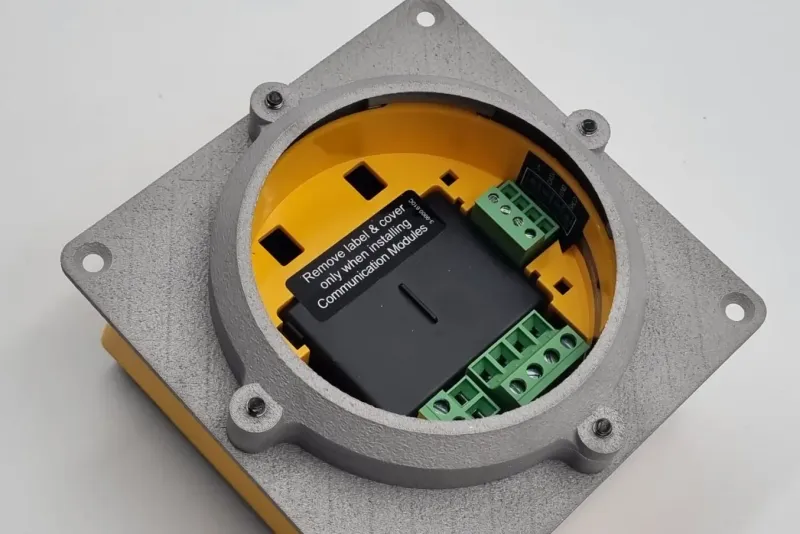 GuideWhich metal 3D printing defects can you fix in the design?
 -
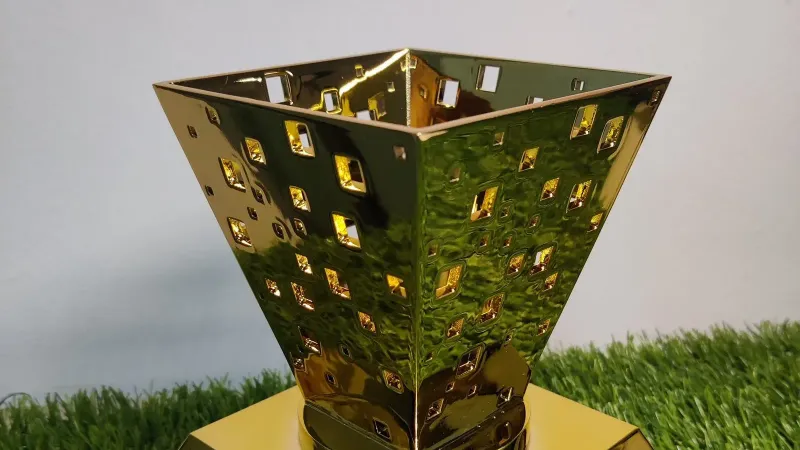 GuideHow do you get a real metal finish on a 3D print?
 -
 ServiceMetal 3D Printing
 -
 ServiceCNC Machining
 -
 ServiceProduct Development & Prototyping
 -
 ProjectFlow Meter Panel Mount
 -
 ProjectCustom Stainless Steel Housing