
Laser engraving or laser marking: which does your item need?
On this page
- Engraving, marking and etching at a glance
- Laser engraving: the laser cuts into the surface
- Laser marking: the colour changes, the surface stays smooth
- Laser etching: usually a shallow engrave
- Which one does your item need: decide by how it will be used
- Cutting metal: engraved here, cut through our sheet metal service
- Sending your job: the item, the artwork and the quantity
- Frequently asked
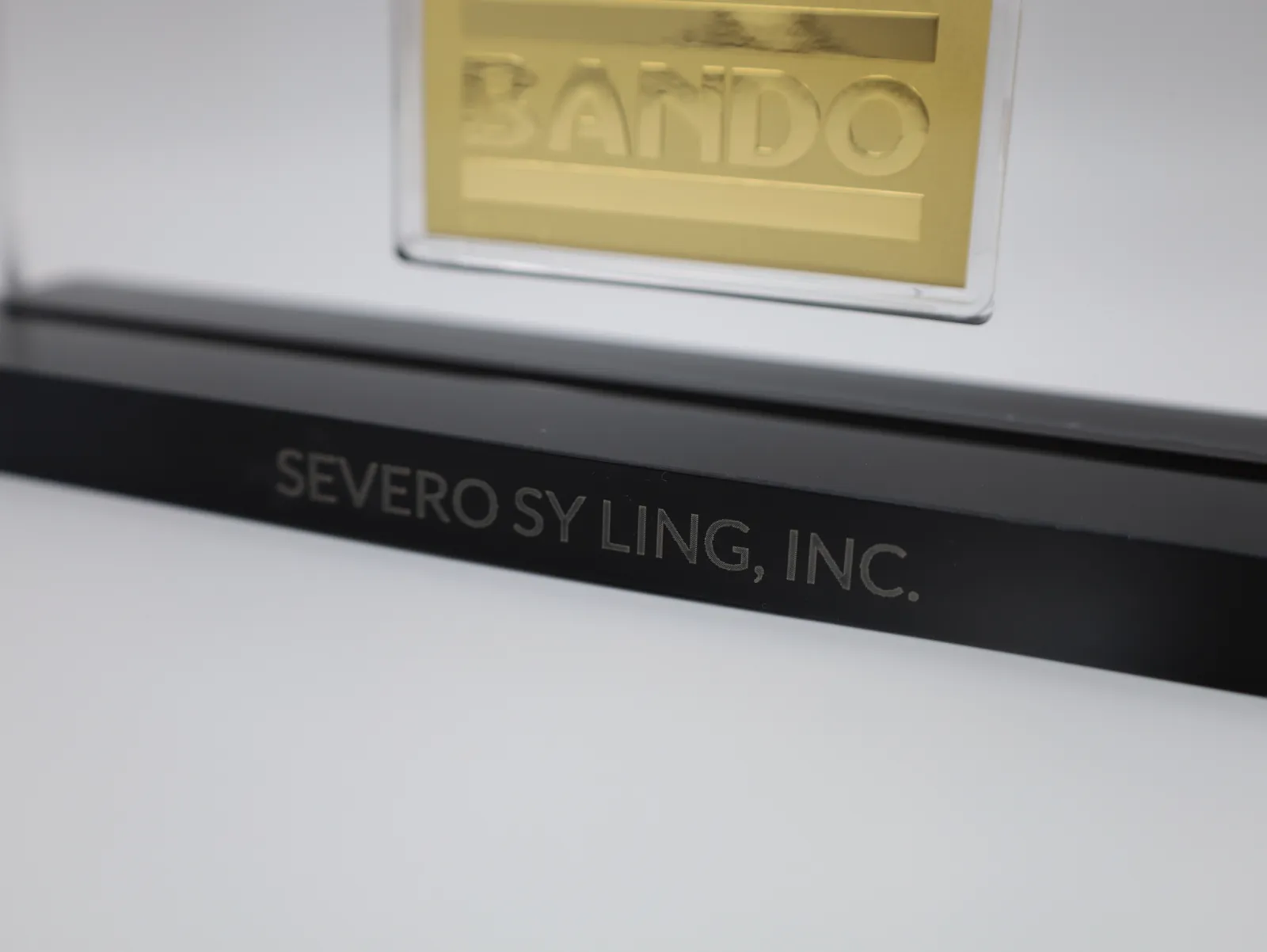
Laser engraving removes material, so the mark has depth you can feel; laser marking changes the colour of the surface without cutting into it, so the face stays smooth. Gifts, awards and signs are usually engraved, while metal parts that need a logo, part number or serial number are usually marked.
We do both in-house at our studio in Singapore. Our laser engraving service in Singapore covers drinkware, metal, acrylic, wood and leather, and we laser mark stainless steel and aluminium parts.
Engraving, marking and etching at a glance
| Method | What it does to the surface | Best for |
|---|---|---|
| Laser engraving | Removes a thin layer, leaving a mark you can feel with a fingertip | Gifts, awards, plaques, signs and anything that must survive heavy wear |
| Laser marking | Changes the colour of the surface with heat, with no depth and no cut | Logos, part numbers, serial numbers and labels on stainless steel and aluminium parts |
| Laser etching | Only just breaks the top of the surface, a very shallow kind of engraving | Fine text and light marks where depth does not matter |
| Coating removal | Burns away a paint or powder coat to show the bare metal underneath | Names and logos on coloured tumblers, bottles and flasks |
Not sure which your item needs? Send us a photo and we will tell you.
Laser engraving: the laser cuts into the surface
When a laser engraves, it vaporises a thin layer of the material, so the design sits a little below the surface. Run a finger over it and you can feel the edge. Because the mark is part of the material, it cannot peel, fade or wash off.
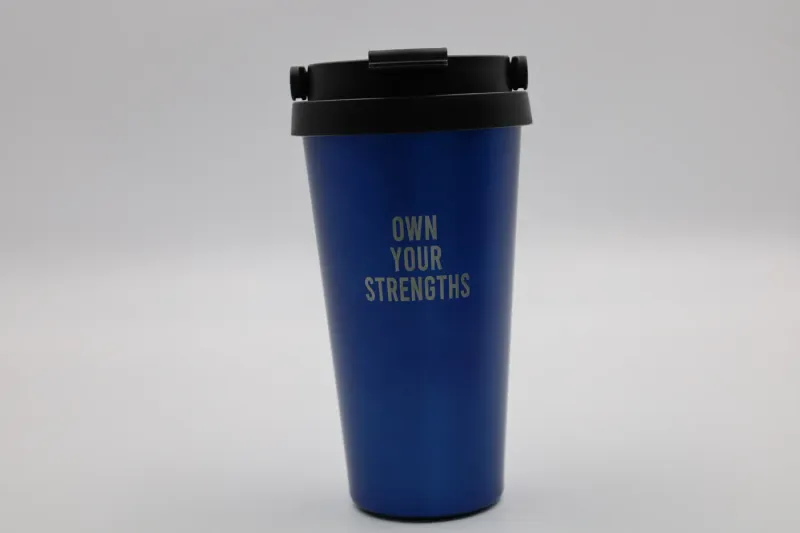
What the engraving looks like depends on the material, not the laser. Clear acrylic turns frosted white. Wood turns a darker brown. On a coated tumbler, the laser burns through the colour layer and the bare steel shows through, which is why a name reads bright silver on blue or black.

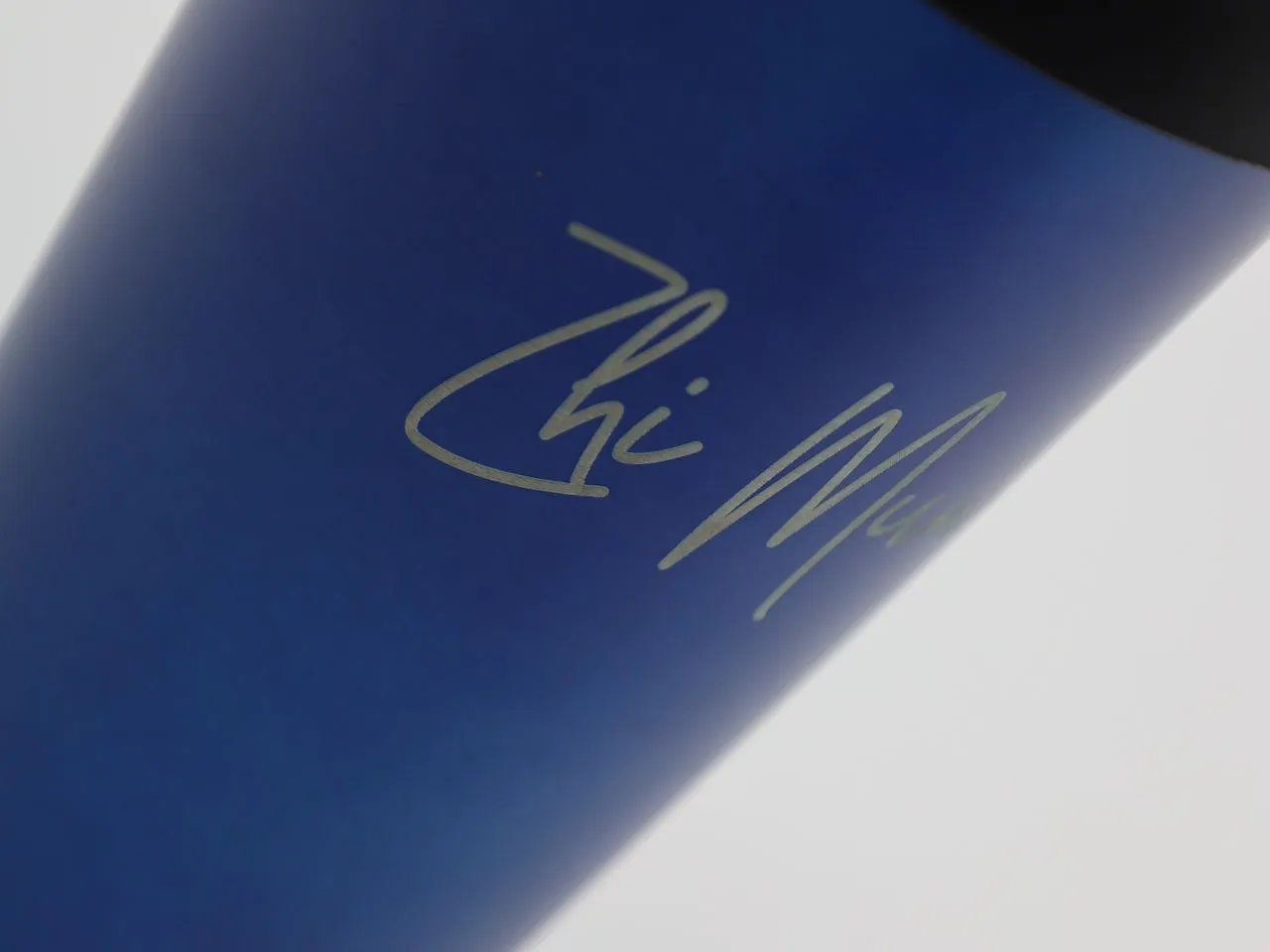
Engraving is the right call when the item gets handled every day, or when you want a mark with some depth, such as a name on an award base. Our guide to what laser engraving is shows how it looks on every material we engrave.
Laser marking: the colour changes, the surface stays smooth
Laser marking heats the metal just enough to change its colour, without cutting any of it away. On stainless steel, the heat changes the thin layer at the surface so it turns dark. The result is a crisp mark with strong contrast that sits flush with the part.
That matters on working parts. A part number on a bracket, a serial number on a housing or a logo on a product should not leave a groove where dirt collects or a sealing face is lost. A marked part can still be cleaned, handled and used outdoors, and the mark stays readable.
We laser mark logos, part numbers, serial numbers and labels on stainless steel and aluminium parts. For a run of serial numbers, each part gets its own number from your list.
Laser etching: usually a shallow engrave
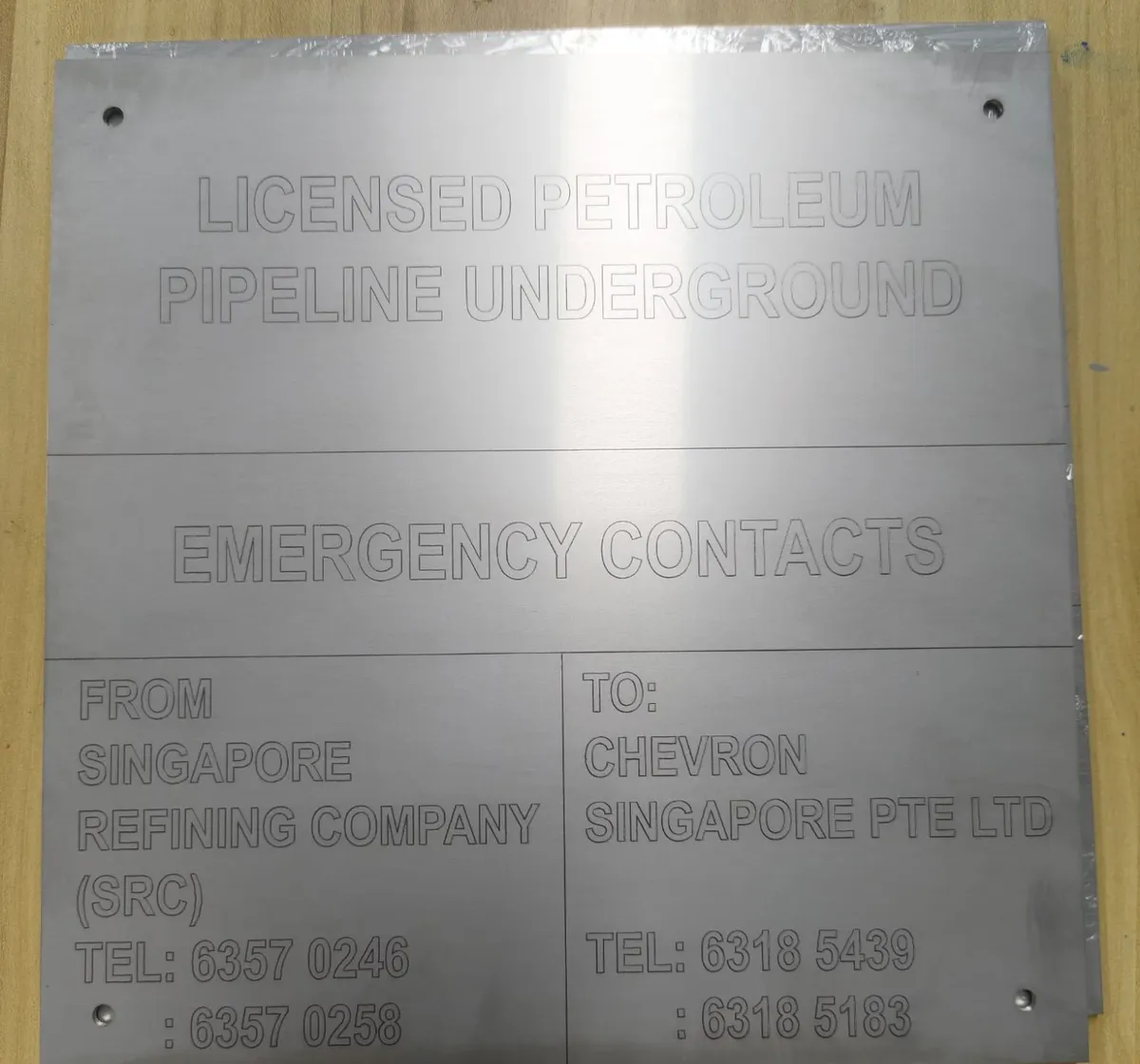
Laser etching is the word that causes the most confusion. In practice it usually means a very shallow engrave: the laser only just breaks the top of the surface, so the mark is fine and has almost no depth. Many people use etching and engraving for the same thing, and some use etching to mean marking.
So the word alone does not tell us what you need. Tell us the item and the look you want, a light mark or one you can feel, and we pick the right setting.
Which one does your item need: decide by how it will be used
- A gift, award or plaque: engraving. It looks and feels like a crafted piece, and it lasts.
- Drinkware with a name or logo: engraving through the coating, so the bare metal shows.
- A metal part with a part number or serial number: marking. The face stays smooth and flat.
- A label on a product that must look as if it came from the factory: marking, for a clean, flush finish.
- A logo in its real colours: neither. A laser makes a mark in one tone, so full colour needs UV printing.
Buying one personal gift? Our engraving shop engraves a bottle, a keychain or a steel luggage tag with your photo drawn as line art, and you see it before you pay. For a batch for staff or clients, see corporate gifts.
Cutting metal: engraved here, cut through our sheet metal service
Our laser engraves and marks metal, but it does not cut it. Metal plate is laser cut through our sheet metal service, up to 60 mm in stainless or mild steel, 40 mm in aluminium and 15 mm in brass or copper. It can then be bent into brackets, trays and enclosures, and marked with a part number in the same job.
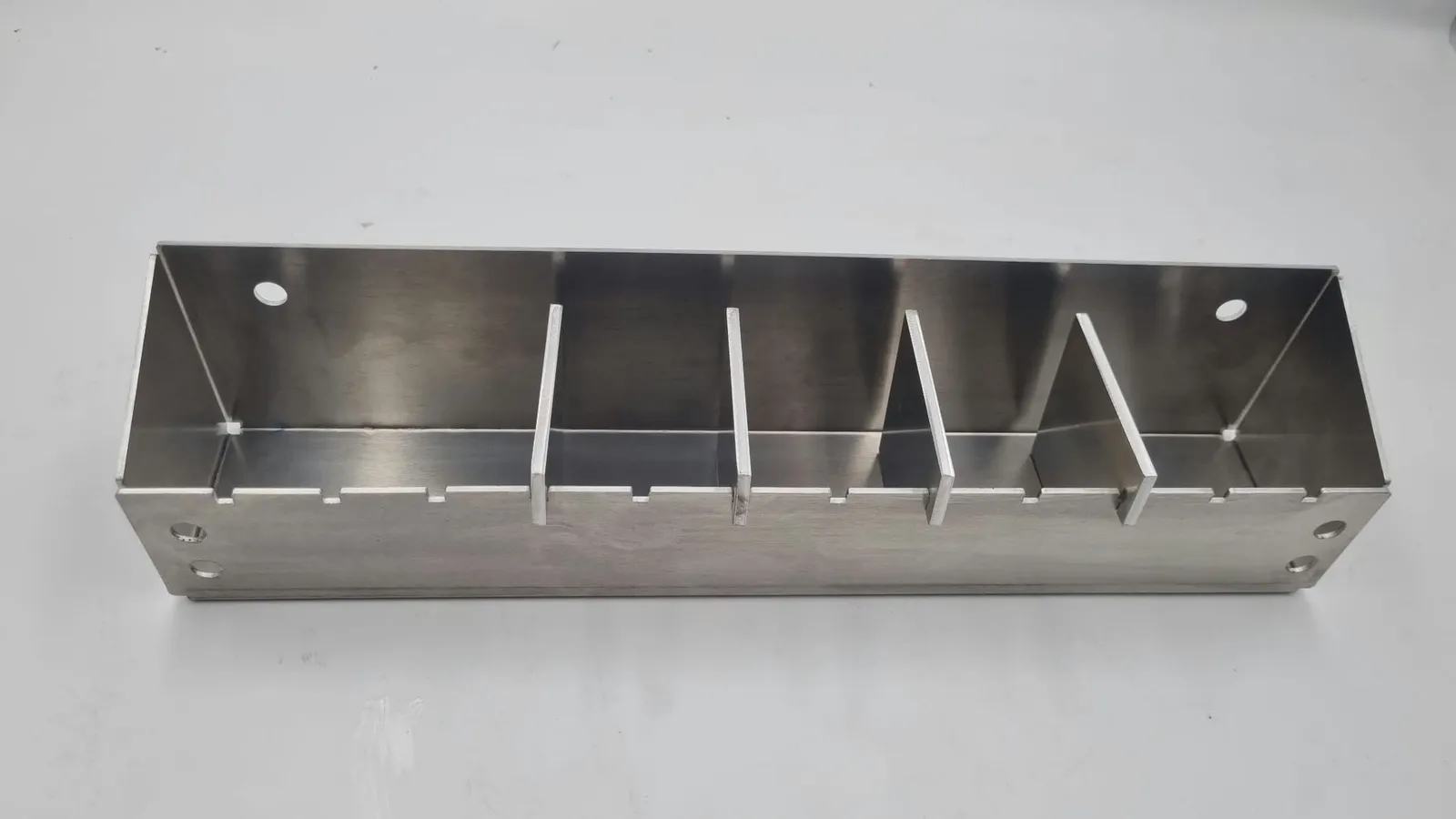
Our guide to sheet metal materials compares the metals we cut.
Sending your job: the item, the artwork and the quantity
- The item: a photo, the make and model, or a drawing of the part, with where the mark goes.
- The artwork: a vector file (SVG, AI, PDF or DXF) with text turned into outlines. Our guide to laser file types shows how to set one up.
- For numbers or names: a spreadsheet list, one per line, spelled exactly as it should appear.
We check every job before the laser runs and send a proof, so you see the mark before it goes on.
Frequently asked
What is the difference between laser engraving and laser marking?
Laser engraving removes material, so the mark sits below the surface and you can feel it; laser marking changes the colour of the surface without cutting into it. Engraving suits gifts, awards and anything that needs depth. Marking suits metal parts that must keep a smooth, flat face, such as a part number on a stainless steel bracket.
Is laser etching the same as laser engraving?
Laser etching is usually used to mean a very shallow laser engraving, and many people use the two words for the same thing. The laser only just breaks the top of the surface, so the mark is fine and barely raised or sunk. If you ask us for etching, we check the item and the look you want, then recommend a light engrave or a mark.
Can you laser mark stainless steel parts in Singapore?
Yes, we laser mark stainless steel and aluminium parts in Singapore, in-house. We mark logos, part numbers, serial numbers and labels, and the surface stays smooth because nothing is cut away. Send the part or a drawing and the mark you need, and we confirm what suits it.
Which lasts longer, laser engraving or laser marking?
Both are permanent in normal use, but engraving lasts longest under heavy wear because the mark has depth. A laser mark survives handling, washing and outdoor use. It only goes if the surface itself is ground, sanded or polished away, which would also take most of a shallow engraving with it.
Can you laser cut metal as well?
Our laser engraves and marks metal but does not cut it. Metal plate is laser cut through our sheet metal service, up to 60 mm in stainless or mild steel, 40 mm in aluminium and 15 mm in brass or copper, and it can be bent and marked in the same job.
Can you engrave a personal gift for me?
Yes, our engraving shop engraves one gift at a time: a bottle, a keychain or a steel luggage tag. Upload a photo, see it drawn as line art on the item before you pay, then we engrave it at our studio. For a batch of corporate gifts, send us the list and the item instead.
What should I send for a laser marking job?
Send the part itself or a drawing, the mark as a vector file, and where it goes on the part. For serial numbers, send the list in a spreadsheet, one number per line, in the order the parts should carry them. We check the size and position before anything is marked.
Related
-
 GuideWhat is laser engraving, and what can it mark?
-
 GuideWhat can be laser cut, and which material suits your job?
-
 GuideWhat file format do laser cutters use for cutting and engraving?
-
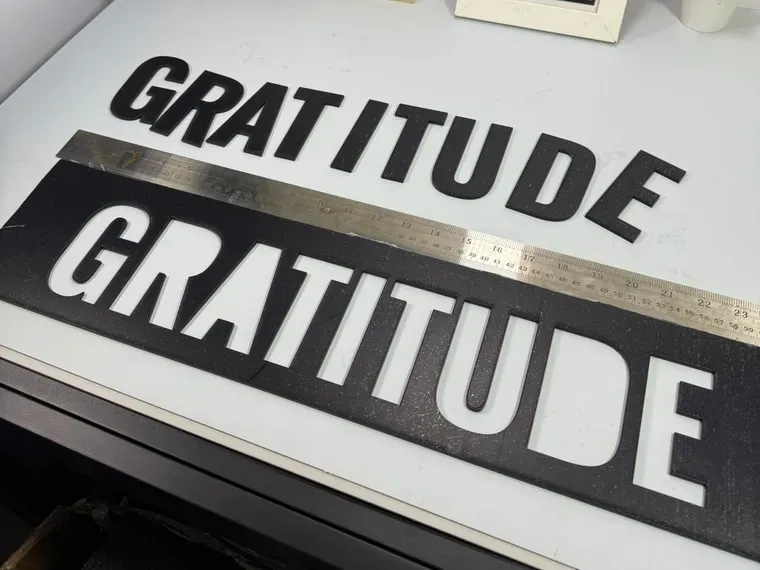 ServiceLaser Engraving & Cutting
-
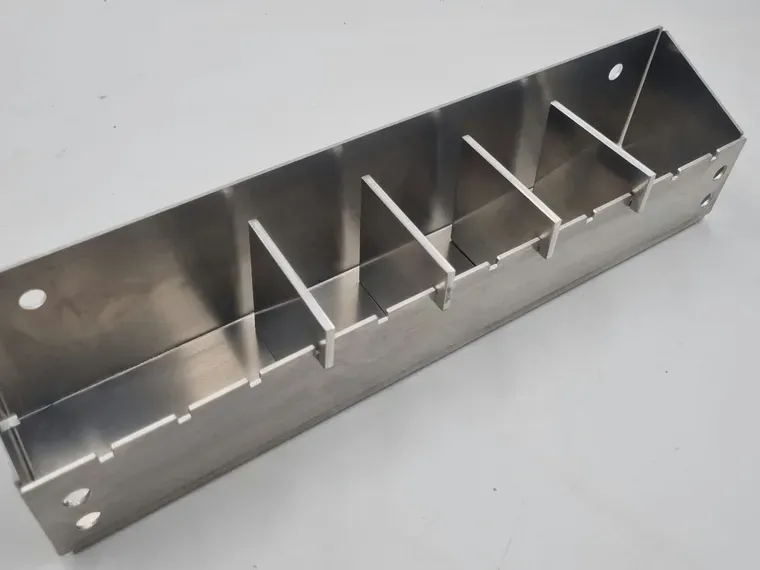 ServiceSheet Metal Fabrication and Bending in Singapore
-
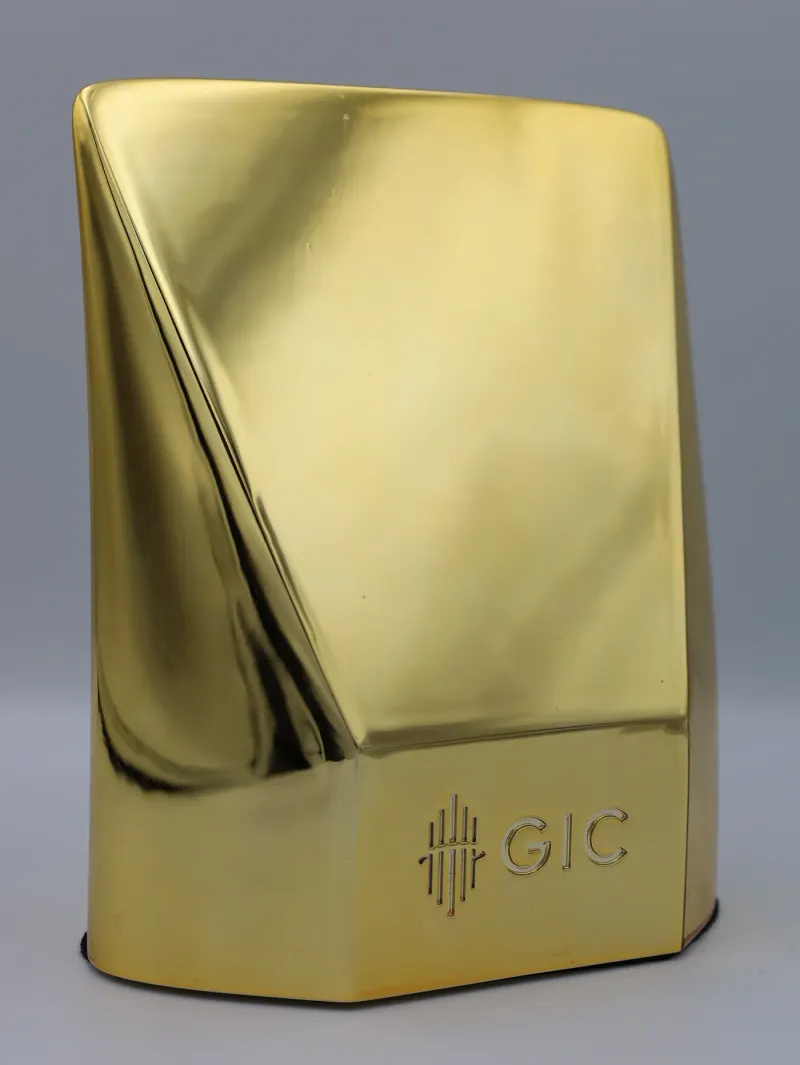 ServiceCustomised Corporate Gifts
-
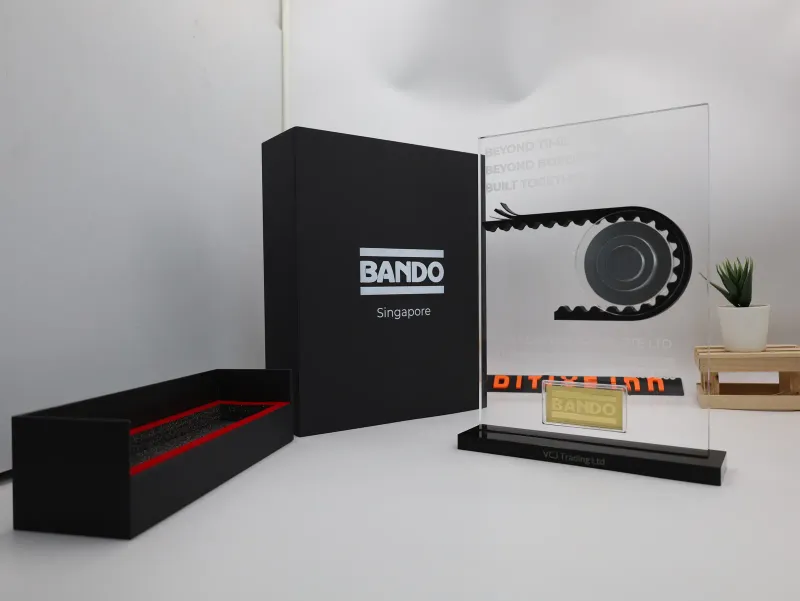 Project45th anniversary awards for Bando
-
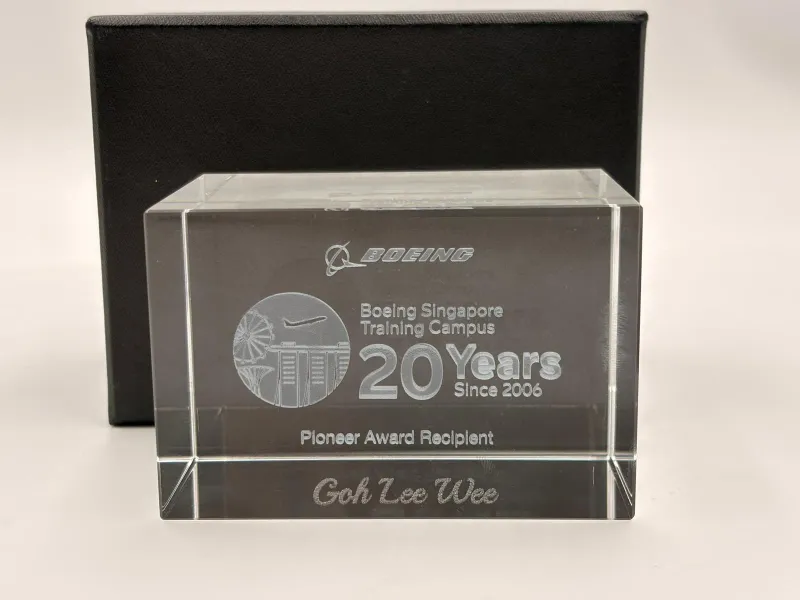 ProjectCrystal award block engraving for Boeing