

Which metal should your sheet metal or laser cut part be made in?
On this page
- Sheet metal materials at a glance: six metals compared
- Stainless steel 304 or 316: pick 316 only for salt and chemicals
- Mild steel: the strong, low-cost choice that needs a coating
- Aluminium: the light choice that does not rust
- Brass and copper: for looks, electricity and heat
- Thick plate or thin sheet: plate stays flat, sheet is bent
- Sizes, bend limits and finishes: send the drawing and we confirm
- Not sheet or plate: machine it, print it or engrave it
- Frequently asked
Choose stainless steel 304 for parts that must not rust, 316 for salt water and chemicals, mild steel for low-cost parts that will be painted, and aluminium for light parts. Brass and copper are for looks, electricity and heat, and we laser cut plate up to 60 mm thick in steel, 40 mm in aluminium and 15 mm in brass or copper.
Sheet metal materials at a glance: six metals compared
| Metal | What it is like | Best for | Laser cut up to |
|---|---|---|---|
| Stainless steel 304 | Does not rust in normal use, bright finish | Housings, kitchen and outdoor parts | 60 mm |
| Stainless steel 316 | Like 304, but better against salt and chemicals | Seaside, pool and lab parts | 60 mm |
| Mild steel | Strong and the lowest cost, but rusts if left bare | Painted brackets, frames and base plates | 60 mm |
| Aluminium | Much lighter than steel, does not rust | Covers, trays, panels and light brackets | 40 mm |
| Brass | Warm gold colour, soft, darkens over time | Name plates, trims and decorative parts | 15 mm |
| Copper | Carries electricity and heat best, soft | Electrical bars, earthing and heat spreaders | 15 mm |
The thickness is the most we laser cut in one pass. A thin sheet that will be bent has its own limits, so we confirm those from your drawing.
Stainless steel 304 or 316: pick 316 only for salt and chemicals
Stainless steel is the choice when a part must stay clean and rust free without a coating. Both grades look the same, cut the same and bend the same.
- 304 is the everyday grade. It suits housings, covers, kitchen fittings and most outdoor parts in Singapore.
- 316 has a little molybdenum added, which helps it resist salt and chemicals. Pick it for parts near the sea, by a pool, or wiped down with strong cleaners.
Stainless steel takes more force to bend than mild steel and springs back a little more, so we allow for that when we set the bends. It welds well, which is how the hinges went onto this stainless steel housing.

Mild steel: the strong, low-cost choice that needs a coating
Mild steel is the cheapest of the six, and it bends and welds easily. That is why most brackets, frames, base plates and machine guards are made in it.
Its one weakness is rust. Bare mild steel rusts quickly in Singapore’s warm, humid air, so plan a finish from the start: a primer, then paint, or another coating we confirm with you. It is also magnetic, which matters for some fixtures and sensors.
Aluminium: the light choice that does not rust
Aluminium weighs much less than steel and forms a thin protective skin, so it resists rust without paint. It suits covers, trays, panels, enclosures and anything carried or mounted overhead.
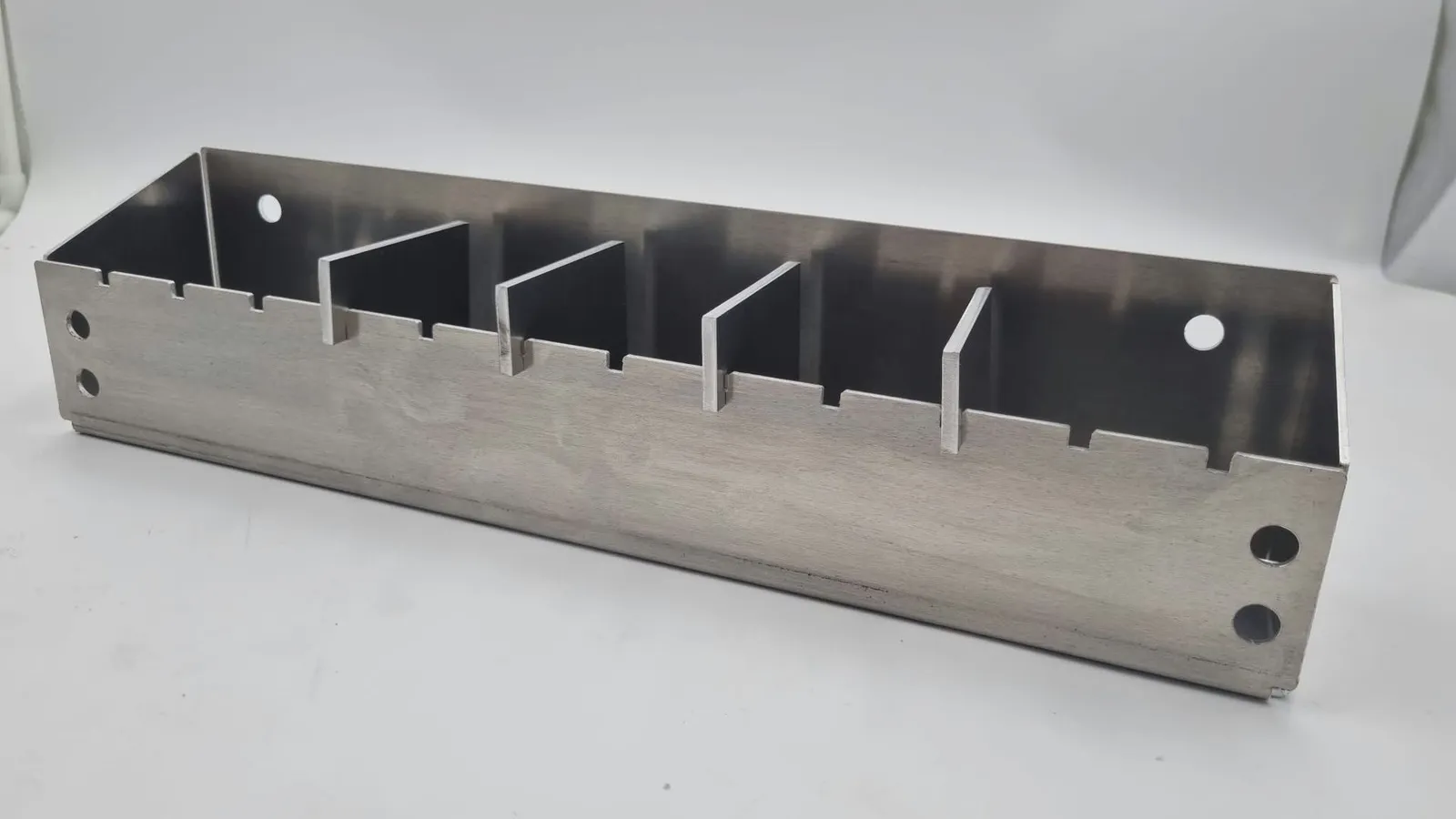
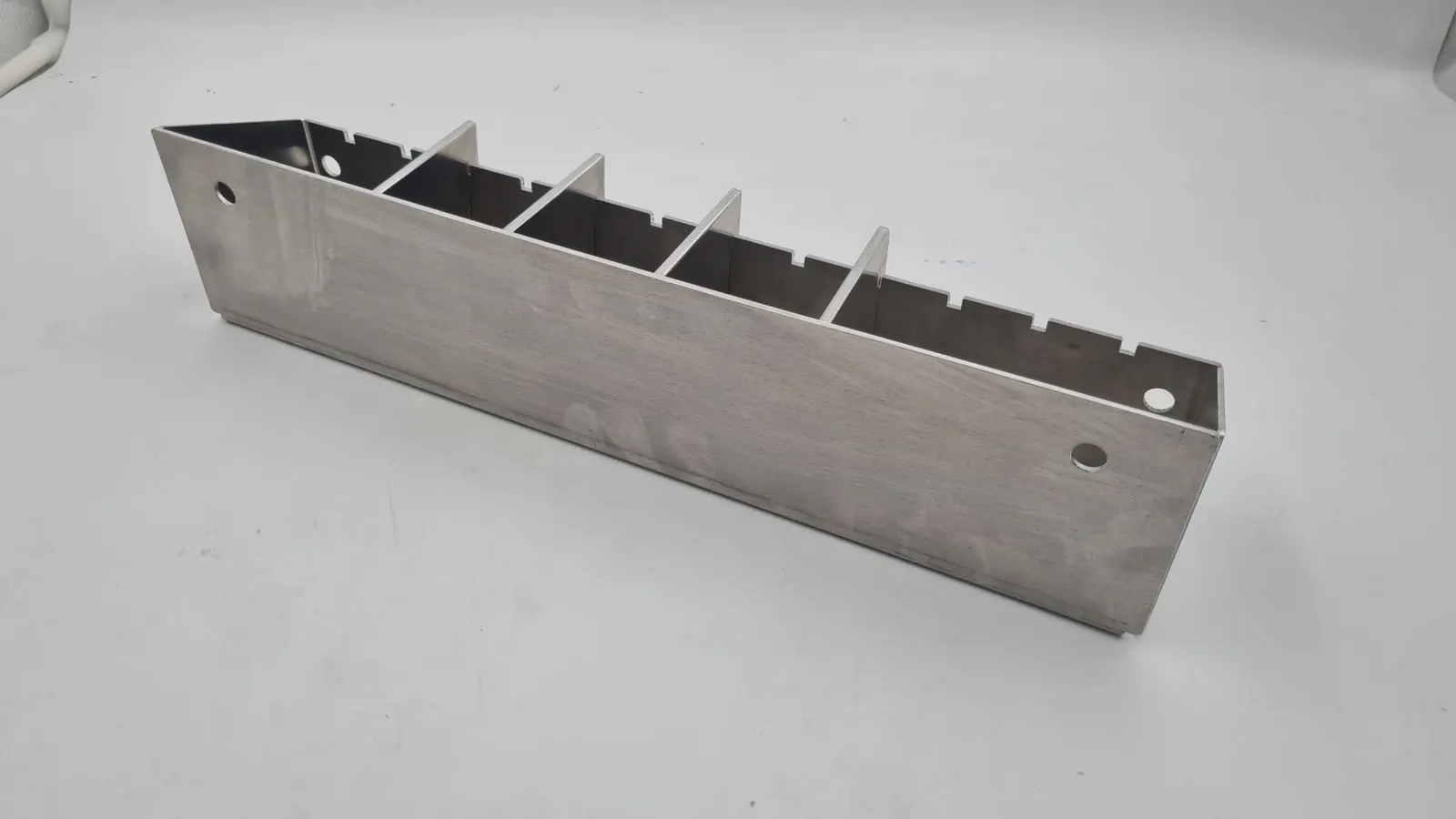
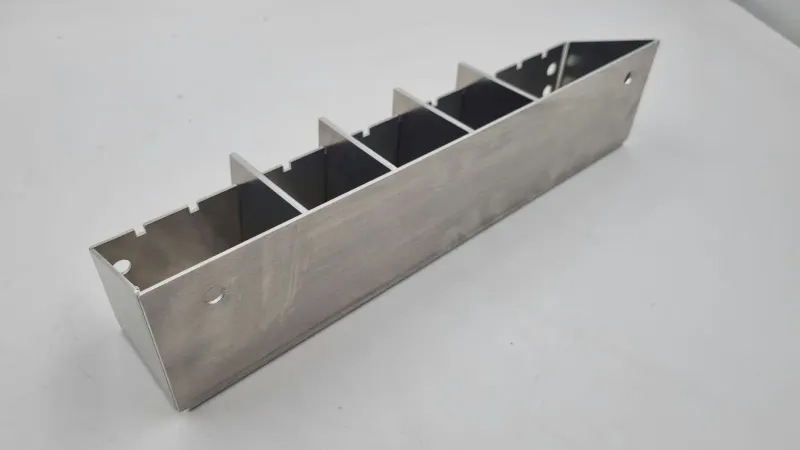
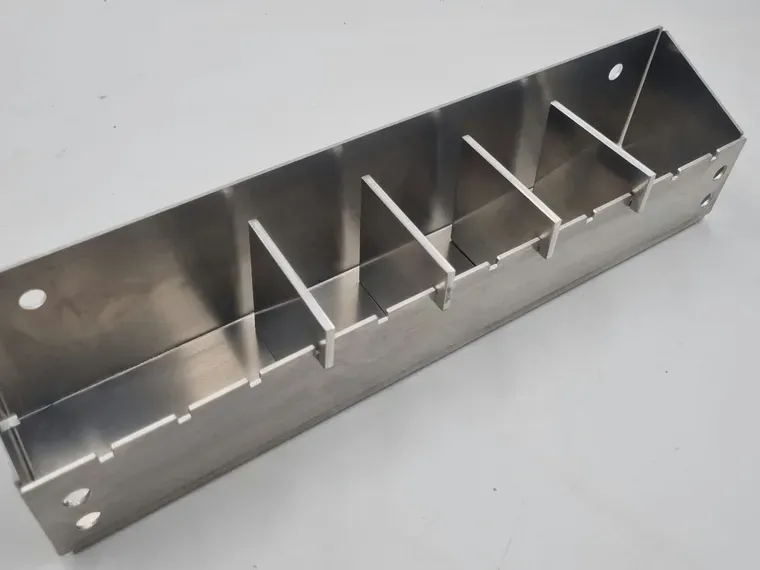
It bends more than steel under the same load, so a part that carries weight may need a thicker sheet. Softer grades such as 5052, which the tray below is made in, bend easily. Some harder grades can crack on a tight bend and need a wider one, so name the grade if your drawing has one. Aluminium can be welded, though it takes more care than steel, so screws, rivets or slots are often simpler. The tray needs none: its dividers slot into notches cut in the sides.
Brass and copper: for looks, electricity and heat
Brass and copper cost the most of the six, so pick them for what only they do.
- Brass has a warm gold colour that suits name plates, trims, signs and decorative parts.
- Copper carries electricity and heat better than any other metal here. It suits electrical bars, earthing parts and heat spreaders.
Both are soft, so they bend easily but scratch and dent easily too. Bare brass and copper darken over time, so ask about a clear coat if the shine must last. Both reflect laser light and carry heat away fast, which is why our laser cutting limit for them is 15 mm rather than 60.
Thick plate or thin sheet: plate stays flat, sheet is bent
Every part starts as a flat shape cut by a laser built for metal. What happens next depends on the thickness.
- Thin sheet is cut, then bent. The outline, holes and slots are cut while the sheet is flat, then a press brake folds it into a bracket, tray or enclosure. Our guide to sheet metal bending explains how.
- Thick plate is laser cut and stays flat. Base plates, flanges, gussets, mounting plates and spacers are cut straight from plate up to 60 mm thick in steel. They can be welded or bolted into a frame afterwards.
Where a part crosses from bendable sheet to flat plate depends on the metal, the bend and the size. Send the drawing and we tell you which way it is made.
Sizes, bend limits and finishes: send the drawing and we confirm
The largest part, the thickest sheet we can bend, the tightest bend and the finish all depend on the metal and the shape, so we confirm them for each job. Send a drawing or 3D model (STEP, DXF or PDF) with:
- the metal, and the grade if you know it;
- the thickness and the overall size;
- the quantity;
- the finish: bare, primed and painted, or ask us for another;
- the dimensions that must be exact.
A person reads every drawing and replies with a price, plus anything that should change before cutting. Collect the parts from our Bendemeer studio in Singapore, or have them couriered islandwide.
Not sheet or plate: machine it, print it or engrave it
A solid part with thick sections or precise pockets is better machined on our CNC machines. A small metal part with curves in every direction suits metal 3D printing. For a name or logo on a finished metal part, or for laser cutting acrylic, wood and leather, see our laser cutting and engraving service.
Frequently asked
What is the best metal for a sheet metal part?
The best metal for most sheet metal parts is stainless steel 304 if the part must not rust, mild steel if it will be painted and cost matters most, and aluminium if it must be light. Pick 316 stainless for salt water or chemicals, and brass or copper for looks, electricity or heat. Tell us where the part will live and we suggest one.
Should I choose 304 or 316 stainless steel?
Choose 304 stainless steel for most indoor and outdoor parts, and 316 when the part meets salt water, sea air, pool water or cleaning chemicals. Both resist rust, look the same and are made the same way. 316 resists salt and chemicals better and costs more, so it only pays where they are.
How thick a metal plate can you laser cut?
We laser cut metal plate up to 60 mm thick in stainless steel or mild steel, up to 40 mm in aluminium, and up to 15 mm in brass or copper. Those are the limits of the cut. How large the plate can be, and how thick a sheet can still be bent, depend on the part, so send the drawing and we confirm.
Is aluminium strong enough to replace steel?
Aluminium is strong enough for most covers, trays, panels and light brackets, and it weighs much less than steel. It bends more under the same load, so a part that carries a heavy load may need thicker aluminium or should stay in steel. Tell us what the part holds and we check it.
Does mild steel rust in Singapore?
Mild steel rusts in Singapore if it is left bare, because the air is warm and humid all year. Plan a coating from the start: a primer and then paint, or another finish we confirm when you send the drawing. Stainless steel and aluminium resist rust without one.
Can brass and copper be laser cut and bent?
Brass and copper can be laser cut and bent. We laser cut both up to 15 mm thick. Both are soft and bend easily, though they scratch and dent easily too. Bare brass and copper darken over time, so ask about a clear coat if the shine must last.
Which sheet metal is the cheapest?
Mild steel is usually the cheapest sheet metal, which is why most painted brackets and frames are made in it. Aluminium and 304 stainless steel cost more, 316 stainless more again, and brass and copper the most. The thickness, the number of cuts and bends and the finish move the price as much as the metal, so send the drawing for a real figure.
What finishes can a sheet metal part have?
A sheet metal part can be left bare or primed and painted, and we confirm the right finish for the metal when you send the drawing. Stainless steel and aluminium are often left bare. Mild steel always needs a coating. Tell us the colour, ideally as a Pantone code, and the sheen.
Related
-
 GuideWhat is sheet metal bending, and when should you use it?
-
 GuideStainless steel, aluminium or titanium: which metal to 3D print?
-
 GuideWhat can be laser cut, and which material suits your job?
-
 ServiceSheet Metal Fabrication and Bending in Singapore
-
 ServiceLaser Engraving & Cutting
-
 ServiceCNC Machining
-
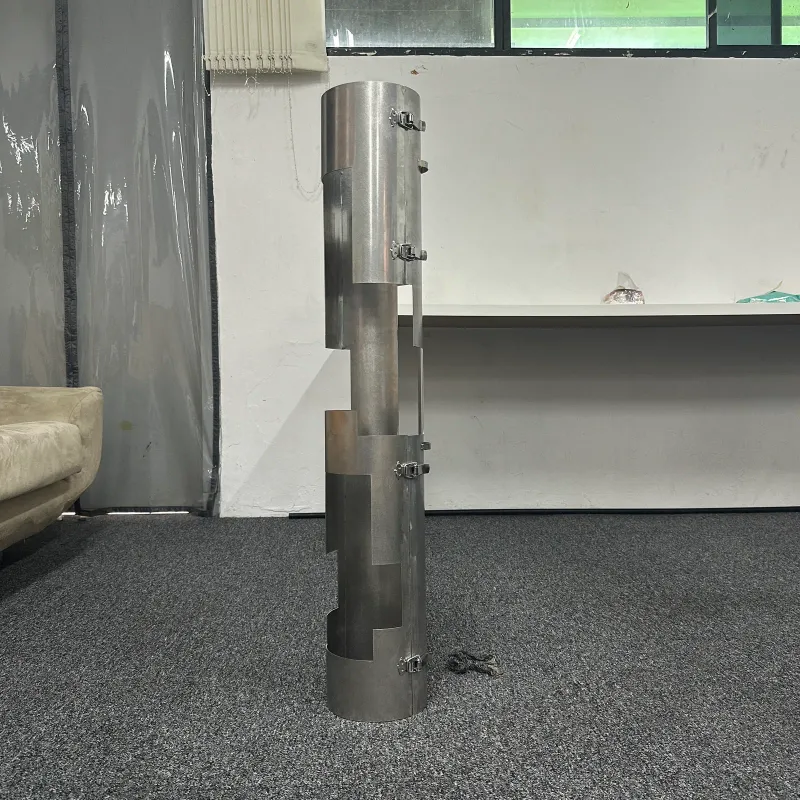 ProjectCustom stainless steel housing for an SAF missile manpack