

What is CNC machining, and when should you use it?
On this page
- CNC machining at a glance: what it makes and how long it takes
- How CNC machining works: a cutter carves the part from solid
- Materials: aluminium, brass, plastics and hardwoods
- Tolerances: down to ±0.05 mm where you mark it
- Cost and time: setups, tight tolerances and deep pockets add the most
- Design tips: round inside corners and shallow pockets
- When to use something else: printing, sheet metal or moulding
- Frequently asked
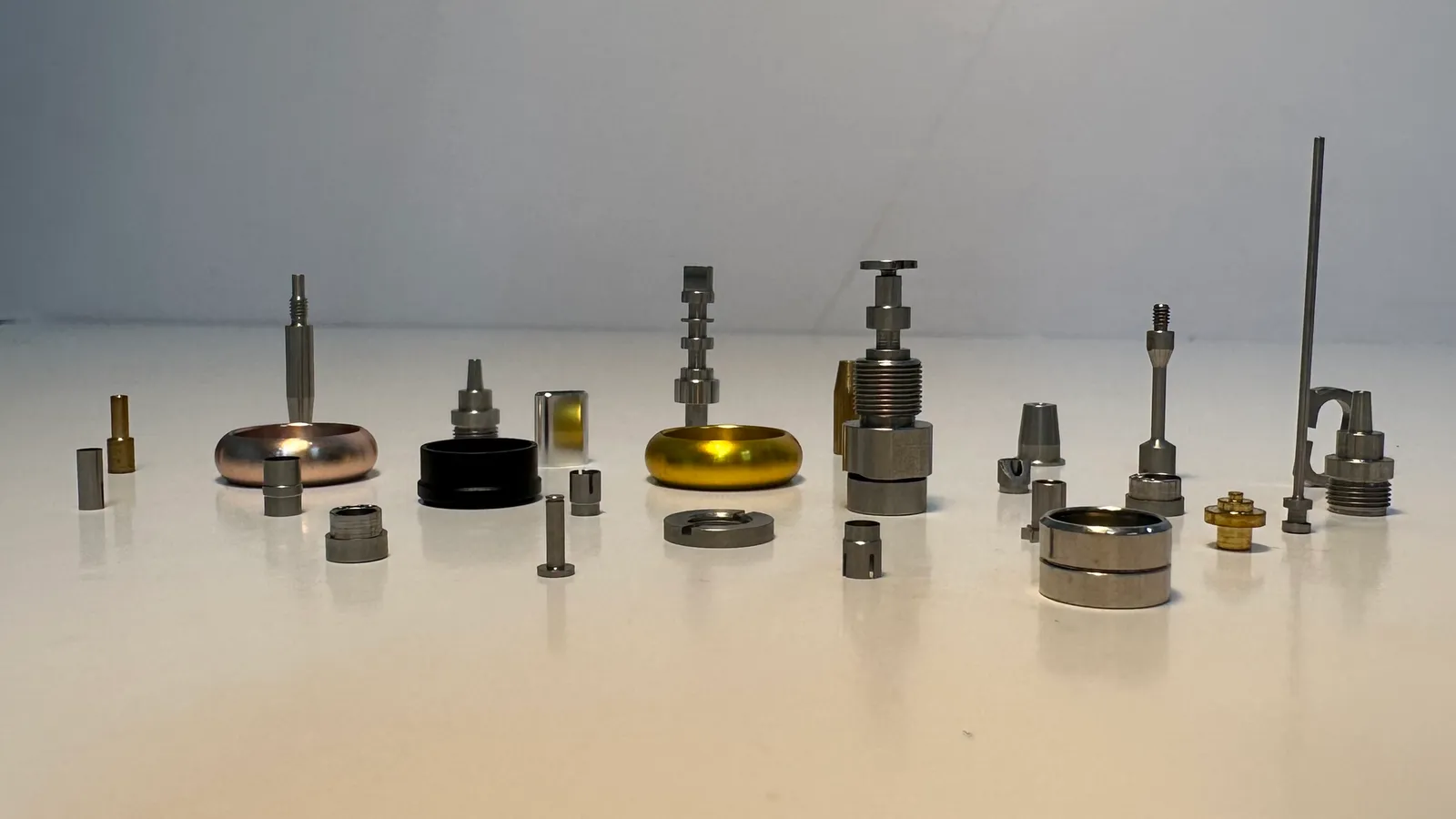
CNC machining makes a part by cutting it out of a solid block of metal, plastic or wood, with spinning tools guided by a computer program. Use it when the part must be solid metal, fit to within a twentieth of a millimetre, or carry a clean machined surface; use 3D printing, sheet metal or moulding when it does not need to be.
CNC machining at a glance: what it makes and how long it takes
| Question | Answer |
|---|---|
| What it does | Cuts the part from a solid block, removing everything that is not the part |
| Materials we machine | Aluminium 6061 and 7075, brass C360, Delrin (POM) and nylon plastics, teak, walnut and oak |
| Largest part | No fixed figure: tell us the size and we confirm |
| How exact it is | Down to ±0.05 mm on the dimensions you mark |
| Lead time, normal-size part | About 5 to 7 working days once the design is confirmed |
| Quantity | 1 to 50 parts, the first one measured before the rest |
| Best for | Metal brackets, fixtures, housings, parts that must fit together, brass hardware, wooden casings |
| Not for | Hollow insides and internal channels, thousands of identical parts, thin enclosures bent from sheet |
Lead time is a rough guide for a part about 10 to 15 cm across. Bigger parts and parts that need many setups take longer, so check with us.
How CNC machining works: a cutter carves the part from solid
CNC stands for computer numerical control. A program written from your 3D file moves the tool, so the tenth part comes out like the first. Machining is the opposite of 3D printing: printing builds a part up, machining cuts it away.
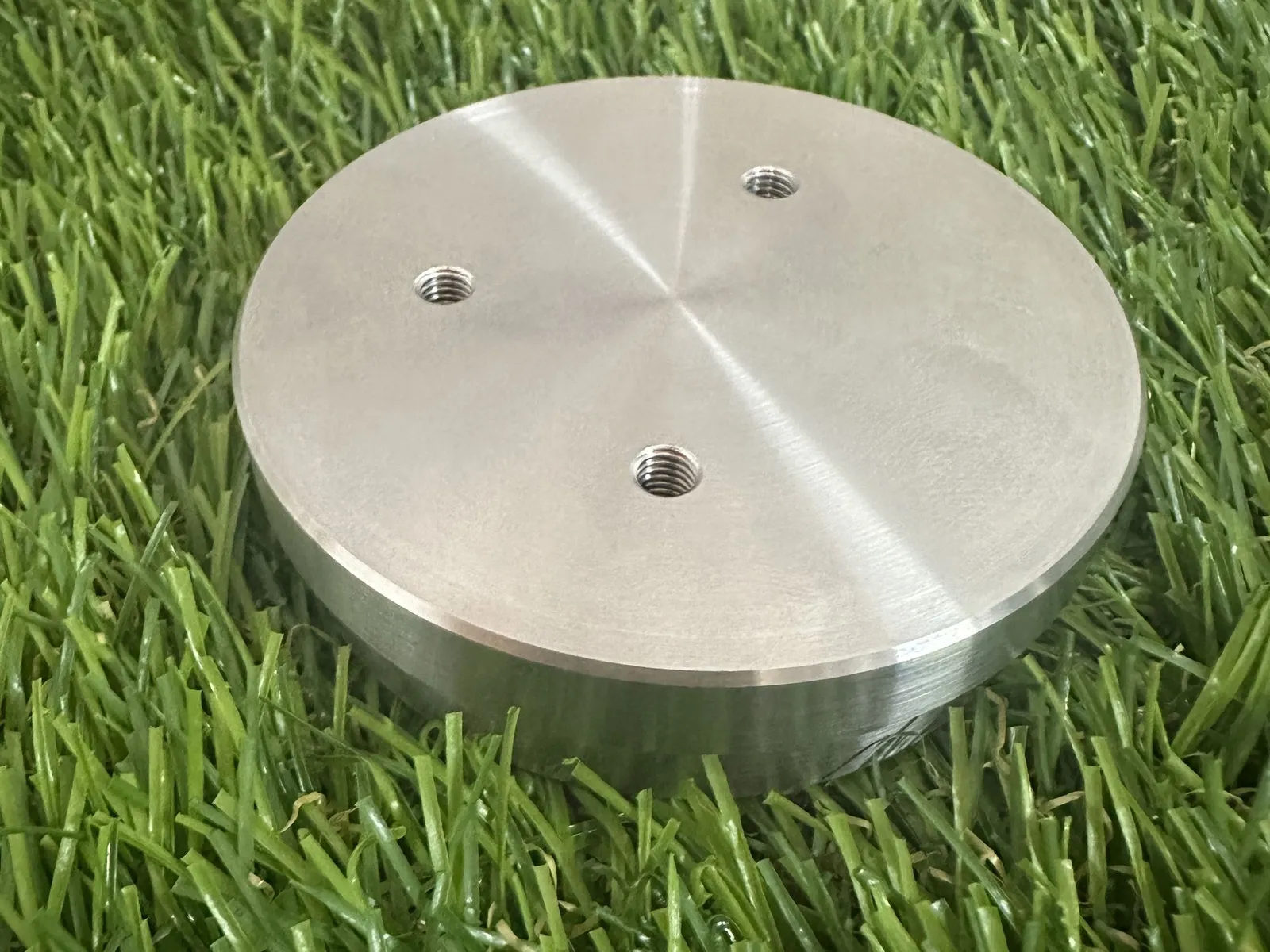
Most of our work is milling: the block is clamped still and a spinning cutter moves over it, making flat faces, pockets, slots and holes for blocks, plates and brackets. Our mills are 3-axis: the tool moves left and right, forwards and back, and up and down. We also turn round parts, such as pins, discs and shafts, on request.
Materials: aluminium, brass, plastics and hardwoods
- Aluminium 6061 and 7075 for brackets, fixtures, enclosures and prototype housings. It is light, cuts cleanly, and can be anodised.
- Brass C360 for hardware, decorative trim and badges where the metal is part of the look.
- Delrin (POM) and nylon for low-friction wear parts and jigs: slides, bushes and guides.
- Teak, walnut and oak for product casings, bases and fixtures that need a real wood finish.
We pick the stock to suit both what the part has to do and how it has to look. For another material, send the drawing and we confirm whether we can cut it.
Tolerances: down to ±0.05 mm where you mark it
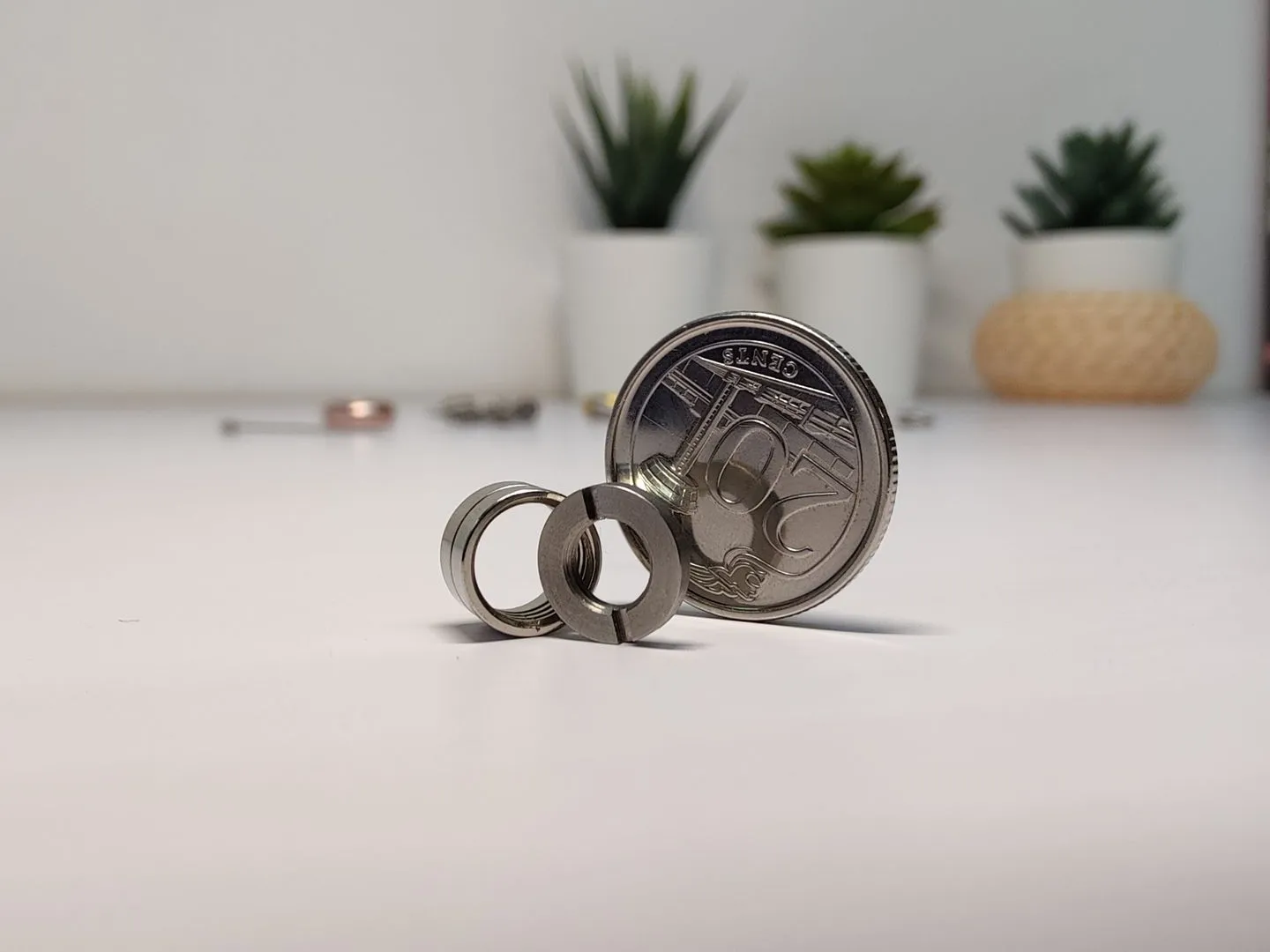
A tolerance is how far a size may be off and still be right. We hold down to ±0.05 mm on the dimensions you mark, and check the first part with digital calipers and pin gauges before making the rest. A 3D print is accurate to about ±0.3 mm on parts up to 100 mm, so a face that must fit is a machining job. Our guide to 3D print tolerances shows where that line falls.
Mark only the dimensions that matter: the hole a bearing presses into, a face that sits against another part, a hole for a pin. Tight tolerance on every edge adds time and cost without making the part better.
Cost and time: setups, tight tolerances and deep pockets add the most
CNC parts are priced per part, and the price follows the time on the machine. These add the most:
- Setups. Each time the part is unclamped, turned over and clamped again to reach another side is a new setup, with its own alignment and checks. A part cut from one side costs less than one cut from six.
- Tight tolerances. Every marked dimension means slower finishing cuts and more measuring.
- Deep, narrow pockets. They need a long, thin cutter that bends if pushed, so it has to cut slowly in light passes.
- Material. Aluminium, brass and plastics cut quickly; a tougher material has to be cut more slowly.
- Quantity. Programming and setting up are done once, so the cost per part drops as the batch grows. We make 1 to 50 parts; past that, ask about moulding.
Design tips: round inside corners and shallow pockets
- Inside corners come out rounded. The cutter is round, so a pocket’s inside corner keeps a curve the size of the tool. Draw a radius there, and if a square part must sit in it, add a small extra cut-out in each corner so its square edge has room. Outside corners can be sharp.
- Keep pockets shallow and wide. A deep, narrow slot needs a long, thin tool. Make it wider, or shallower, or open it to one side.
- Design for as few sides as you can. Put holes and pockets on the same face where the part allows it, so it is cut in fewer setups.
- Mark the tolerances that matter, not all of them. A note such as “±0.05 mm on the bearing hole, standard tolerance elsewhere” is enough.
- Avoid thin walls. A thin wall vibrates under the cutter and can bend. Leave some thickness, or ask us first.
- Send a STEP file. An STL is a mesh of triangles and machines poorly. Export STEP from your CAD program.
When to use something else: printing, sheet metal or moulding
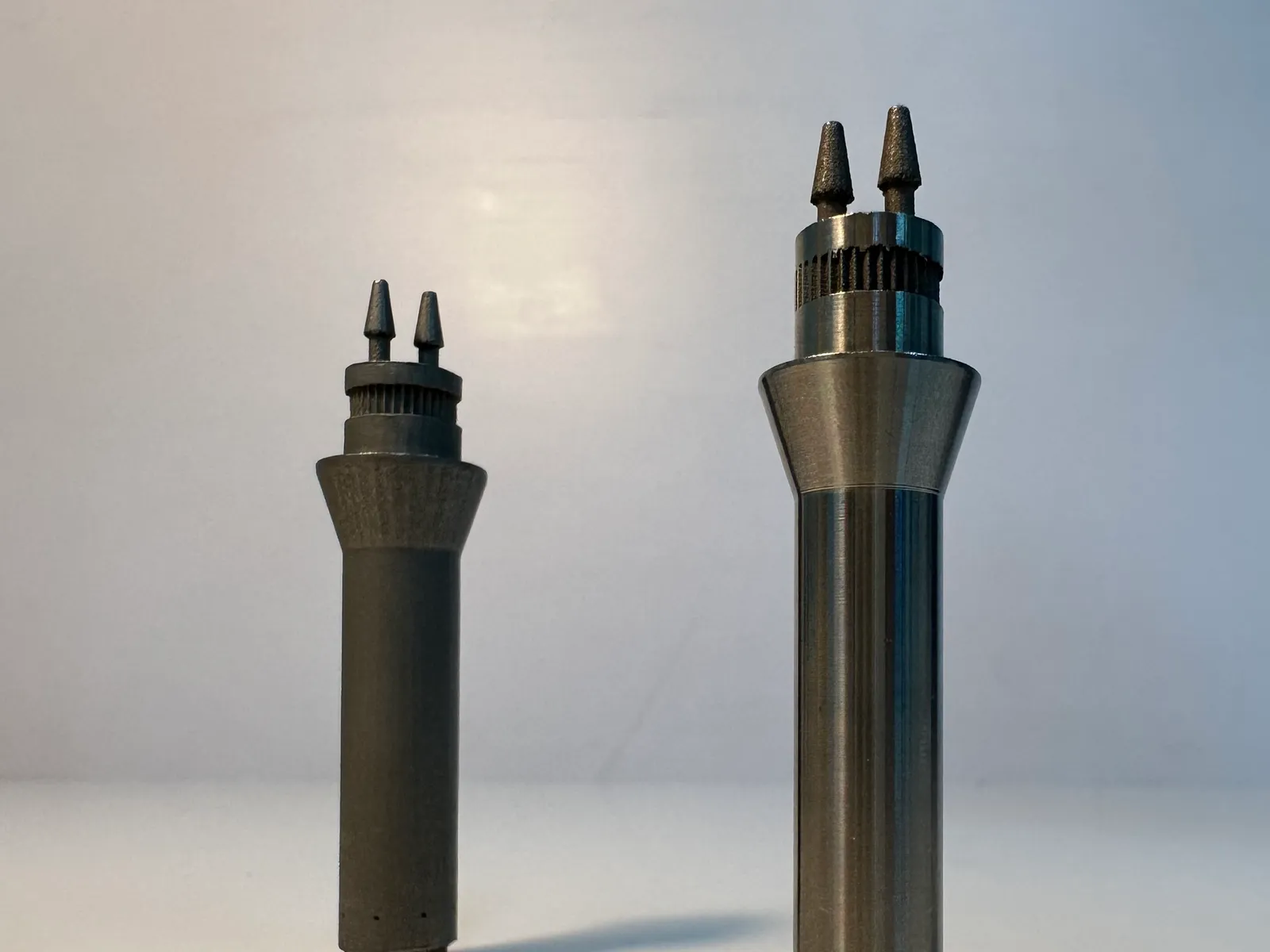
- 3D printing wins when the shape has hollow insides, channels or lattices that no tool can reach, or when you want a cheap plastic test part in a few days. Many projects print a plastic version first to check the fit, then machine the final part. Get an instant price for a print.
- Metal 3D printing wins when the part must be metal and the geometry is too complex to cut. Our metal printing versus CNC guide weighs the two side by side.
- Sheet metal wins for thin enclosures, covers and bent brackets. Machining those from a solid block would turn most of it into chips. See sheet metal fabrication.
- Moulding wins when you need hundreds or thousands of the same part. See 3D printing, silicone moulding or injection moulding.
If you are unsure, send the file and say what the part does. We offer all of these, so we tell you honestly which one suits the part. Our studio is at 994 Bendemeer Road, Singapore.
Frequently asked
What does CNC stand for?
CNC stands for computer numerical control. A computer program, not a hand on a wheel, moves the cutting tool along a path worked out from your 3D file, so the machine can cut the same part again and again to the same size.
What is the difference between CNC milling and turning?
Milling moves a spinning cutter over a block that stays still, while turning spins the part itself against a fixed tool. Milling makes flat faces, pockets, slots and holes; turning makes round parts such as pins and shafts. Most of our CNC work is milling, and we turn round parts on request.
What materials can you CNC machine?
Our studio CNC machines aluminium 6061 and 7075, brass C360, the engineering plastics Delrin (POM) and nylon, and hardwoods such as teak, walnut and oak. For another material, send the drawing and we confirm whether we can cut it.
How accurate is CNC machining?
CNC machining holds down to ±0.05 mm on the dimensions you mark on the drawing, and we check the first part with digital calipers and pin gauges before the rest are made. That is about six times tighter than a 3D print, which is accurate to about ±0.3 mm on parts up to 100 mm.
How long does a CNC machining job take?
A CNC machining job on a normal-size part, about 10 to 15 cm across, takes about 5 to 7 working days once the design is confirmed. The quote and any design flags come back the same business day. Bigger parts, many setups or large quantities take longer, so check with us if you have a deadline.
What file do I need for CNC machining?
CNC machining needs a STEP file, with the dimensions that must be exact marked on a drawing or in your message. An STL from a 3D printing site is a mesh of triangles and machines poorly, so export STEP from your CAD program if you can.
Is CNC machining cheaper than 3D printing?
CNC machining is usually the better-value route for a simple solid metal part, even compared with metal printing. For a plastic prototype or a shape with hollow insides, printing is usually cheaper and faster. Send the file with the quantity and we quote the route that suits the part.
What finishes can a machined part have?
A machined part can be left as it comes off the machine, bead blasted to an even matt look, brushed, or anodised. Anodising works on aluminium and titanium, so it is not an option for brass, steel, plastics or wood.
Related
-
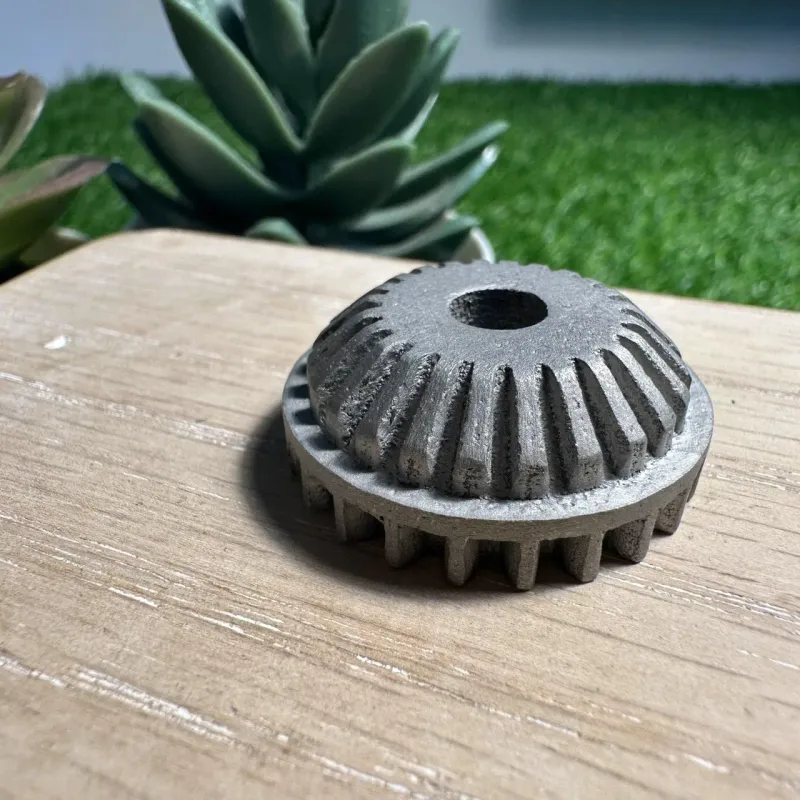 GuideMetal 3D printing or CNC machining: which does your part need?
 -
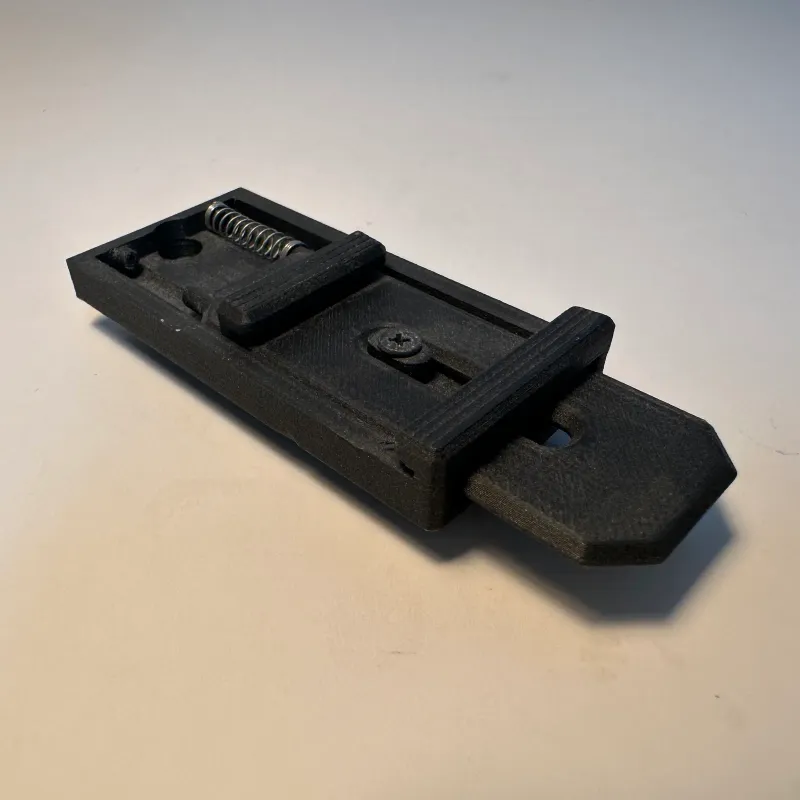 GuideHow much clearance do 3D printed parts need to fit together?
 -
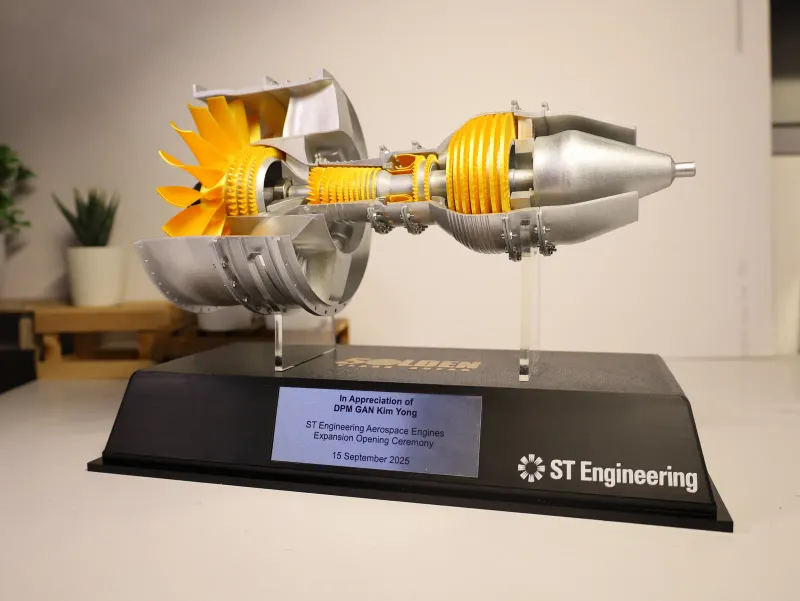 GuideWhat is additive manufacturing, and how is it used?
 -
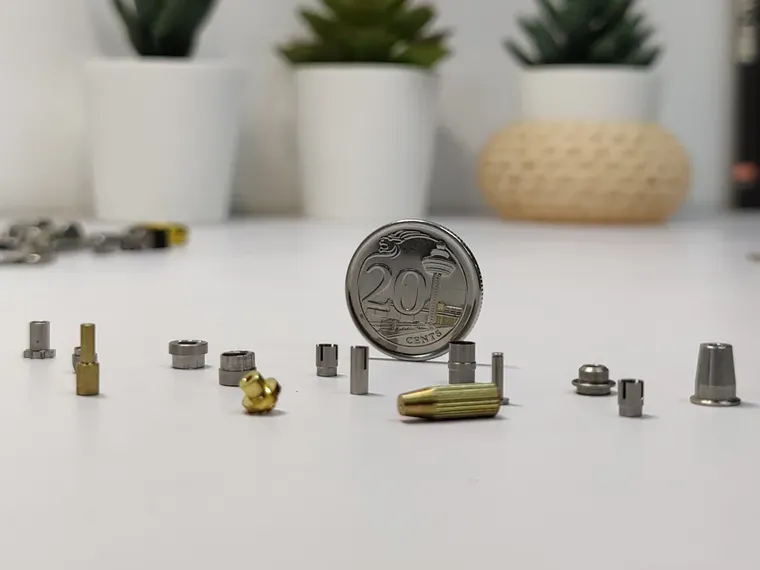 ServiceCNC Machining
 -
 ServiceMetal 3D Printing
 -
 ServiceIndustrial 3D Printing
 -
 ProjectCustom Stainless Steel Housing
 -
 ProjectElectronic Parts Holding Jig