

FDM or SLA or SLS Which is Right for You?
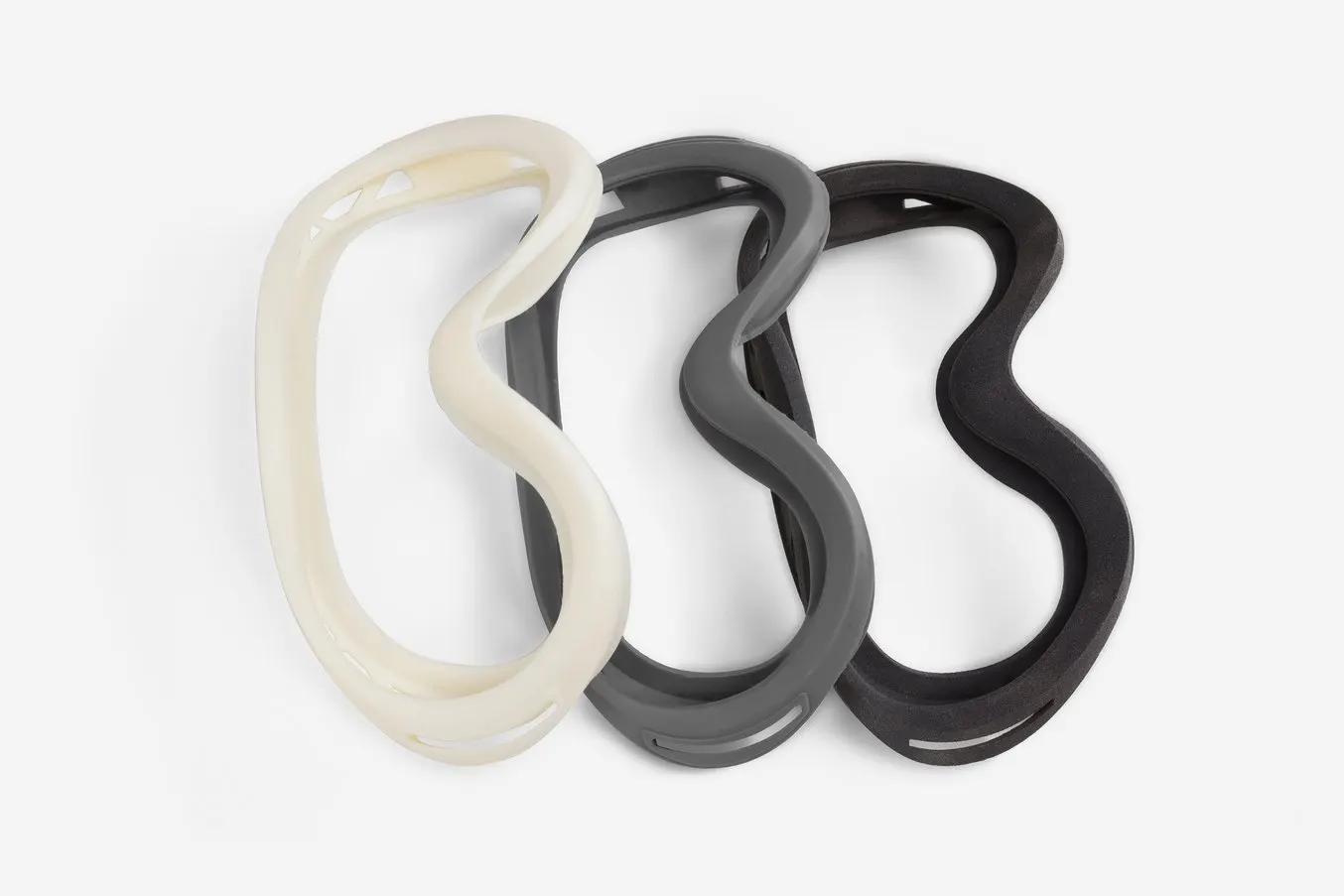
Every 3D printing project really answers two questions in order: should this part be 3D printed at all, and if so, which process. Fused Deposition Modeling (FDM), Stereolithography (SLA) and Selective Laser Sintering (SLS) are the three processes we run most often in our Singapore workshop, with Multi Jet Fusion (MJF) covering the gap between SLS-grade strength and a faster turnaround. This guide walks through both decisions: when 3D printing beats CNC machining or injection moulding, and how to choose between FDM, SLA, SLS and MJF once printing is the right call.
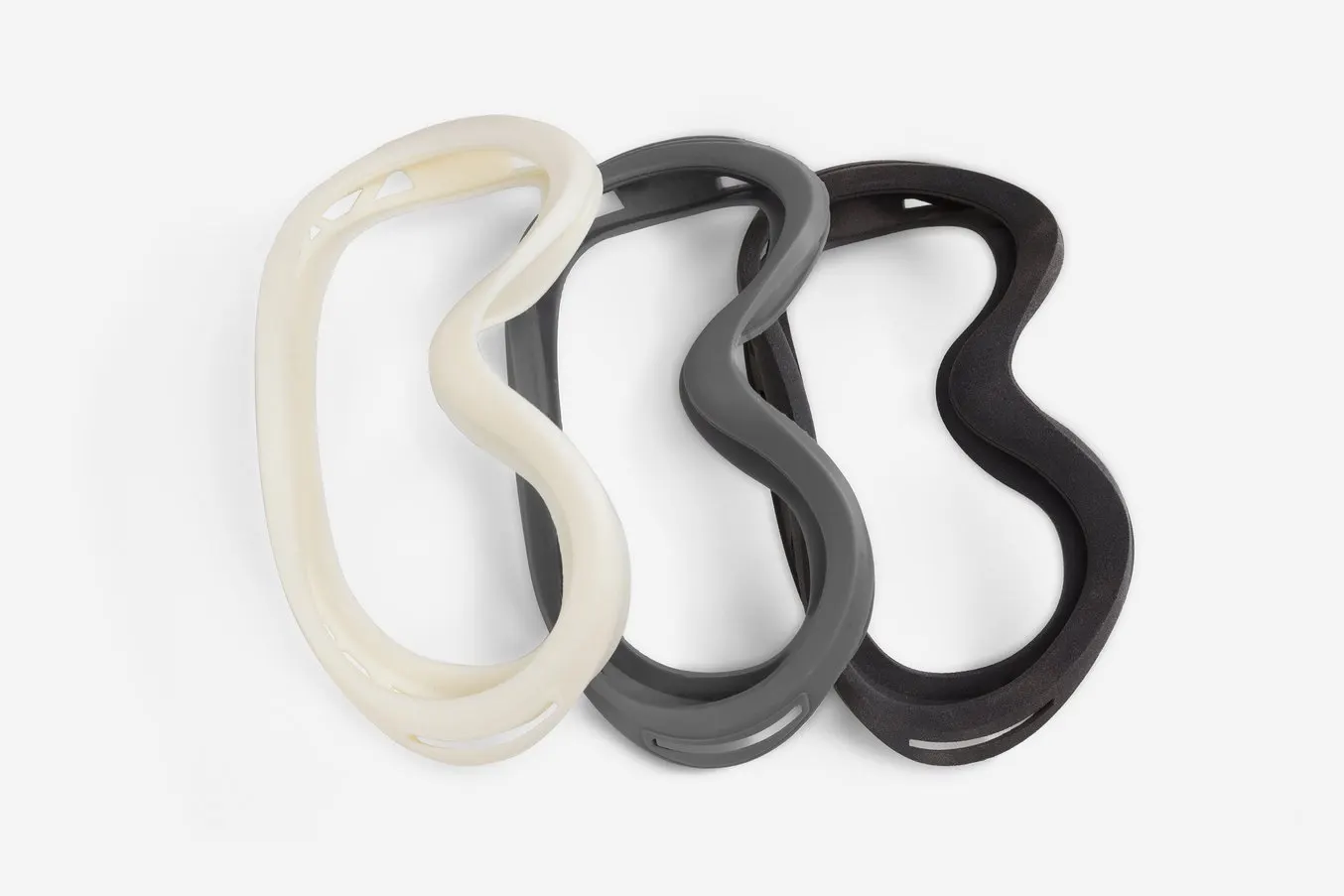
Should you 3D print this at all?
Before comparing processes, it is worth checking that 3D printing is the right family of process for the part in the first place. The short version: 3D printing wins on complexity, speed and low-to-mid volumes; CNC machining and moulding win on tight tolerances, a surface that is clean straight off the machine, and high volumes. See our 3D printing service page for the full picture of what we run in-house, including CNC and metal.
When 3D printing wins
- Rapid prototyping. You need a part in hand this week to test fit, form and function, not after a mould or fixture is built, so you can iterate the design before committing to production.
- Complex or internal geometry. Lattices, internal channels, undercuts and consolidated assemblies that a cutting tool physically cannot reach are exactly what an additive process is built for.
- Low-to-mid volumes. Roughly 1 to 500 units is 3D printing’s comfort zone: there is no tooling cost, so a one-off part costs the same per unit as the fiftieth.
- Customisation. Every part can be different at no extra setup cost, which is why 3D printing suits patient-specific medical models, personalised gifts, and one-off jigs and fixtures.
When another process wins
- High volumes. Once you need roughly 1,000 or more identical units, injection moulding’s steel-tool cost spreads thin enough to beat 3D printing on a per-part basis, with the crossover typically landing somewhere between 500 and 2,000 units depending on geometry. For the gap in between, silicone moulding from a printed master, from S$300 per mould, is usually the cheaper route for 20 to 500 units.
- Tight tolerances. CNC machining holds down to ±0.05mm with first-article inspection; printed parts are accurate, but rarely need to hold a tolerance that tight, and where one face does, we will often print the complex form and machine just that face.
- Solid, easily machined shapes. If you can picture holding the part in a vice and reaching every feature with a tool, machining it is usually cheaper and faster. Our metal 3D printing vs CNC machining guide covers that trade-off in more depth.
- Very large flat parts, or optical clarity. Large flat sheets tend to warp in most printers and are better laser-cut; production-grade transparent optical parts still belong to injection moulding, since a printed “clear” part is translucent at best, never crystal-clear.
Once 3D printing is the right call, the next question is which process.
Choosing between FDM, SLA, SLS and MJF
FDM, SLA, SLS and MJF are the four processes we quote most often, and each has its own strengths and weaknesses. Choosing the right one depends on your part’s detail, strength requirements, and budget.
Fused Deposition Modeling (FDM)
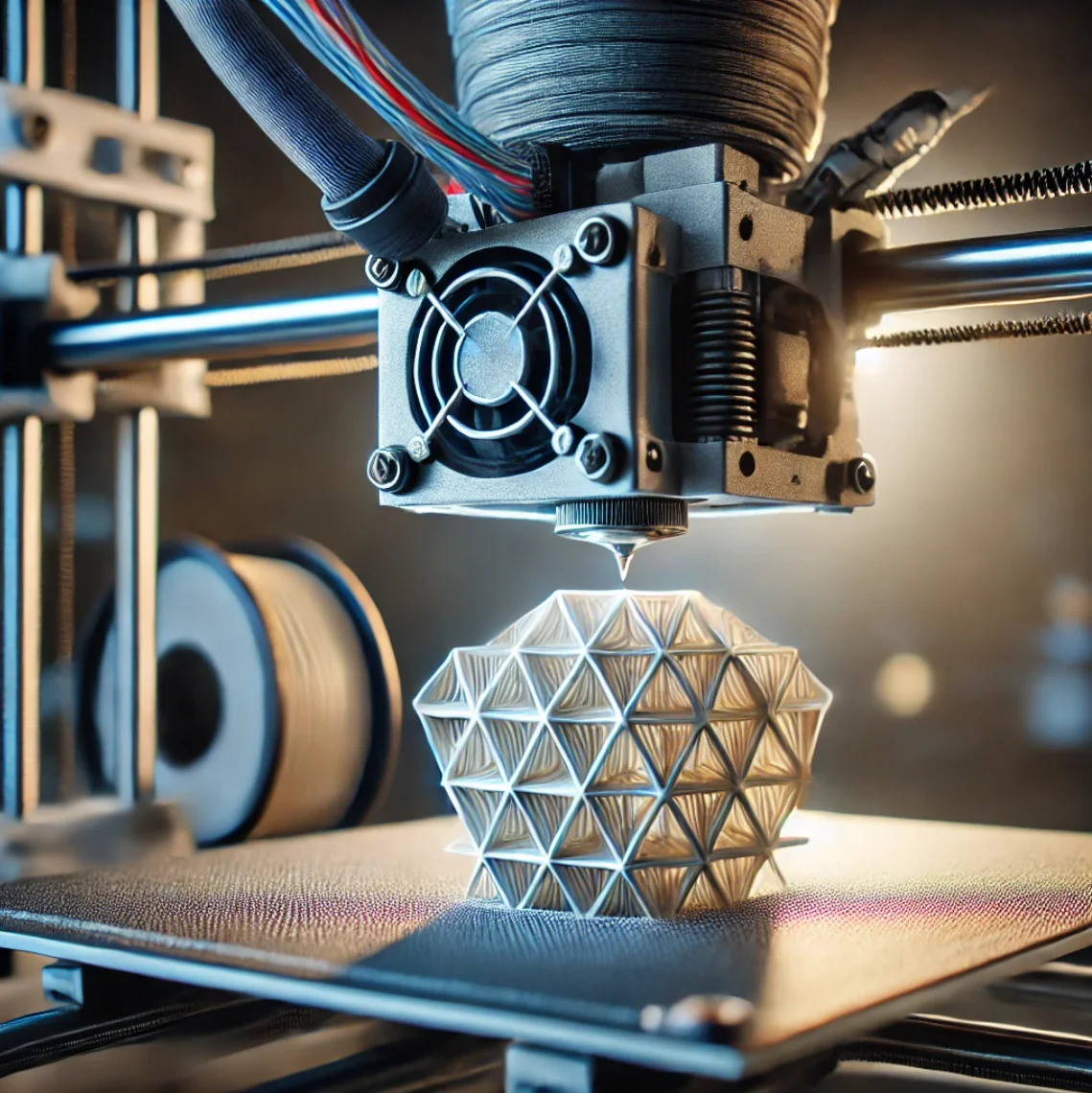
FDM is by far the most common 3D printing technique and is likely the first process most hobbyists or makers use. An FDM printer applies heat to melt and extrude a thermoplastic filament fed through a heated nozzle, depositing the melted filament layer by layer to build the final part.
-
Advantages of FDM:
- Cost-effective: the cheapest process per part, typically S$0.10–0.30 per gram.
- Material variety: a wide range of filaments available (PLA, ABS, PETG, TPU, and more).
- Scalability: small or large-format parts are both supported.
- Fast turnaround: quick prints for small to medium-size components.
- Minimal post-processing: less finishing needed compared with resin-based processes.
-
Disadvantages of FDM:
- Lower resolution: not ideal for fine features or complicated geometry.
- Visible layer lines: reduces surface finish unless the part is sanded and primed.
- Limited mechanical strength: weaker along the Z-axis because of layer adhesion.
- Warpage issues: materials like ABS have a tendency to warp.
- Supports needed: overhangs may require support material, adding to post-processing time.
-
Applications for FDM
- Functional prototypes: for form, fit and user testing before mass production.
- Jigs and fixtures: tools and aids for custom manufacturing.
- End-use parts: custom, durable parts for low-volume production.
- Educational models: teaching aids and visual models.
- Architectural models: quick, produced-to-scale design validation.
- Low-cost prototypes: great for proof-of-concept and early-stage prototyping.
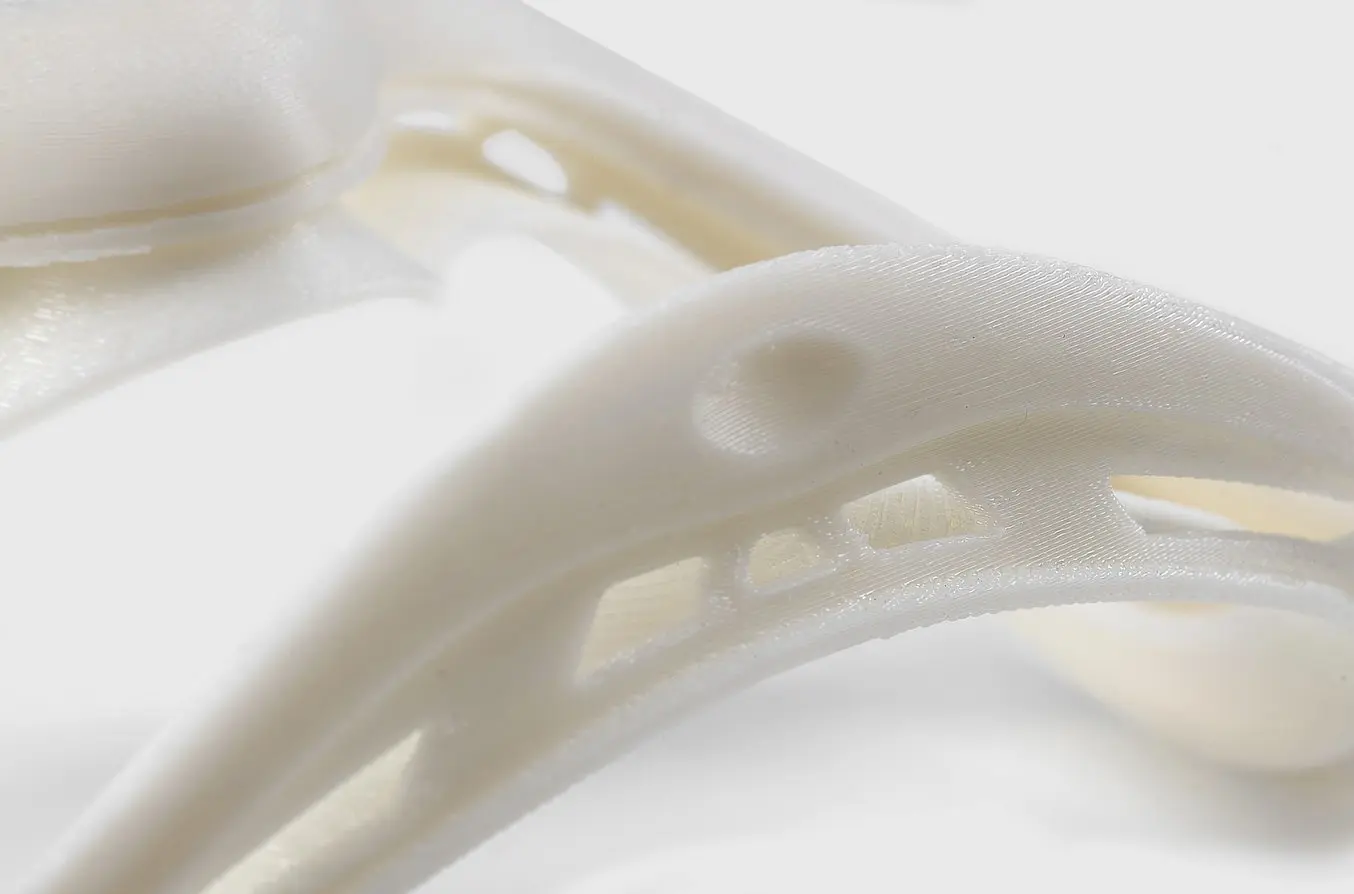
For more on FDM, read our FDM explainer, or send your file through the instant quote tool for same-day pricing.
Stereolithography (SLA)
SLA is a 3D printing technology that uses a laser to cure a liquid photopolymer resin. As the laser cures the resin, the printer builds the object layer by layer. Most SLA printers produce high-quality, fine-detailed parts with a smooth surface finish. See our SLA resin printing service for materials, pricing and finishing options.
-
Advantages of SLA:
- High resolution: smooth surfaces and fine detail.
- Excellent accuracy: great for complex geometries and intricate patterns.
- Wide range of resins: flexible, transparent, high-strength and high-heat-resistant options.
- Superior surface finish: smooth, detailed parts that need little to no post-processing.
- Great for small parts: well suited to small, detailed components.
-
Disadvantages of SLA:
-
Brittle parts: most resins are less impact-resistant than thermoplastics.
-
Limited material strength: not suitable for heavy-duty functional parts.
-
Post-processing required: parts need washing and curing, and sometimes sanding, adding to cost.
-
Expensive resins: FDM filaments are usually cheaper.
-
Size limitations: build volume trails FDM and SLS.
Contact us to talk through resin options that avoid most of SLA’s disadvantages.
-
-
Applications for SLA
- Dental models & devices: orthodontic use and surgical-guide precision models.
- Jewellery prototyping: intricate patterns and castable moulds.
- Medical models: anatomical models for surgical planning and training.
- Miniatures & figurines: detailed features on high-resolution figures and models.
- Engineering prototypes: testing designs with mixed shapes and fine details.
- Casting patterns: master patterns for investment casting.
Selective Laser Sintering (SLS)
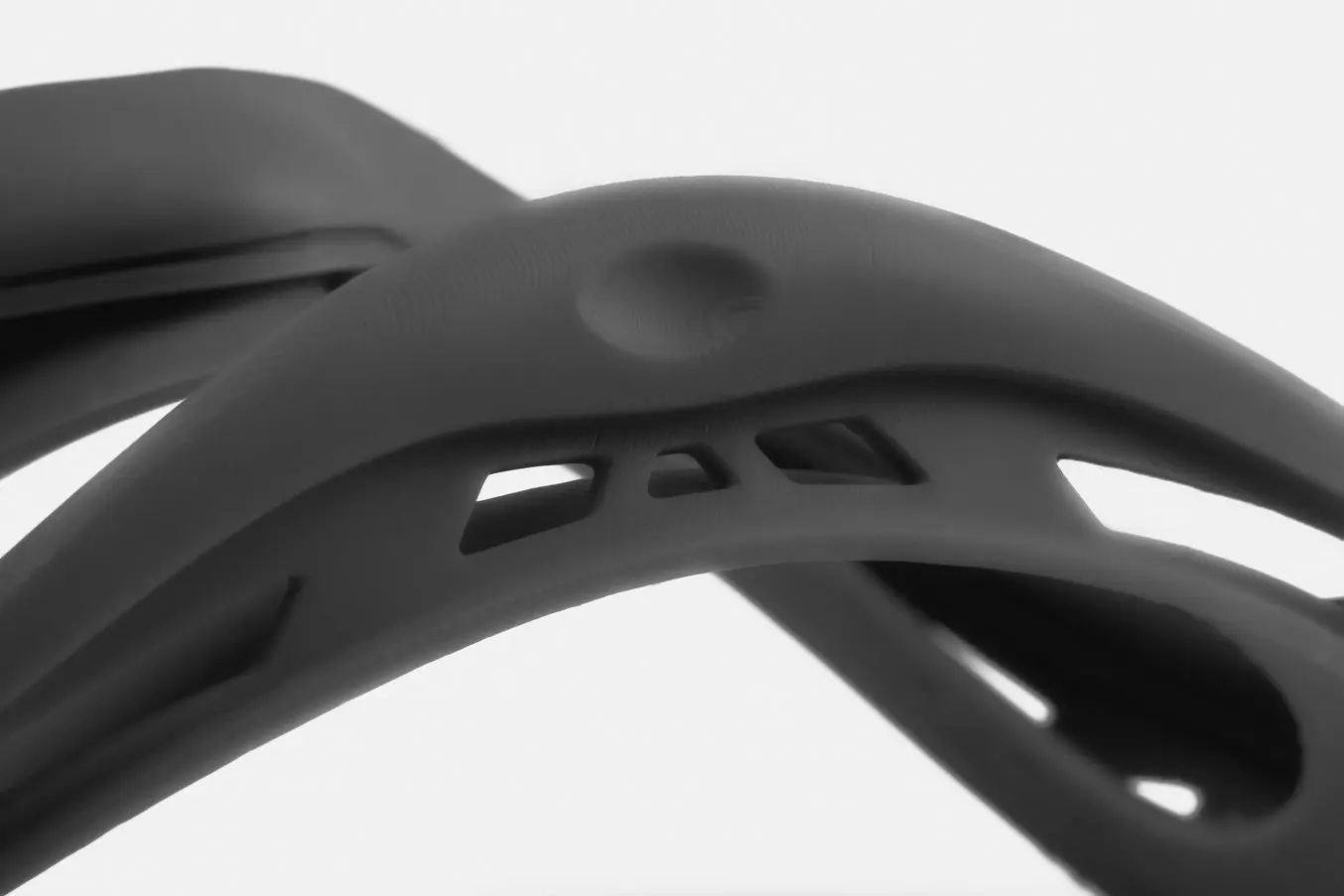
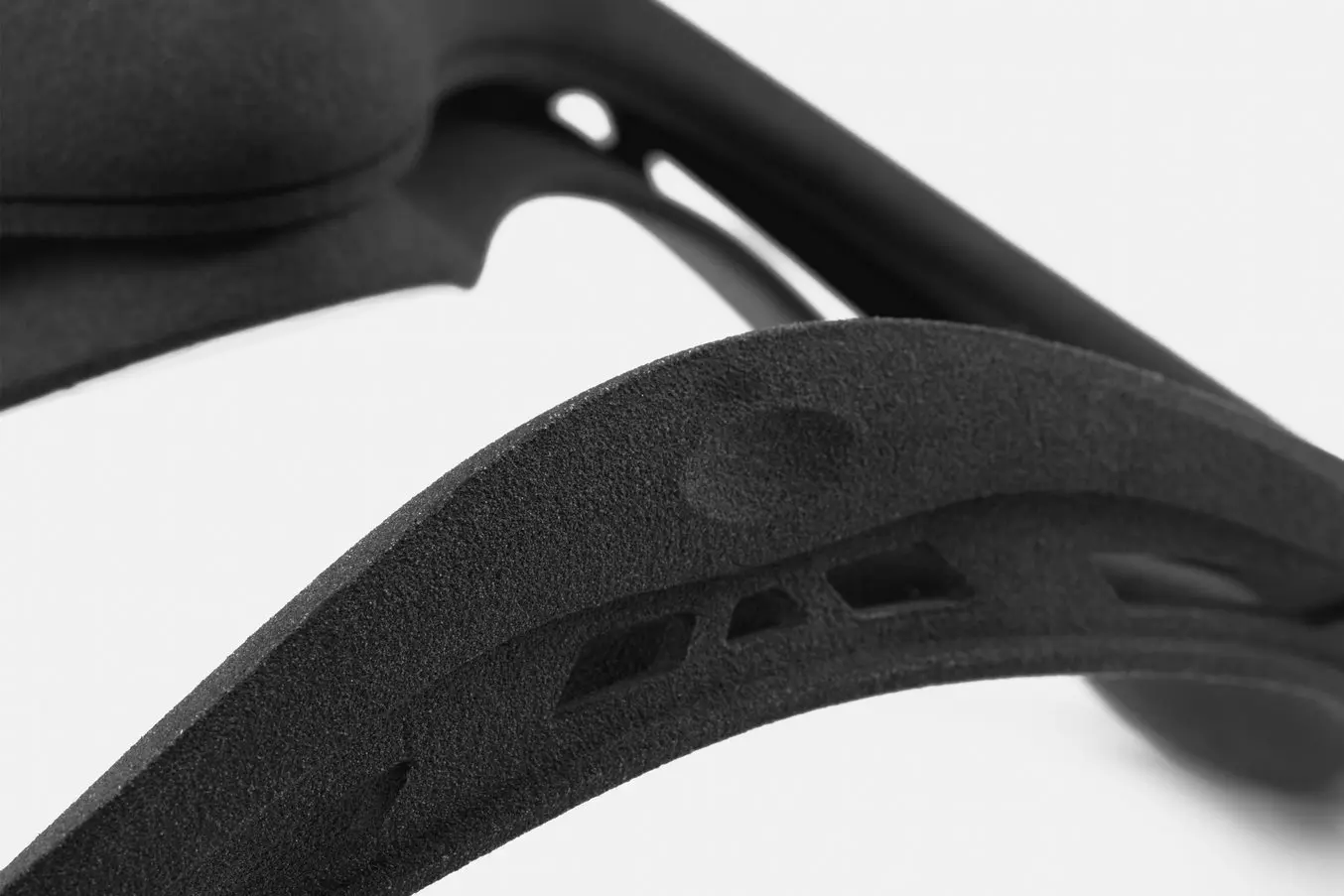
SLS is a 3D printing process where a laser selectively sinters a powdered material, usually nylon or polyamide. The laser fuses the powder layer by layer, building the object with no support structures needed. See our SLS nylon printing service for materials, pricing and finishing options.
-
Advantages of SLS:
- High strength and durability: produces strong, functional parts suitable for end-use applications.
- Excellent mechanical properties: isotropic strength, equally strong in all directions.
- Complex geometries possible: can print moving parts, hinges and interlocking assemblies pre-assembled.
-
Disadvantages of SLS:
- Rough surface finish: a slightly grainy texture, though many consider it a finished look.
- Higher cost: machine and material cost more than FDM.
- Limited colour options: limited to natural or dyed colours.
- Slightly higher lead time: parts need to cool down after printing, adding to total turnaround.
-
Applications for SLS
- Functional prototypes: testing parts under real-world use.
- End-use parts: good for low-quantity, high-quality final products.
- Snap-fit assemblies: excellent fit for interlocking mechanisms.
- Automotive components: high strength, lightweight parts.
- Aerospace parts: lightweight custom components.
- Healthcare products: orthotics, prosthetics, and patient-specific devices.
Multi Jet Fusion (MJF)
MJF combines fine detail and a good surface finish in a single, fast process. Like SLS it uses nylon powder and needs no support structures, but it holds finer detail, more consistent mechanical properties, and a shorter lead time.
-
Advantages of MJF:
- High accuracy and smooth finish: finer detail than SLS straight off the machine.
- Shorter lead times: faster turnaround than SLS for comparable batches.
- High strength and isotropy: uniform mechanical properties in all directions.
-
Applications for MJF
- Low-volume end-use parts: consistent enough for small production runs.
- High-quality functional prototypes: where SLS’s finish is a step short of what is needed.
- Lightweight components: functional parts where weight and strength both matter.
MJF is quoted the same way as FDM: send your file through the instant quote tool for same-day pricing.
Quick decision guide
If you need to decide fast: budget and part size point to FDM. Fine detail and a smooth, paintable surface point to SLA. Functional strength with no visible support marks points to SLS. A fast turnaround on a higher-consistency functional batch points to MJF.
| Printing Method | Common Materials | Suitable Applications |
|---|---|---|
| Fused Deposition Modeling (FDM) | PLA, ABS, PETG, Nylon, TPU | Prototyping, models, functional parts, tooling, fixtures, jigs, and low-volume production |
| Stereolithography (SLA) | Standard, flexible, tough, and castable resins | Jewellery, dentistry, figurines, moulds, and high-detail parts |
| Selective Laser Sintering (SLS) | Nylon, TPU, TPE, Polycarbonate, PA11, PA12 | Complex geometries, functional parts, living hinges, and high-temperature applications |
| Multi Jet Fusion (MJF) | PA11, PA12 nylon | Low-volume end-use parts, high-consistency functional prototypes, lightweight components |
Whichever process fits, we run all four in the same Bendemeer Road workshop, so a job that mixes FDM structure with SLA detail, or starts on FDM and moves to SLS for the production run, stays under one roof. Talk to us with your file and we will recommend the process, or use the selector above for a quick read on your specific part.
Frequently asked
Which 3D printing technology is cheapest in Singapore?
FDM is the cheapest per part, typically S$0.10–0.30 per gram of PLA, depending on geometry and infill. SLA resin runs S$0.30–0.80 per gram, and SLS nylon S$0.50–1.50 per gram. Use FDM for concept models, fixtures, and large pieces; only step up to SLA or SLS when surface finish or material properties demand it.
When should I choose SLA over FDM?
Pick SLA resin when (1) the part has fine detail under 0.5mm, (2) you need a smooth surface that paints cleanly without sanding, (3) you're casting from it (silicone moulds love SLA masters), or (4) it's a clear or translucent piece. SLA's downside is brittleness, so don't use it for parts that flex or take impact.
Is SLS worth it for prototypes?
SLS nylon is overkill for one-off prototypes, since at 4–6x FDM cost you're paying for production-grade durability you don't yet need. It earns its price on living-hinge parts, snap-fits, and small-batch end-use parts where FDM layer adhesion would fail. For a first prototype, FDM almost always wins.
When does 3D printing lose to CNC or injection moulding?
3D printing usually loses on simple, solid shapes and on high volumes. CNC machining holds tighter tolerances (down to ±0.05mm) and is often cheaper for a part you could hold in a vice and reach every feature with a cutting tool. Injection moulding takes over at roughly 1,000+ identical units, with the crossover landing somewhere between 500 and 2,000 depending on geometry; below that, silicone moulding (from S$300 per mould) usually wins for the 20–500 unit range. We'll flag which route is cheaper for your numbers at quoting.
What's the difference between SLS and MJF?
Both fuse nylon powder with no support structures needed, so parts nest freely and interlocking assemblies print in one shot. MJF (HP's Multi Jet Fusion) generally holds finer detail, more consistent mechanical properties and a shorter lead time than SLS. SLS remains the workhorse for straightforward functional parts; MJF earns its place on higher-detail or higher-consistency functional batches.
Related
-
 GuideFused Deposition Modeling (FDM)
 -
 GuideNot sure which material to choose from?
 -
 GuideMetal 3D printing or CNC machining: which does your part need?
 -
 Service3D Printing
 -
 ServiceSLA 3D Printing
 -
 ServiceSLS 3D Printing
 -
 ServiceSilicone Molding
 -
 ServiceConcept to Fabrication
 -
 ProjectShure 100 Years Mic Figurines