

Which CNC machining material should your part be made in?
On this page
- CNC machining materials at a glance
- Aluminium 6061 and 7075: the right start for most metal parts
- Steels: for hardness, wear and welded frames
- Stainless steel 304 and 316: for wet places and food or lab use
- Brass: for fittings, valves and a gold look
- Titanium and magnesium: when a part must be light and strong
- Plastics: for light, low-friction or insulating parts
- Hardwoods: teak, walnut and oak for a real wood finish
- Finishes: anodising and bead blasting; ask us for the rest
- Still not sure? Start from what the part has to do
- Frequently asked
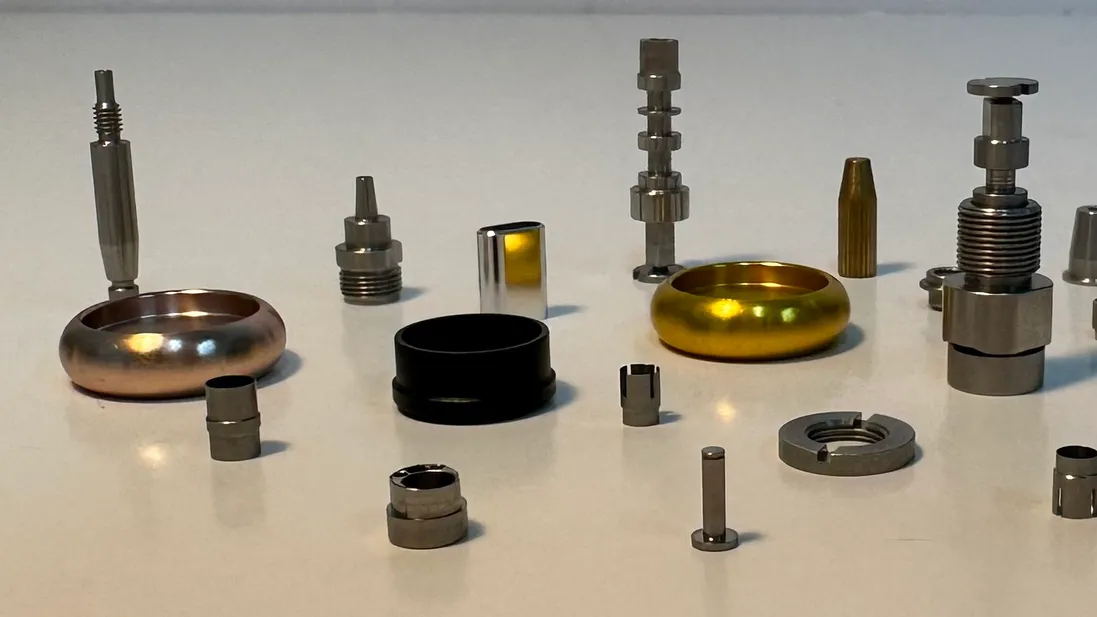
For most CNC machining, aluminium 6061 is the right material: light, rust-free, quick to cut and easy to anodise. Move to steel for hardness and wear, stainless steel for wet places, brass for fittings, titanium when a light part must be very strong, magnesium when it must be as light as possible, a plastic for low friction or insulation, and teak, walnut or oak for a real wood finish.
We machine all of these in Singapore as part of our CNC machining service. If you are new to the process, start with what CNC machining is and when to use it.
CNC machining materials at a glance
| Material | What it is like | Best for | Notes |
|---|---|---|---|
| Aluminium 6061 | Light, rust-free, cuts quickly | Brackets, housings, fixtures | The usual first choice; anodises well |
| Aluminium 7075 | Light and much stronger than 6061 | Parts under high load | Usually not welded |
| S45C medium carbon steel | Strong, tough, machines well | Shafts, pins, gears | Rusts without a coating |
| Q235 mild steel | The everyday steel, easy to weld | Base plates, brackets, frames | Rusts without a coating |
| D2 tool steel | Very hard, resists wear | Punches, wear plates, cutting edges | Slow to machine |
| Stainless steel 304 | Tough and resists rust | Housings, food and lab parts | Slower to cut than aluminium |
| Stainless steel 316 | Resists rust even better than 304 | Marine, chemical and lab parts | Choose it for salt water |
| Brass | Cuts very easily, gold colour | Fittings, valves, trim, badges | Heavy for its size |
| Titanium alloy | Strong, light, resists rust | Light parts that must be strong | Slow to machine, costs more |
| Magnesium alloy | The lightest metal we machine | Light housings and frames | Needs a protective finish |
| ABS | Tough, everyday plastic | Covers, prototypes, housings | Paints well after a primer |
| Acrylic (PMMA) | Clear and glossy | Windows, light guides, display parts | Can crack if knocked |
| PC (polycarbonate) | Very tough, takes more heat than ABS | Guards, clear covers | Scratches more easily than acrylic |
| POM (Delrin, acetal) | Stiff, slippery, holds its size | Gears, bushes, slides, lids | The all-round machining plastic |
| PP (polypropylene) | Light, flexible, resists chemicals | Chemical-facing parts, hinges | Hard to glue |
| Nylon (PA6) | Tough, resists wear | Wear pads, rollers, guides | Takes up moisture |
| PTFE | Very slippery, resists almost any chemical | Seals, washers, chemical parts | Soft, so fits are looser |
| Bakelite | Hard, heat resistant, insulates | Jigs, insulating parts | Brittle if knocked |
| Teak, walnut, oak | Real hardwood grain | Casings, bases, display pieces | Moves slightly with humidity |
Accuracy: down to ±0.05 mm on the dimensions you mark. Lead time: about 5 to 7 working days for a part about 10 to 15 cm across, as a rough guide; check with us for bigger parts or a deadline.
Aluminium 6061 and 7075: the right start for most metal parts
Aluminium is much lighter than steel, does not rust, and cuts quickly and cleanly, which keeps machining time down. It is also the metal that anodises best (see finishes below).
- 6061 is the all-rounder. It resists corrosion well, welds easily and machines to a clean finish. Use it for brackets, fixtures, enclosures and prototype housings.
- 7075 is much stronger and harder, so it suits a light part that has to carry a heavy load, such as a high-stress bracket or a part in a moving machine. It is not usually welded.
If you are unsure, start with 6061 and tell us the load. We say so if the part needs 7075.
Steels: for hardness, wear and welded frames
Steel is heavier than aluminium but harder and tougher. We machine three kinds:
- S45C medium carbon steel is stronger than mild steel and machines well. It is the usual choice for shafts, pins, gears and other parts that turn or take a knock.
- Q235 mild steel is the most widely used steel. It is easy to weld and bend, so it suits base plates, brackets and frames.
- D2 tool steel is very hard and resists wear, so it is used for punches, wear plates and cutting edges. That hardness makes it slow to machine.
Plain steel rusts, so S45C, Q235 and D2 need a coating or oil unless they live somewhere dry. Ask us about a finish that suits where the part will be.
Stainless steel 304 and 316: for wet places and food or lab use
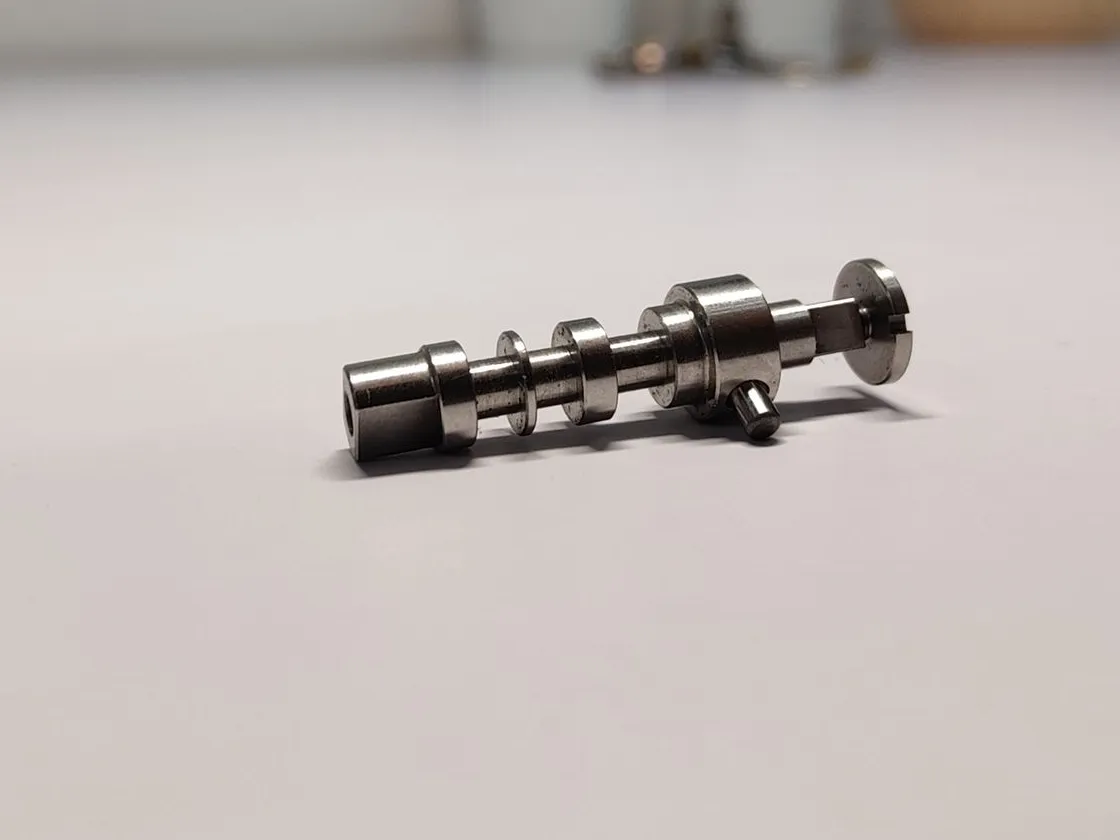
Stainless steel resists rust without a coating, which makes it the metal for anything wet, washed or near food.
- 304 is the everyday stainless. It resists rust well indoors and in the open, is tough, and is not magnetic. Use it for housings, food and kitchen parts, and lab fixtures.
- 316 resists corrosion even better, especially against salt water, chemicals and harsh cleaning. Choose it for marine fittings and chemical or lab parts.
Both are tougher to cut than aluminium, so machining takes longer.
Brass: for fittings, valves and a gold look
Brass is one of the easiest metals to machine: it cuts cleanly into fine threads and small details. It resists corrosion and wear, and its warm gold colour is often part of the design. Use it for fittings, valves, small hardware, decorative trim and badges. It is heavy for its size, so it is not the metal for a part that must be light.
Titanium and magnesium: when a part must be light and strong
- Titanium alloy is strong, light and resists corrosion, including salt water. It suits parts that must be both light and strong. It is slow to machine and costs more than the other metals here, so choose it when nothing lighter will do the job.
- Magnesium alloy is the lightest metal we machine, lighter than aluminium. It damps vibration and spreads heat well, which suits light housings and frames. It needs a protective finish in most places, so ask us about one.
For a light metal part with a shape too complex to cut, our guide to metal 3D printing versus CNC machining weighs the two routes.
Plastics: for light, low-friction or insulating parts
A machined plastic part is solid all the way through, with no layers, so it is stronger and more even than a printed one. Each plastic has its own job:
- POM (Delrin, acetal) is the all-round machining plastic: stiff, slippery and steady in size. Use it for gears, bushes, slides and lids.
- Nylon (PA6) is tough and resists wear. It suits wear pads, rollers and guides, but it takes up a little moisture, so its size can change slightly.
- PTFE is very slippery and resists almost any chemical. It suits seals, washers and parts that touch chemicals. It is soft, so fits are looser.
- ABS is the tough everyday plastic for covers, housings and prototypes. It paints well after a primer.
- Acrylic (PMMA) is clear and glossy for windows, light guides and display parts. It can crack if knocked.
- PC (polycarbonate) is very tough and takes more heat than ABS or acrylic. It suits guards and clear covers.
- PP (polypropylene) is light, flexible and resists chemicals, so it suits chemical-facing parts and hinges that flex. It is hard to glue.
- Bakelite is hard, resists heat and does not conduct electricity, so it is used for jigs and insulating parts. It is brittle if knocked.
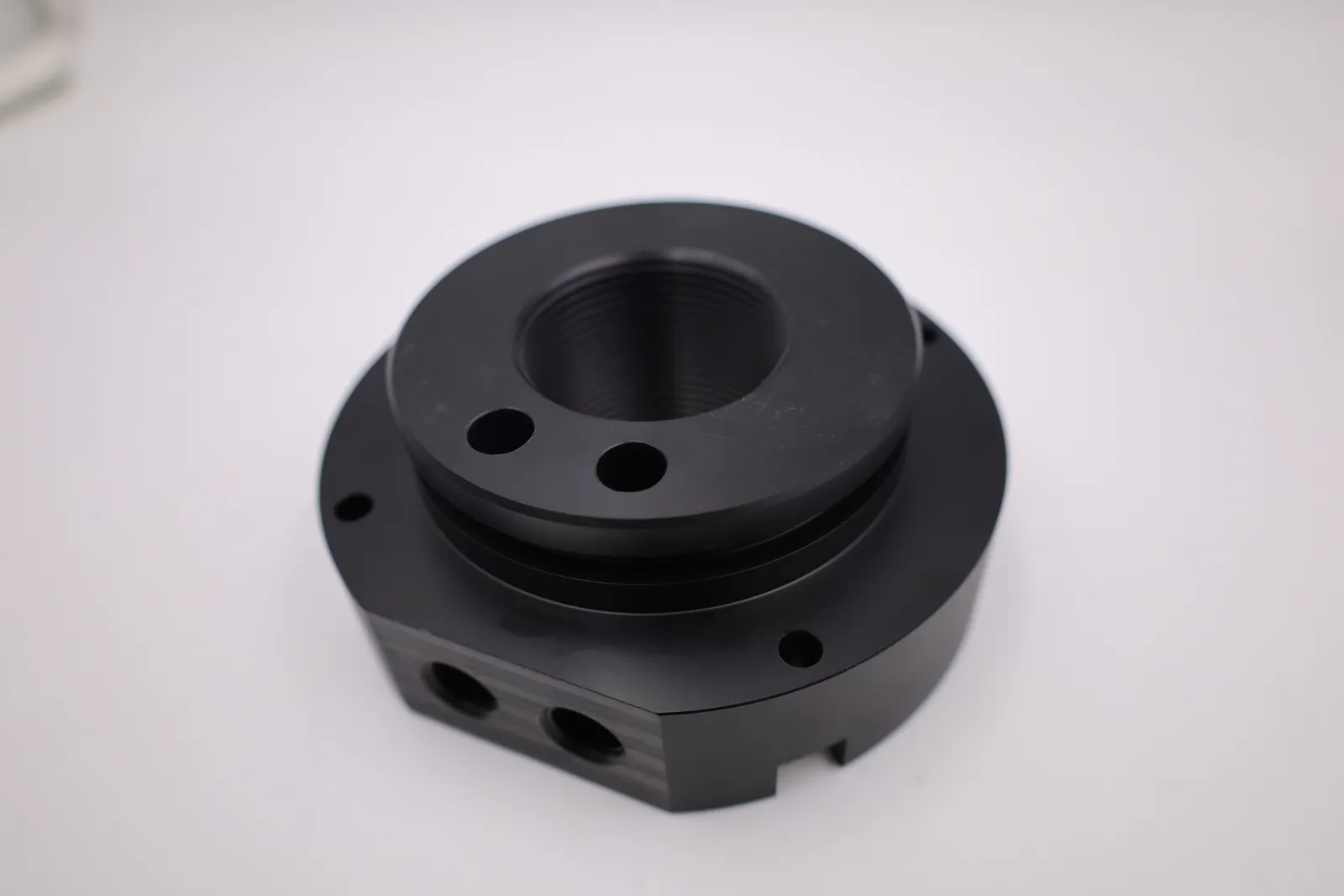
Read how we made it in the POM fuel filling lid project.
Hardwoods: teak, walnut and oak for a real wood finish
A CNC machine cuts hardwood cleanly, so casings, bases and display pieces come out with clean edges and a real grain.
- Teak is oily and stands up to damp, so it suits pieces near water or outdoors.
- Walnut is dark with a fine grain, the usual pick for premium product casings and bases.
- Oak is hard and strong with an open grain, good for bases and fixtures that take handling.
Wood moves a little as the air gets wetter or drier, so leave room in any fit.
Finishes: anodising and bead blasting; ask us for the rest
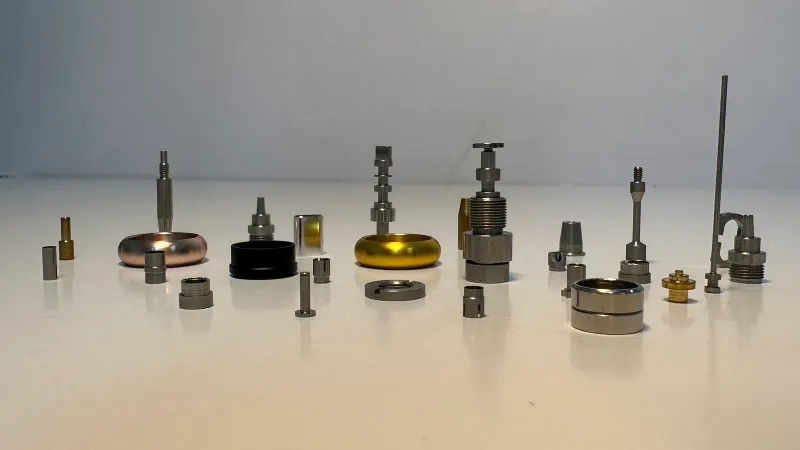
- Anodising adds a hard, coloured layer to aluminium. Black is the colour we are asked for most. Titanium can be anodised too; we have made titanium parts anodised in gold.
- Bead blasting gives an even matt surface and hides fine tool marks. It is often done before anodising.
- As machined is a clean finish in its own right, and the right choice for most plastic parts.
For plating, brushing or any other finish, ask us and we confirm what suits your material. A finish adds time to the job.
Still not sure? Start from what the part has to do
Tell us four things: what the part does, what load it takes, where it lives (dry, wet, hot, outdoors) and how it must look. That is usually enough for us to suggest a material. If the part could also be printed, our materials guide covers the 3D printing side. Our studio is at 994 Bendemeer Road, Singapore.
Frequently asked
What is the best material for CNC machining?
For most CNC machined parts the best material is aluminium 6061: it is light, does not rust, cuts quickly and cleanly, and can be anodised. Choose something else when the part needs more: steel for hardness and wear, stainless steel for wet places, brass for easy fittings, or a plastic for low friction and electrical insulation.
What is the difference between 6061 and 7075 aluminium?
7075 aluminium is stronger and harder than 6061, so it suits parts under high load, while 6061 is the easier all-rounder that welds well and resists corrosion a little better. 6061 is the usual choice for brackets, housings and fixtures; pick 7075 when a light part has to carry a heavy load.
Should I choose stainless steel 304 or 316?
Choose stainless steel 304 for most parts and 316 for salt water, chemicals or harsh cleaning. 304 is the everyday stainless that resists rust well indoors and in the open; 316 resists corrosion even better, which is why it is the usual choice for marine and lab parts. Both are tough and take longer to machine than aluminium.
Which plastic is best for CNC machining?
POM (also sold as Delrin or acetal) is the best all-round plastic for CNC machining: it is stiff, slippery, holds its size and cuts to a clean finish. Pick nylon (PA6) for tough wear parts, PTFE for chemicals and very low friction, acrylic for clear parts, PC for impact, and Bakelite for heat and electrical insulation.
Can you CNC machine wood?
Yes, we CNC machine hardwoods: teak, walnut and oak. Teak's natural oils help it stand up to damp, walnut gives a dark, fine grain for premium casings, and oak is hard and strong with an open grain. Wood moves a little with humidity, so leave room in any fit.
Can CNC machined parts be anodised?
Yes, CNC machined aluminium parts can be anodised, and black is the colour we are asked for most. Titanium can be anodised too; we have made titanium parts anodised in gold. Bead blasting before anodising gives an even matt look. For any other finish, ask us.
How accurate are CNC machined parts?
CNC machined parts can be held to ±0.05 mm on the dimensions you mark on the drawing. Metals hold that most easily. Plastics and woods move a little with heat and moisture, so tell us which sizes matter and we confirm what the material can hold.
How long does CNC machining take?
CNC machining takes about 5 to 7 working days for a normal-size part, about 10 to 15 cm across, once the design is confirmed. Bigger parts, harder materials such as titanium or tool steel, large quantities and a finish such as anodising all add time, so check with us if you have a deadline.
Related
-
 GuideWhat is CNC machining, and when should you use it?
-
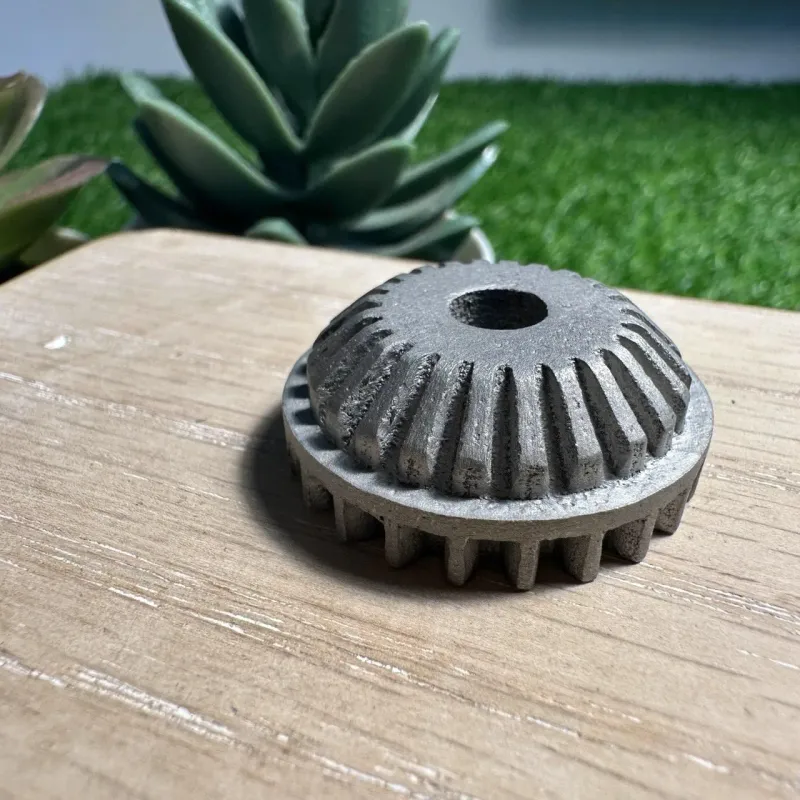 GuideMetal 3D printing or CNC machining: which does your part need?
-
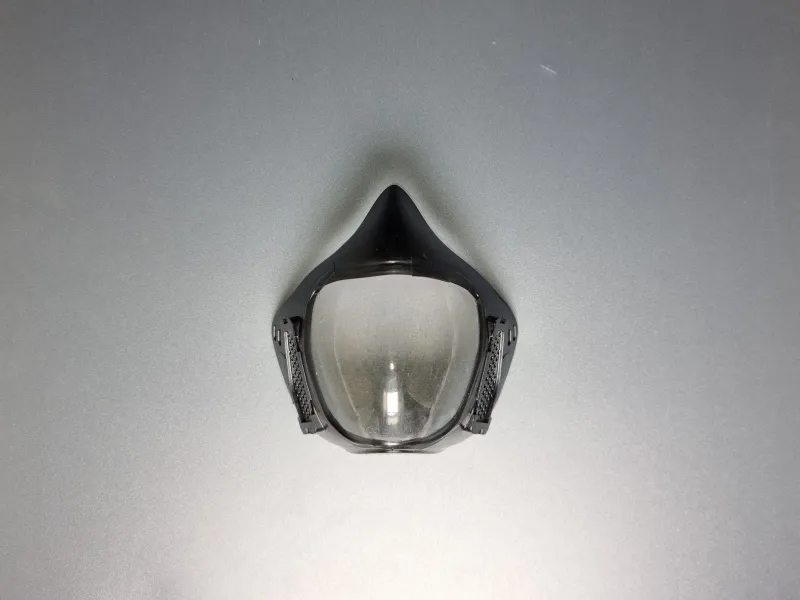 GuideWhich 3D printing material should you choose?
-
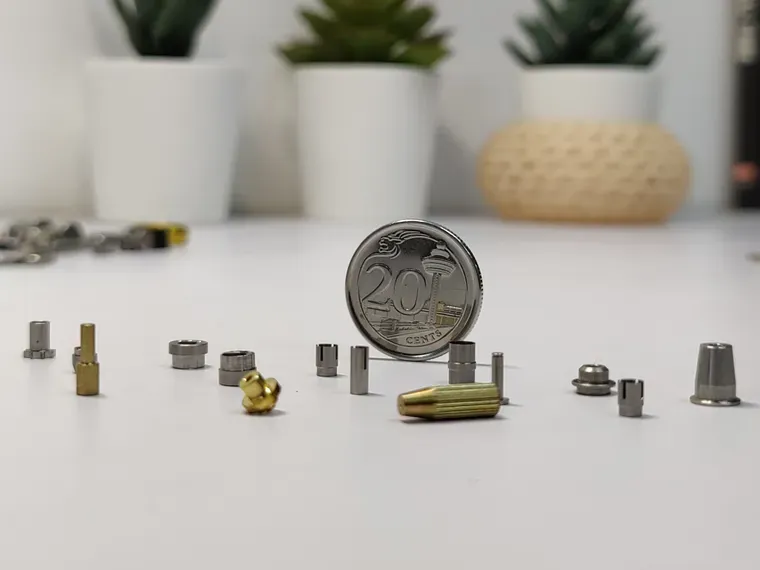 ServiceCNC Machining
-
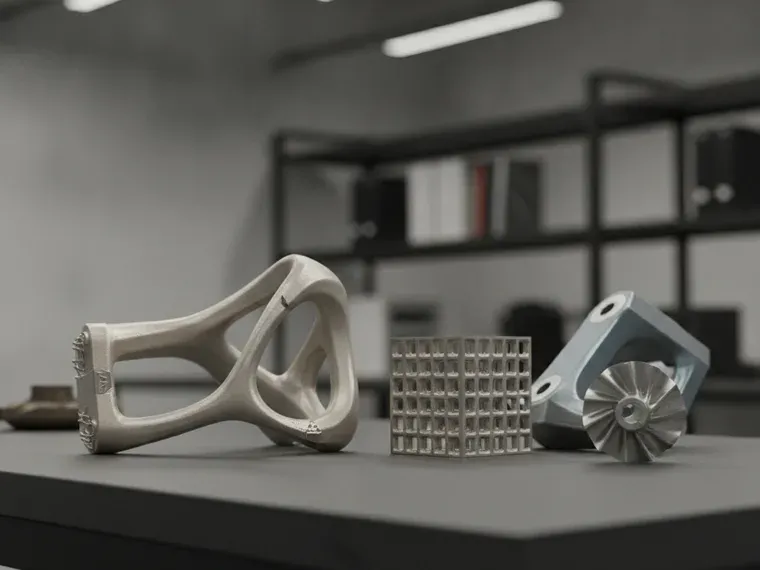 ServiceMetal 3D Printing
-
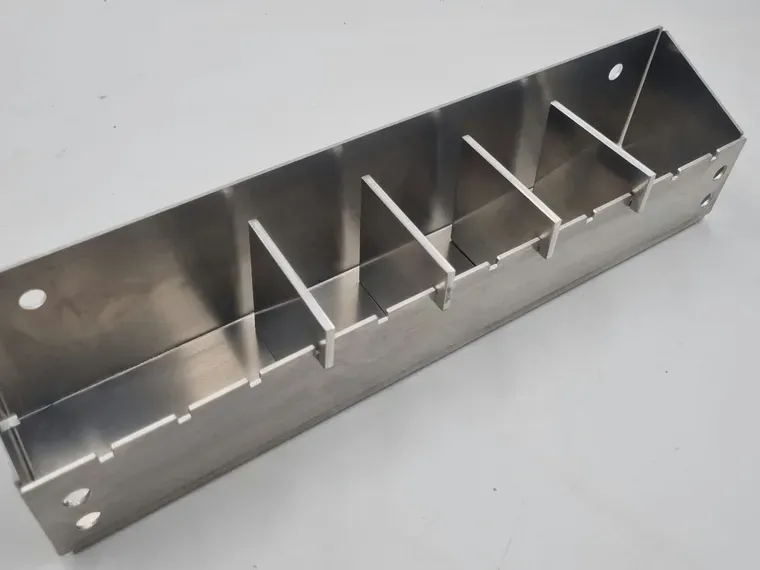 ServiceSheet Metal Fabrication and Bending in Singapore
-
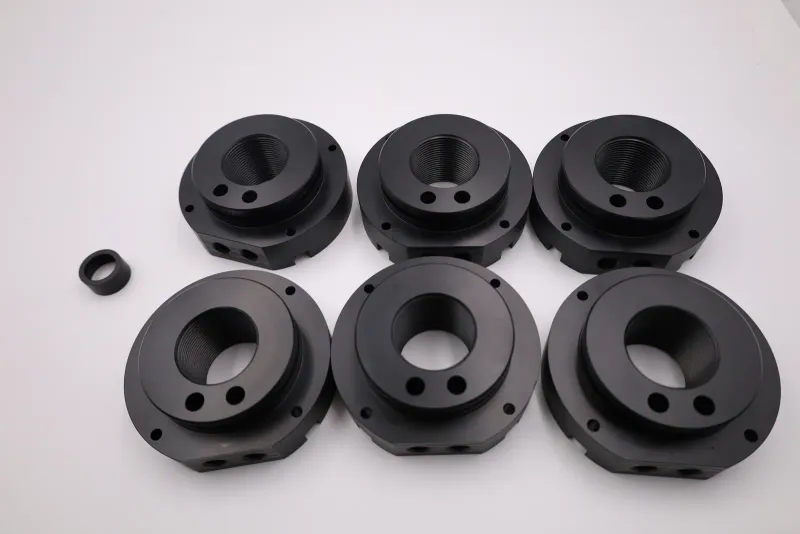 ProjectCNC-Machined POM Fuel Filling Lid