What is 4D printing, and can you order it yet?
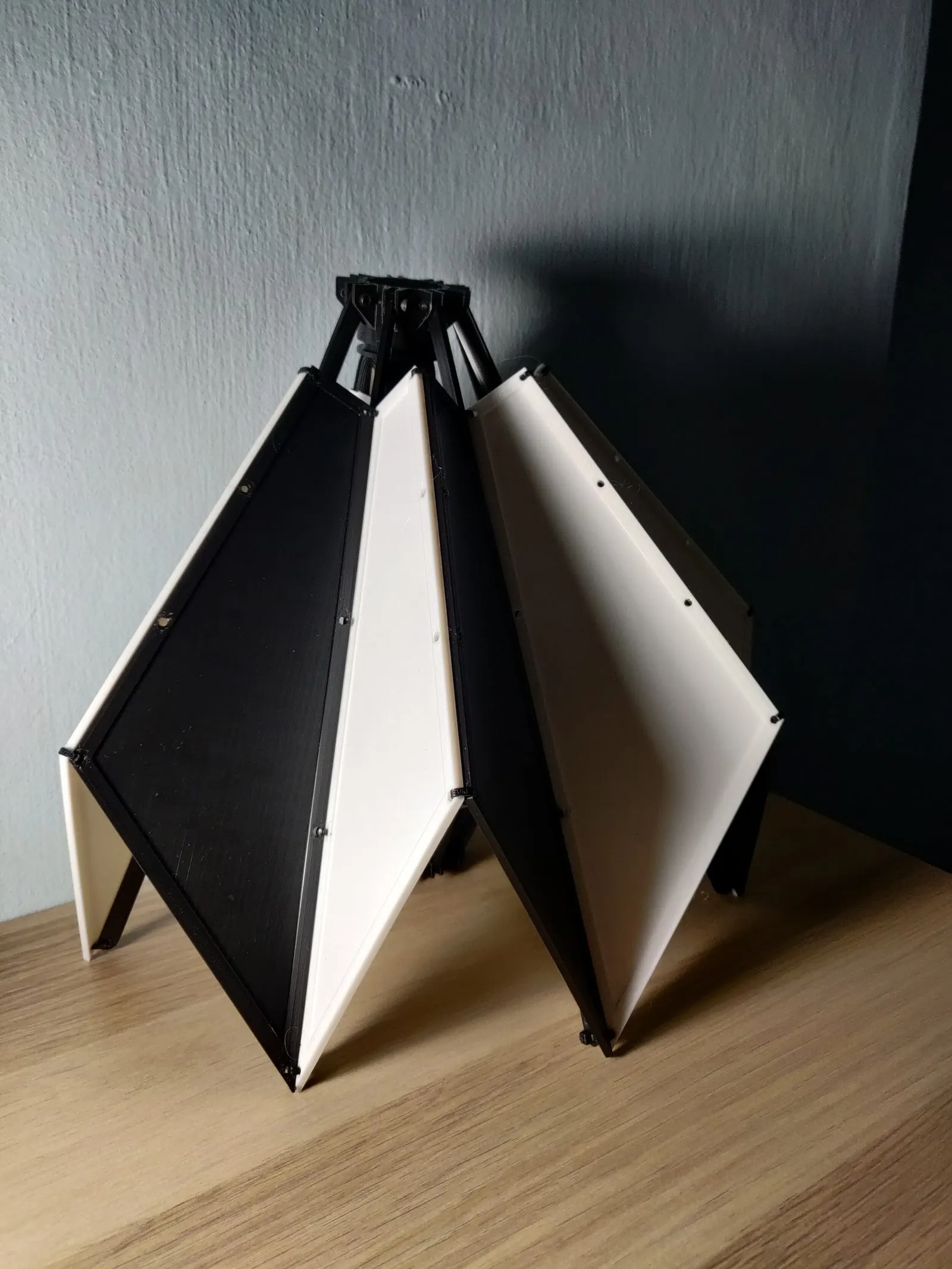
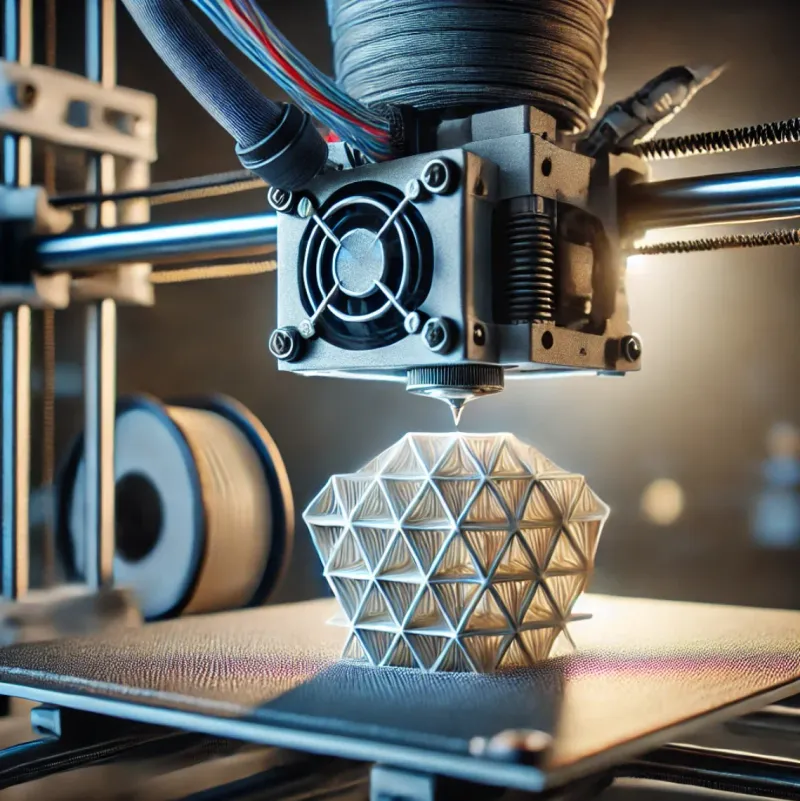
4D printing is 3D printing plus one more dimension: time. A 4D printed part is made from materials that keep responding after printing, so the object changes shape or behaviour on its own when something triggers it, with heat, water and light being the usual three. A flat lattice that folds itself into a box in warm water is the classic demonstration. The honest second half of the answer: it is still largely a research field, not something you can order off a menu, and most people searching for it actually need something a workshop can already print today. Here are both halves, in plain English.
What does the fourth dimension actually mean?
Time. A normal 3D print is finished the moment it leaves the machine; a 4D print is designed to keep changing afterwards, and the change is built into the material rather than added as a motor or a hinge. Shape-memory polymers can be printed in one shape, deformed into another, and then return to the printed shape when warmed. Hydrogel-based prints swell as they absorb water, and pairing a swelling material with a stiff one makes a part bend or curl in a controlled direction. The behaviour is programmed into the print itself, which is what separates true 4D printing from a printed mechanism.
Where does 4D printing stand today?
Mostly in the lab. University research groups have demonstrated self-folding structures, printed parts that respond to temperature, and materials that curl in water. What does not yet exist, anywhere we have seen, is a commercial service where you upload a file, pick a shape-memory material and receive a part with predictable, repeatable behaviour. Our own workshop does not print shape-memory materials, and we would rather say that plainly than sell the word. When the materials mature into something consistent enough to quote, this is exactly the kind of process we would add.
What do people searching for 4D printing usually need?
In our experience, one of three things: a part that folds or deploys, a part that flexes, or a part that adapts to fit. All three are ordinary jobs for us today:
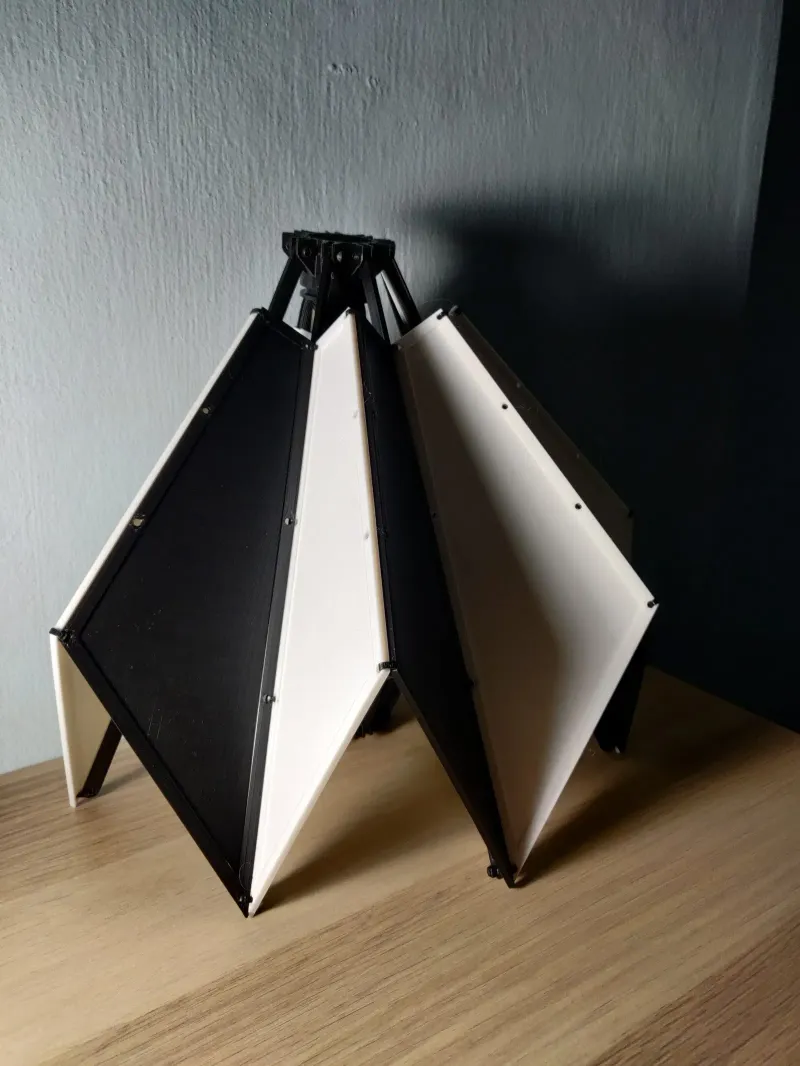
- Mechanisms that deploy. For the collapsible shelter concept, a shelter at pedestrian waiting points that deploys automatically, rain or shine, we developed a working mechanical prototype for the client. No smart materials involved: geometry and mechanism did the transforming.
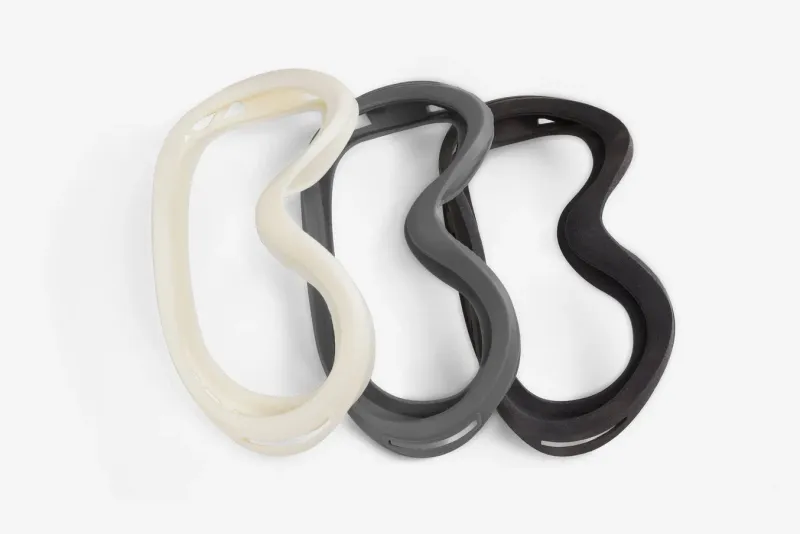
- Snap fits and printed springs. The GoPro lens snap adapter uses a sprung latch that clicks over the camera’s waterproof housing and holds an underwater wet lens centred, tuned across a string of printed prototypes until the clip force felt right.
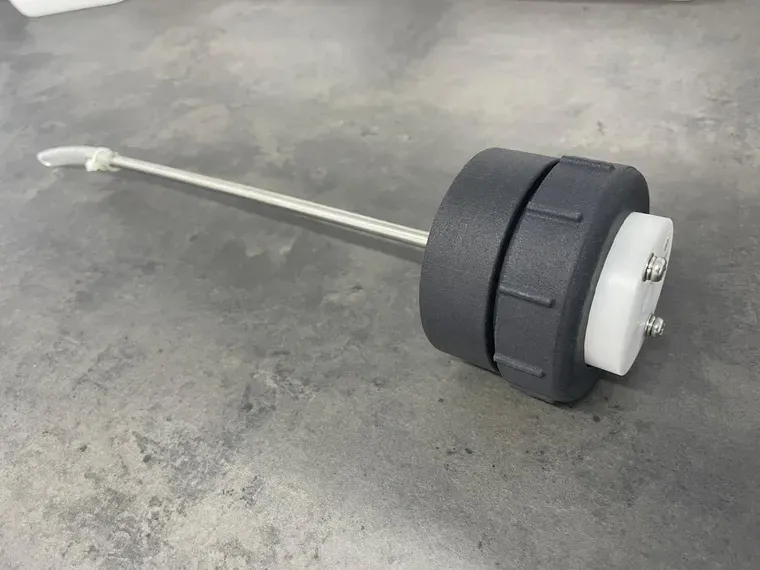
- Flexible materials and hinges. TPU on fused deposition modeling (FDM) prints rubbery parts such as grips and gaskets, stereolithography (SLA) offers flexible resins for smooth wearable pieces, and selective laser sintering (SLS) nylon handles living hinges and snap-together clips with no support marks. Multi-material jobs, pairing rigid and flexible sections in one part, get a quick manual review at quoting.
So is 4D printing worth waiting for?
For a real product, not yet. If your part needs to fold, flex, grip or deploy, a well-designed mechanism or the right flexible material solves it this month rather than on a research timeline, and the design thinking will transfer directly if smart materials do become orderable. For picking the printing side, our technology guide compares the processes and our FDM explainer covers TPU and the other filaments.
How do you start a moving or flexible part?
Send the file, or just the idea, through our 3D printing service. If you already have a model, the instant quote tool prices it in seconds; if the mechanism still needs inventing, talk to us and we prototype it until it works, the same way the snap adapter earned its click.
Frequently asked
What is 4D printing in simple terms?
4D printing is 3D printing with time as the extra dimension. A part is printed in stimulus-responsive materials, then changes shape or properties on its own after printing when triggered by heat, water or light. Think of a flat printed sheet that folds itself into a box when warmed.
How is 4D printing different from 3D printing?
A 3D printed part keeps the shape it was printed in. A 4D printed part is designed to keep changing after it leaves the machine, because the material itself responds to a trigger such as temperature or moisture. The printers can be similar; the difference lies in the materials and in designing the change into the part.
Can I order 4D printed parts in Singapore?
Not as an off-the-shelf service today, as far as we are aware; shape-memory printing still lives mainly with university research groups and lab demonstrations. What you can order now are parts that move or flex by design, such as print-in-place hinges, snap fits, flexible TPU or resin parts, and mechanical assemblies that deploy.
What should I use instead if my part needs to move, fold or flex?
A mechanism or a flexible material usually solves it today. SLS nylon suits living hinges and snap-together clips, FDM in TPU gives rubbery, bendable parts such as grips and gaskets, and multi-part assemblies handle folding and deploying motions. We design and print all of these routinely.
Related