What 3D printing technology is best for you?
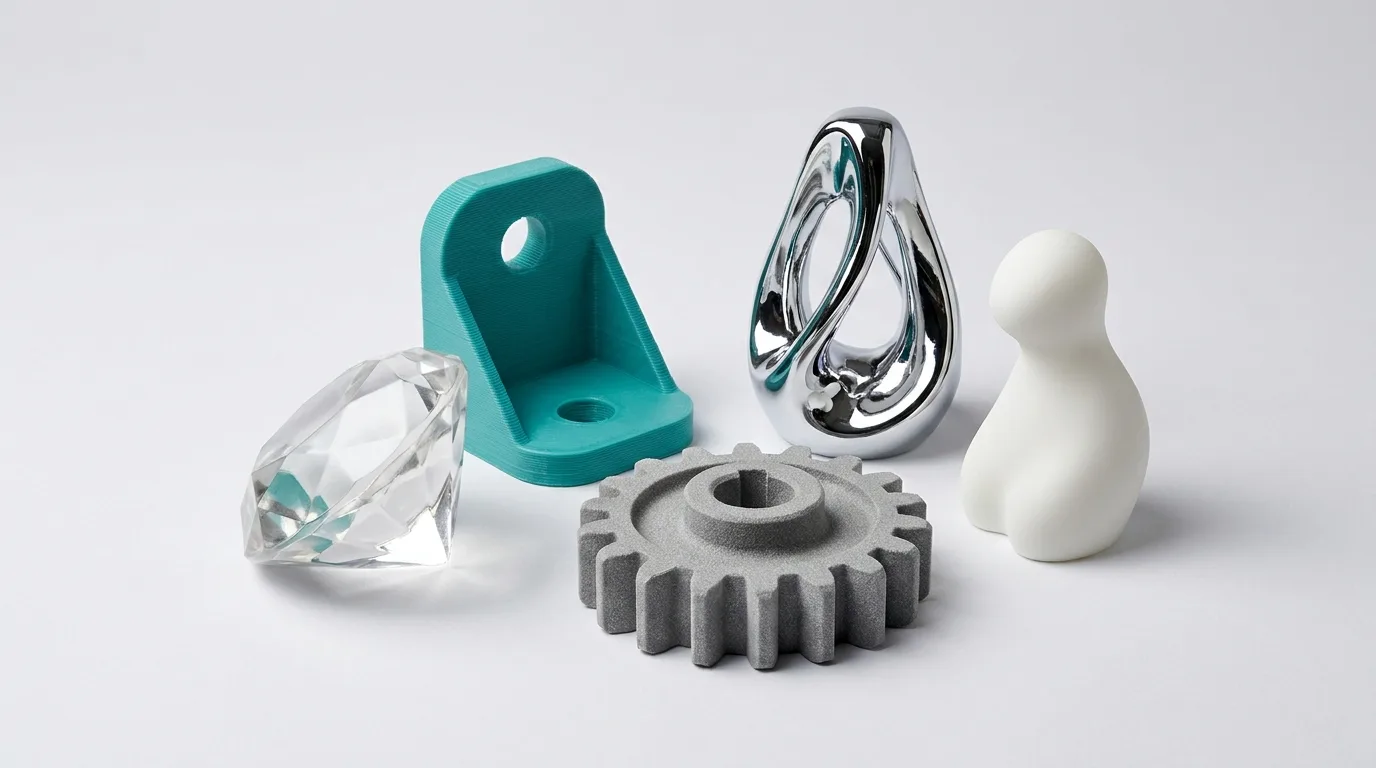
3D printing has taken the world from hobbyist tinkering to full-scale manufacturing. But with so many processes and materials to choose from, picking the right one can feel like a guess. This guide walks through the five processes we work with: what each is good at, and where it fits.
1. Fused Deposition Modeling (FDM)
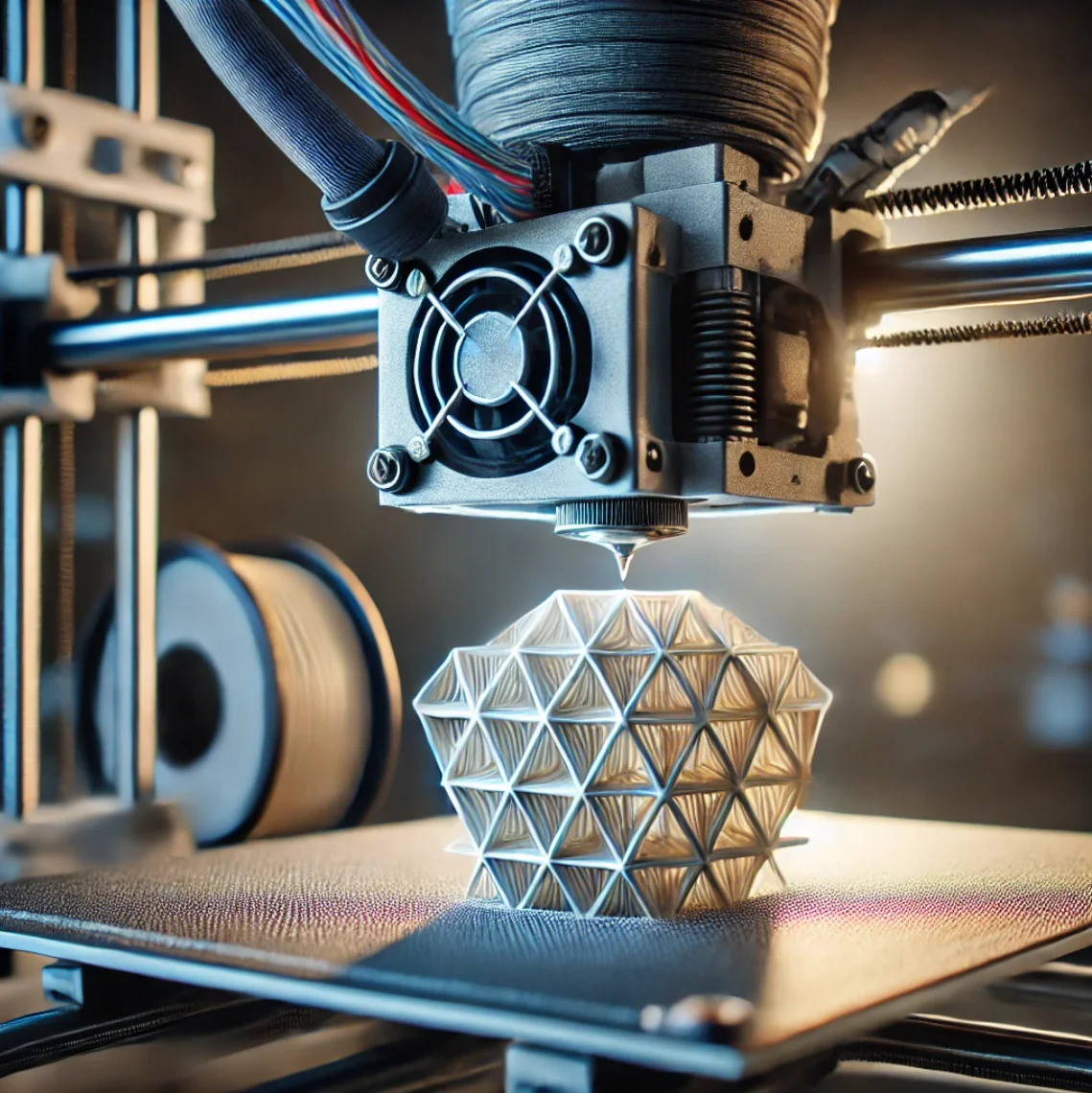
One of the most popular 3D printing technologies, for both personal and industrial use, is FDM (also called Fused Filament Fabrication). An FDM printer extrudes thermoplastic filament layer by layer to build durable parts. It’s ideal for rapid prototyping, custom tooling and functional end-use parts.
Advantages: cost-effective for prototyping; wide material choice (PLA, ABS, PETG, carbon-fibre options); strong mechanical properties.
Best for: functional prototypes, jigs and fixtures, large-format parts.
2. Stereolithography (SLA)
In SLA, a laser cures liquid resin into solid layers at high detail with a very smooth surface finish. It suits parts that need fine features and dimensional accuracy, and is widely used in jewellery, dental and engineering for high-quality prototypes and small runs.
Advantages: high resolution and smooth surfaces; excellent for fine detail and complex geometry; can produce translucent and flexible parts.
Best for: visual models and display prototypes, medical and custom-fit parts, small complex components.
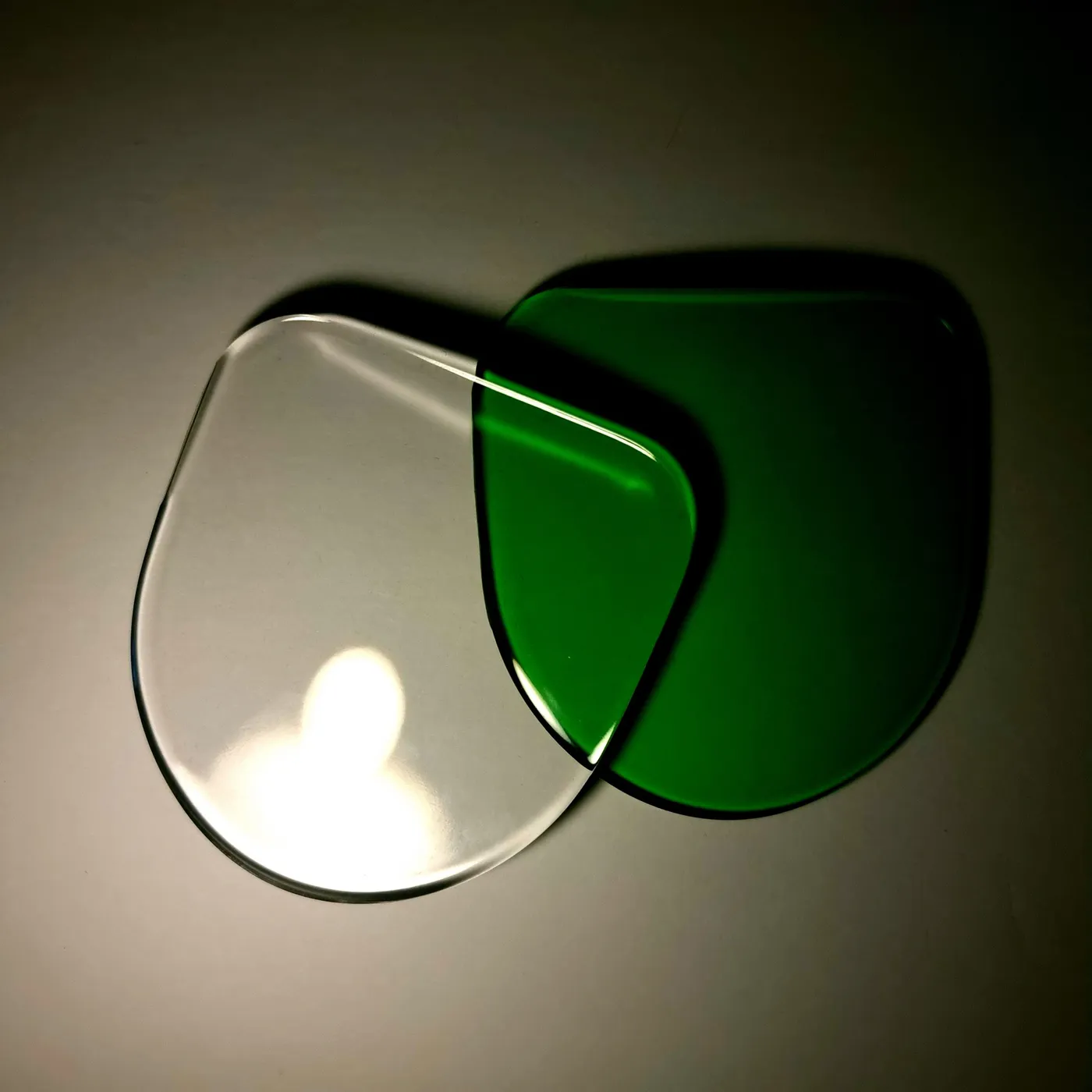
3. Selective Laser Sintering (SLS)
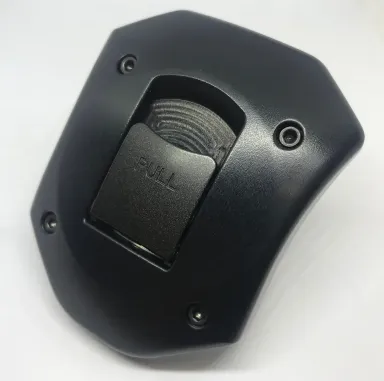
SLS uses a laser to fuse powder, usually nylon, into a solid structure. It gives excellent mechanical properties and needs no support structures, so it’s a strong choice for durable, complex parts with interlocking features.
Advantages: high strength and durability; no support structures needed; good for functional prototypes and end-use parts.
Best for: mechanical and snap-fit parts, low-volume production, aerospace and automotive.
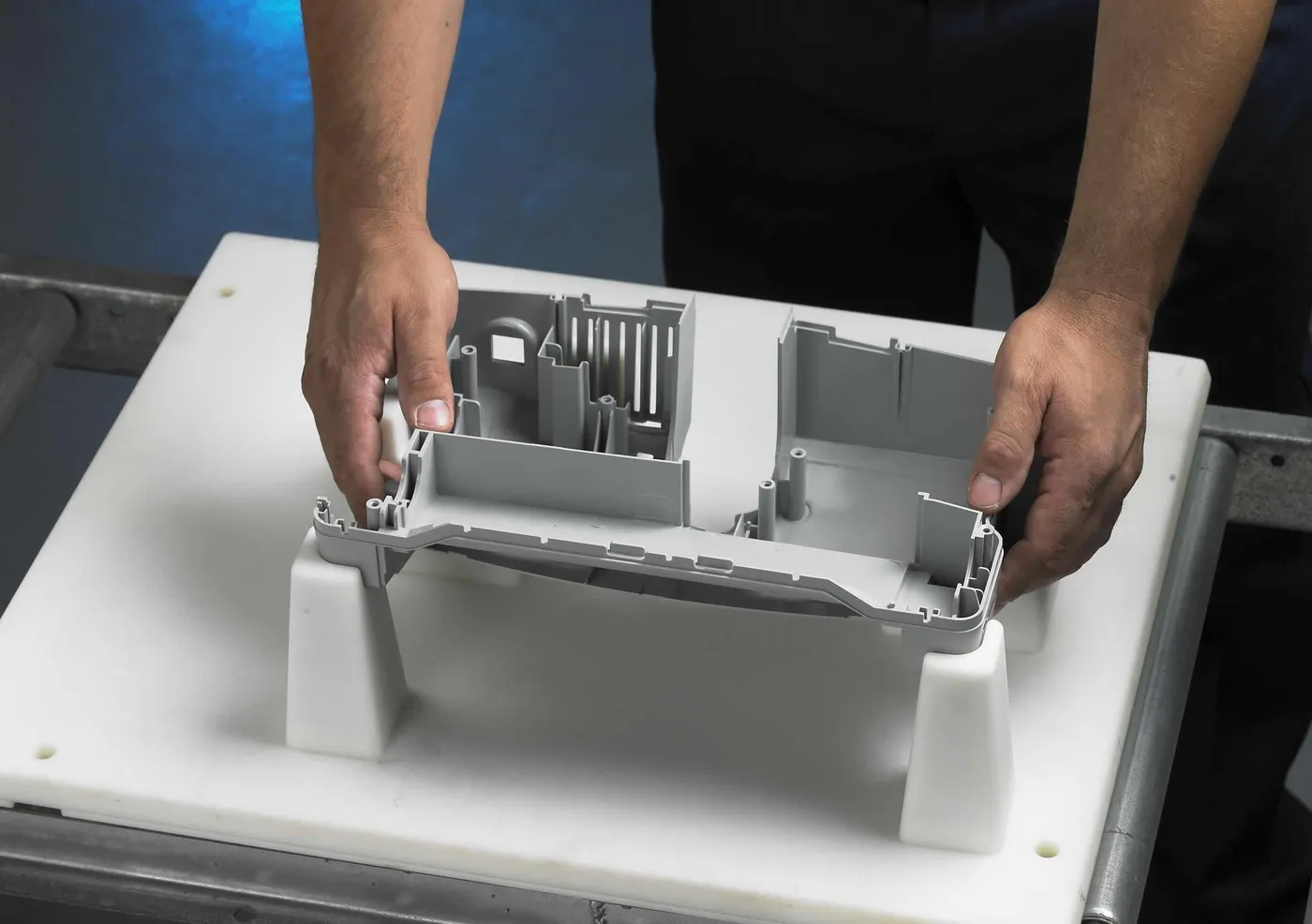
4. Selective Laser Melting (SLM)
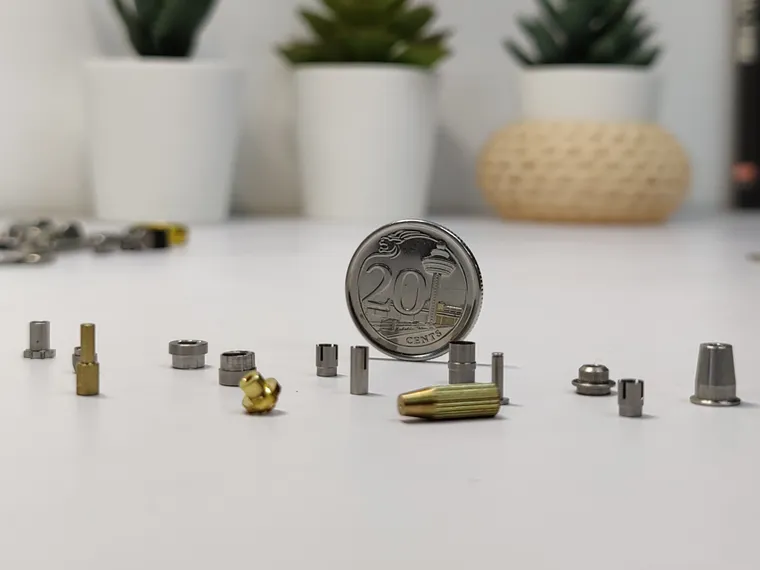
SLM is metal 3D printing: a laser melts metal powder layer by layer to build high-strength parts directly from a digital design. The results are lightweight and strong, and often replace traditionally machined metal components.
Advantages: strong, durable metal parts; highly complex geometry; suits both prototypes and production.
Best for: aerospace and automotive, medical implants and surgical tools, complex metal parts with internal channels.
5. Multi Jet Fusion (MJF)
MJF combines fine detail and a good surface finish in a single, fast process. Like SLS it uses nylon powder, but with finer detail, better mechanical properties and more consistent parts.
Advantages: high accuracy and smooth finish; shorter lead times; high strength and isotropy (uniform properties in all directions).
Best for: low-volume end-use parts, high-quality functional prototypes, lightweight components.
Then choose the material
After picking the process, the next choice is the material. They vary widely in flexibility, strength and heat resistance, and each process supports its own range. See our material guide for a shortcut on what to use based on process, properties and typical applications, or try the process selector above for a quick recommendation.
Frequently asked
What's the difference between FDM, SLA, SLS, and MJF?
FDM extrudes melted plastic in layers (cheapest, visible layer lines). SLA cures liquid resin with UV (smooth, fine detail, brittle). SLS sinters nylon powder with a laser (durable, no support material, slightly grainy). MJF (Multi Jet Fusion) is HP's powder-bed process, similar to SLS but faster and with sharper detail.
Which 3D printing process gives the best surface finish?
SLA resin has the best as-printed surface, smooth enough that you can paint directly. MJF is second, with a fine grain. FDM has visible layer lines that need sanding/priming for a smooth result. If your part will be photographed or hand-held, SLA is usually worth the cost premium.
Can I mix technologies in one project?
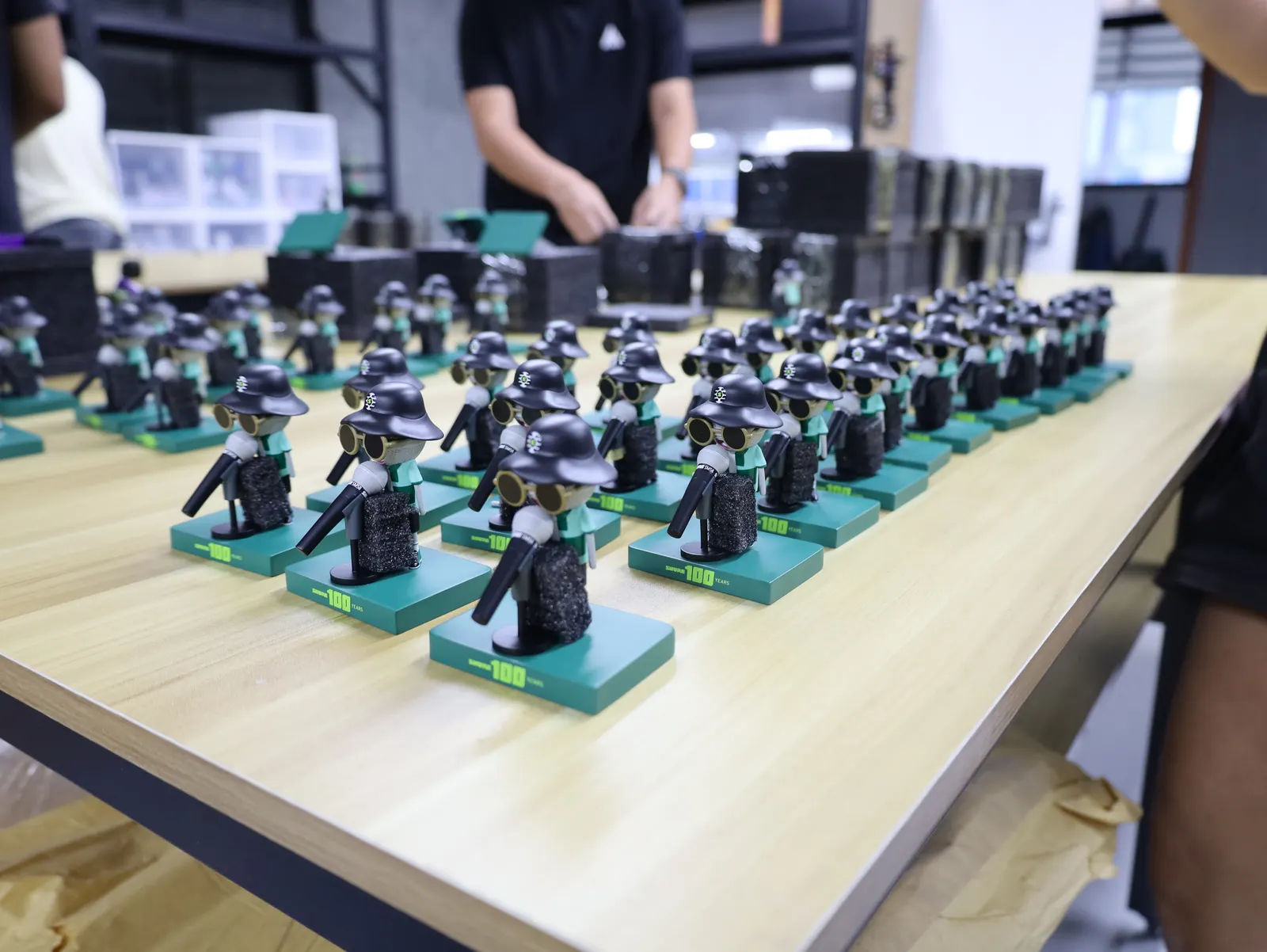
Yes, and it's often the right answer. We routinely combine FDM for the bulk structure with SLA for the visible detail parts, then assemble. Multi-process design lets you control cost and quality per component instead of forcing one process to do everything.
Related