Electroplating For SLA Printing

Electroplating is a process used to coat the surface of a metal or other conductive material with a thin layer oanother metal. This is achieved through an electrochemical process.
Electroplating Process and Applications
-
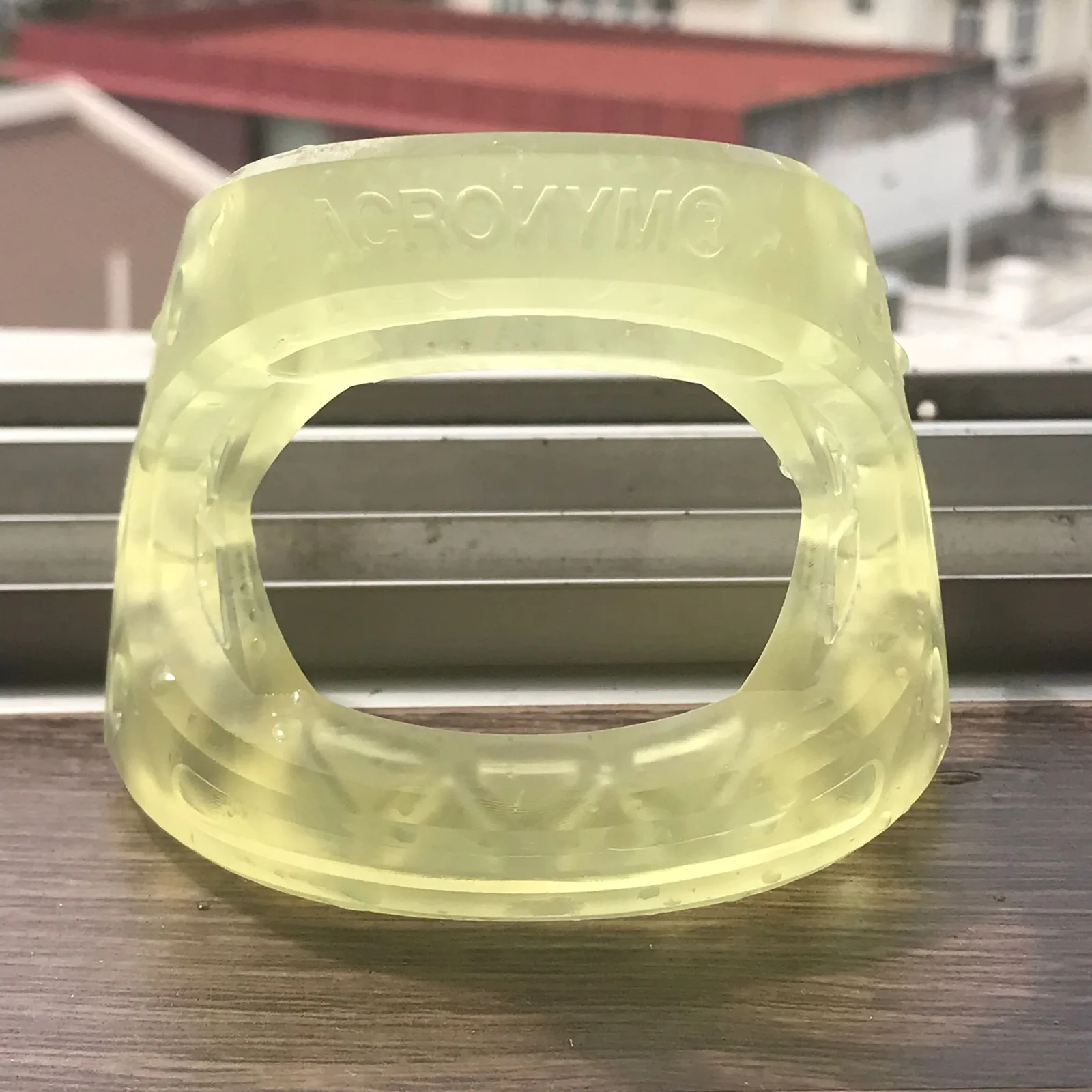
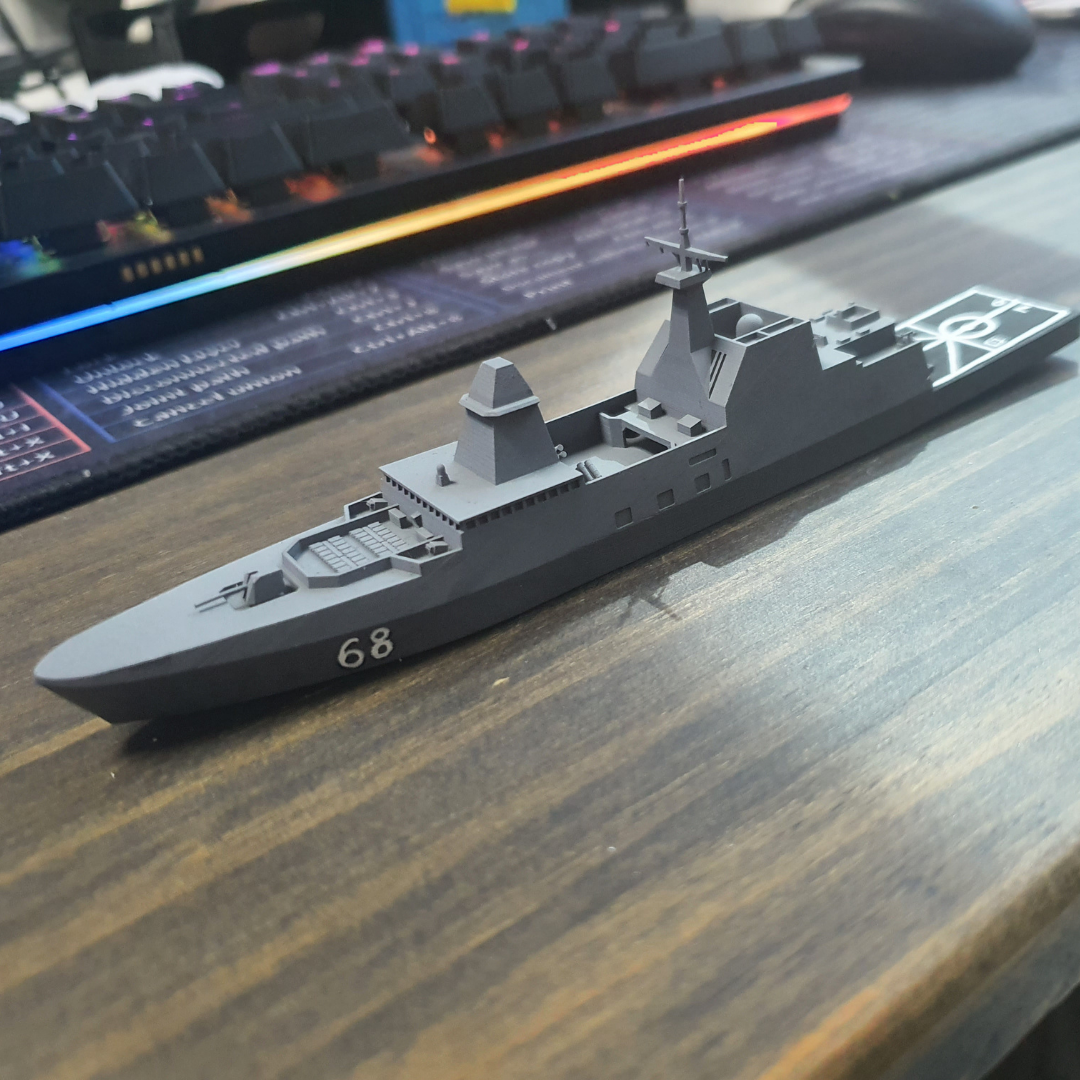
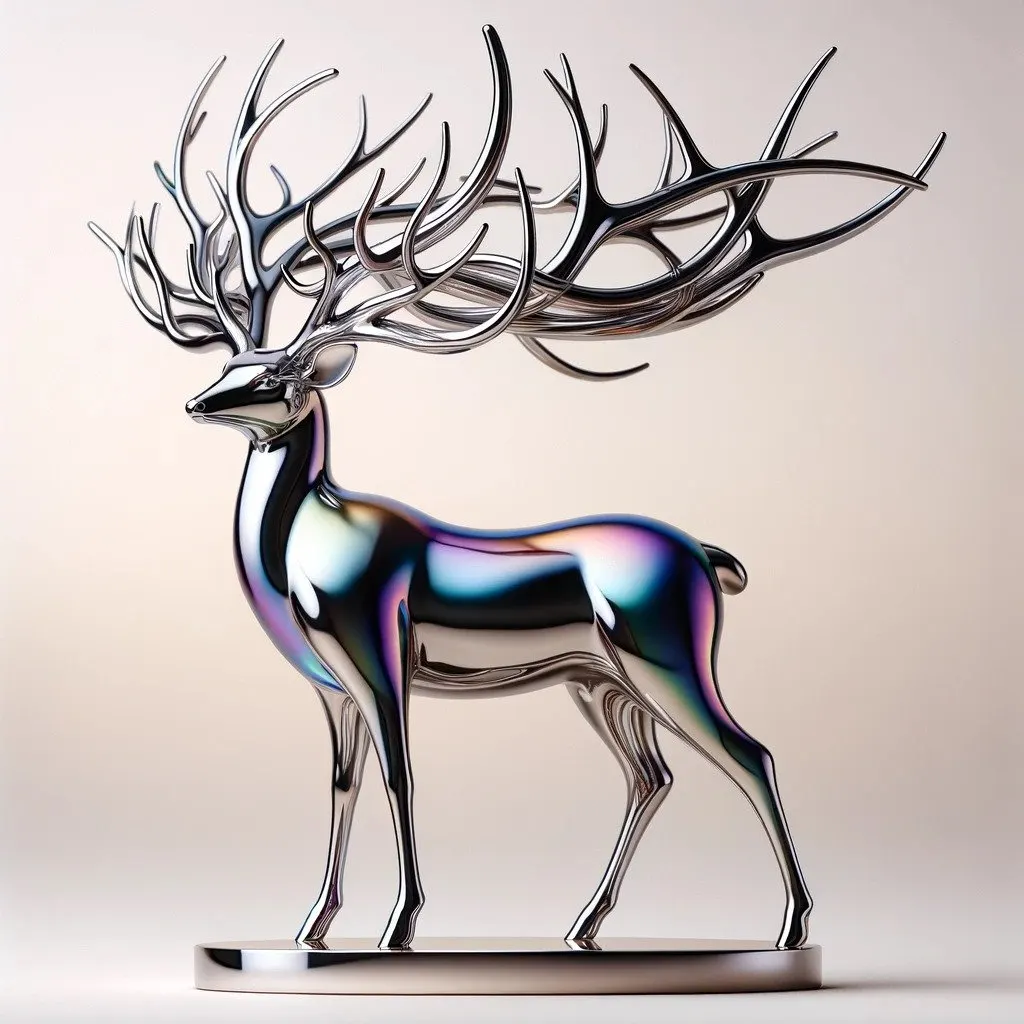
Electroplating involves coating 3D prints in metal to enhance their appearance and strength.
-
It’s ideal for stereolithography (SLA) 3D printing due to the smooth or finely textured surfaces of these prints, which make the transition between plastic and metal seamless.
-
Electroplating is used in various industries, including aerospace, for adding a sacrificial coating to increase the lifespan of parts by slowing down corrosion
Customization and Design Flexibility
-
Electroplating offers the flexibility to customize products according to desired aesthetics. Designers and manufacturers can choose from a wide range of colors for different visual effects.
-
This flexibility extends to combining different metals or layering them to create unique, visually appealing finishes.
-
Electroplating can also be used to replicate the look of expensive materials, providing a cost-effective solution for achieving high-end aesthetics.

Advantage of Electroplating
- Electroplating enhances the appearance of objects, providing shiny, lustrous finishes. It’s commonly used for decorative purposes, improving the look of everyday items and art installations.
- A more cost-effective and economical alternative to actual production methods, such as CNC.
- Electroplating is used for decorative purposes, giving products a shiny, metallic finish that enhances their visual appeal.
Disadvantages of Electroplating
- While electroplating can provide a beautiful finish, it can be complex and costly, especially for high-quality results. The process is slow, particularly when multiple layers are needed.
- During the electroplating process, there is a possibility of losing fine details in the product.
- Electroplating poses a potential risk of making the product more susceptible to scratches and fragility.
- Risk of blisters, cracks, and uneven coverage if not properly executed.
- Achieving the right coating thickness can be difficult.
Why Choose Additive Inn for Electroplating
-
Emphasizing your expertise in transforming 3D printed parts into visually stunning pieces with a range of color options.
-
Highlighting your ability to offer custom colors, catering to unique customer requirements.
Frequently asked
What is electroplating?
Electroplating is depositing a thin layer of metal onto a conductive surface using an electric current passed through a metal-salt solution. The part is the cathode; a sacrificial anode of the plating metal sits in the solution. Over hours, metal ions migrate from the anode through the solution and bond to the part as a uniform metallic skin.
How long does electroplating take?
Plating itself takes 1–4 hours per layer depending on desired thickness. With surface prep (sanding + conductive primer) and finishing (polish + clear coat), total turnaround is typically 3–5 working days. Multi-finish pieces (e.g., gold-plate over copper-plate) take longer because each layer cures separately.
How much does electroplating cost in Singapore?
Indicative costs for a hand-sized 3D printed part: chrome S$60–120, gold S$100–180, copper S$50–100, antique bronze S$70–130. Pricing scales with surface area — palm-sized pieces are at the low end, A4-size pieces are 3–4x. We quote per part with no minimum.
Related